
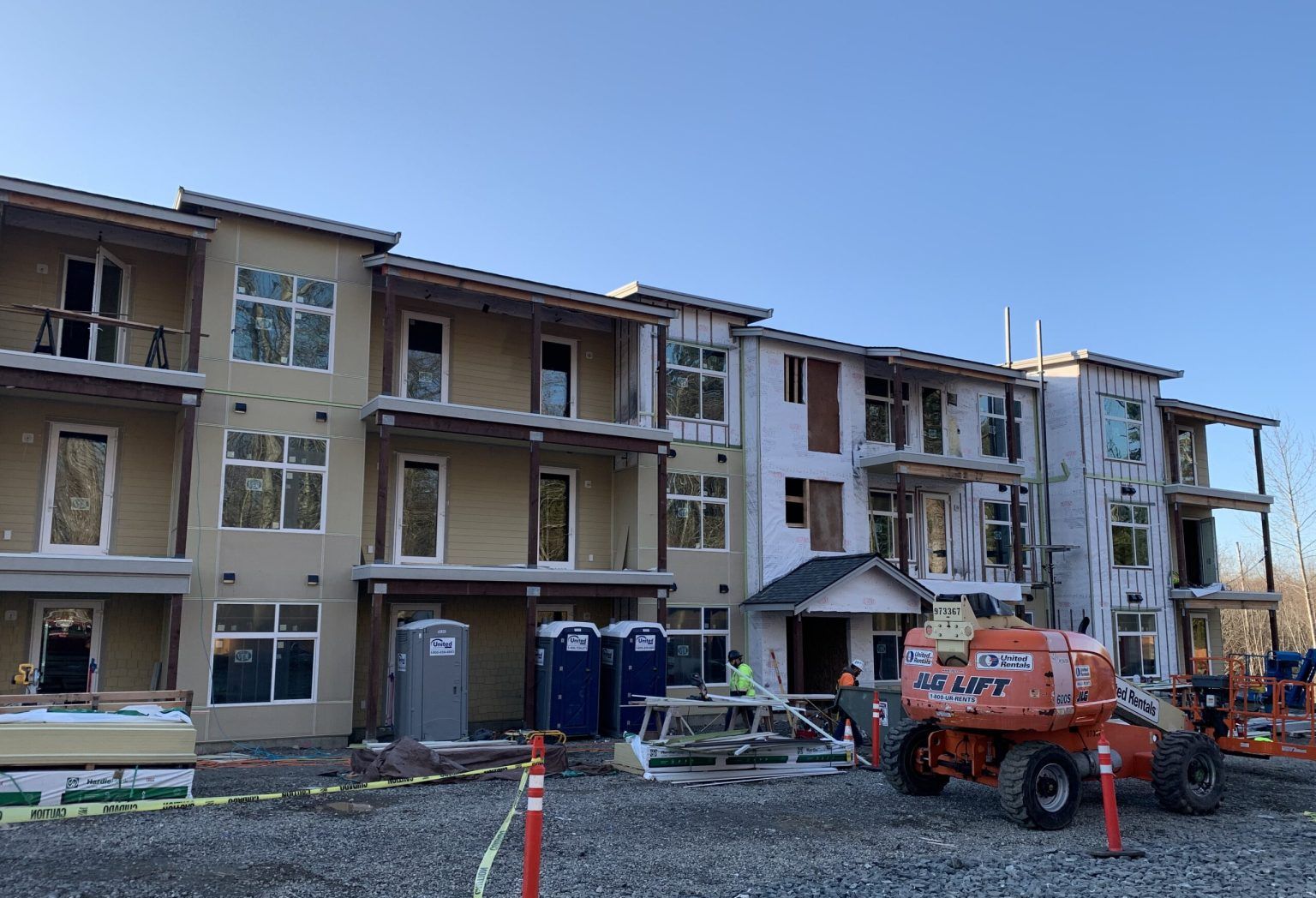
Northdale's housing stock is mostly single-story and split-level homes built from the late 1970s through the 1990s, with a smaller wave of newer construction filling in over the past decade. Like most of unincorporated Hillsborough County, the majority of these homes were originally built with stucco over concrete block or a wood-frame stucco system, though plenty of additions, gables, and second stories were finished in vinyl or wood siding along the way. When homeowners in this neighborhood call Alpine Exteriors about siding, they're usually dealing with one of three situations: a stucco home with a wood-framed addition that needs cladding, an older home where the original siding has taken UV and moisture damage, or a full re-side after storm damage. This guide walks through what actually holds up here and why, based on the climate and construction realities of this specific part of Hillsborough County.
For most Northdale homes, fiber cement siding is the strongest all-around choice. It resists the wind-driven rain that comes with our summer storms and tropical systems, it doesn't feed termites, and it holds paint and color far longer under Florida's UV load than most alternatives. Where budget is the deciding factor, quality vinyl siding — specifically a thicker, impact-rated panel with a proper starter strip and J-channel installation — is a reasonable second choice, especially on additions or accent walls rather than full elevations. Engineered wood siding can work well on covered or protected elevations but needs more scrutiny about moisture management in our humidity. What we steer people away from almost entirely in this area is thin, low-grade vinyl and any wood siding product that isn't specifically treated and rated for high-humidity, termite-prone climates.
We didn't rank these products in the abstract — we weighed them against the conditions that actually stress a home's exterior in Northdale:
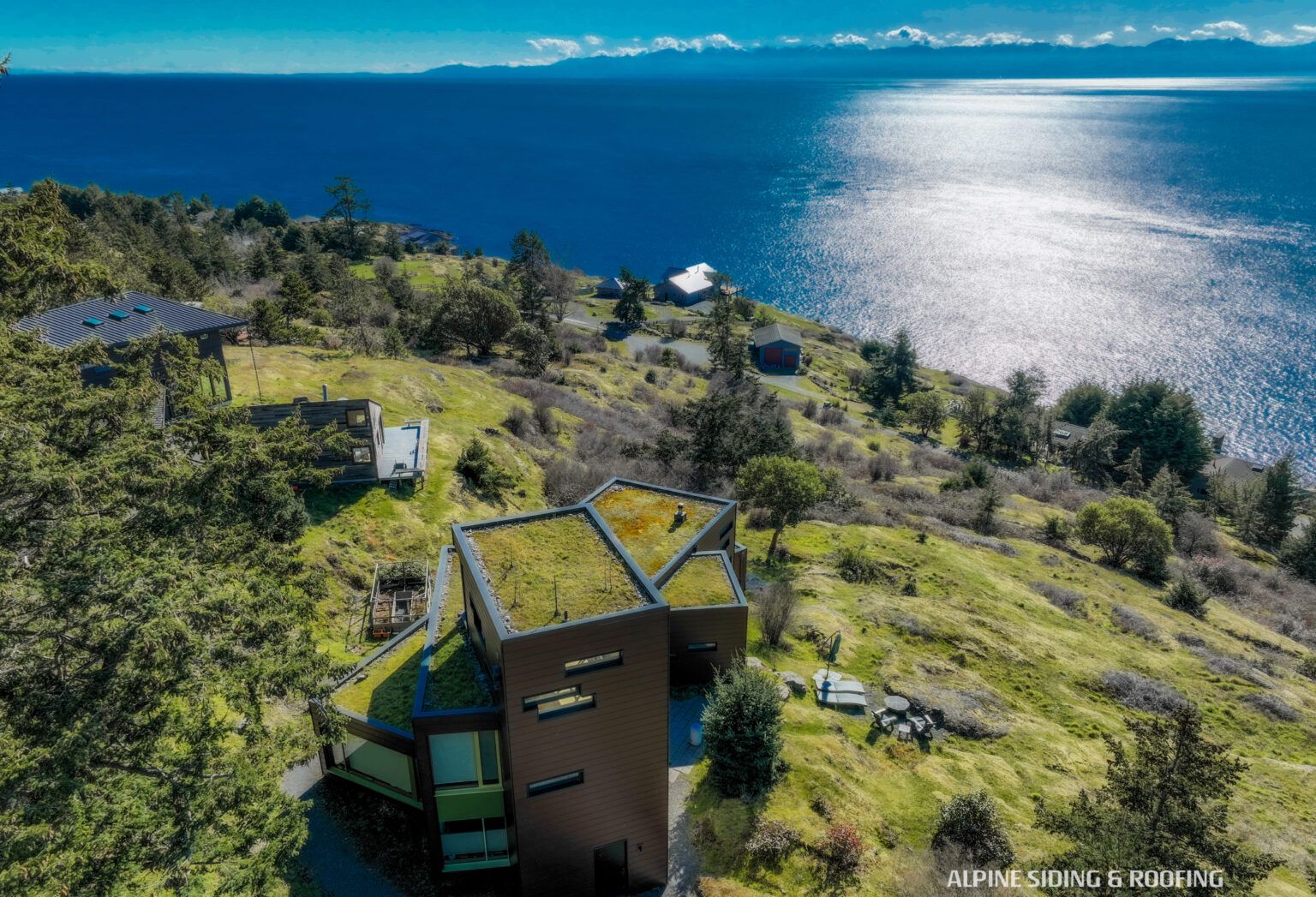
Fiber cement is a blend of cement, sand, and cellulose fibers pressed into planks or panels, and it has become the most common upgrade we install on Northdale homes that are moving away from stucco repair cycles or aging original siding. It doesn't burn, it doesn't feed termites, and because it's an inorganic composite, it isn't a food source for mold the way untreated wood can be. Properly installed fiber cement products carry Florida Product Approval ratings that meet the wind-load requirements for this region, and the factory-applied finishes on quality lines hold color noticeably longer under intense Florida UV than field-painted alternatives.
The honest drawbacks: fiber cement is heavy, which makes it more labor-intensive to install correctly, and installation quality genuinely matters — poor fastening patterns or missed flashing details can lead to cracking or water intrusion at seams. It also costs more upfront than vinyl, typically landing in a noticeably higher per-square-foot range. It has to be painted (factory-finished or field-painted) and that finish will eventually need maintenance, though on a much longer cycle than wood. It's also not something we'd recommend as a DIY project; the cutting process requires proper dust control, and code-compliant fastening schedules aren't optional in a wind-exposed region like ours.
Vinyl remains popular in Northdale for a simple reason: it's the lowest-cost option that still performs reasonably well, and modern impact-rated panels have closed a lot of the performance gap with pricier materials. Good vinyl siding won't rot, doesn't attract termites, and when installed with the correct nailing pattern and starter/J-channel system, it can meet Florida Building Code wind-load requirements for our area with proper product approval documentation.
The tradeoffs are real, though. Thin, builder-grade vinyl is the product we most often see cracked, buckled, or torn loose after a strong summer storm in this area — it's usually a case of using an under-rated panel rather than vinyl being inherently unsuitable. Vinyl also softens and can warp in direct, sustained heat, which matters on west- and south-facing walls that take the brunt of Florida afternoon sun. Color options are limited to what's baked into the panel since it can't be repainted in a way that holds up, and very dark colors are generally discouraged here because they absorb enough heat to distort the panels. For homeowners on a tighter budget, we'll spec a thicker, wind-rated vinyl product and steer color choices toward lighter tones that hold up better in direct sun.
Engineered wood siding — wood strand or fiber products treated with resins and zinc borate for insect and moisture resistance — gives a more traditional wood look than fiber cement or vinyl, and it's lighter to install than fiber cement. When it's manufactured and treated specifically for humid, termite-prone climates, it can be a legitimate option for covered porches, gables, or elevations that aren't taking direct wind-driven rain.
Where we're more cautious is full-elevation use in Northdale's climate. Even treated engineered wood depends heavily on correct caulking, painting, and end-cut sealing to keep moisture out, and in a climate with our humidity levels, any gap in that maintenance shows up faster than it would in a drier state. It's also not the product we'd recommend for a homeowner who wants to set it and forget it — it needs more attentive upkeep than fiber cement or vinyl over a 15-to-20-year horizon. We typically recommend it as an accent material rather than the primary cladding on fully exposed walls here.
Since stucco over block or wood frame is the dominant original cladding on most Northdale homes, it's worth addressing directly rather than ignoring it. Stucco isn't a siding product in the traditional sense, but it's the baseline nearly every re-siding project in this neighborhood is compared against. Where stucco is sound — no significant cracking, no moisture intrusion behind it — repairing and repainting is usually more cost-effective than replacing it with siding. Where stucco has failed structurally, has widespread cracking that keeps recurring, or is sitting over a wood-frame wall with hidden moisture damage, that's when switching to fiber cement or vinyl on that section starts to make more sense than another stucco repair cycle.
A few choices consistently cause problems for homeowners in this part of Hillsborough County:
Quality, impact-rated vinyl siding installed correctly can meet Florida Building Code wind-load requirements for this region and hold up through typical Tampa Bay storm seasons. The failures we see almost always trace back to thin, under-rated panels or incorrect installation rather than vinyl being unsuitable as a material.
It can, depending on how the wall assembly and any related wind-resistant features are documented on your wind mitigation inspection. That inspection uses the state's OIR-B1-1802 form, and insurers use it to determine premium discounts, so it's worth asking your contractor to document product approvals and installation details at the time of the job.
They're a real factor. Subterranean termites are common throughout this part of Florida, which is why we steer homeowners away from untreated wood products and toward fiber cement, vinyl, or properly treated engineered wood that's specifically rated for termite resistance.
Yes, and it's common in Northdale — many homes already have a stucco main structure with a siding-clad addition or gable. The key is making sure the transition points between materials are flashed correctly so wind-driven rain can't get trapped where the two systems meet.
Every home in this neighborhood carries its own mix of stucco, additions, and original siding, so there's no substitute for someone looking at your walls in person before recommending a product. Alpine Exteriors is a licensed Florida contractor (RB29003900) serving Northdale and the surrounding Tampa Bay area, and we can walk your property, point out where moisture or wind damage is already a concern, and give you a straightforward comparison of fiber cement, vinyl, and repair-versus-replace options for your specific home. Reach out to schedule a walkthrough and get a written estimate before your next storm season.