
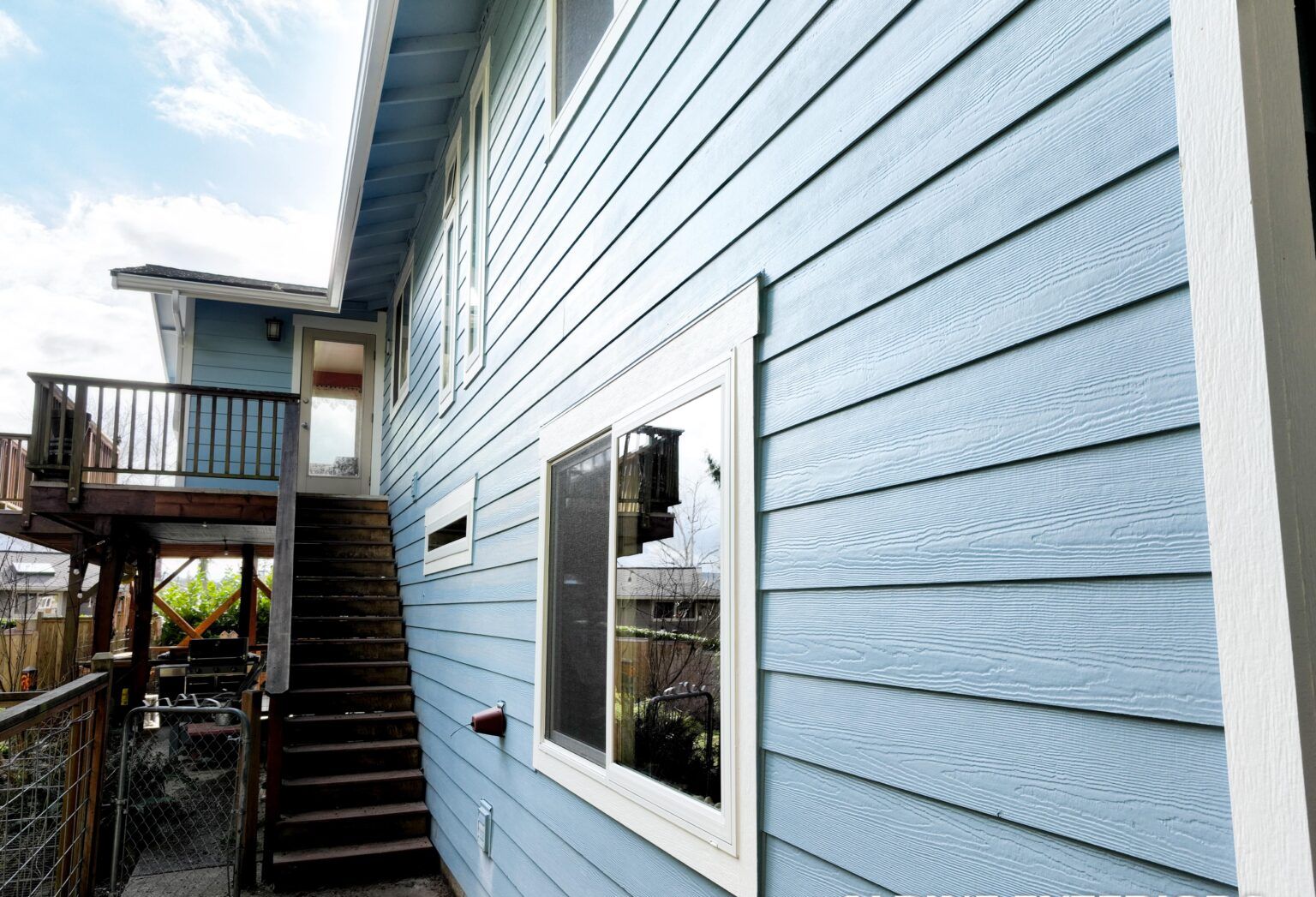
In Crystal Springs and the rest of unincorporated Pasco County, siding is not just a cosmetic product, it is a component the Florida Building Code treats as part of the structure's wind envelope. Any siding installed here has to carry a current Florida Product Approval, or an accepted Miami-Dade Notice of Acceptance, rated for the design wind speed and exposure category of that specific lot, and it has to be fastened the exact way that approval spells out.
A permit on file, a product approval number the inspector can look up, and a fastening pattern that matches both the product and the house are what separate a siding job that survives its first real tropical storm from one that looks fine on install day and comes apart at the first sustained gust.
Florida adopted product approval statewide after Hurricane Andrew exposed how much exterior cladding, soffit, and trim contributed to building envelope failures once wind got behind a loose panel. Every siding product sold for use in Florida now carries either a Florida Product Approval number, issued through the state's product approval system, or a Miami-Dade County Notice of Acceptance, and either one is acceptable outside the High-Velocity Hurricane Zone. That approval document is not a marketing sticker, it is an engineering package: it lists the exact fastener type, length, spacing, and embedment depth the manufacturer tested to, tied to specific wind speed and exposure ranges. A contractor cannot substitute a cheaper fastener, stretch the nailing spacing to save time, or skip the starter strip and J-channel details without voiding both the approval and, in practice, the code compliance of the whole wall assembly.
The Florida Building Code also sets the design wind speed for a given parcel using the ASCE 7 wind maps referenced in the code, and the site's exposure category, whether it is B, C, or D, which describes how open or sheltered the terrain is around the house. That exposure category changes the pressure the wall assembly has to resist, which in turn changes how tight the fastening schedule needs to be. Two houses a mile apart, one tucked into trees and one sitting on an open cleared lot, can legitimately need different fastening patterns for the identical siding product.
On a Pasco County siding permit, the field inspector is typically checking a short, specific list rather than eyeballing the whole wall:
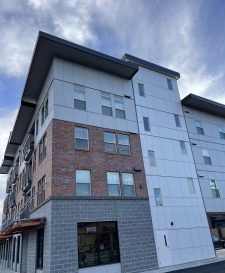
Crystal Springs sits inland, well back from the Gulf, in the wooded, spring-fed part of Pasco County near the Hillsborough River headwaters. That has real consequences for how a siding job should be designed here compared with the coastal parts of Alpine Exteriors' service area. Because the community is inland, salt-laden air, the kind that eats through cheap fasteners and trim on New Port Richey or coastal Pinellas homes within a few seasons, is much less of a factor here. That is a genuine advantage and a reason not to over-spec marine-grade hardware on an inland Crystal Springs job.
What does not go away is Florida's statewide wind-load design requirement. Pasco County is not in the High-Velocity Hurricane Zone, that designation is limited to Miami-Dade and Broward Counties, but it is still fully subject to the Florida Building Code's wind provisions, and inland location does not automatically mean a lower design wind speed on every lot.
The other regional factor is tree cover. Many Crystal Springs properties sit on larger, wooded parcels near the preserve and along the river corridor, which means storm winds arrive carrying limb and debris impact risk that a house on a cleared subdivision lot in Wesley Chapel does not face in the same way. Wooded exposure also tends to push a lot toward Exposure B, generally a less severe wind category than open Exposure C, but it raises the odds of impact damage and it keeps humidity and shade-driven moisture sitting against the wall longer after a storm, which matters for mold and rot resistance. Add Florida's year-round humidity and the near-constant subterranean termite pressure that comes with sandy, wooded Pasco County soil, and the material choice question becomes at least as important as the fastening question. Intense UV exposure through the long Florida summer is the same here as anywhere in the Tampa Bay area and it still degrades unstabilized vinyl and unsealed trim over time, so that part of the equation does not change just because the lot is inland.
Start by confirming that whoever bids the job is pulling a permit for the siding work, not treating it as a cosmetic swap that skips inspection. A permitted job requires the contractor to list the product approval number on the application, which gives the homeowner a paper trail that matters later for insurance, for resale, and if there is ever a warranty dispute with the manufacturer. Ask to see the installation instructions and fastening schedule for the specific product before work starts, and ask whether the crew assessed the lot's exposure category rather than defaulting to whatever pattern they used on the last job. A wooded, sheltered Crystal Springs lot and an open pasture-adjacent parcel a half mile away can call for different nailing patterns on the same product, and a contractor who does not ask about the surrounding terrain is guessing.
On material choice, weigh the trade-offs honestly rather than picking on price alone:
| Factor | Vinyl siding | Fiber cement |
|---|---|---|
| Termite resistance | Not a food source; performs well | Not a food source; performs well |
| Humidity/mold resistance | Good if properly ventilated behind the panel | Good; holds paint well in humidity |
| UV/color retention | Lower-grade product can fade or warp over time | Better long-term color and shape retention |
| Wind fastening needs | Closer fastener spacing typically needed at higher exposures | Different fastener type/spacing per its own product approval; heavier material |
| Relative upfront cost | Lower to mid range | Mid to higher range |
Whatever material gets chosen, insist on corrosion-resistant fasteners as a baseline. Salt air is a smaller concern this far inland, but Florida's humidity still corrodes low-grade electroplated fasteners over ten or fifteen years even without coastal salt exposure, and a fastener failure at the wall is a wind-load failure waiting for the next named storm. Finally, keep every document, the permit, the product approval printout, and the final inspection sign-off, in one folder. It is the difference between a quick insurance conversation after a storm and a drawn-out claims dispute.
No. The High-Velocity Hurricane Zone applies only to Miami-Dade and Broward Counties and carries its own stricter testing and approval track. Crystal Springs and the rest of Pasco County fall under the standard statewide Florida Building Code wind provisions, which still require product approval and a matching fastening schedule, just not the additional Miami-Dade-specific testing protocol.
It is a state-tracked engineering record that documents how a specific siding product performed in wind and water testing, and it specifies the fastener type, spacing, and installation details the product is approved for at a given wind speed and exposure category. Building inspectors check that number against the installation on the wall, so a job installed off-spec can fail inspection even if the siding itself is a legitimate, code-listed product.
Not directly in most cases. The OIR-B1-1802 wind mitigation inspection form that Florida insurers use is weighted heavily toward roof covering, roof-to-wall connections, and opening protection rather than wall cladding, so siding alone typically will not generate the same credits a new roof does. That said, a properly permitted, code-compliant siding job supports the overall insurable condition of the home and avoids the kind of documented wind damage that can complicate a future claim.
It is legally possible for an owner to pull an owner-builder permit, but the same fastening schedule and product approval requirements apply regardless of who installs it, and inspectors do not grade DIY work on a curve. Given how exposure category and terrain-specific wind pressure change the required fastening pattern from lot to lot, most homeowners are better served by a licensed contractor who does this analysis routinely.
Alpine Exteriors, Florida contractor license RB29003900, works Crystal Springs alongside the rest of Tampa Bay, including Wesley Chapel, Zephyrhills, Land O' Lakes, Lutz, New Port Richey, and Plant City, and every siding estimate includes a look at the specific lot's exposure and the product approval that fits it, not a generic quote copied from the last job down the road. If a current siding job is aging, storm-damaged, or was installed without a permit, Alpine Exteriors can walk through what a compliant replacement looks like for that address before any contract is signed.