
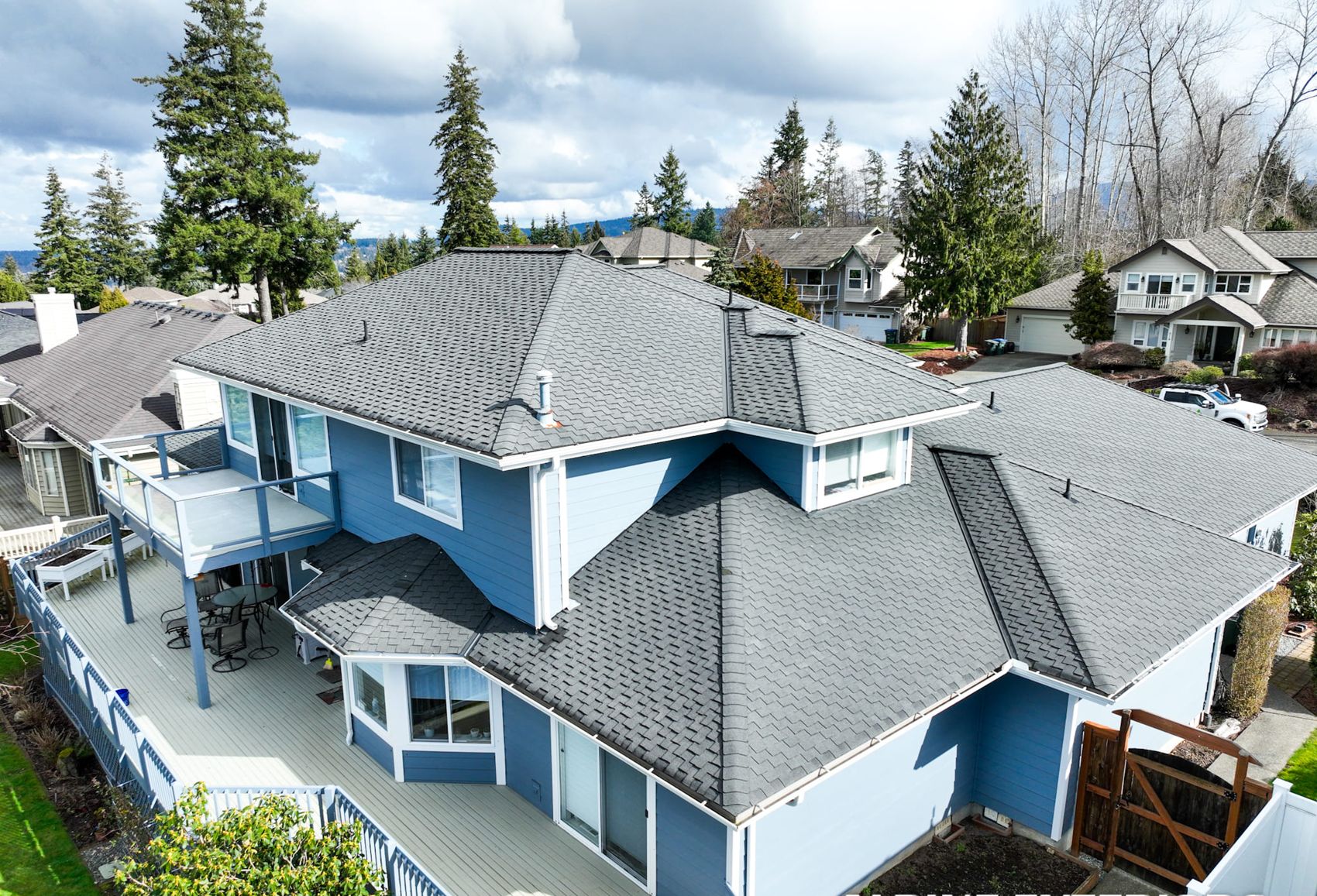
Crystal Springs sits in the rural, tree-shaded stretch of unincorporated Pasco County near Zephyrhills, where century-old oaks, spring-fed creeks, and a mix of older homesteads and newer rooftops share the same weather. That weather is the reason siding here wears differently than siding two states north. This checklist walks you through a homeowner-level inspection you can do from the ground and with a stable ladder, so you catch small problems before a summer storm or a humid August turns them into expensive ones.
Pasco County sits inside a hurricane-prone wind zone, and even when a storm's eye stays well offshore, Crystal Springs still gets outer-band gusts and hours of wind-driven rain. Siding here has to do two jobs at once: stay mechanically fastened against uplift and lateral pressure, and keep water from being forced sideways and upward under laps and around penetrations. A panel that looks fine in still air can still be loose enough to flutter and fatigue its fasteners in a 60-70 mph gust.
Then there's the humidity. Pasco County's inland location doesn't spare it from Florida's thick, near-constant moisture load, and that moisture doesn't just sit in the air — it condenses behind siding that has lost its ventilation gaps or been caulked shut in the wrong places. Combine that with shade from mature tree canopy in older Crystal Springs neighborhoods, and you get pockets that stay damp long after a storm has passed, which is exactly the environment mold, mildew, and wood rot need.
UV exposure is the third steady pressure. Florida's sun angle and clear-sky hours are intense for most of the year, and it degrades pigments and plastics in siding faster than in cooler, cloudier climates — fading color, and in vinyl, gradually making the material more brittle at the exact temperature swings a Florida day produces between a hot afternoon and an evening thunderstorm.
Termites are a year-round concern in this part of Florida, not a seasonal one, and Pasco County's soil and tree cover give subterranean termites plenty of cover to travel from ground to structure. Siding that overlaps the foundation too closely, or wood trim that stays wet against a sill plate, gives them an easy, hidden bridge. Finally, any siding installed or replaced on a home in Pasco County has to meet the wind-load and water-intrusion requirements of the Florida Building Code, and the specific products used must carry a valid Florida Product Approval for the wind zone and exposure category the home sits in. That paperwork matters again at resale and at insurance renewal, when many Florida carriers ask for a completed OIR-B1-1802 wind mitigation inspection form.
Not every failed item needs an emergency response, but none should sit untouched through a full rainy season. If you find loose or lifting panels, mark the location and, if it's safe and low enough to reach, temporarily reinforce or re-fasten the section before the next forecast storm — a piece of siding that comes loose in high wind can become a projectile and take other panels with it. Cracked caulk at seams and penetrations is usually a same-week fix with exterior-grade sealant rated for Florida's UV and humidity; cheap caulk fails again within a season, so it's worth using a quality product even for a stopgap repair.
Soft or spongy panels, staining that keeps returning after you clean it, or any mud tubes should not be patched over cosmetically. These point to moisture or termite activity already inside the wall assembly, and covering the surface symptom without addressing what's underneath usually costs more later, once the sheathing or framing is compromised. Document what you find with photos and dates — this record is useful both for a contractor estimate and, if the damage is storm-related, for an insurance claim.
Bring in a licensed contractor when you find sheathing softness, active termite signs, siding failure across more than a small section of wall, or any damage tied to a named storm. A professional inspection can also confirm whether your current siding and its fastening still meet the wind-load expectations for your specific wind zone and exposure — something that's hard to judge from the ground, especially on an older home where the original installation predates current product approval standards. Alpine Exteriors, licensed in Florida under RB29003900, performs these inspections across Tampa Bay, including Crystal Springs and the rest of Pasco County, and can tell you plainly whether you're looking at a spot repair, a partial re-side, or a full replacement — including what current Florida Building Code product approvals would apply if replacement is the right call. It's also worth having a professional look at your siding before or after completing the OIR-B1-1802 wind mitigation form, since documented, code-compliant siding and attachment details can affect that form's results and, in turn, your windstorm insurance premium.
A full walk-around twice a year is a reasonable baseline — once before hurricane season ramps up in early summer and once after it winds down in late fall — with a quicker visual check after any storm that produced sustained high winds or heavy rain at your property.
Light surface mildew can often be cleaned with a soft wash approach and an appropriate cleaner, but high-pressure washing can force water behind laps and seams or damage aging fasteners, so it's worth using low pressure and wide fan tips, and calling a professional if staining keeps returning despite cleaning.
Yes — siding installed or replaced in Pasco County has to comply with the Florida Building Code's wind-load requirements for your property's wind zone and exposure category, and the specific product used must carry a current Florida Product Approval covering that use.
The OIR-B1-1802 wind mitigation inspection form focuses mainly on roof shape, roof-to-wall connections, and opening protection rather than siding directly, but visible siding damage or poor attachment can still be noted during that inspection and may prompt further questions from your insurer.
A siding problem in Crystal Springs rarely announces itself loudly until a storm forces the issue. Working through this checklist twice a year gives you an honest read on where your home stands before wind, rain, or humidity make the decision for you. If anything on this list gives you pause, Alpine Exteriors serves Crystal Springs and the surrounding Pasco County and Tampa Bay area and can walk your property with you, explain what you're looking at in plain terms, and lay out real options and cost ranges — no pressure, just a clear picture of where your siding actually stands.