

If you own a home in Crystal Springs, an unincorporated part of Pasco County, your siding permit is issued by Pasco County Building Construction Services, not a city hall. Almost any full re-siding job triggers a permit because siding is treated as part of the building's weather envelope under the Florida Building Code, and the county wants proof the new material and its fastening pattern were engineered for local wind pressures before it goes on your walls.
Crystal Springs sits in unincorporated Pasco County, so there's no separate city building department to deal with — everything routes through the county's Building Construction Services division, which reviews plans, issues the permit, schedules inspections, and closes the job out. That's different from a few of the incorporated cities in the broader Tampa Bay service area, like Zephyrhills, which run their own permitting counters. If you're not sure whether an address is inside city limits or in the unincorporated county, that single detail changes who you call first.
The permit itself is triggered by scope, not price. A small patch to a few damaged panels after a storm may fall under a repair threshold that doesn't need a permit, but a full tear-off and re-side of the house — vinyl, fiber cement, engineered wood, or anything else — almost always does, because it involves removing and reinstalling a code-regulated exterior wall covering, and often exposes house wrap, sheathing, or trim that inspectors want a look at before it's covered back up. Pasco County also requires that the siding product itself carry a valid Florida Product Approval (or, less commonly for this market, a Miami-Dade Notice of Acceptance) showing it's been tested to resist the wind pressures assigned to the site. The permit application typically references that approval number, along with the manufacturer's installation instructions, since Florida law lets those instructions stand in for a full engineered wind-load calculation as long as they're followed to the letter — fastener spacing, starter strip detail, and all.
Once the permit is issued, expect at least one field inspection before the job is called done. Depending on how the scope is written up, that can be a single final inspection or a combination of an in-progress inspection (checking the house wrap, flashing at windows and doors, and the fastening pattern before panels go up) plus a final. Skipping that step isn't just a paperwork risk — it's the inspection record that later proves the work was done to code if there's ever an insurance claim or a sale.
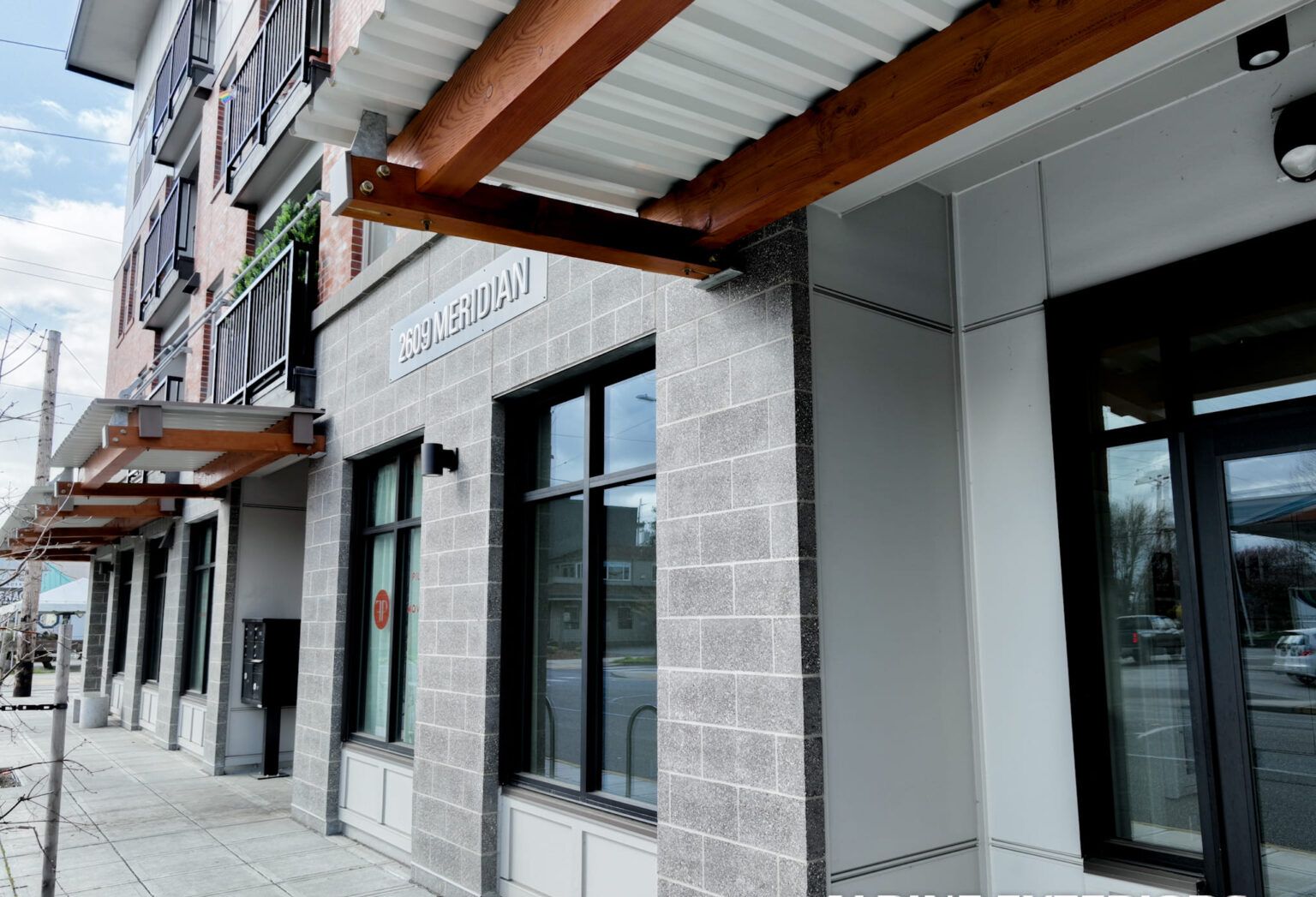
Pasco County sits well inside Florida's hurricane wind zone, and the Florida Building Code assigns every parcel an ultimate design wind speed that drives how siding has to be tested, fastened, and rated — this is not the kind of code you can substitute a generic national product for and hope it holds. Crystal Springs isn't in the High-Velocity Hurricane Zone that governs Miami-Dade and Broward, and being well inland from the Gulf, it's also typically outside the wind-borne debris region that forces impact-rated protection near the coastline. That's a meaningful difference from what our beachside customers deal with — but it doesn't mean the wind requirements go away. Every siding product installed here still has to carry a Florida Product Approval rated for the site's wind pressure, and the fastening schedule in the manufacturer's instructions is not optional trim, it's the thing that keeps panels on the wall in a summer storm.
Being inland also changes the failure modes worth worrying about. Crystal Springs doesn't get the salt-laden air that corrodes fasteners and trim near the Gulf beaches, so that particular wear pattern isn't the priority it would be closer to the coast. What does matter here is Central Florida's humidity and rain load: long, wet summers push moisture against every exterior wall for months at a time, and if house wrap, flashing, and weep details aren't installed correctly behind the new siding, that moisture finds its way into sheathing and framing where it feeds mold and wood rot largely out of sight. Florida's intense UV exposure is a second factor — siding colors and coatings that aren't rated for Florida sun fade and chalk faster here than they would further north, which is worth asking about before you commit to a material or color. And because this is termite country, any wood trim, fascia, or sheathing that gets exposed during a tear-off should be checked for termite damage before new siding closes it back up; covering damaged wood with new panels just hides a problem that gets more expensive over time.
Start by confirming the address is in unincorporated Pasco County (Crystal Springs generally is) so you know Pasco County Building Construction Services is the office of record rather than a nearby city. From there, the practical steps look like this:
Alpine Exteriors pulls permits under Florida contractor license RB29003900 for the siding work we install, and we build the product approval documentation and fastening schedule into the permit package up front rather than leaving it as a surprise mid-job. We also flag sheathing or trim issues as soon as the old siding is off the wall, so there are no late-stage surprises once inspection is scheduled.
It depends on scope. Small, localized repairs — a handful of storm-damaged panels, for example — can sometimes fall under a repair threshold that doesn't require a separate permit, while a full tear-off and re-side of the house almost always does because it's treated as replacing a regulated part of the building envelope. When the line isn't obvious, the safer move is to ask Pasco County Building Construction Services or your contractor before work starts, since starting unpermitted work that turns out to need one just adds delay and cost later.
Every site in Pasco County is assigned a design wind speed under the Florida Building Code, and siding products have to carry a Florida Product Approval rated for that pressure regardless of how far inland you are. What's different is that Crystal Springs, being well inland, is generally outside the wind-borne debris region that adds impact-protection requirements near the coast — so the wind-rating requirement still applies, it's just not layered with the coastal debris-impact rules that apply closer to the Gulf.
The wind mitigation inspection used for insurance discounts (documented on Florida's OIR-B1-1802 form) focuses mainly on the roof — roof covering, roof-to-wall connections, and opening protection — rather than wall siding, so a siding job on its own usually doesn't change that form. That said, it's worth mentioning any exterior work to your insurance agent when it's done, since a documented, permitted, code-compliant install is generally a better story to tell an insurer than undocumented work, even if it doesn't move the wind mitigation credit itself.
Timelines shift with the county's current review workload and how complete the submitted permit package is, so it's not something to pin to an exact number of days. A package that already includes the Florida Product Approval number, manufacturer installation instructions, and a clear scope of work tends to move through review faster than one that's missing documentation and gets kicked back for corrections. Alpine Exteriors builds that documentation into the submission from the start specifically to avoid the back-and-forth that slows a permit down.
If you're planning a siding replacement in Crystal Springs or anywhere else in the Tampa Bay area — Tampa, Wesley Chapel, Lutz, Land O' Lakes, New Port Richey, Plant City, or Zephyrhills — Alpine Exteriors can walk you through what your specific property will need before a single panel comes off the wall. Contact us for a consultation and we'll put together a permit-ready scope, the right Florida Product Approval documentation for your site's wind rating, and a straightforward inspection timeline, so the paperwork stays out of the way of getting your home protected.