
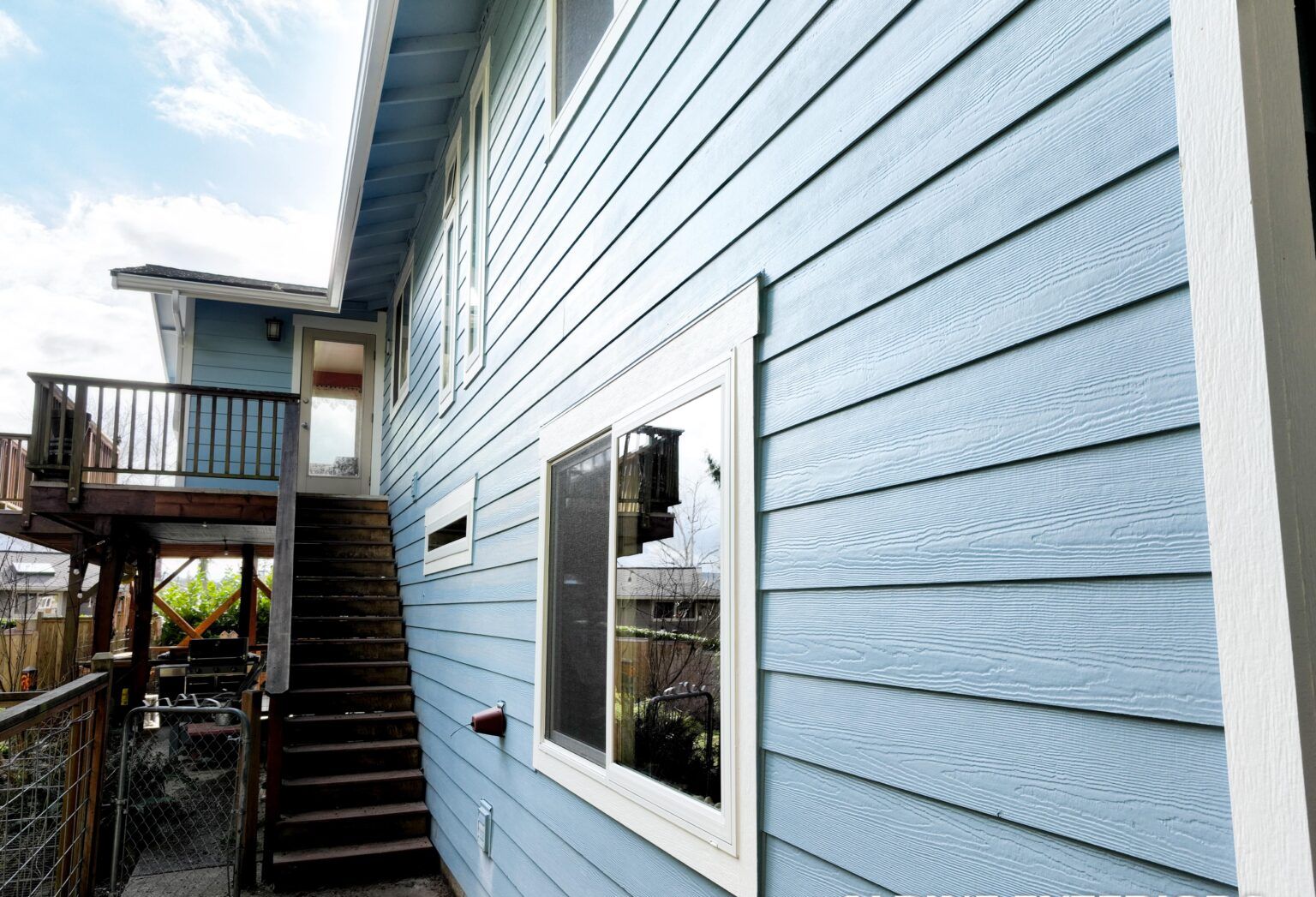
For most homeowners in the Tampa Bay area, composite siding is worth it — but only when it's the right composite product, carrying a current Florida Product Approval, installed by a crew that understands wind-driven rain and doesn't cut corners on flashing. It is not automatically the best choice for every house, and the honest answer depends on your budget, your home's sun and storm exposure, and how disciplined the installation is.
"Composite siding" gets used loosely, so it helps to be precise. It generally refers to engineered wood-fiber siding bonded with resins under heat and pressure (a different product from raw wood, and a different product from fiber cement, which is a cement-and-cellulose composite). Both categories get called "composite" in casual conversation, and both show up on Tampa Bay homes, so this guide treats them together while flagging where they diverge.
The case for composite starts with durability under moisture. Unlike solid wood siding, engineered wood composites are manufactured with resin binders that resist the swelling and warping raw lumber suffers when it cycles between soaked and bone-dry — which is exactly what happens here through a wet, humid summer followed by a dry, sun-baked fall. Composite also tends to hold paint and factory finishes longer than solid wood, since the substrate itself is more dimensionally stable, and it resists the kind of splitting that lets water and pests into a wall assembly. Fiber cement composite goes a step further: it's essentially inert to rot, and it doesn't feed termites at all, which matters in a region where subterranean and drywood termites are a routine part of home maintenance, not a rare event.
The case against composite is just as real. It costs more up front than vinyl — often by a meaningful margin — and it's heavier, which means the fastening schedule and the wall sheathing underneath both matter more than they would for a lighter product. Cut edges and field joints have to be sealed exactly the way the manufacturer specifies, because an unsealed edge is where an engineered wood composite is most vulnerable to moisture intrusion; skip that step and you can end up with edge swelling or delamination years before the siding should have failed. Composite also isn't maintenance-free the way some sales pitches imply — most products still need periodic repainting or recaulking on the schedule the manufacturer publishes, and skipping that schedule shortens the product's life. None of this makes composite a bad choice. It makes it a product that rewards a careful installer and punishes a careless one more than some alternatives do.
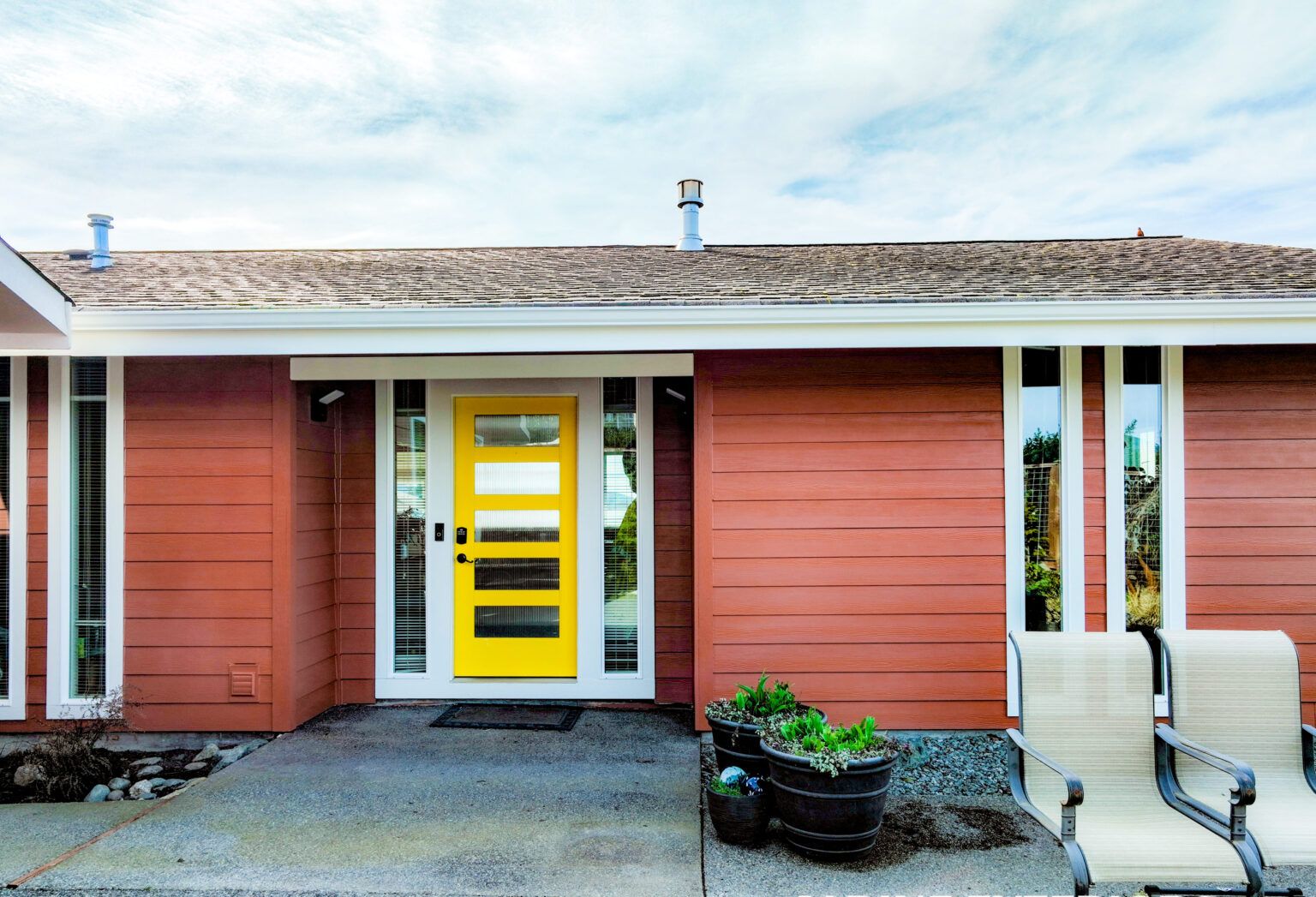
Siding decisions here can't be made on generic national advice, because several conditions specific to this part of Florida change what "good siding" actually means.
Put together, these conditions mean the same composite siding product can perform very differently on a shaded, inland Zephyrhills lot than on an exposed, coastal-adjacent New Port Richey lot facing prevailing storm winds. The product matters, but the site conditions and the installation matter just as much.
Rather than asking "is composite siding good," a more useful question is "is composite siding right for this house, in this location, installed this way." A few concrete steps make that judgment call much easier:
Alpine Exteriors walks Tampa Bay homeowners through this comparison honestly, including telling a homeowner when composite isn't the best fit for their particular home — that's a more useful conversation than a generic sales pitch for one material.
Composite siding — especially fiber cement composite — typically costs more per square foot than vinyl, both in material and installation labor, since it's heavier and requires more careful fastening and finishing. The exact gap depends on the specific product line, the size and complexity of your home, and how much prep work the existing walls need, so it's worth getting a written range from an inspection rather than relying on a rough per-square-foot rule of thumb.
A composite siding product carrying a valid Florida Product Approval for your county's wind speed requirements is engineered and tested to perform in high-wind conditions, but the siding is only one part of the system — proper fastening schedule, correctly lapped house wrap, and sealed flashing around openings determine whether wind-driven rain stays out during a tropical system as much as the siding material does. No exterior product is storm-proof, but a properly specified and properly installed composite system is built to the same wind standards the Florida Building Code requires for your area.
Fiber cement composite is essentially inert to both termites and rot, which is one of its strongest advantages in a region where subterranean termites are active nearly year-round. Engineered wood composite is more termite-resistant than raw solid wood thanks to its resin binders, but it still relies on correctly sealed edges and a properly ventilated wall assembly to keep moisture — and the mold pressure that comes with it — from becoming a problem over time.
Manufacturer warranties on quality composite products commonly run several decades, but real-world lifespan in this climate depends heavily on maintenance: staying on the recommended repainting or recaulking schedule, keeping gutters and drainage working so water doesn't sit against the base of the siding, and addressing any impact damage from storm debris promptly. A well-installed composite system that's maintained on schedule regularly outlasts a poorly installed or neglected one by a wide margin, regardless of the product's rated lifespan.
If you're weighing composite siding against the alternatives for a home in Tampa, Wesley Chapel, Lutz, Land O' Lakes, New Port Richey, Plant City, or Zephyrhills, Alpine Exteriors (FL license RB29003900) can walk your specific property, review your wind mitigation report, and give you a straight answer on what actually makes sense for your house — including when a different material is the better fit. Reach out for an on-site evaluation before you commit to a product.