
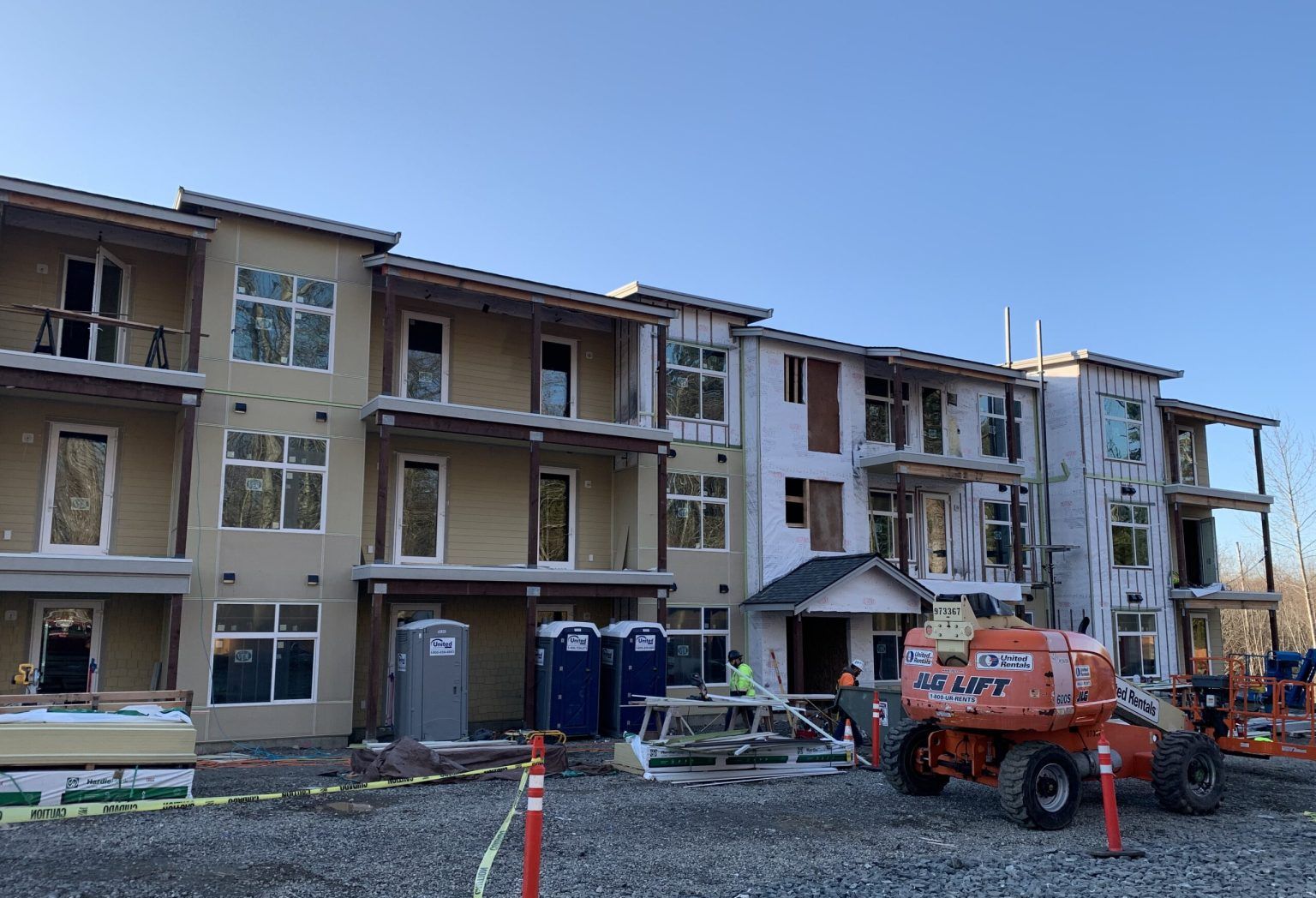
Bayonet Point sits close enough to the Gulf that its homes take on a particular mix of stress: salt-tinged air drifting in off the water, thick summer humidity that never really lets up, intense subtropical UV, and the seasonal risk of tropical storm or hurricane winds driving rain sideways into every seam and joint. Siding here is doing more work than siding almost anywhere else in the country, and when it starts to fail, the signs are often subtle at first — a little buckling here, a faint stain there — before they turn into a real moisture problem behind the wall. This page walks through what to look for, what's actually causing it in this part of Pasco County, and how to tell the difference between a cosmetic issue and one that needs attention now.
If you stand at the corner of the house and sight down a wall, siding that's failing often shows a visible wave instead of a flat plane. Vinyl siding is designed to expand and contract with temperature, and it's installed with room to move — but Bayonet Point's swing from cool winter mornings to blistering, humid summer afternoons is wider and more frequent than the panel's fastening tolerance really wants. If a previous installer nailed panels too tightly, or if a panel was reinstalled after storm damage without leaving the proper clearance, that panel will buckle the first time it heats up in direct sun. Fiber cement doesn't buckle the same way, but it can bow or cup if it absorbed moisture at the edges and dried unevenly. Either way, buckling is rarely a one-time cosmetic flaw — it's usually a sign the installation didn't account for how this climate actually behaves.
Cracks tend to show up first at panel edges, around window and door trim, or wherever a panel got nicked by a lawn trimmer or a falling branch. Florida's UV exposure is intense and constant for most of the year, and it slowly breaks down the plasticizers in vinyl siding, making older panels more brittle than they were when installed. A panel that might have flexed and survived an impact ten years ago can shatter or split from the same bump today. Small cracks let wind-driven rain track behind the panel during a storm, so what looks like a minor cosmetic flaw can become an entry point for water.
Press gently on the wall near the bottom of the siding, around hose bibs, or beneath window sills. If it gives more than it should, or feels spongy instead of solid, water has likely been getting behind the siding and softening the wood sheathing or framing underneath. This is one of the more serious signs on this list, because by the time you can feel it from the outside, the damage has usually been progressing for a while. In this region, hidden moisture behind siding doesn't just rot wood — it creates ideal conditions for termites, which are active in Pasco County year-round and are drawn to softened, moisture-damaged wood far more than to sound material.
A greenish-black film on the north side of the house, streaking below window ledges, or stubborn dark patches that come back within weeks of a wash are almost always mold, mildew, or algae, not dirt. Tampa Bay's humidity keeps siding surfaces damp longer after rain than drier climates ever would, and that moisture combined with warmth is exactly what mold and algae need to establish themselves. Some staining is purely surface-level and cleans off with a soft wash. But if the same section keeps staining faster than the rest of the house, it can mean water is pooling there — behind a poorly lapped panel, under a failed caulk joint, or at a spot where the drainage plane behind the siding has been compromised.
After any named storm or even a strong afternoon thunderstorm with sustained gusts, it's worth a walk around the house to look for panels that have popped loose, corners that have lifted, or trim that's pulled away from the fascia. Siding rated for wind resistance is tested and labeled under Florida Product Approval, and it's supposed to stay locked to the wall up to its rated wind speed. But fasteners loosen over time, old caulk fails, and a panel that was already marginal can be the first thing to go in the next event. Even a small gap is a problem in this climate, because wind-driven rain doesn't need much of an opening to get behind the wall.
Rub your hand across the siding — if it comes away with a light, powdery residue, the surface is chalking, which is a normal aging process accelerated by strong, near-year-round sun exposure. On its own, chalking and fading are cosmetic rather than structural, but they're a useful clock: siding that's visibly worn on the outside is also the siding that's had the most years to accumulate the small failures — loosened seams, brittle spots, worn caulk — that matter more.
Bayonet Point's proximity to the Gulf means homes here get more airborne salt exposure than sites farther inland, and salt accelerates corrosion of standard fasteners, flashing, and any exposed metal trim. Rust streaks bleeding down from nail heads or J-channel are a sign the fastener itself is degrading, which weakens its grip on the panel over time — a quiet contributor to the loose-panel problem above.
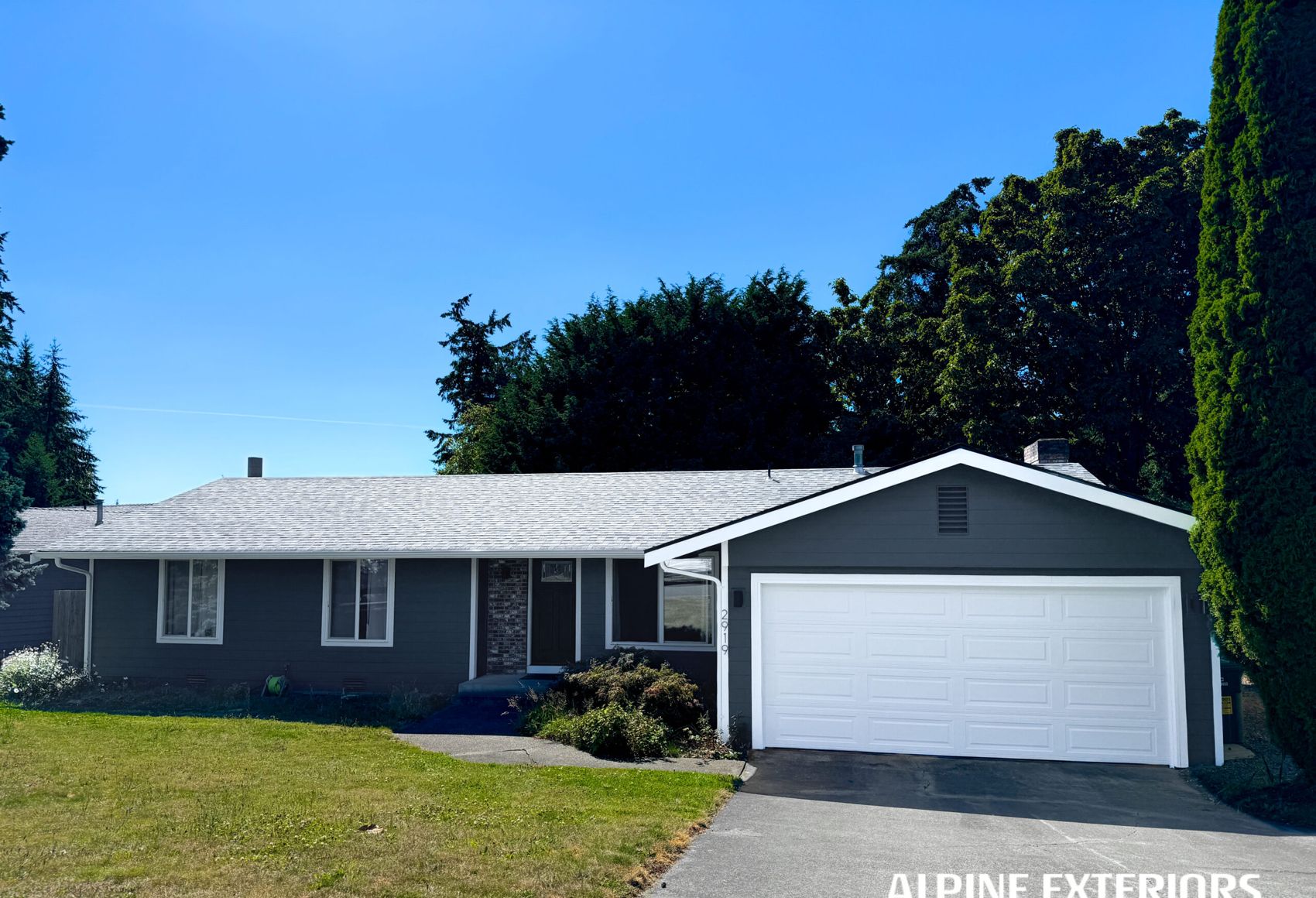
Not every sign on this list means an emergency, and it's worth being honest about that instead of pushing every homeowner toward an immediate full replacement.
Address soon, or before the next storm season: soft or spongy wall sections, visible gaps or missing panels, and cracks that expose the underlying wall — these let water in, and once water is getting behind siding in this humidity, the damage accelerates. If a wind event is forecast and you already know a panel is loose, that's worth a same-week call rather than waiting.
Can be scheduled rather than rushed: chalking, fading, mild surface staining that responds to washing, and small hairline cracks that don't go all the way through the panel. These are worth tracking and fixing on a normal timeline — during a routine exterior check, when scheduling other work, or as part of planning a longer-term siding replacement — but they don't typically require an emergency visit.
The judgment call in the middle is buckling and rust-streaked fasteners. Neither is an emergency by itself, but both tend to get worse rather than better, and both are worth a professional look before hurricane season peaks rather than after.
Start with a visual walk around the entire house, not just the side you notice most — north and west walls often show mold and staining first, while south and west walls take the worst UV fading. Photograph anything that looks off, note the date, and if the home has ever had a wind mitigation inspection for insurance purposes (the OIR-B1-1802 form), keep it handy, since it documents the siding and roof-to-wall connections that were in place at that inspection and can be a useful comparison point.
From there, a professional inspection is the most reliable way to tell cosmetic wear from a real moisture problem, because soft spots and hidden rot aren't always visible from the ground. Alpine Exteriors inspects Bayonet Point homes for exactly these signs — checking not just the panels themselves but the flashing, caulk joints, and fastening behind them — and can tell you honestly whether a section needs spot repair, a partial re-side, or a full replacement. Repairs to a small number of damaged panels typically run in the low hundreds of dollars per section depending on access and matching the existing product; a full re-side of an average Bayonet Point home is a much larger investment, generally landing in the range of several thousand to the low tens of thousands of dollars depending on square footage, material choice, and how much of the underlying sheathing needs to be addressed. Any replacement or major repair on a home in this area should use products carrying current Florida Product Approval for the local wind zone, and the work itself needs to meet the Florida Building Code — that's not optional paperwork, it's what keeps the siding performing the way it's rated to during the next storm.
Surface algae and mildew usually wipe or wash off with a gentle cleaning and don't come back for months; if a stain returns within a few weeks in the same spot, or if the area around it feels soft when pressed, that's a sign moisture is getting behind the panel rather than just sitting on top of it, and it's worth having someone take a closer look.
Not directly, but indirectly, yes. Termites are drawn to damp, softened wood, so if siding has been failing long enough to let water reach the sheathing or framing behind it, that moisture-damaged wood becomes far more attractive to termites than the surrounding dry material, which is one reason soft spots shouldn't sit unaddressed.
Yes — any siding installed or replaced in Pasco County needs to comply with the Florida Building Code and use products with valid Florida Product Approval for the applicable wind speed zone. This matters both for how the siding performs in a storm and for insurance purposes, since wind mitigation documentation (OIR-B1-1802) can reflect what's installed on the home.
It depends on how localized the damage is and how old the existing siding is. A handful of cracked or storm-damaged panels on newer siding is often a straightforward spot repair, especially if matching material is still available. Widespread buckling, chalking, and multiple soft spots on older siding usually point toward replacement being the more practical long-term choice, since patchwork repairs on aging material tend to be a short-term fix rather than a lasting one.
If your Bayonet Point home is showing any of these signs, it's worth getting a straight answer about what's actually happening behind the siding before the next humid season or storm makes the problem bigger. Alpine Exteriors, Florida licensed contractor RB29003900, inspects and repairs siding throughout Tampa Bay, including Bayonet Point, New Port Richey, and the surrounding communities, and can walk your property with you to point out exactly what needs attention now versus what can be scheduled later. Reach out for an inspection and a clear, no-pressure explanation of your options.