
For most Tampa Bay homeowners, Hardie fiber cement siding is worth the investment if the house will stay in the family for more than five to seven years and the budget can absorb a higher upfront cost than vinyl. It is not automatically the right call for every house, every budget, or every timeline, and the honest answer depends on how long you plan to own the home, what your current siding is failing at, and how much you value not thinking about siding again for a couple of decades.
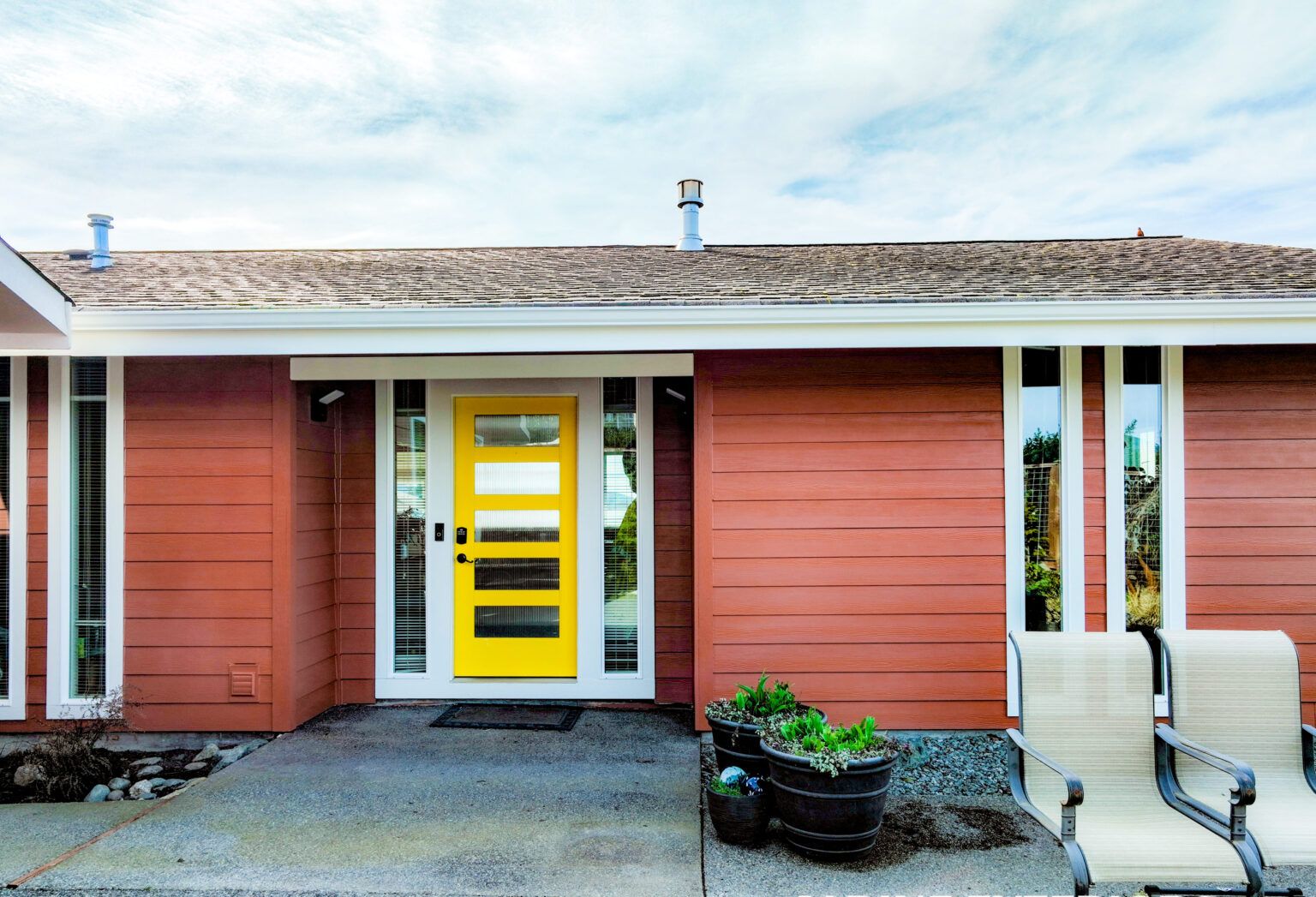
Hardie panel and lap siding is a fiber cement product made from sand, cement, and cellulose fibers, pressed and cured into planks or panels. It does not rot, it does not feed termites, and it holds paint far longer than wood because it does not expand and contract with moisture the way wood does. In a climate that alternates between soaking afternoon storms and long stretches of intense sun, that dimensional stability matters more than it does in drier parts of the country. Vinyl siding is cheaper to install and lighter to work with, but it softens and can warp under sustained heat, and it flexes enough in high wind that seams and corners are more prone to failure over time. Wood siding looks good on day one, but Florida's humidity and termite pressure mean ongoing maintenance costs that most homeowners underestimate when they're comparing sticker prices.
The tradeoffs are real, though. Hardie siding costs more per square foot than vinyl, both in material and in labor, because it's heavier, requires specific fasteners and clearances, and takes a crew that knows what they're doing to install correctly. It also needs to be painted (factory-finished ColorPlus products reduce this but don't eliminate it forever), and a bad paint job or wrong caulking will shorten its effective life even though the panel itself is durable. It's also worth saying plainly: fiber cement is not indestructible. It can crack under serious impact, and improperly flashed or improperly gapped installations are the single biggest reason Hardie siding underperforms its reputation in this region. The product is only as good as the installation behind it.
Tampa Bay's climate and building environment change the math on siding choices in a few specific ways. First, wind load. Homes in Hillsborough and Pasco counties, including Tampa, Wesley Chapel, Lutz, Land O' Lakes, New Port Richey, Plant City, and Zephyrhills, fall under the Florida Building Code, and siding products installed here need to carry a valid Florida Product Approval rating for wind resistance appropriate to the site's exposure category. This isn't paperwork for its own sake. Wind-driven rain during a tropical system finds every gap in a siding system, and the fastening pattern, panel overlap, and flashing details that meet code are what keep water from getting behind the cladding and into the wall assembly during a real event, not just a light rain.
Second, humidity and mold pressure. This region runs high humidity for most of the year, and any siding system that traps moisture against the wall sheathing creates a mold and wood-rot risk behind the cladding, even if the siding itself looks fine from the street. Fiber cement doesn't feed mold the way wood does, but the house wrap, flashing, and drainage plane behind it still have to be installed correctly, because that's what actually manages the moisture, not the siding material alone.
Third, UV exposure. Central Florida gets a lot of direct, intense sun, and darker paint colors on any siding material will fade and chalk faster here than in a milder climate. This is a real consideration when choosing a factory finish versus a field-applied paint, since factory ColorPlus finishes are engineered to hold color longer under this kind of sun exposure than a standard field paint job.
Fourth, termites. Subterranean and drywood termites are a routine pressure across Hillsborough and Pasco counties, and any wood-based siding or trim gives them something to work on. Fiber cement removes that food source entirely for the siding field, though trim, fascia, and soffit details still need attention if they're wood-based.
Fifth, for homes closer to the Gulf side of this service area, including parts of New Port Richey, salt-laden air accelerates corrosion on fasteners and trim hardware faster than it does further inland. That doesn't rule out any siding choice, but it does mean fastener selection and flashing metal matter more the closer a home sits to the coast.
Before deciding on Hardie panel siding, or any siding replacement, there are a few concrete steps that matter more than comparing brand names.
Alpine Exteriors walks Tampa Bay homeowners through this exact process, inspecting the existing siding and wall assembly, explaining what code requires for the specific address, and giving a straight answer about whether Hardie is the right fit or whether another system makes more sense for that particular house and budget.
Fiber cement generally runs higher than vinyl on both material and installation cost, since it's heavier and requires more specialized labor and fasteners. Exact numbers vary by house size, trim complexity, and how much sheathing repair is needed underneath, so a firm range is best gotten from an in-person quote rather than a per-square-foot estimate found online.
Factory-finished ColorPlus products come pre-painted and are engineered to hold color longer under intense UV exposure than a field-applied paint job, but no exterior finish lasts forever in this climate. Field-painted fiber cement, or a factory finish well past its service life, will need repainting on a schedule similar to other painted exterior surfaces in Central Florida, with darker colors typically showing fade sooner than lighter ones.
When installed to the manufacturer's specifications with the correct Florida Product Approval-rated fastening pattern for the home's wind zone, fiber cement siding is designed to perform well under Florida Building Code wind requirements. The installation details, correct fastener spacing, panel overlap, and flashing at penetrations, matter as much as the product rating itself, since a code-compliant product installed incorrectly won't perform the way its approval rating suggests.
Fiber cement itself resists moisture and doesn't corrode, which suits salt-air exposure well, but the fasteners, flashing metal, and trim hardware need to be selected for that environment specifically. A home in New Port Richey closer to the coast should have corrosion-resistant fasteners and flashing specified in the job, which is a detail worth confirming with any contractor before work starts.
Every house in Tampa, Wesley Chapel, Lutz, Land O' Lakes, New Port Richey, Plant City, and Zephyrhills carries its own mix of sun exposure, wind zone, and existing wall condition, and that mix is what actually determines whether Hardie siding is worth it for a specific address. Alpine Exteriors, Florida contractor license RB29003900, offers on-site inspections across Tampa Bay and will give a direct assessment of what's happening behind the current siding, what the Florida Building Code requires for the property, and whether fiber cement, vinyl, or another system is the better fit before any commitment is made.