
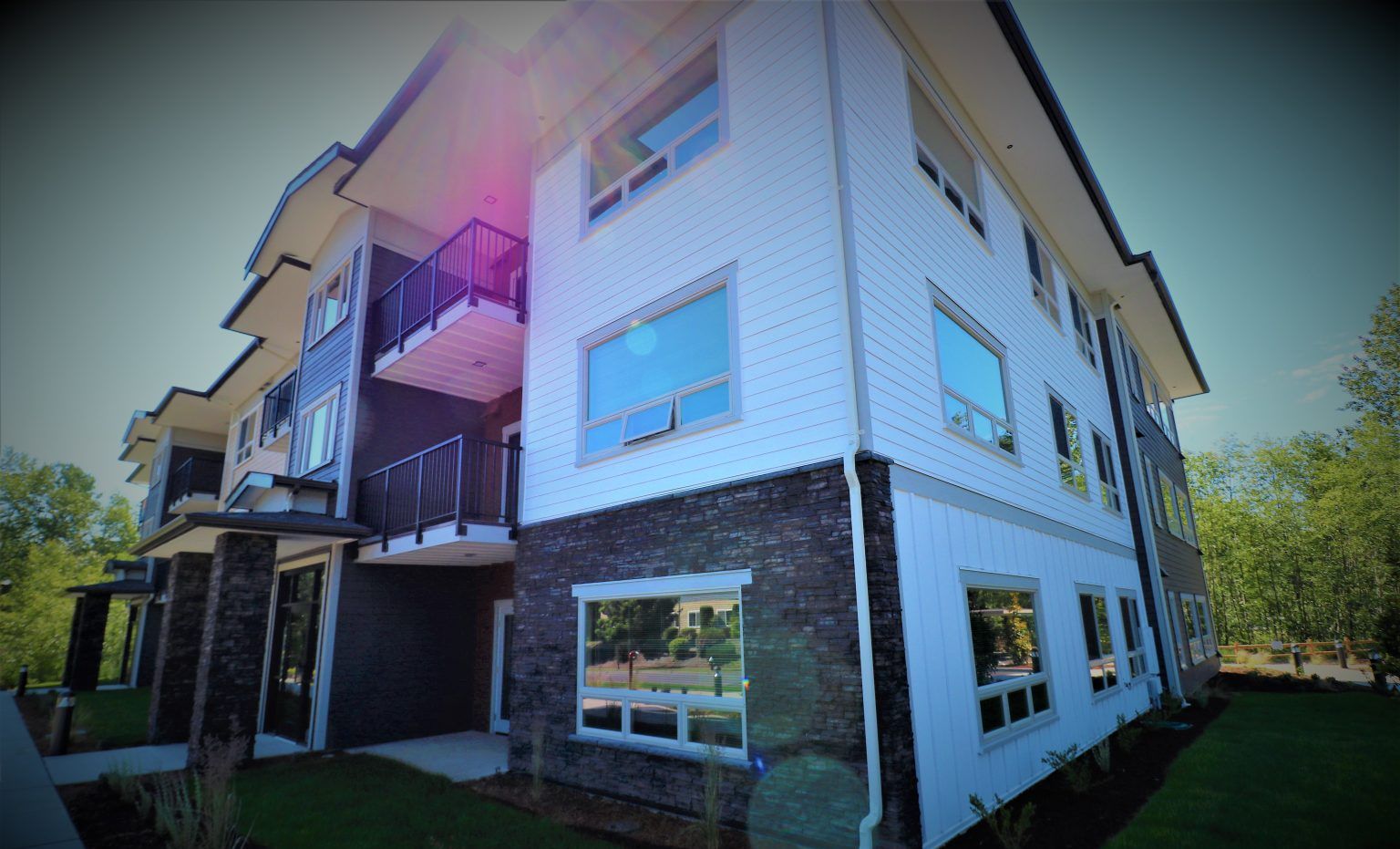
For most Tampa Bay homeowners, cedar lap siding is a beautiful material with real maintenance and durability trade-offs that fiber cement or engineered wood siding don't carry in this climate. It can absolutely be worth it if you go in with clear eyes about the upkeep, but it is not the low-effort, install-and-forget choice that some other siding types are here.
That's not a knock on cedar. It's a genuinely attractive, warm-looking wood with a long track record on homes all over the country. The issue isn't the wood itself — it's what Tampa Bay's climate does to any wood product left exposed to it, and whether you, as the homeowner, are willing to stay ahead of that. We install and repair cedar siding for clients throughout the area, and we'd rather talk someone out of it up front than sell it to them and watch it struggle five years later.
Cedar has some genuine advantages that explain why people keep asking about it. It's a natural, renewable material with a grain and depth that manufactured products still try to imitate. It takes stain well, it's relatively light, and a well-built cedar lap wall has a warmth to it that reads as custom, not production-built. Cedar also has natural extractives that give it some inherent resistance to decay and insects compared to many other softwoods, which is part of why it's been a popular siding choice historically.
Here's where the honesty comes in. "Some resistance" is not the same as "no risk," and that distinction matters a lot more in West Central Florida than it does in a drier, cooler climate. Cedar is still a permeable, organic material. It absorbs and releases moisture as humidity swings, and every time it does, the wood expands and contracts. Over years, that cycling stresses the finish coat, opens hairline checks in the grain, and creates entry points for moisture to get behind the board. Add intense, near year-round UV exposure and that finish breaks down faster than it would in a milder climate — stain and clear coats on cedar in this region typically need refreshing more often than the can's label might suggest if the wall gets significant sun.
The other honest drawback is cost of ownership, not just installation cost. Cedar lap siding is usually more expensive to install than fiber cement in this market, and then it asks for ongoing attention: periodic re-staining or re-sealing, prompt caulk repair, and vigilance about anything that traps moisture against the wall — mulch beds piled too high, sprinklers hitting the siding, gutters that overflow onto a wall section. Skip that maintenance for a few years in a row here and you're not looking at cosmetic fading, you're looking at soft spots, cupping boards, and potential rot that has to be cut out and replaced.

A lot of siding advice written for the rest of the country just doesn't translate to Hillsborough and Pasco County conditions, so it's worth being specific about what's actually working against a wood product here.
None of this means cedar can't be done right in Tampa Bay — it means it has to be done deliberately, with materials, fasteners, and finish schedules chosen for this climate specifically, not for a catalog photo shot somewhere in the Pacific Northwest.
If you're set on cedar, or just seriously weighing it, a few practical steps make the difference between a wall that ages gracefully and one that becomes a recurring repair line item.
Alpine Exteriors installs and repairs siding across Tampa, Wesley Chapel, Lutz, Land O' Lakes, New Port Richey, Plant City, and Zephyrhills, and part of that job is telling homeowners plainly when a material is a good fit for their specific home and when it isn't. Cedar is right for some houses and some homeowners in this region — it's not right for someone who wants to never think about their siding again.
Cedar lap can be installed to meet Florida Building Code wind requirements and carry current Florida Product Approval for the applicable wind zone, but the material itself isn't what stops wind-driven rain — the flashing, house wrap, and fastening detail behind and around it is. A correctly installed cedar wall performs reasonably well through storm season; a poorly flashed one is a likely source of water intrusion regardless of how good the wood looks.
It varies by exposure — a shaded, covered wall can go longer between coats than a south- or west-facing wall taking direct Florida sun most of the day. Rather than relying on a generic interval, it's more reliable to inspect the finish a couple of times a year, especially after summer, and re-coat as soon as the finish starts to look dull, chalky, or thin rather than waiting for the wood underneath to gray or crack.
Cedar has better natural resistance to insects than many softwoods, but it isn't termite-proof, and subterranean and drywood termites are both active in this region. The real risk factor is moisture — wood siding kept damp near grade, behind overgrown landscaping, or under a failing finish is far more attractive to termites than a dry, well-maintained wall, so moisture control matters as much as the species of wood.
Fiber cement lap siding and some engineered wood products are made to mimic cedar's grain and profile while resisting moisture, rot, and termites far better in a humid climate, and they generally hold paint or factory finish longer between recoats. Many Tampa Bay homeowners land on a hybrid approach — fiber cement on the bulk of the house with real cedar reserved for an entry feature, gable, or porch ceiling where it's more protected and gets seen up close.
If you're weighing cedar against fiber cement or another siding option for a home in Tampa, Wesley Chapel, Lutz, Land O' Lakes, New Port Richey, Plant City, or Zephyrhills, Alpine Exteriors can walk your specific house — sun exposure, roofline, drainage, and all — and give you a straight recommendation, not a sales pitch for whatever's easiest to install. Alpine Exteriors is licensed in Florida under RB29003900. Reach out to schedule a walkthrough and get an honest read on whether cedar is the right call for your home.