
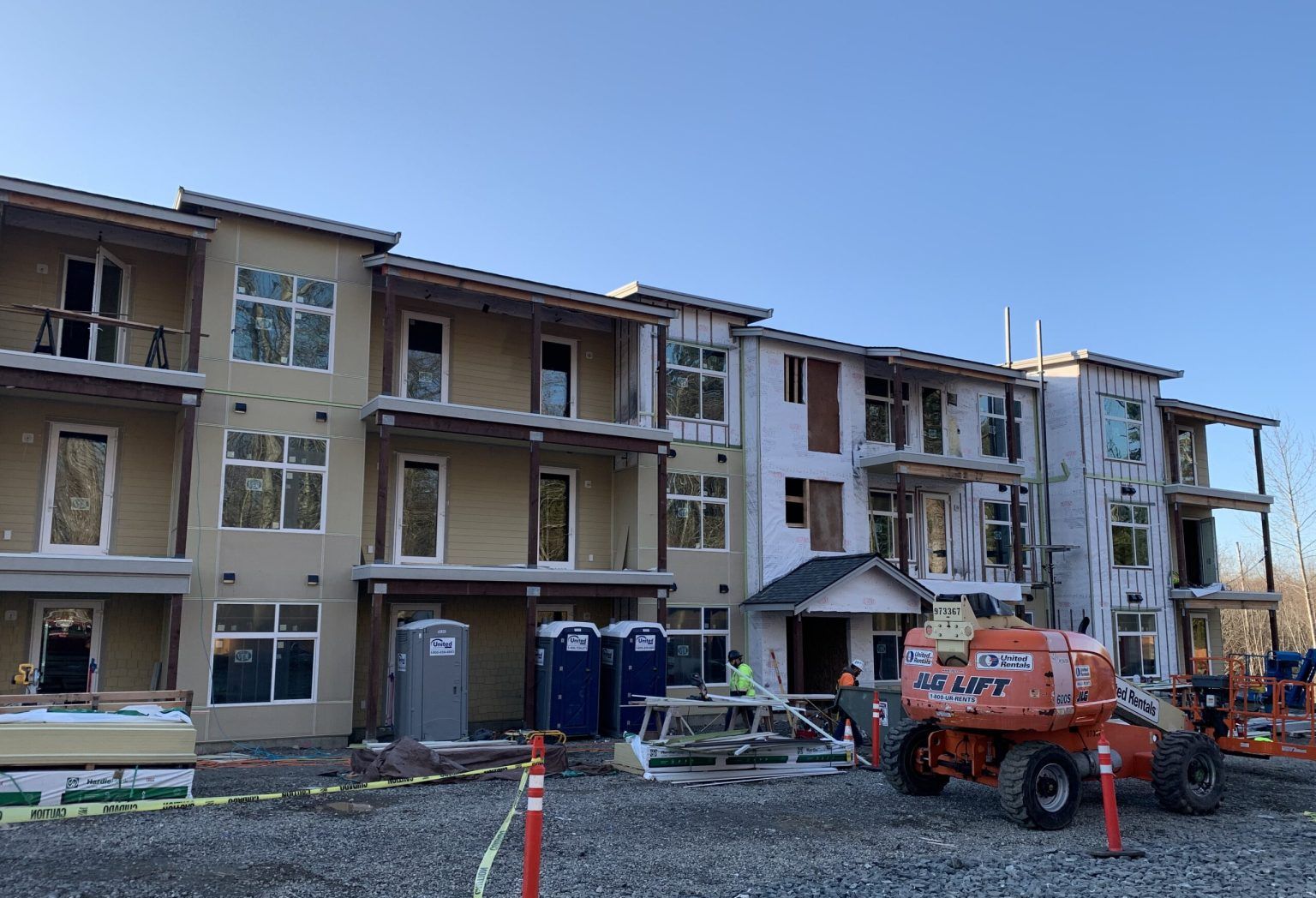
Zephyrhills sits inland from Tampa Bay, but that doesn't shield homes here from the pressures that wear siding down. Summers bring long stretches of intense UV exposure, afternoon thunderstorms with wind-driven rain, and humidity that rarely lets up, even overnight. Hurricane season adds sustained wind loads and gusts that test every fastener and seam. Add Pasco County's active termite pressure, and it's easy to see why siding on a Zephyrhills home can start failing years before a homeowner expects it to. The trouble is that early failure doesn't always look dramatic. It often shows up as a faint ripple in a panel, a hairline gap at a corner, or a musty smell that wasn't there last year. Knowing what to look for, and understanding which signs mean "call someone this week" versus "keep an eye on it," can save a homeowner from a much larger repair bill down the road. This guide walks through the warning signs that matter most in this climate, what typically causes each one here, and how to decide what to do next.
Siding that has a visible wave or ripple, particularly noticeable when the sun hits it at an angle, is usually a sign that the panel has expanded and contracted more than it was designed to handle, or that it was fastened too tightly during installation and has nowhere to move. Central Florida's daily swing between intense midday heat and cooler, humid evenings puts constant stress on siding materials. Vinyl siding is especially prone to this if it was face-nailed rather than hung to allow for expansion, a common installation shortcut that becomes obvious after a summer or two in this climate. Fiber cement and engineered wood products can also buckle if moisture gets behind them and the substrate starts to swell.
Gaps that open up where panels meet, at corner posts, or around window and door trim are a direct path for wind-driven rain to get behind the siding. Tampa Bay's summer storms rarely fall straight down; gusty, sideways rain during a thunderstorm or tropical system will find any gap and push water behind the cladding, where it can soak sheathing and framing long before a homeowner notices a problem on the interior. Gaps often start small, from a fastener that has backed out or a sealant joint that has dried out under UV exposure, and widen as wind events repeatedly flex the wall assembly.
Vinyl and some composite sidings can become brittle after years of intense Florida sun. UV breaks down the plasticizers in vinyl over time, and a panel that once flexed without issue can crack from something as minor as a stray baseball or a ladder leaned against the wall. Cracked panels are more than a cosmetic problem in this region because every crack is a new entry point for wind-driven rain during a storm. Fiber cement can crack too, usually from impact or from being fastened without enough clearance for normal movement, and painted wood trim can split as it dries and re-wets repeatedly through Florida's humidity cycles.
If pressing a palm against the siding produces any give, spring, or a spongy feel, there's a strong chance moisture has been getting behind the cladding long enough to soften the wall sheathing or framing underneath. This is one of the more serious signs on this list because by the time it's noticeable to the touch, the damage usually extends past the siding itself. High humidity accelerates this process; wood-based sheathing that stays damp for extended periods in a hot, humid climate can begin to break down well before it would in a drier region.
Some surface mildew on north-facing or shaded siding is common in Florida and often just needs a routine wash. The concerning version is staining that reappears within a few weeks of cleaning, or streaking that shows up in a consistent pattern near seams, fastener heads, or panel bottoms. That pattern usually means moisture is getting trapped somewhere in the wall assembly rather than just sitting on the surface, and the humidity and warmth typical of a Zephyrhills summer give mold and mildew everything they need to establish quickly once there's a moisture source to feed on.
Pasco County sees regular activity from both subterranean and drywood termites, and siding failure and termite damage often get discovered together because damp, deteriorating wood is an easy target. Pencil-sized holes, thin mud tubes running up a foundation wall, or fine sawdust-like frass near the bottom of exterior walls are all signs worth investigating quickly. Termites don't cause siding to fail on their own, but they take advantage of wood that has already been softened by trapped moisture, which is why this sign so often shows up alongside one of the others on this list.
Some fading and light chalking is normal for painted siding and trim exposed to Florida's UV levels year-round. What's not normal is paint that bubbles, peels in sheets, or chalks so heavily that a hand comes away coated after a light touch. Bubbling and peeling usually point to moisture pushing out from behind the surface, while heavy chalking on an otherwise intact finish is more often just a sign that a repaint or refinish is due. Telling the two apart matters, because one is cosmetic and the other is a symptom of a moisture problem underneath.
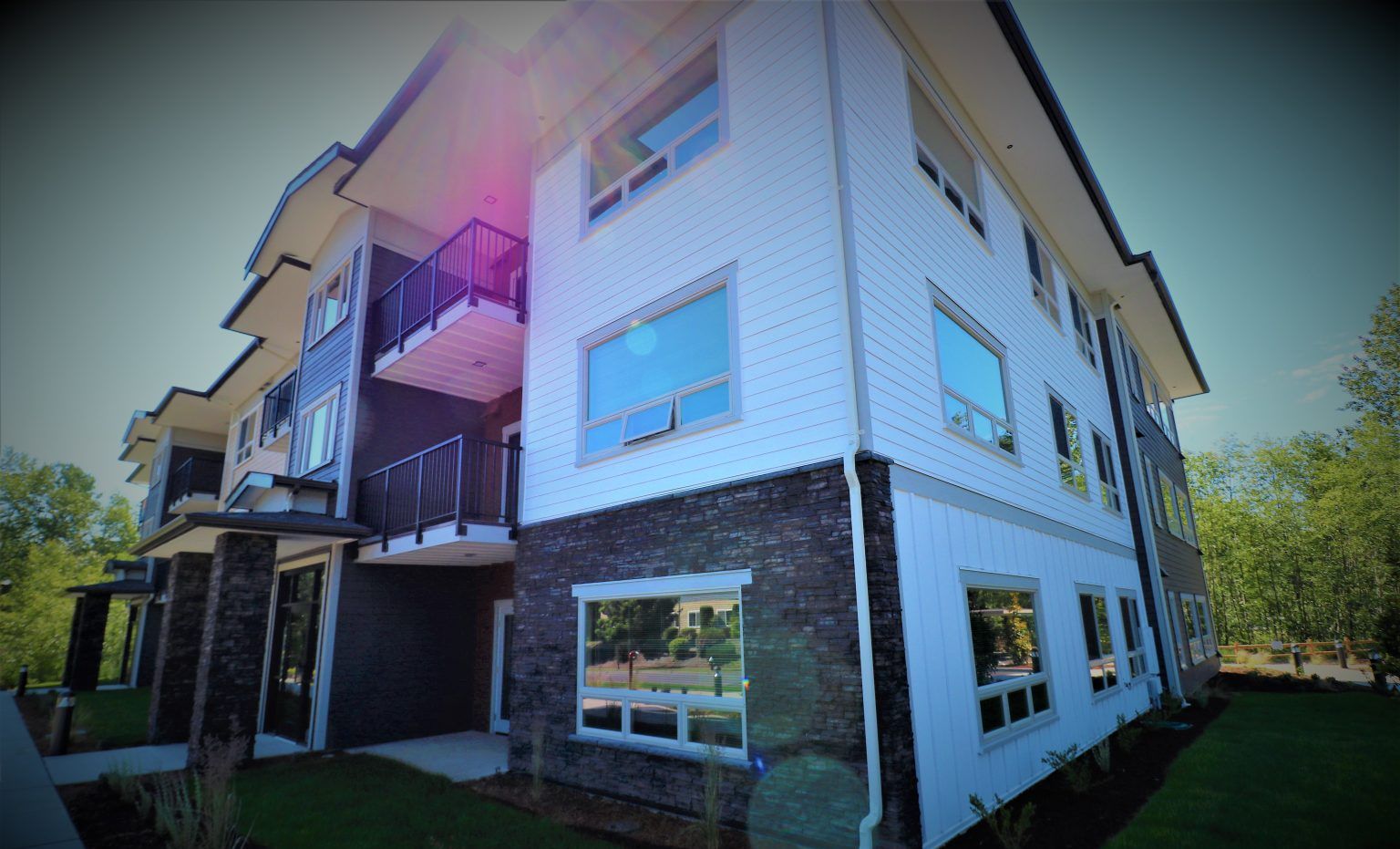
Not every item on this list needs an emergency call. Some issues are worth monitoring and scheduling for routine maintenance, while others should be looked at before the next round of storms or the next hurricane season. The table below is a general guide, not a diagnosis; a soft spot that seems minor can turn out to be extensive once opened up, and a small gap can turn out to be nothing more than a missing dab of sealant.
| Sign | Urgency | Why |
|---|---|---|
| Soft or spongy wall sections | Urgent | Likely active moisture damage to sheathing or framing behind the siding |
| Termite tubes, holes, or frass | Urgent | Active infestation risk that can spread and worsen structural damage |
| Wide or growing gaps before storm season | Urgent to time-sensitive | Direct path for wind-driven rain during the next thunderstorm or tropical system |
| Recurring mold or dark streaking | Time-sensitive | Points to trapped moisture that will keep spreading if not traced and stopped |
| Cracked or brittle panels, small in number | Can schedule | Localized entry points that should be repaired but rarely need an emergency visit |
| Mild waviness or rippling | Can monitor | Often cosmetic; worth tracking to see if it's worsening season to season |
| Light chalking on painted surfaces | Routine maintenance | Normal UV wear; addressed with cleaning or a scheduled repaint |
If any of the urgent or time-sensitive signs above sound familiar, the most useful first step is a hands-on inspection rather than guessing from the ground. A siding contractor who works in this climate will check not just the visible surface but also probe suspect areas, look at flashing and trim details, and check whether the substrate behind the siding has been compromised.
Alpine Exteriors serves Zephyrhills as part of its Tampa Bay coverage area, which also includes Tampa, Wesley Chapel, Lutz, Land O' Lakes, New Port Richey, and Plant City, and inspects siding with these regional pressures in mind rather than applying a generic checklist. The company holds Florida contractor license RB29003900, and can walk through whether a repair is enough or whether the underlying damage points to a larger project. It's worth being upfront that a full re-side is a bigger investment than a patch repair, and the honest answer sometimes is that a repair will hold for now; a straightforward inspection is the way to know which situation applies to a given home.
Cosmetic issues, like light chalking, minor color fading, or a small hairline crack in one panel, generally don't affect the wall behind the siding. Signs that point to something more serious include any softness or give when pressing on the wall, staining that keeps returning after cleaning, or gaps that have visibly widened over a season. When in doubt, a physical inspection that includes checking the area behind a few panels is more reliable than judging from appearance alone.
Section repairs are often possible, especially for isolated cracks, impact damage, or a handful of panels affected by a localized leak. The limitation is that older siding products and colors can be discontinued, so a patched section may not match perfectly even when the material itself is compatible. Whether a partial repair or a broader replacement makes more sense usually comes down to how widespread the underlying moisture damage turns out to be once it's inspected.
Coverage depends heavily on the specific policy and the cause of the damage; storm and wind-related damage is more commonly covered than gradual deterioration from age, sun exposure, or long-term moisture intrusion that wasn't addressed. An OIR-B1-1802 wind mitigation inspection can affect premiums and is sometimes required for insurance purposes, but it's a separate process from a contractor's damage assessment. Homeowners should check with their insurer or agent directly about what a specific policy covers before assuming a repair will be reimbursed.
Timelines vary with the size of the home, the siding material chosen, and how much of the substrate underneath needs repair before new siding goes on. A straightforward re-side on an average single-family home can often be completed in about one to two weeks of active work, but a project that uncovers significant sheathing damage or requires extensive substrate repair will take longer. Weather also plays a role, since installation typically pauses during active storms.
Catching siding failure early, before it turns into sheathing damage, mold remediation, or a termite problem, is almost always less disruptive and less costly than waiting until the damage is unmistakable. If any of the signs above sound familiar on a Zephyrhills home, or elsewhere around Tampa, Wesley Chapel, Lutz, Land O' Lakes, New Port Richey, or Plant City, Alpine Exteriors can take a look, explain plainly what's found, and lay out the repair or replacement options without pushing toward the most expensive fix by default.