
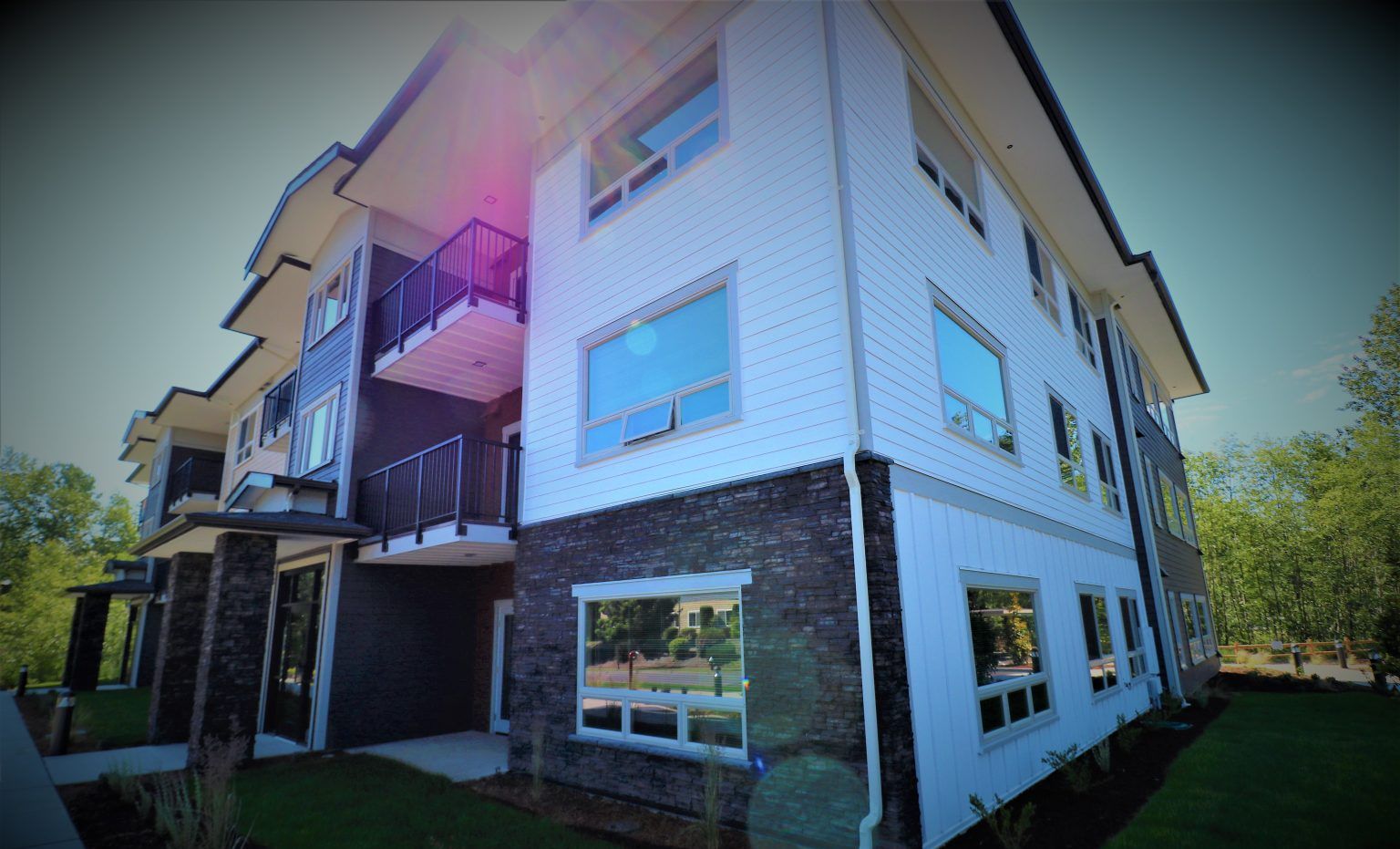
For most Tampa Bay homes, yes — a rainscreen assembly is worth the added cost, mainly because it gives wind-driven rain and humidity somewhere to go besides your sheathing. It is not required by the Florida Building Code and it is not the right call for every wall, but on new construction and full siding replacements in this climate, it is one of the better dollars a homeowner can spend.
A rainscreen is a small drainage gap — usually a quarter inch to a full inch — built between the back of the siding and the weather-resistive barrier (WRB) on the sheathing. It's created with vertical furring strips, a crinkled drainage mat, or a purpose-made drainage wrap. The point isn't to keep water out entirely; no cladding does that perfectly, especially fiber cement, lap vinyl, or engineered wood under wind pressure. The point is that any water that gets past the siding face — through a lap joint, a fastener hole, a corner trim seam — lands in an open cavity instead of soaking directly into the WRB and sheathing. Gravity and airflow then carry it back out through weep holes at the bottom of the wall, and the air gap lets both sides dry.
Compare that to a traditional "face-sealed" or direct-applied assembly, where siding sits tight against the WRB with no cavity. That works fine as long as every seam, flashing lap, and penetration is perfect and stays perfect for decades. In practice, caulk fails, house wrap gets punctured by trim nails, and siding panels expand and contract with heat. A rainscreen doesn't rely on perfection — it gives the wall a second line of defense so a single failed seal doesn't turn into trapped moisture behind the cladding.
The tradeoffs are real. A rainscreen adds material cost (furring or drainage mat), adds labor time for a more careful install, and slightly changes how trim, corners, and window returns get detailed — those details have to be done correctly or the cavity doesn't drain the way it's supposed to. On some products, particularly vinyl siding with its own built-in drainage channels, the marginal benefit of adding a separate rainscreen layer is smaller than it is on fiber cement or wood-look composite siding, which sit flatter against the wall.
Tampa Bay isn't a climate where a rainscreen is a nice-to-have design flourish — the conditions here push water and moisture into a wall assembly harder than in most of the country, and that changes the math.
None of this means a face-sealed wall automatically fails here — plenty have held up for years. It means the margin for error is smaller, and a rainscreen widens that margin.
Don't chase a rainscreen as a checkbox — chase it as part of the right assembly for your specific siding, your wall orientation, and your budget. A few practical points:
Alpine Exteriors walks Tampa Bay homeowners through this decision wall by wall rather than applying one answer to the whole house, because the right call genuinely does depend on siding type, exposure, and what's already going on behind the existing cladding.
Not as a blanket rule. What the code requires is that the installed siding assembly meet wind-load and water-resistance performance, and many manufacturers meet that through Florida Product Approval testing that includes a specified drainage gap or furring detail as part of the approved system. In those cases the rainscreen effectively becomes part of code compliance for that specific product, even though "rainscreen" itself isn't named as a universal requirement.
A rainscreen's job is moisture drainage, not wind resistance on its own — the wind performance of your siding comes from the fastening schedule, the product's tested wind rating, and correct installation per its Florida Product Approval. Where a rainscreen helps during a storm is by managing the wind-driven rain that gets forced past the siding face under pressure, so it's a complementary piece of storm performance rather than the part that keeps the panels attached.
It's most cost-effective on a full re-side, since the wall is already stripped to the sheathing and the incremental labor to add furring or a drainage mat is smaller relative to the whole job. Adding one on top of existing sheathing without removing the old siding generally isn't practical, so the honest answer is that if you're not doing a full tear-off, a rainscreen usually isn't the achievable option for that project.
Yes, that's a large part of why it's worth considering in a high-humidity climate like this one. The open cavity lets air move behind the cladding, so any moisture that does get in from wind-driven rain or condensation has a path to dry out instead of sitting against damp sheathing for weeks at a time, which is when mold and wood rot actually take hold.
If you're planning a re-side or new build anywhere from Tampa and Wesley Chapel out to Lutz, Land O' Lakes, New Port Richey, Plant City, or Zephyrhills, Alpine Exteriors can walk your specific walls, siding choice, and exposure and give you a straight answer on whether a rainscreen assembly makes sense for your project. Alpine Exteriors holds Florida contractor license RB29003900 and installs siding assemblies rated for Tampa Bay's wind and moisture conditions. Reach out for an on-site evaluation before you finalize your siding plans.