
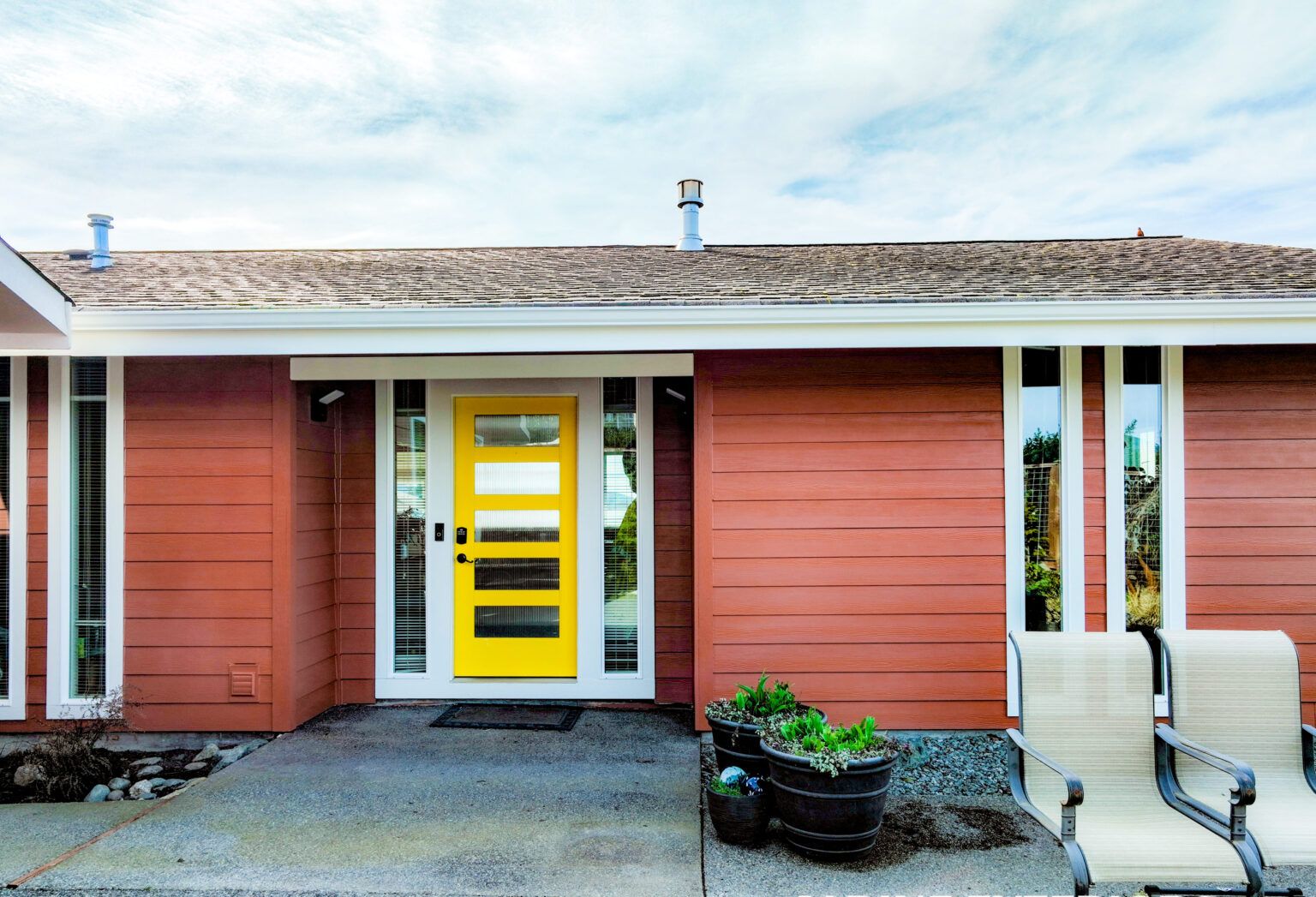
Avalon Park is a deed-restricted community in Wesley Chapel, and homes there tend to share a few traits that shape how a siding project actually runs: fairly uniform elevations, an active homeowners association with an architectural review process, and construction that is fifteen to twenty-five years old in many sections, which means the original siding, house wrap, and trim are often reaching the end of their service life at roughly the same time across a block. A full siding replacement on a typical Avalon Park single-family home usually runs somewhere between one and three weeks of on-site work once material is in hand, with two-story homes, homes with a lot of trim detail, or projects that uncover rotted sheathing running longer. That on-site window is only part of the real timeline, though. Between signing a contract, getting HOA design approval, pulling a Pasco County permit, and waiting on manufacturer lead times for the specific color and profile you choose, four to ten weeks of lead time before a crew ever shows up is common. Homeowners who plan around the pre-construction steps, not just the install days, tend to have a much smoother experience.
It also helps to set expectations honestly: siding replacement is disruptive. There is noise from cutting and nail guns, debris in the yard during active removal, and several days where exterior walls are partially open before new house wrap and siding go back on. None of that is unusual, but a homeowner who knows it is coming plans differently than one who doesn't.
Two approvals have to happen before material gets ordered. First, exterior work in Avalon Park generally requires review by the community's architectural review committee, which typically wants a sample of the proposed siding color and material, sometimes elevation drawings, and confirmation that the change fits within the neighborhood's approved palette. This isn't a formality to skip — installing without sign-off can trigger a violation notice and, in some deed-restricted communities, a requirement to redo the work. Second, a building permit is required from Pasco County Building Construction Services for the scope of a full re-side, and the installed products need to carry current Florida Product Approval or Miami-Dade NOA documentation showing they meet the wind-load requirements in the Florida Building Code for this area. Alpine Exteriors pulls the county permit and handles the product-approval paperwork as part of the contract, but the HOA submission usually moves faster when the homeowner is looped in early, since some associations only meet monthly to review requests.
Material lead time is the other variable worth planning around. Popular vinyl colors and standard profiles are often in stock or close to it, but darker colors, low-gloss finishes, fiber cement siding, and certain trim packages can take several weeks to arrive from the manufacturer, longer if a storm elsewhere in the state has pulled regional supply. Locking in the color and profile choice as early as possible — ideally at the same time as the HOA submission, since many associations want the exact product specified anyway — keeps this from becoming the bottleneck.
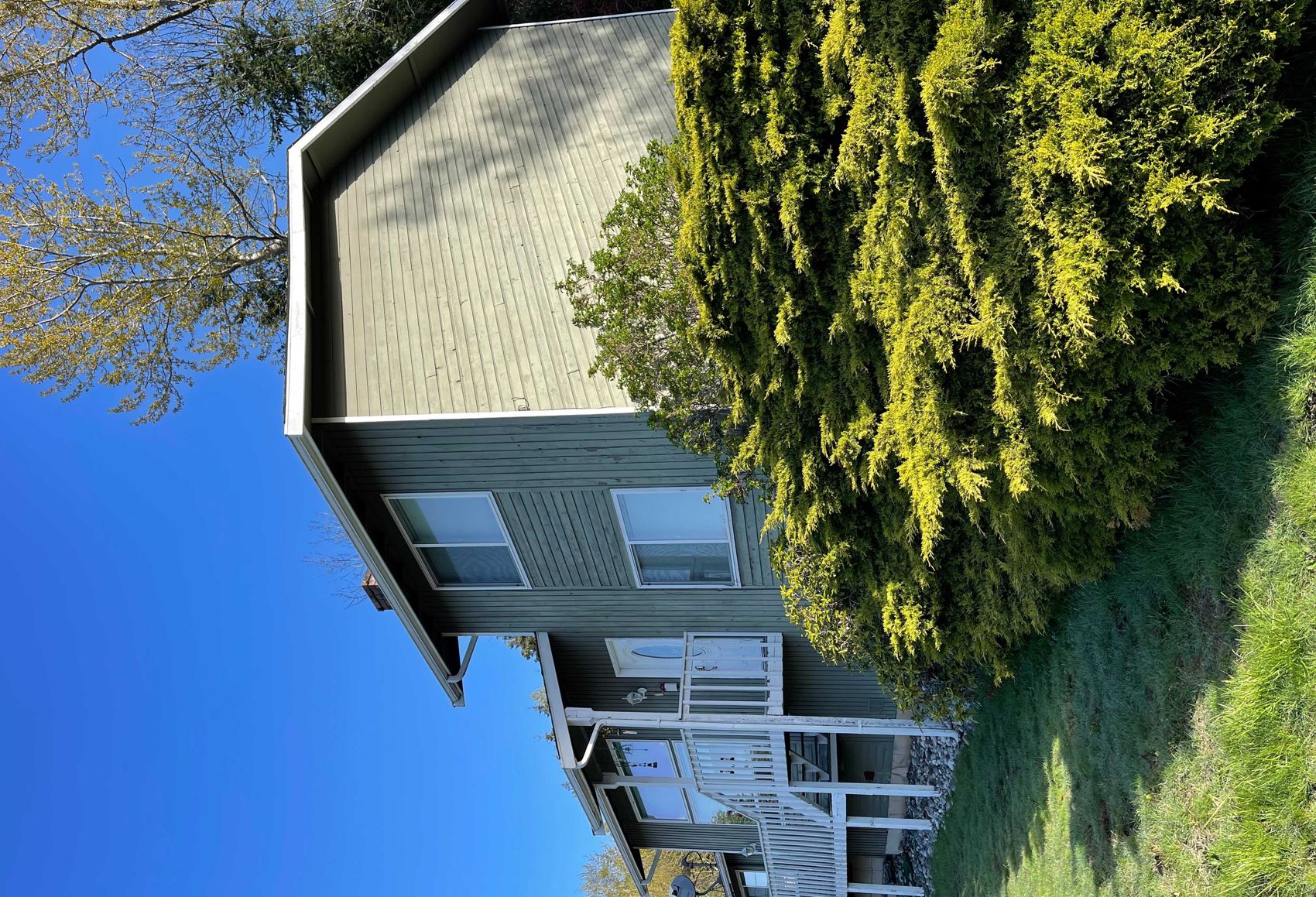
Once the permit is issued and material is on site, the work generally follows this sequence:
A few days of preparation on the homeowner's side avoids delays and protects belongings. Move patio furniture, grills, potted plants, and anything breakable at least several feet from the exterior walls. Vehicles should be parked away from the work zones since dumpsters, material staging, and ladders will occupy the driveway and yard for the duration. Pets are better off inside or boarded during active tear-off, since gates may be propped open and there will be nail debris in the yard. Inside the house, expect noise and vibration during removal and fastening, and it's worth removing wall-hung mirrors or picture frames on exterior walls that could shake loose. If irrigation runs on a timer, it's worth switching it to manual for the project's duration so sprinklers don't soak exposed sheathing or freshly applied house wrap. Homeowners should also flag any exterior cameras, low-voltage wiring, or hose bibs mounted to the siding so the crew can work around them without damage.
Pasco County requires an inspection of permitted siding work before the job is considered closed, and Alpine Exteriors schedules that inspection once installation is complete. If the inspector flags anything — a flashing detail, a fastening pattern, clearance at grade — it gets corrected before final sign-off, which is exactly why that inspection exists. Cleanup happens daily during the project, not just at the end: old siding debris, packaging, and cut-offs are cleared from the yard so the property isn't sitting with a mess for the full duration, and a magnetic sweep for stray nails is standard practice at the end of the job. The final walkthrough is done with the homeowner present, checking sight lines, seams, color consistency, and trim details up close, and any punch-list items are handled before the project is called finished.
New siding in this climate holds up best with a little routine attention. An annual rinse with a garden hose or low-pressure wash removes pollen, mildew film, and the general grime that builds up under Florida's humidity, and it's worth checking caulk lines at trim and window edges once a year since intense UV exposure breaks down sealant faster here than in milder climates. Keep an eye on any spot where sprinklers hit the wall directly, since constant moisture against siding — even good siding — is what eventually causes problems. Alpine Exteriors provides a workmanship warranty on the installation, and siding manufacturers carry their own product warranties covering material defects and, on most vinyl and fiber cement lines, fade and impact performance; the specific terms depend on which product is selected, and those documents are provided at project close so homeowners have them on file.
In most Avalon Park sections, yes — architectural review committees typically require submission for any exterior material or color change regardless of whether it matches the original closely, since the association wants a record of what's approved for the property. It's a short process, but skipping it risks a violation notice after the fact.
Sometimes. Florida's humidity and the possibility of subterranean termite activity mean hidden sheathing damage isn't unusual on older homes, but it isn't universal either — plenty of tear-offs reveal sound substrate. Either way, it can't be assessed accurately until the old siding is off, which is why the contract should spell out how repairs beyond the original scope are priced if they're found.
Any siding installed has to carry current Florida Product Approval documentation showing it meets the wind-load requirements that apply to this area under the Florida Building Code. That doesn't limit color or style much, but it does mean not every product sold nationally is approved for installation here, so the options presented are filtered to what's actually compliant.
Florida's afternoon thunderstorm pattern means rain delays are a normal part of scheduling, not an exception. Crews avoid leaving sheathing exposed overnight without house wrap in place, and active work pauses during storms for safety and to keep water out of the wall assembly. It can add a day or two to the timeline, which is factored into realistic scheduling from the start.
If you're weighing a siding replacement in Avalon Park or elsewhere in Wesley Chapel, Alpine Exteriors (FL license RB29003900) can walk the property, talk through product options that meet HOA and Florida Building Code requirements, and lay out a realistic schedule from permit to final walkthrough. Contact Alpine Exteriors to set up an on-site estimate.