
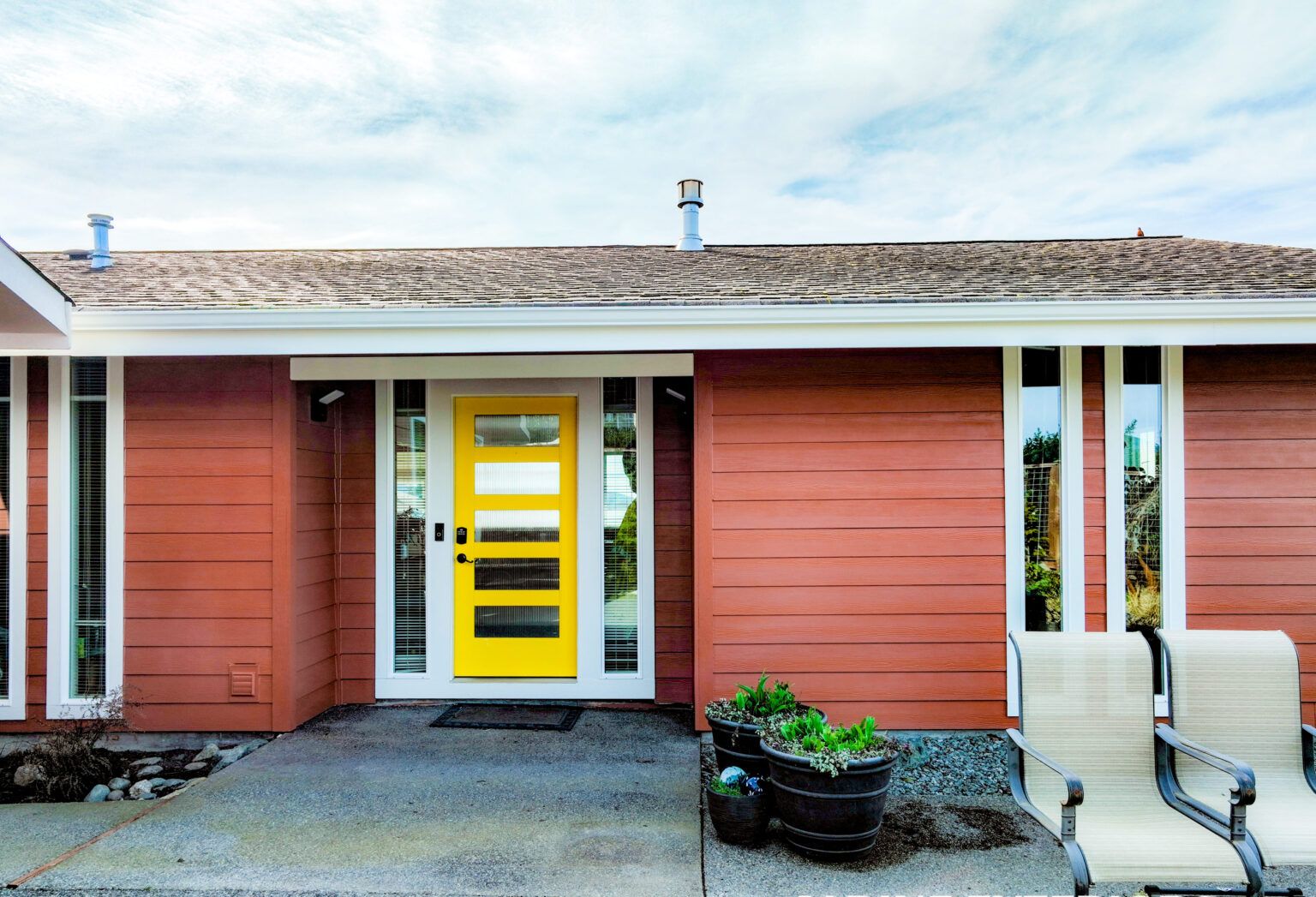
In most cases, isolated storm damage or a handful of cracked or loose panels can be repaired without touching the rest of the wall, as long as the siding is less than about 12-15 years old and the replacement panels can be matched closely enough that the patch doesn't stand out. Once damage is spread across multiple elevations, the siding has visibly faded or chalked, or the color and profile are no longer sold, full replacement of that wall (or the whole house) usually ends up being the more sensible and cost-effective path.
That's the short version. Jasmine Estates sits in unincorporated Pasco County just inland from New Port Richey, close enough to the Gulf of Mexico that wind-driven rain and humidity are part of daily life, and the housing stock here runs from 1970s and 1980s ranch homes to newer construction closer to US-19 and Little Road. Older homes are far more likely to be carrying original or once-replaced siding that's aged out of easy matching, which changes the math on repair versus replacement more than most homeowners expect.
Siding damage in this part of Pasco County tends to fall into a few recognizable categories, and each one points toward a different fix:
The repair-versus-replace decision really comes down to three questions: how much of the wall is affected, how old the siding is, and whether the exact product line is still available. A single cracked panel on a 4-year-old house is an easy repair. Damage scattered across two elevations of a 22-year-old house with siding that was discontinued a decade ago is, realistically, a replacement job — patching it would leave a visibly mismatched wall that doesn't actually solve the underlying problem of aged, brittle material sitting next to whatever gets installed new.
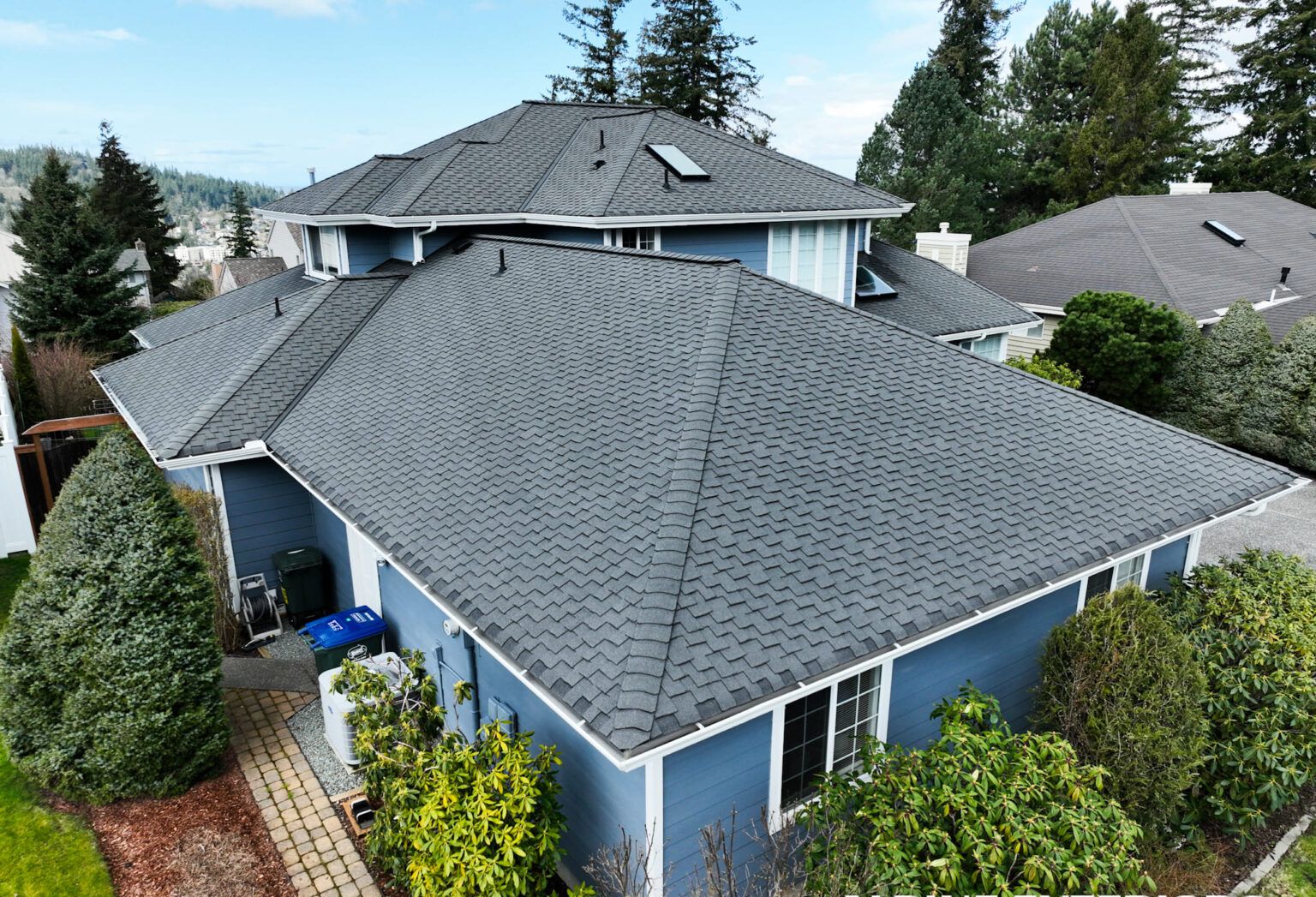
Siding here isn't dealing with the same stresses as siding in a drier, calmer climate, and the repair approach has to account for that.
Hurricane wind loads and wind-driven rain. Pasco County sits well within Florida's hurricane exposure zone, and every siding product installed or replaced here has to meet the wind and water-intrusion requirements set out in the Florida Building Code, backed by Florida Product Approval for that specific siding line. A repair that just gets a panel back on the wall without the correct nailing pattern, starter strip, and overlap can look fine for a season and then fail in the next named storm. It's also why, after a major wind event, it's worth having someone check the OIR-B1-1802 wind mitigation form for the property — updated siding and attachment methods can affect wind mitigation credits on a homeowner's insurance policy.
Humidity and mold pressure. Tampa Bay's humidity doesn't let up for most of the year, and any gap, crack or loose seam in siding becomes an entry point for moisture behind the wall. Once moisture gets behind vinyl or fiber cement, it doesn't dry out quickly in this climate, and that's when sheathing rot and mold growth start — often well before it's visible from the outside. This is the main reason a repair should include a real check of the house wrap and flashing behind the damaged section, not just a swap of the visible panel.
Intense UV exposure. South-facing and west-facing walls in Jasmine Estates take a real beating from the sun, and that uneven exposure is why color-matching a repair patch gets harder every year a siding installation ages. A brand-new panel snapped in next to 12-year-old, sun-faded siding on a west wall will often look mismatched even if it's the exact same product and color code.
Termites. Subterranean termites are active across Pasco County, and they don't care that siding is supposed to be a weather barrier — they're after the wood framing, trim and sheathing behind it. Vinyl and fiber cement siding won't be eaten, but the fascia, soffits and any wood trim accents common on older Jasmine Estates homes are vulnerable, and termite damage frequently gets discovered only when a contractor pulls damaged siding back to make a repair.
Proximity to the Gulf. Jasmine Estates isn't directly on the water, but it's close enough to New Port Richey's coastline that salt-laden air reaches inland on onshore winds, particularly during storm season. That salt exposure accelerates corrosion on exposed fasteners and metal trim pieces, which is why a repair using mismatched or lower-grade nails and flashing can start showing rust streaks well before the siding itself fails.
Start with a close look rather than a guess. Walk the exterior after any storm with sustained wind, and check not just for obviously missing or cracked panels but for lifted corners, gaps at seams, and soft spots when you press on trim boards — a soft spot in wood trim is worth investigating before it's a bigger problem.
Take a photo of the siding's brand, profile and color if it's visible on an unweathered section (inside a J-channel or behind a downspout is often the least faded spot), because that information saves time when sourcing a match. If the house is under about 10-12 years old, matching is usually straightforward. Past that age, be realistic: an exact match may not exist anymore, and the honest options are a close approximation on a less visible wall, replacing a full elevation so the color break happens at a corner instead of mid-wall, or planning for full replacement if the siding is showing widespread wear anyway.
Don't skip the check behind the siding. Any time panels come off for a repair, it's worth having whoever does the work look at the underlying house wrap, flashing and sheathing for moisture staining or soft wood, especially around windows, corners and anywhere gutters have overflowed in the past. It costs little to check while the wall is already open and can catch a termite or rot problem early.
Get someone licensed to look at it rather than relying on a big-box patch kit for anything beyond a single, small, easily accessible panel. Florida requires siding work of any real scope to be pulled under a licensed contractor, and a correctly fastened, correctly flashed repair matters more here than in calmer climates because it has to survive the next storm season, not just look fine on a dry day. Alpine Exteriors holds Florida contractor license RB29003900 and works throughout Tampa Bay, including Pasco County communities like Jasmine Estates, New Port Richey, Land O' Lakes and Wesley Chapel, and can tell you honestly on-site whether a repair or a fuller replacement makes more sense for a given house.
Finally, factor in your own plans for the house. If a full re-side is likely in the next few years anyway — because of age, storm exposure, or wanting to upgrade to a higher wind-rated product — sometimes the more practical move is a straightforward, inexpensive repair now to stop active water intrusion, paired with a plan to replace on your own timeline rather than chasing a perfect match today.
It depends heavily on scope. A single replacement panel or a small section of trim repair is a modest job, often in the low hundreds of dollars, while repairs that involve pulling back siding to fix rot or moisture damage underneath, or replacing a full elevation to get a clean color match, can run into the low thousands. Getting an on-site estimate is the only reliable way to know, since storm debris impact, water damage extent, and how many panels are affected all change the number significantly.
Sometimes, but not always. Manufacturers regularly retire colors and profiles, so on a house with siding older than roughly a decade there's a real chance the exact product is no longer made. In that case the practical options are finding a close approximation for a less visible wall, replacing an entire elevation so any mismatch falls at a natural break point like a corner, or treating it as the trigger to plan a fuller re-side. Alpine Exteriors will tell you upfront if an exact match isn't realistically available rather than promising one that can't be delivered.
It can. Insurers use the OIR-B1-1802 wind mitigation inspection form to document things like the type of siding attachment and overall wind resistance of a home, and both storm damage and how a repair is performed can affect that documentation. If siding is repaired or replaced after a storm, it's worth asking your contractor for records of the work and product approvals used, since that paperwork may be relevant if you update your wind mitigation inspection later.
That's typically UV exposure, not storm damage. Florida sun breaks down the surface layer of vinyl siding over years, and it happens unevenly depending on which walls get the most direct sun, which is why a south or west-facing wall often looks noticeably more faded than a shaded north wall on the same house. Chalking and fading aren't usually a sign of failure, but they do make color-matching any future repair harder, which is worth keeping in mind if part of the house needs work soon.
If storm damage, soft trim, or fading siding has you weighing a repair against a bigger project, Alpine Exteriors can take a direct look at the house and give you a straightforward read on which option actually makes sense for your budget and timeline. We serve Jasmine Estates and the rest of Pasco County alongside our broader Tampa Bay service area, including Tampa, Wesley Chapel, Lutz, Land O' Lakes, New Port Richey, Plant City and Zephyrhills, and we're happy to walk you through repair versus replacement honestly before any work starts.