
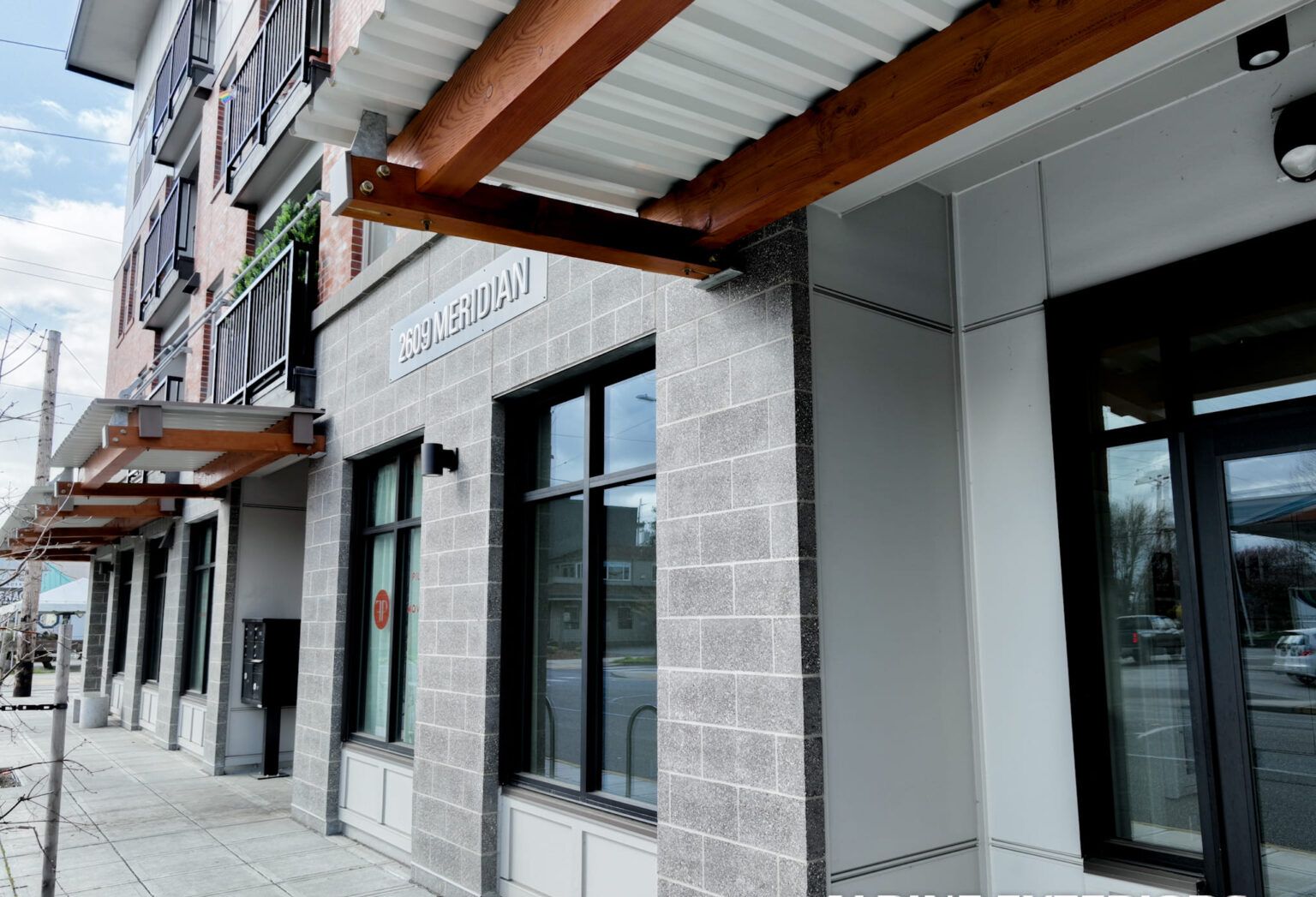
Most siding damage in Keystone is repairable if it's caught early and limited to a few panels or a single wall section — cracked or split boards, a pried-loose piece from wind, or a small area of moisture damage around a window can usually be cut out and patched without redoing the whole house. Once damage is widespread, the siding is more than about 12-15 years old, or you can no longer buy a matching profile and color, full or partial re-siding of that elevation becomes the more honest recommendation, even though it costs more up front.
Keystone sits in the northwest corner of Hillsborough County, a mix of lakefront lots, horse properties, and wooded subdivisions around Lake Keystone, Lake Calm, and the Van Dyke corridor. The tree canopy that makes the area desirable is also the most common source of siding damage we see on service calls out here. Large oaks and pines drop limbs in summer storms, and low branches rub against fascia and wall panels during any sustained wind, wearing through the finish coat and eventually cracking the substrate underneath. We also see more woodpecker and carpenter bee damage in Keystone than in the denser parts of Tampa, because homes back up to more untouched tree line.
Beyond the tree-related wear, the damage patterns fall into a few repeatable categories:
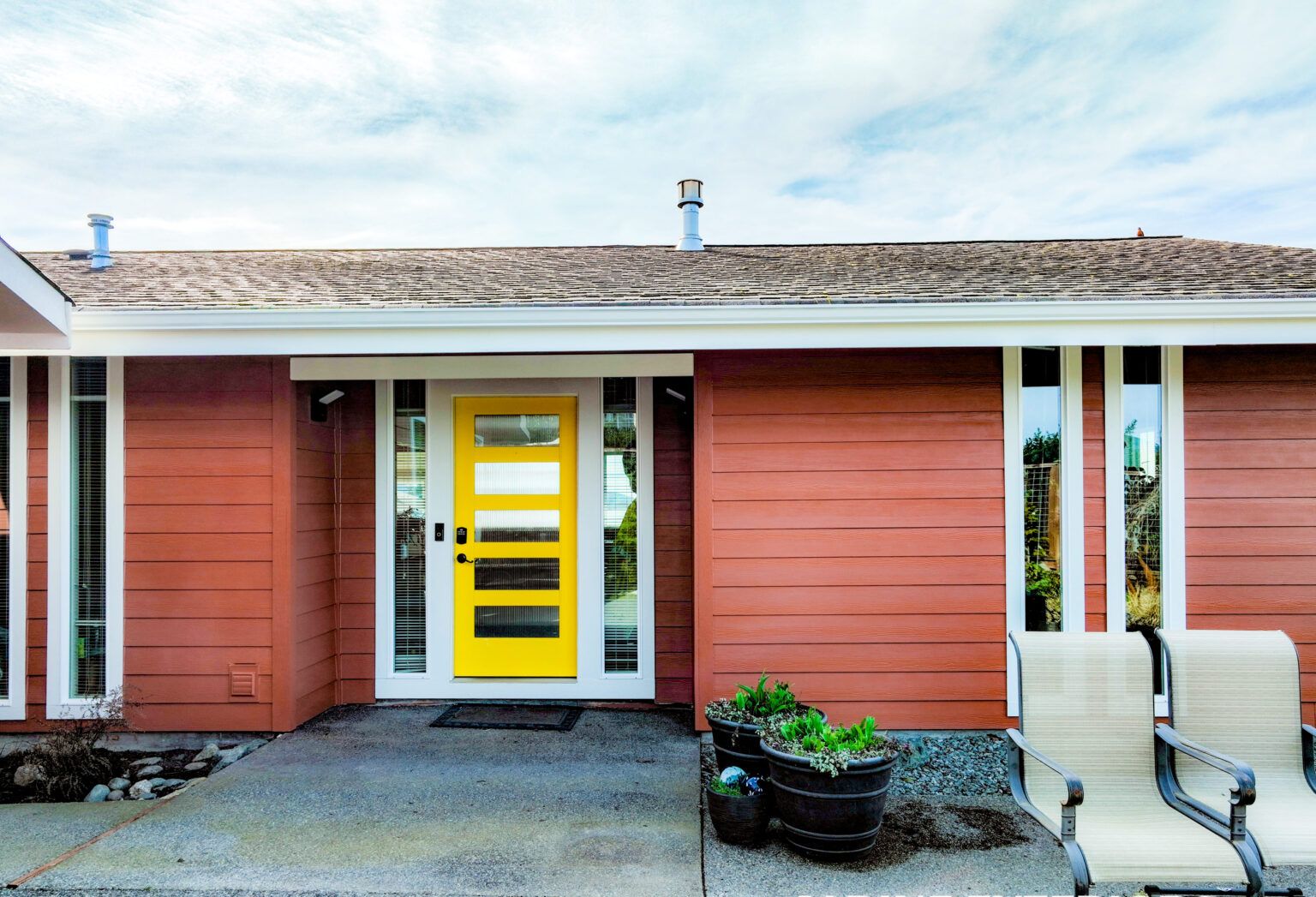
There isn't a single rule that covers every house, but a few honest questions get most Keystone homeowners to the right answer.
How much of the wall is affected? A handful of damaged panels on one elevation is almost always a repair. Damage scattered across three or four elevations, or damage that keeps reappearing in the same area after a prior patch, usually points to a bigger moisture or ventilation problem that a spot repair won't fix.
What's the age and condition of the rest of the siding? If the undamaged siding is more than 15-20 years old, brittle, chalking heavily, or has been repainted multiple times, patching one section next to old, faded material rarely looks or performs like new siding. In that case, replacing the full elevation — or the whole house if the budget allows — is usually the better long-term move, even though it's a bigger check to write today.
Is there water damage behind the siding? This is the one that changes the math the most. If we open up a damaged area and find soft or discolored sheathing, wet insulation, or termite activity, a simple panel swap isn't enough — the wet material has to come out, the framing has to dry and get inspected, and often a larger section of wall needs to be opened up than the visible damage suggested. Homeowners are sometimes surprised that a "small crack" turns into a bigger job once we're inside the wall, but patching over wet sheathing just hides the problem and it comes back worse.
Can the siding still be matched? Covered in detail below, but it's a real factor in the decision, not just a cosmetic afterthought.
| Signal | Usually points to |
|---|---|
| Isolated cracked or missing panels, siding under ~12 years old | Spot repair |
| Damage on one elevation only, siding still sound elsewhere | Repair or single-elevation replacement |
| Soft or discolored sheathing found behind the siding | Open the wall, repair the structure, then re-side that section |
| Recurring damage in the same spot after a prior patch | Investigate the underlying cause (flashing, ventilation, tree contact) before repairing again |
| Siding 15-20+ years old, faded, or discontinued profile/color | Full or elevation-wide replacement |
Keystone's lot sizes and tree canopy set it apart from the denser neighborhoods closer to downtown Tampa. The upside is shade and privacy; the trade-off is more debris contact, more shaded wall area that's slow to dry, and, on the older estate-style homes near the lakes, wood or older hardboard siding that's harder to source a matching replacement for than the vinyl and fiber cement common in newer Wesley Chapel and Land O' Lakes developments. Because many Keystone properties are on well and septic with larger setbacks from the road, storm debris also tends to sit against a house longer before anyone notices it, which extends the exposure time for wind-driven rain to find its way behind loose siding.
Region-wide, every siding repair or replacement in Hillsborough County has to account for hurricane wind loads and the Florida Building Code. Replacement siding materials and their installation methods need a valid Florida Product Approval for the wind zone the property sits in, and any full re-side is permitted work, not a DIY weekend project. If you're planning to sell or already carry wind mitigation credits, it's worth knowing that visible siding condition and attachment method can come up during a windstorm inspection tied to the OIR-B1-1802 wind mitigation form, even though siding itself isn't the primary line item insurers focus on — roof and opening protection carry more weight there. Termite pressure and humidity, described above, round out the conditions that make a Keystone repair different from the same-looking repair somewhere with a drier climate or less tree cover.
Start with a close look rather than a guess from the driveway. Walk the perimeter after the next dry stretch and look specifically at north- and east-facing walls, areas under tree canopy, and anywhere gutters or downspouts discharge close to the wall. Press gently on siding near visible cracks or staining — if it flexes or feels soft, that's worth a closer inspection before it's treated as cosmetic.
Don't caulk over a crack and call it solved. Caulk can buy a little time on a hairline crack in a pinch, but it isn't a repair for a gap that's letting water behind the panel, and it can trap moisture against the wall if it's applied in the wrong spot.
Keep tree limbs pulled back from exterior walls. This is the single most preventable cause of repeat siding damage in Keystone specifically, and it costs nothing but a call to a tree service.
Get an inspection before deciding repair or replace, especially if you've had any past water intrusion, a roof leak, or you're not sure how old the siding is. Alpine Exteriors inspects the framing and sheathing behind visibly damaged siding before quoting a repair, because a price based only on what's visible from outside is often wrong once the wall is open.
If you're weighing a spot repair against replacing a full elevation, ask to see the cost difference in writing for both options, along with what each one does and doesn't address. A repair that leaves old, faded, or marginal siding next to new panels is a legitimate choice if the budget calls for it — just go in knowing it won't look uniform and may need attention again sooner than a full replacement would.
It depends on the material, age, and how much the existing siding has faded. Vinyl and fiber cement colors and profiles get discontinued over time, and even an exact match can look slightly different next to siding that's had years of Tampa Bay sun on it, since UV fades panels unevenly by wall orientation. We check current manufacturer stock before quoting a repair and tell you honestly if an exact match isn't available — sometimes the better answer is re-siding the full wall or elevation so the color is uniform rather than patching in a near-match that will always look like a patch.
Storm damage tends to be localized and sudden — a cracked panel where a limb hit, or siding pried loose along one edge from wind. Long-building damage usually shows up as soft spots, discoloration, or repeated staining in the same area, and it's often been developing behind the siding for a while before it's visible from outside. We look at both the pattern of damage and what's underneath it before telling a homeowner which one they're dealing with, since the answer changes whether a simple panel swap is enough.
It depends on what the termites reached. If the damage is limited to the wall sheathing or framing behind the siding, that structural wood typically needs replacement, but the siding panels themselves can often be removed carefully, set aside, and reinstalled once the wall is repaired — assuming they weren't wood-based siding themselves. If the siding is wood, trim, or an older hardboard product, it's more likely the termites damaged the siding directly and it needs to come out along with the framing. Either way, a licensed pest control company should treat the area; siding repair alone doesn't address an active termite colony.
A limited repair — a handful of panels, a small section around a window or corner — generally runs in the low hundreds to low thousands of dollars, depending on material and whether the wall behind it needs work. A full re-side of a house is a much larger investment, typically well into five figures depending on size and material, since it includes removing all existing siding, addressing the wall assembly underneath, and installing new material to current Florida Building Code and product approval requirements. We give a specific number after inspecting the actual damage and the condition behind it, since a quote based only on what's visible from the yard is frequently wrong once the wall is opened.
If you're seeing cracked panels, staining, or loose siding on a Keystone home, the fastest way to know whether it's a repair or something bigger is an inspection that actually opens up the damaged area rather than guessing from the ground. Alpine Exteriors is a licensed Florida contractor (RB29003900) serving Keystone and the rest of Hillsborough County, and we'll give you a straightforward repair-or-replace recommendation along with the reasoning behind it — not just a number. Contact Alpine Exteriors to schedule a siding inspection for your Keystone home.