
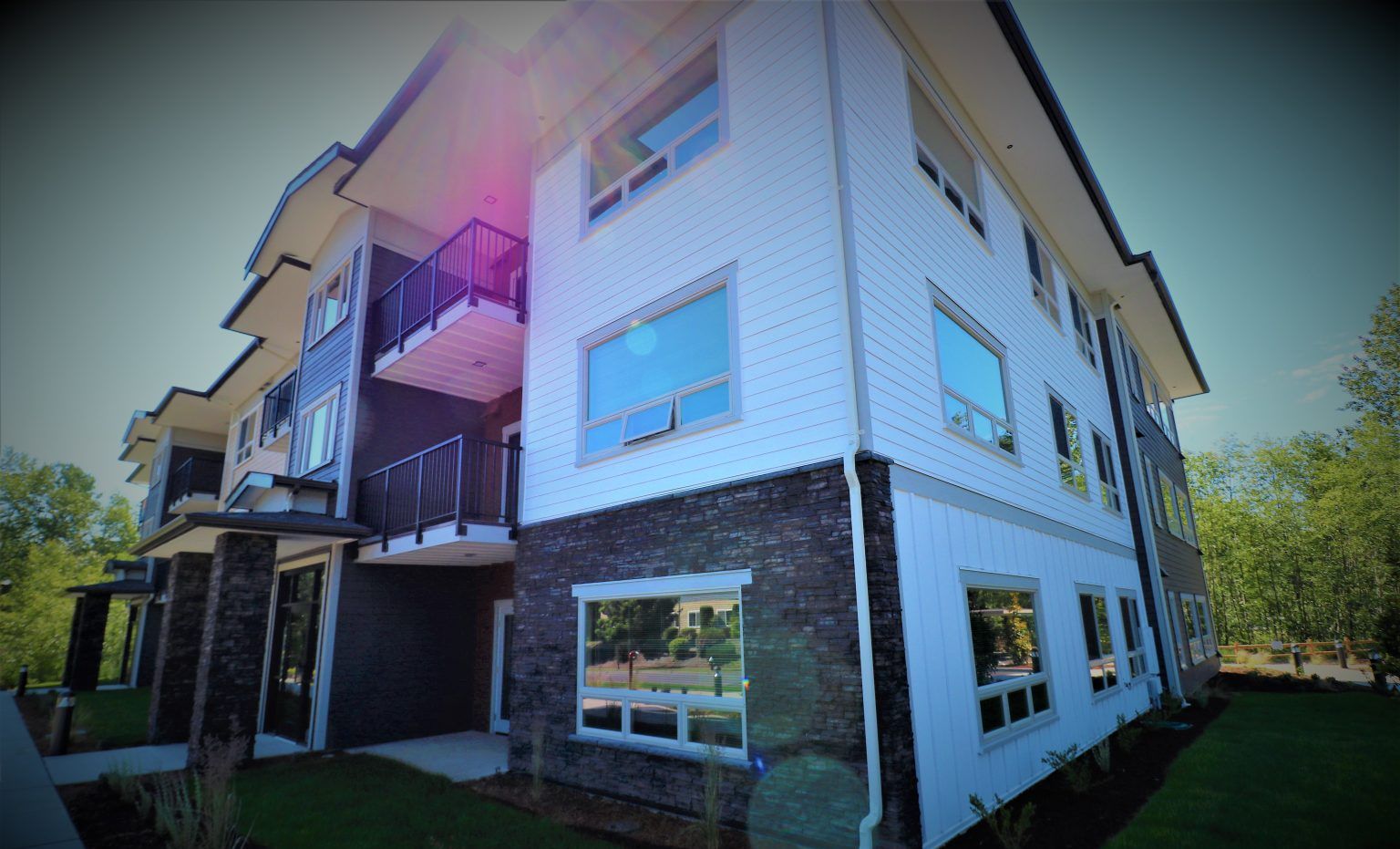
In Land O' Lakes, siding permits are issued by Pasco County Building Construction Services, not by a city hall — Land O' Lakes is unincorporated, so the county is your permitting authority for the entire project. Almost any full or partial re-siding job that changes the exterior wall covering requires a permit, and the work has to pass at least one inspection before it's considered legally complete.
Because Land O' Lakes doesn't have its own municipal government, there's no separate building department to navigate the way there is in, say, the City of Tampa. Every permit application, plan review, fee payment, and inspection request for a Land O' Lakes address runs through Pasco County's building division. That's a plus in one sense — one set of rules, one office, one online portal — but it also means homeowners can't assume the process works the same way it did for a friend's house in a nearby city, because it doesn't.
The trigger for needing a permit is simpler than most homeowners expect: if you're removing the existing siding, house wrap, or weather barrier and installing new cladding — vinyl, fiber cement, engineered wood, or aluminum — that's a permitted alteration under the Florida Building Code (FBC), Building volume, because it affects the building envelope and its ability to resist wind and water intrusion. Small, isolated repairs, like replacing a few cracked panels that were damaged by a falling branch, can sometimes fall under a minor-repair allowance and skip the full permit process, but the line isn't always obvious from the homeowner's side. A licensed contractor pulling the permit is the one who determines, correctly, which category the job falls into — and misjudging it is a real risk, because unpermitted exterior work can surface later during a home sale, an insurance inspection, or a claim, and become the buyer's or the homeowner's problem to resolve retroactively.
Once the permit is issued, the plan review checks that the specified siding product has a valid Florida Product Approval (or, less commonly here, a Miami-Dade Notice of Acceptance carried over for a higher-rated product) documenting that it's been tested to resist the wind pressures and wind-driven rain intrusion required for the site's wind zone. The installation instructions filed with that approval — nailing or fastening pattern, starter strip detail, house wrap and flashing method — become part of what the inspector is checking against, not just a manufacturer suggestion.

Pasco County sits in a hurricane-exposed wind zone under the Florida Building Code, which means the siding, the fasteners, and the underlying water-resistive barrier all have to be engineered for wind loads well above what most of the country builds to, plus resistance to wind-driven rain forcing its way behind loose panels during a tropical storm or hurricane. That's the reason product approval documentation matters so much here — a siding product that's perfectly fine in a mild climate can be the wrong choice, or even code-noncompliant, for a Pasco County installation if it wasn't tested and rated for these conditions.
Florida's humidity adds a second layer most other regions don't deal with. Siding systems here need a properly installed weather-resistive barrier and enough of a drainage plane behind the cladding to let incidental moisture escape, because trapped moisture behind siding in this climate turns into mold and wood rot on the sheathing far faster than it would in a drier state. Inspectors and experienced installers both pay close attention to how the house wrap is lapped and taped, not just whether it's present. Intense, near-constant UV exposure is the third factor — it accelerates the fading, chalking, and embrittlement of lower-grade vinyl and trim products, which is part of why material selection in this market leans toward UV-stabilized products rated for Florida sun rather than whatever's cheapest at a big-box store.
Termite pressure is also worth factoring in, even though it's not something a siding permit inspector is checking directly. Subterranean termites are common across Pasco County, and they attack wood-based sheathing, furring strips, and trim behind or around siding long before any damage is visible from the street. When old siding comes off for a re-side, it's often the first real look anyone's had at the sheathing in years, and finding termite damage mid-project is common enough that it shouldn't come as a shock — it's a reason to budget some contingency for sheathing repair rather than assuming the wall behind the siding is sound.
Start by confirming your contractor is properly licensed through the Florida Department of Business and Professional Regulation before any contract is signed — siding installation in Florida requires licensure, and Alpine Exteriors holds Florida contractor license RB29003900, which can be verified the same way any other license can. A licensed contractor should pull the permit in their own name, not ask you to pull an owner-builder permit, because owner-builder permits shift legal responsibility for code compliance onto you personally, including for work you didn't perform yourself.
It's also worth being honest with yourself about timeline. Permit review and inspection scheduling in a fast-growing county like Pasco can add real time to a project, especially during storm season when building departments countywide are busier than usual. A contractor who tells you the permit and inspection steps will add a few weeks isn't being difficult — that's the accurate picture, and planning around it beats being surprised by it midway through the job.
In most cases, yes. Pasco County generally treats replacement of the exterior wall covering as permitted work regardless of whether it's one wall or the whole house, because the wind and water-resistance requirements of the Florida Building Code apply to the section being altered. Whether a small patch job qualifies for a minor-repair exemption is a judgment call best made by your licensed contractor when they scope the work, not assumed in advance.
It varies with the county's current workload and the completeness of the application, and it tends to slow down during the busiest stretches of hurricane season when storm-repair permits are also flowing through the same office. A straightforward residential siding permit with complete product approval documentation attached usually moves faster than one missing paperwork, which is one reason it helps to work with a contractor who submits complete packages the first time.
Unpermitted exterior work can surface during a home sale, a refinance appraisal, or an insurance underwriting inspection, and resolving it after the fact — sometimes called an after-the-fact permit — usually requires opening up finished work for inspection and can cost more than getting it permitted correctly the first time. If you suspect prior siding work wasn't permitted, it's worth having it evaluated before you're forced to deal with it during a sale or a claim.
Siding is part of the building envelope, and in Pasco County's wind zone under the Florida Building Code, exterior wall covering products have to carry a Florida Product Approval documenting they were tested for the applicable wind pressures and wind-driven rain resistance, not just a general durability rating. Panels that lift or tear loose in high wind can expose the sheathing and house wrap behind them, so the wind rating isn't a formality — it's functionally protecting the rest of the wall assembly.
Permit rules read differently on paper than they play out on an actual roofline, an actual wall assembly, and an actual Pasco County inspection schedule. Alpine Exteriors works across Land O' Lakes, Wesley Chapel, Lutz, and the rest of Tampa Bay, and can walk your specific property through what's required, what product approval applies, and what to expect from inspection to closeout — reach out for a straightforward assessment before you sign anything.