
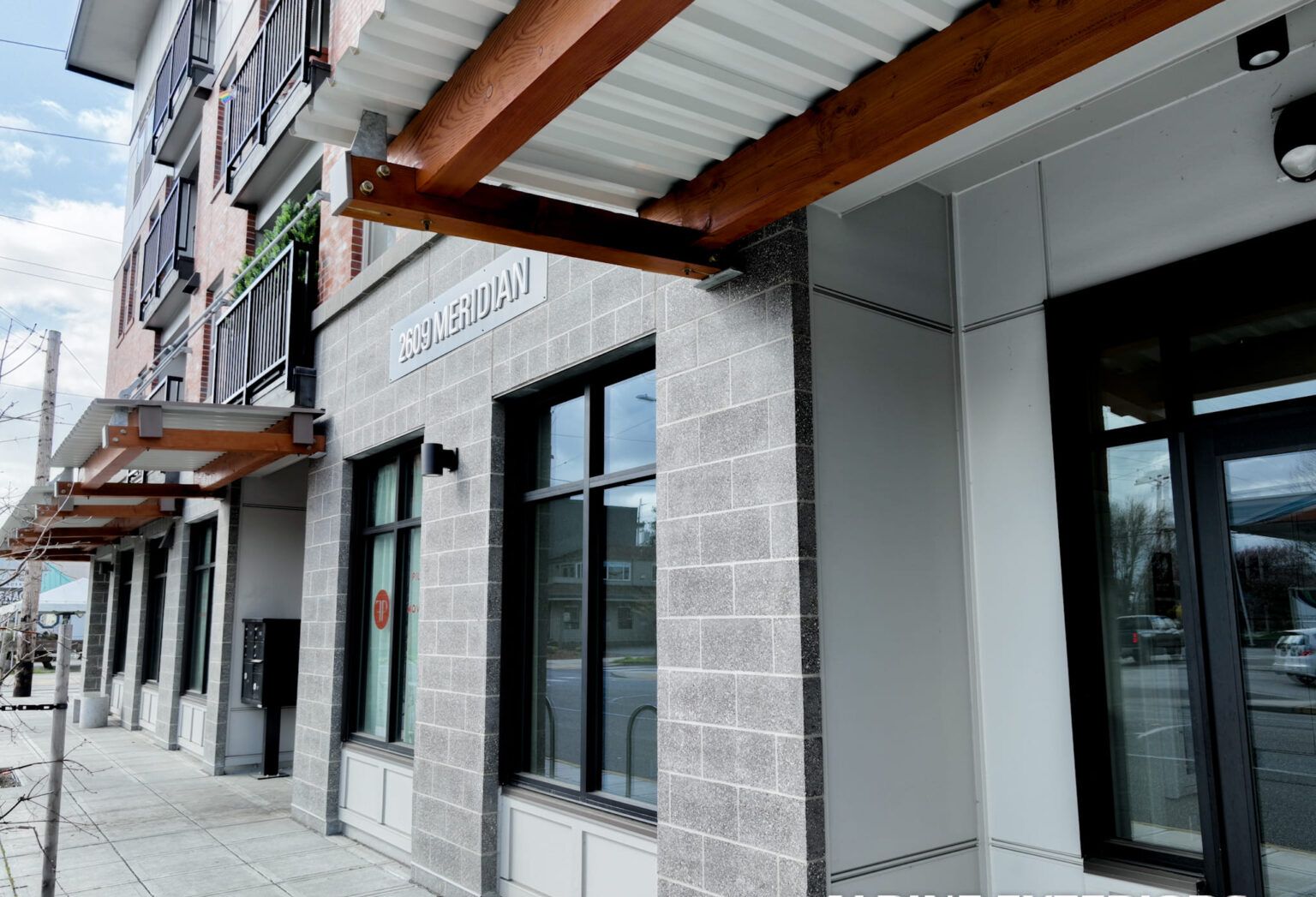
In Meadow Pointe and the rest of inland Pasco County, any siding installed on a home has to carry a Florida Product Approval (or an accepted equivalent, most often a Miami-Dade Notice of Acceptance) rated for the wind pressures that particular wall will see, and it has to be fastened exactly the way that approval specifies — not just "per the instructions on the box." When a Pasco County inspector looks at a re-side or new-construction siding job in this neighborhood, they're mostly checking three things: the product's approval documentation, the actual fastening pattern used on the wall, and the water management details hiding underneath the panels.
The Florida Building Code adopts the wind provisions of ASCE 7 statewide, and the wind speed maps referenced by the code place inland Pasco County — including Wesley Chapel, where Meadow Pointe sits off SR 56 — in a high design-wind-speed zone. For a typical Risk Category II single-family home in this part of west-central Florida, that generally lands somewhere in the 140–150 mph ultimate design wind speed range, though the exact number for a given lot depends on exposure category and the county's adopted edition of the code, and a permit reviewer will confirm it rather than a contractor guessing. That number matters because every siding product sold in Florida has to be backed by a Florida Product Approval number — searchable in the state's Product Approval system — or an accepted Miami-Dade NOA, both of which document a tested wind pressure rating from real ASTM wind-load and impact testing rather than a manufacturer's marketing sheet. The approval doesn't just cover the panel itself; it specifies the exact fastener type, length, spacing, and embedment depth for a given stud spacing and wall height, and it's tied to the specific wind pressure the assembly was tested to resist. A surprising amount of siding trouble in Pasco County's older subdivisions traces back to a crew using the fastening schedule for a different exposure category, panel profile, or wall height than what's actually on the house — the siding looks fine on the day it's hung and then fails in the first real windstorm because it was never fastened to the pressure it's rated for. An inspector checking the work is verifying that the product label or accompanying documentation matches an active approval, that the fastener count and spacing on the wall match that approval's tested assembly, and that the water-resistive barrier, flashing at penetrations, and drainage path behind the siding follow the manufacturer's installation instructions referenced in the approval — because siding is a rain-shedding surface, not a waterproof one, and the code treats the barrier behind it as the real defense against wind-driven rain.
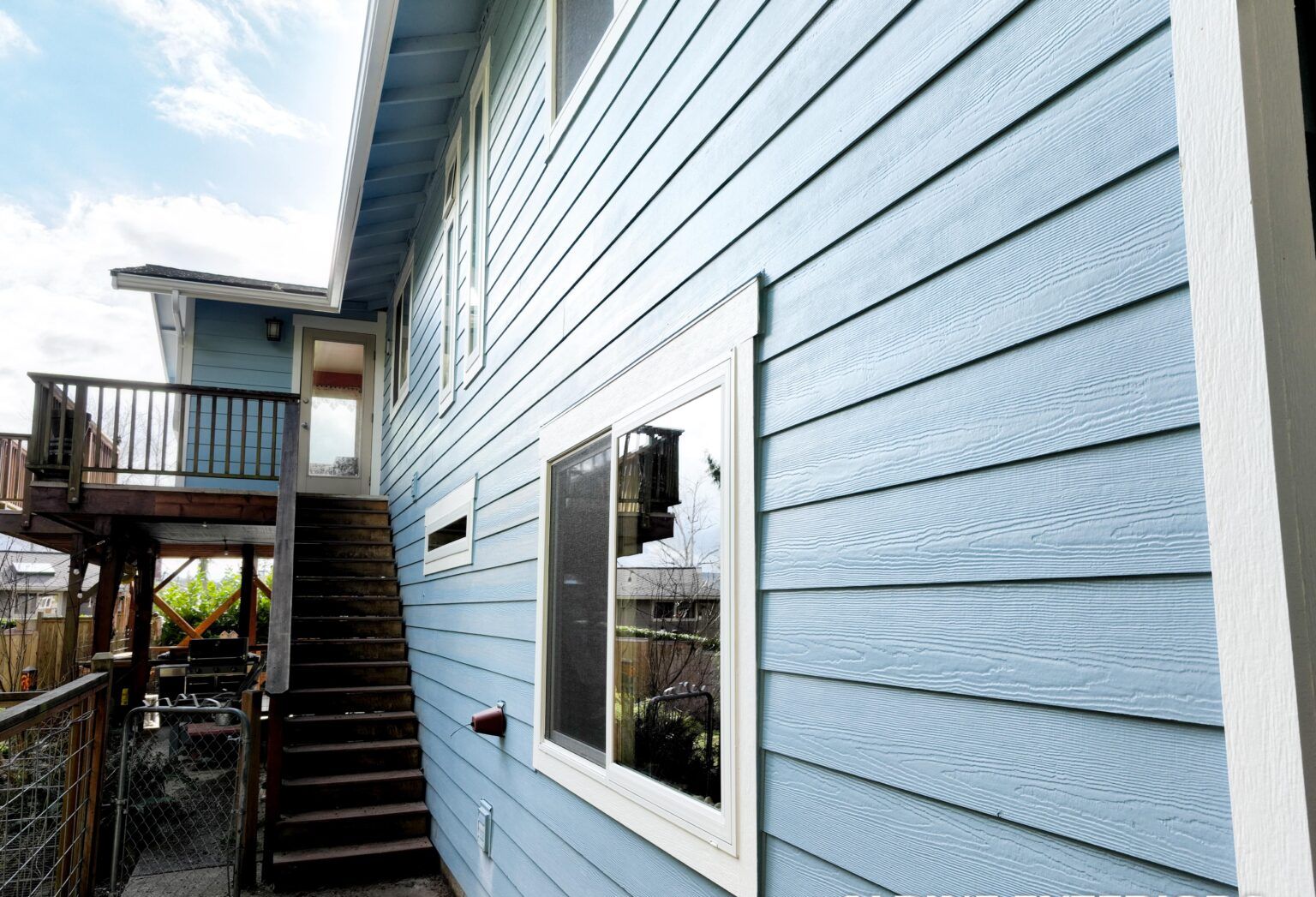
Meadow Pointe is well inland — roughly 25 miles from the Gulf of Mexico — so the salt-air corrosion that eats at fasteners and trim closer to the water in places like New Port Richey's coastal streets or the barrier islands isn't a major factor for a home here. Standard corrosion-resistant fasteners called for in the product approval are generally sufficient; homeowners in this community don't need to pay extra for the marine-grade or stainless hardware sometimes specified on true waterfront properties. What does hit hard in this part of Pasco County is the combination of near-daily summer thunderstorms that drive rain sideways into wall assemblies (wind-driven rain), heavy year-round humidity that gives mold and moisture-trapped wood a long season to work with, intense subtropical UV that fades color and embrittles lower-grade vinyl and fiber cement finishes faster than it would in a milder climate, and constant subterranean termite pressure from the sandy, moisture-retentive soils common across the county. None of that is unique to Meadow Pointe, but it's a different mix than what drives decisions on, say, a beachfront home, where salt spray and wind-borne debris impact protection dominate the conversation. It's also worth noting that Meadow Pointe, like most of these master-planned Wesley Chapel communities, has its own HOA architectural review process for exterior changes — that's separate from the building code, but a color, profile, or material change on a re-side often needs sign-off from the community association in addition to the county permit.
Alpine Exteriors (FL contractor license RB29003900) pulls the permit, documents the product approval for the specific siding proposed, and sets the fastening schedule to match that approval rather than a one-size-fits-all pattern — which is the part of this process that's easiest to shortcut and hardest to verify after the fact.
In most cases, yes. Pasco County generally requires a building permit for re-siding beyond minor spot repairs, and the permit process is what creates the inspection record confirming the product approval and fastening match what the code requires. Skipping the permit might save time up front, but it leaves no documentation trail if a wind claim or resale inspection later asks whether the exterior was done to code.
Inland Pasco County, including Wesley Chapel and Meadow Pointe, generally falls in a high design-wind-speed zone under the Florida Building Code's adopted wind maps, commonly in the 140–150 mph ultimate design wind speed range for a typical home — but the exact figure for a given lot depends on exposure category and wall height, and a permit reviewer or licensed contractor should confirm it rather than assuming a single number applies to every house in the neighborhood.
No. The high-velocity hurricane zone and the most stringent wind-borne debris requirements in Florida apply mainly to Miami-Dade and Broward counties and to some immediate coastal areas at higher wind speeds. Inland Pasco County, including Meadow Pointe, isn't in that category, though the siding product still has to meet the wind pressure rating tied to the local design wind speed regardless of debris-impact requirements.
Matching the look of existing siding is fine, but a full re-side generally has to meet the current Florida Building Code and current product approval requirements regardless of what was on the house before — older homes in this area were often built or sided under an earlier code cycle with different fastening rules, so "matching" the old install isn't the same as it being code-compliant today.
If you're planning a re-side or evaluating storm damage on a home in Meadow Pointe, Wesley Chapel, Lutz, Land O' Lakes, New Port Richey, Plant City, or Zephyrhills, Alpine Exteriors (FL license RB29003900) can walk the property, confirm what wind pressure rating your walls actually need, and document the product approval and fastening schedule before any panels go up. Reach out for a straightforward inspection and estimate — no pressure, just a clear look at what the code actually requires for your house.