
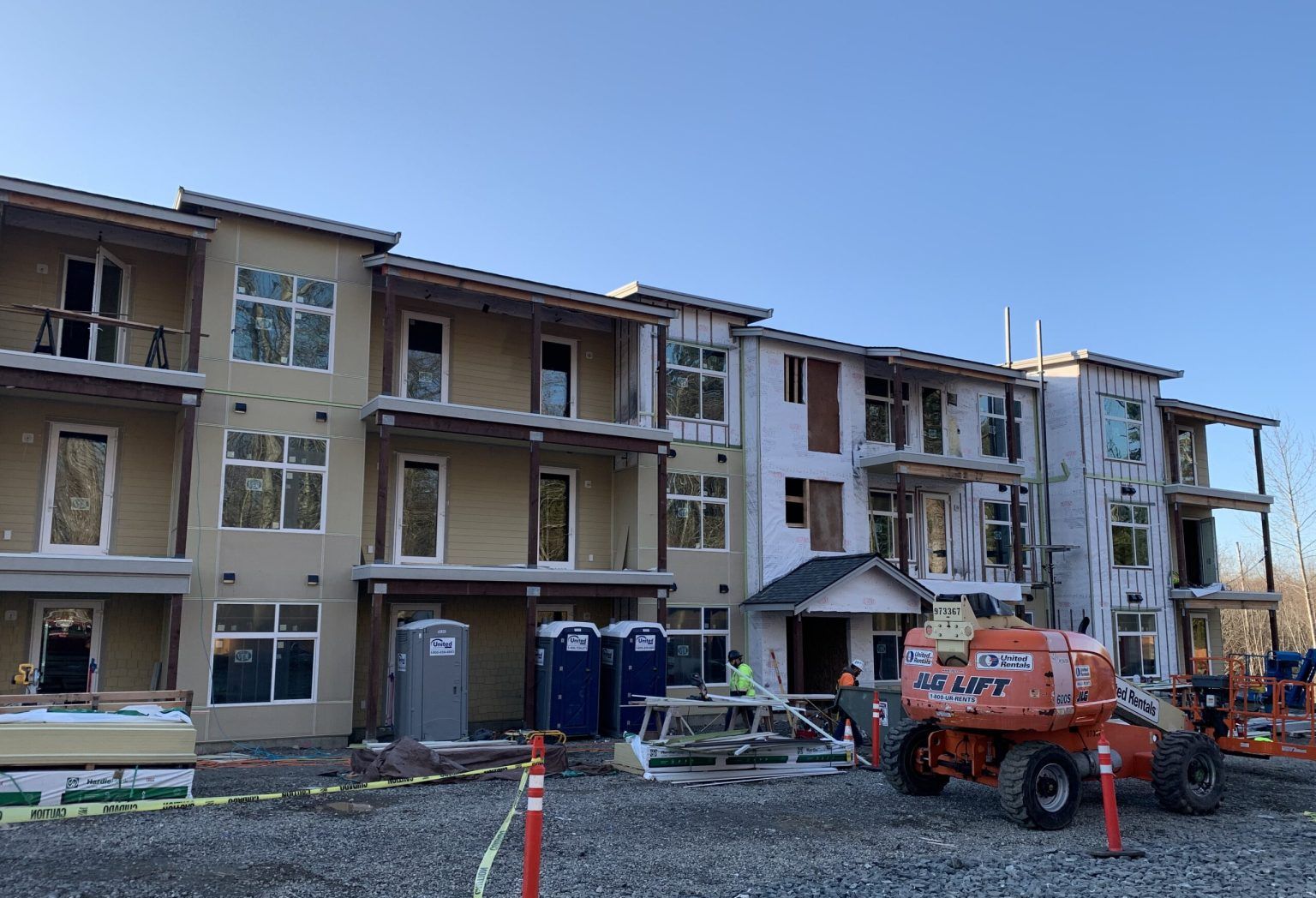
In Moon Lake and the rest of unincorporated Pasco County, any siding installed on your home has to be rated for the wind pressures set by the Florida Building Code and installed with a fastening pattern that matches its Florida Product Approval — not just nailed on the way it might be in a state without hurricane exposure. Pasco County's permitting office and inspectors check that the product, the fasteners, and the attachment schedule all match what's listed on the approval paperwork, because that's what stands between your wall assembly and wind-driven rain during a tropical system.
Florida is one of the only states where siding is treated less like a cosmetic exterior finish and more like a structural component with a paper trail. Every siding product sold for use in Florida — vinyl, fiber cement, engineered wood, aluminum — has to carry a Florida Product Approval (an FL number) or, in some cases, a local Notice of Acceptance. That approval isn't a rubber stamp. It's a set of test results showing how the product performs under wind uplift and pressure, and it comes with a manufacturer-published installation manual that specifies fastener type, fastener spacing, and minimum penetration into structural sheathing or framing.
Pasco County falls under the Florida Building Code's wind speed maps at a design wind speed that, depending on the specific parcel's exposure category and Risk Category II classification, generally lands in the range used across most of the Tampa Bay area — high enough that code-minimum fastening on a standard-issue product is not automatically enough. A siding job that would pass inspection in a low-wind state can fail here if the installer used the wrong nail gauge, spaced fasteners too far apart, or skipped the additional corner and edge fastening that many manufacturers require in high-wind zones. This is also why re-siding an existing home in Pasco County requires a building permit in nearly every case — it isn't paperwork for its own sake, it's the mechanism that gets a code inspector to your house to check the work before it's covered up.
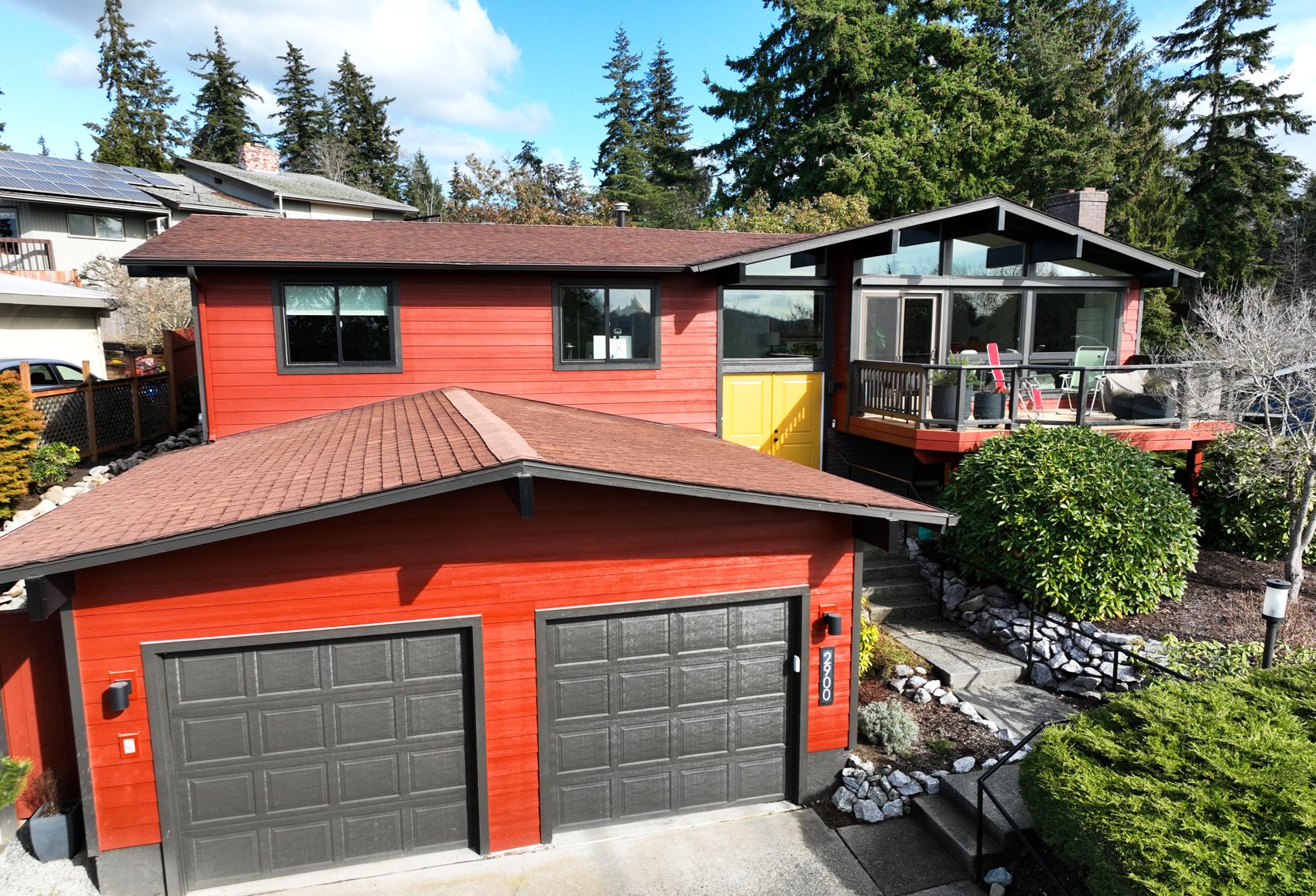
Moon Lake sits inland from the Gulf by several miles, which matters for a few reasons. You're not dealing with the High-Velocity Hurricane Zone rules that apply to Miami-Dade and Broward counties — Pasco County uses the standard Florida Building Code wind provisions, not the stricter HVHZ testing protocols, so the product and fastening requirements, while still serious, are less extreme than what a coastal Miami home would need. At the same time, you're close enough to the coast that wind-driven rain during tropical storms and hurricanes is a real concern, and a siding installation with poor flashing or a compromised weather-resistant barrier behind it can let water into the wall cavity even if the siding itself never blows off.
Humidity is a year-round factor here in a way it isn't in drier climates. Pasco County sits in a subtropical zone with long stretches of high humidity, and that pressure works on siding two ways: it drives moisture into any gap in the water-resistive barrier, and it creates conditions where mold and mildew can take hold on siding surfaces and in wall cavities behind poorly ventilated installations. Subterranean termites are established throughout this part of Florida, so any wood furring strips, wood trim, or wood substrate behind or around siding needs to be pressure-treated or kept clear of soil contact — untreated wood in direct ground contact is an invitation. UV exposure is intense and constant, which fades color and embrittles lower-quality vinyl and trim products faster than in northern states, so material selection matters more here than the code technically requires. Because Moon Lake is a few miles off the immediate coastline, salt-air corrosion is a lesser factor than it would be in a beachfront neighborhood, but it's still worth using corrosion-resistant fasteners as a matter of course, since coastal air movement does reach this far inland during onshore wind events.
Start by asking any contractor you're vetting for the Florida Product Approval number of the specific siding product they intend to install, and ask to see the manufacturer's installation instructions for your wind zone. A legitimate contractor will have this on hand without hesitation. Confirm the contractor is pulling a building permit before work starts — if a contractor tells you a full siding replacement doesn't need one in Pasco County, that's a red flag, not a shortcut worth taking.
It's also worth being honest with yourself about tradeoffs. Higher wind-rated and better-UV-stabilized siding products generally cost more up front, and a proper installation with correct flashing and fastening takes longer than a quick nail-it-up job — there's no way around either of those costs if you want the work to actually hold up through a Florida storm season. Alpine Exteriors, FL license RB29003900, works through this process on every Pasco County job: pulling the permit, matching the product approval to the installed material, and using the fastening schedule the manufacturer actually specifies for this wind zone, rather than a generic pattern that might pass in a lower-wind state.
In almost all cases, yes. Pasco County requires a building permit for siding replacement because the work involves wind-resistant fastening and weather barrier details that a code inspector needs to verify before the new siding covers the wall assembly. A licensed contractor pulling permits on your behalf, such as Alpine Exteriors, will handle this as a standard part of the job rather than treating it as optional.
Florida Product Approval is a state system that requires exterior building products, including siding, to be tested and documented for wind performance before they can be legally installed under the Florida Building Code. The approval comes with a manufacturer installation manual specifying exact fastener types and spacing for different wind zones, and matching your installed product and fastening pattern to that documentation is what an inspector checks during a permitted siding job.
No. The High-Velocity Hurricane Zone designation applies to Miami-Dade and Broward counties, not Pasco County. Moon Lake and the surrounding Tampa Bay area fall under the standard Florida Building Code wind provisions, which still require wind-rated products and code-compliant fastening, but not the more stringent testing protocols used in the HVHZ.
Yes, both are relevant considerations in this part of Florida even though neither is strictly a building code requirement for the siding material itself. Fiber cement and vinyl siding resist moisture and termites better than untreated wood siding, and any wood trim, furring, or substrate used behind or around the siding should be pressure-treated to avoid termite damage and moisture-driven rot common in Pasco County's humid climate.
If you're planning a siding replacement or repair in Moon Lake, Land O' Lakes, or elsewhere in Pasco County, Alpine Exteriors can walk your property, identify the product approval and fastening schedule that fits your home's wind exposure, and handle the permitting from the start. Reach out to Alpine Exteriors, FL license RB29003900, for an on-site assessment before you sign off on a siding job.