
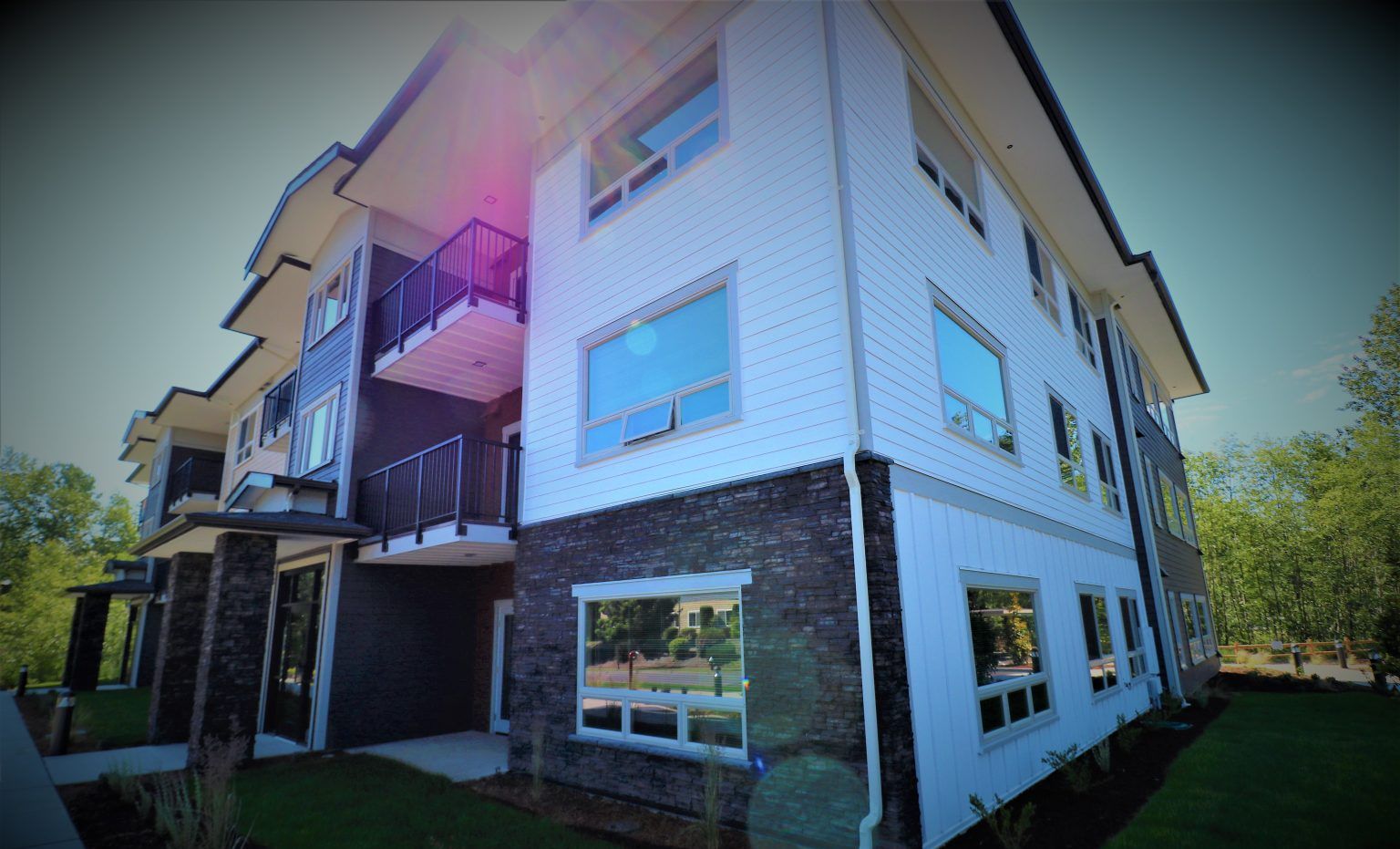
In Ridge Manor, siding is not a decorative wrap you nail to the wall and forget — it's a wind-rated building assembly regulated by the Florida Building Code. The specific siding product, the fasteners used to attach it, and the pattern those fasteners follow all have to trace back to a Florida Product Approval (or an accepted equivalent) that covers the design wind speed for your lot, and a Hernando County building inspector will check the installed wall against that approval before signing off on the permit.
Florida doesn't let a siding manufacturer just claim a product is "hurricane rated" and leave it at that. Under the Florida Building Code, most exterior wall coverings — vinyl, fiber cement, engineered wood, and metal panel systems alike — have to carry a Florida Product Approval number (an "FL#") issued through the state's product approval system, or a Miami-Dade Notice of Acceptance that meets or exceeds the statewide requirement. That approval document is a technical file: it lists the exact wind pressure the assembly was tested to, the fastener type and length used in testing, the maximum spacing between fasteners, and often the substrate the siding is allowed to be attached to (wood sheathing versus foam versus furring strips, for example).
The wind pressure a wall assembly has to resist isn't a flat number statewide — it comes from the ASCE 7 wind speed maps referenced by the Florida Building Code, adjusted for the building's exposure category (how open or sheltered the surrounding terrain is) and its height. Inland communities like Ridge Manor generally sit at a lower mapped design wind speed than barrier-island and immediate coastal parcels, but "lower" in Florida still means the assembly has to hold up to a serious hurricane-force load — it is not the same as a mild-climate wind rating used in states further from the Gulf. A licensed contractor pulling a Hernando County permit has to identify which wind speed and exposure category apply to the specific address, then choose a siding product whose Florida Product Approval actually covers that number. Installing a product rated for a lower wind pressure than the site requires is a code violation even if the siding looks fine going up.
Fastening is where a lot of the actual protection lives, and it's also where corners get cut on lower-quality installs. The product approval specifies a nailing or screw schedule — how far apart fasteners go, how far they're set back from panel edges, and how deep they have to penetrate the framing or sheathing behind the siding. Loose or shallow fastening is one of the most common reasons siding fails in a windstorm long before the product itself would have. Florida's humidity also pushes the fastener spec in a direction homeowners in drier states don't have to think about: fasteners generally need to be corrosion-resistant, typically hot-dip galvanized or stainless steel, because standard steel fasteners can corrode and lose holding strength over years of exposure to Florida's moisture load, even well inland.
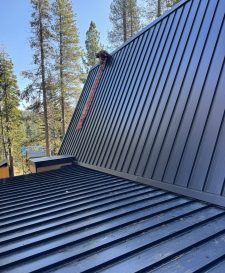
Ridge Manor sits inland in Hernando County, closer to the Withlacoochee State Forest and the Sumter County line than to the Gulf coast, and that inland position genuinely changes a few things compared with a beachfront or barrier-island property. It's still squarely inside Florida's hurricane wind zones and still governed by the same Florida Building Code wind provisions, but it typically falls outside the tightest wind-borne debris regions that apply within a mile or so of the coastline — those areas carry extra impact-resistance requirements for openings that don't automatically extend to siding this far inland. That distinction matters for planning: it means the wind load the wall assembly has to resist is still substantial, but the product approval math a contractor runs for a Ridge Manor address is not identical to the math for a home closer to the water.
What doesn't change moving inland is Florida's humidity. Hernando County sits under the same subtropical, high-moisture air mass as the rest of the Tampa Bay region for most of the year, and that constant moisture load is hard on any exterior wall system that traps water behind it. A water-resistive barrier (house wrap or building paper) has to be installed and lapped correctly behind the siding, drainage paths have to actually drain, and the siding itself needs enough back-ventilation or drainage capacity to let incidental moisture escape instead of sitting against the sheathing. Get that wrong and the failure isn't cosmetic — it shows up as sheathing rot, mold behind the wall, and soft spots around window and door openings, often years after the siding itself still looks presentable from the street.
Intense, near year-round UV exposure is another factor that's easy to underweight. Lower-grade vinyl siding in particular can fade, chalk, or become brittle faster under Florida sun than the same product would in a milder climate, and heat-related expansion and contraction is more pronounced here too — which is exactly why the fastening pattern in the product approval usually calls for siding to be hung, not nailed down tight, so panels can move slightly with temperature swings without buckling. Subterranean termites are also active throughout Hernando County, and while termites don't attack vinyl or fiber cement siding directly, they do attack the wood trim, fascia, and sheathing that sits behind and around it — which is why any re-side project that exposes old wood framing is a good moment to check for termite damage and wood-destroying-organism activity before new siding closes the wall back up.
The most useful thing a Ridge Manor homeowner can do before signing a siding contract is ask for the specifics in writing rather than taking "code compliant" as a given. That means:
It's also worth being realistic about tradeoffs. Higher wind-rated, thicker-gauge siding products generally cost more than entry-level options, and the more rigorous the fastening schedule, the more labor time an installation takes — a contractor quoting a noticeably faster, cheaper job may be cutting on fastener spacing, product grade, or both. On the other end, over-specifying a heavier assembly than your address actually requires adds cost without adding real protection. A contractor who can point to the exact wind speed and exposure category for your parcel, and match a product approval to it, is doing the work correctly rather than guessing in either direction. Alpine Exteriors works through that matching process on every Tampa Bay-area project, including homes further inland like Ridge Manor, and carries Florida contractor license RB29003900, which homeowners can verify independently through the state licensing lookup before hiring anyone for exterior work.
Generally yes — replacing or re-siding a significant portion of a home's exterior wall covering requires a building permit in Hernando County, and the inspection tied to that permit is exactly where the fastening pattern and product approval get checked. Some very small repair patches may fall outside permit thresholds, but a full re-side project almost always needs one, and a licensed contractor like Alpine Exteriors will pull it as part of the job rather than leaving that step to the homeowner.
The design wind speed for a specific parcel comes from the ASCE 7 wind speed maps referenced in the Florida Building Code, combined with the site's exposure category, and it can vary somewhat even within Hernando County depending on terrain and distance from open water. Rather than relying on a single countywide number, a contractor should pull the figure that applies to your exact address and match the siding's product approval to it — that's a plan-review-level detail, not a rule of thumb.
Florida's wind mitigation inspection (the OIR-B1-1802 form) is mostly focused on the roof — roof shape, roof deck attachment, roof-to-wall connections, and opening protection — so a siding replacement by itself typically doesn't change the wind mitigation credits an insurer applies. That said, it's worth keeping your permit and final inspection paperwork from the siding job on file, since some insurers ask for documentation of code-compliant exterior work when underwriting or renewing a policy, separate from the wind mitigation form itself.
A properly rated vinyl siding product, installed with the correct fastening pattern and a working water-resistive barrier behind it, holds up reasonably well to Hernando County's heat, humidity, and UV exposure over its expected service life. Problems tend to trace back to installation shortcuts — siding nailed too tight so it can't expand and contract with temperature swings, a missing or poorly lapped house wrap, or a lower-grade product not really built for sustained subtropical sun — rather than to vinyl as a material being unsuited to the climate.
If you're planning a siding project on a Ridge Manor home, or anywhere else in Hernando or Pasco County, it's worth having someone walk the specific wind speed, product approval, and fastening requirements for your address before a shovel — or a nail gun — touches the wall. Alpine Exteriors serves the greater Tampa Bay area, including Wesley Chapel, Lutz, Land O' Lakes, New Port Richey, Plant City, Zephyrhills, and surrounding Hernando County communities, and holds Florida contractor license RB29003900. Reach out for a walkthrough and a written estimate that spells out the product approval and fastening plan for your home before any work begins.