
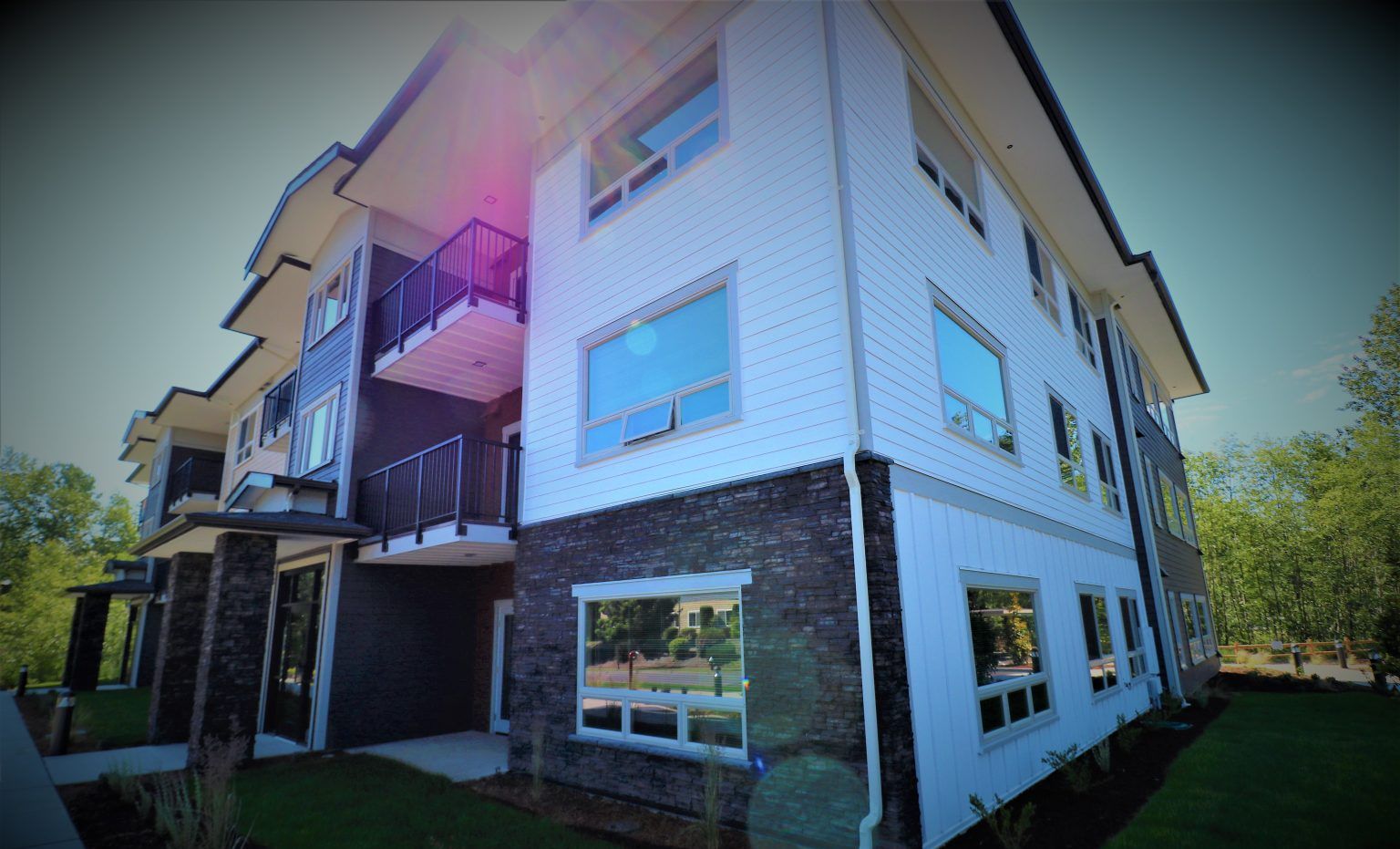
In Seffner, siding permits come from Hillsborough County's building division, not the City of Tampa — Seffner is unincorporated, so the county has jurisdiction over almost every exterior construction project here. Most siding work, whether it's a full tear-off or a recover over what's already on the wall, requires a permit before a crew touches the house.
The exceptions are narrow: patching a small damaged section with matching material, or repairs that don't change the wall assembly, sometimes fall under work a plans examiner will wave through without a separate permit. But that determination is made by the county, not by whichever contractor happens to be standing on the ladder, and guessing wrong is the kind of mistake that shows up later during a home sale or an insurance claim.
A siding permit in Hillsborough County is a building permit, and it exists to confirm that whatever goes on the exterior wall meets the wind, water, and structural provisions of the Florida Building Code. When a contractor applies, the submission typically includes the scope of work, the contractor's license number, and the Florida Product Approval or Miami-Dade Notice of Acceptance number for the specific siding product being installed — not just the brand, but the exact profile and fastening pattern, because that's what ties the product to a tested wind-pressure rating.
That fastening detail matters more than most homeowners expect. Vinyl, fiber cement, and engineered wood siding are only rated for the wind pressures the manufacturer tested — nail spacing, fastener type, and starter-strip attachment all have to match the approved installation instructions referenced in the permit, or the product isn't actually installed to code even if it looks fine from the curb. If the scope includes replacing sheathing or house wrap underneath, that becomes part of the plan review too, since the weather-resistant barrier and flashing details around windows, doors, and penetrations are part of what keeps wind-driven rain out of the wall cavity.
Permits are filed and tracked through the county's online permitting portal. Contractors including Alpine Exteriors file this application digitally and attach the product approval documentation up front, which helps avoid back-and-forth during review. For most re-siding jobs on an existing single-family home, this falls under residential permitting rather than a full plan review — faster, but still real, with real inspections attached. An owner can technically pull an owner-builder permit, but the county holds that owner to the same code requirements as a licensed contractor, and doing it without experience on a wind-rated assembly is where a lot of costly redo work starts.
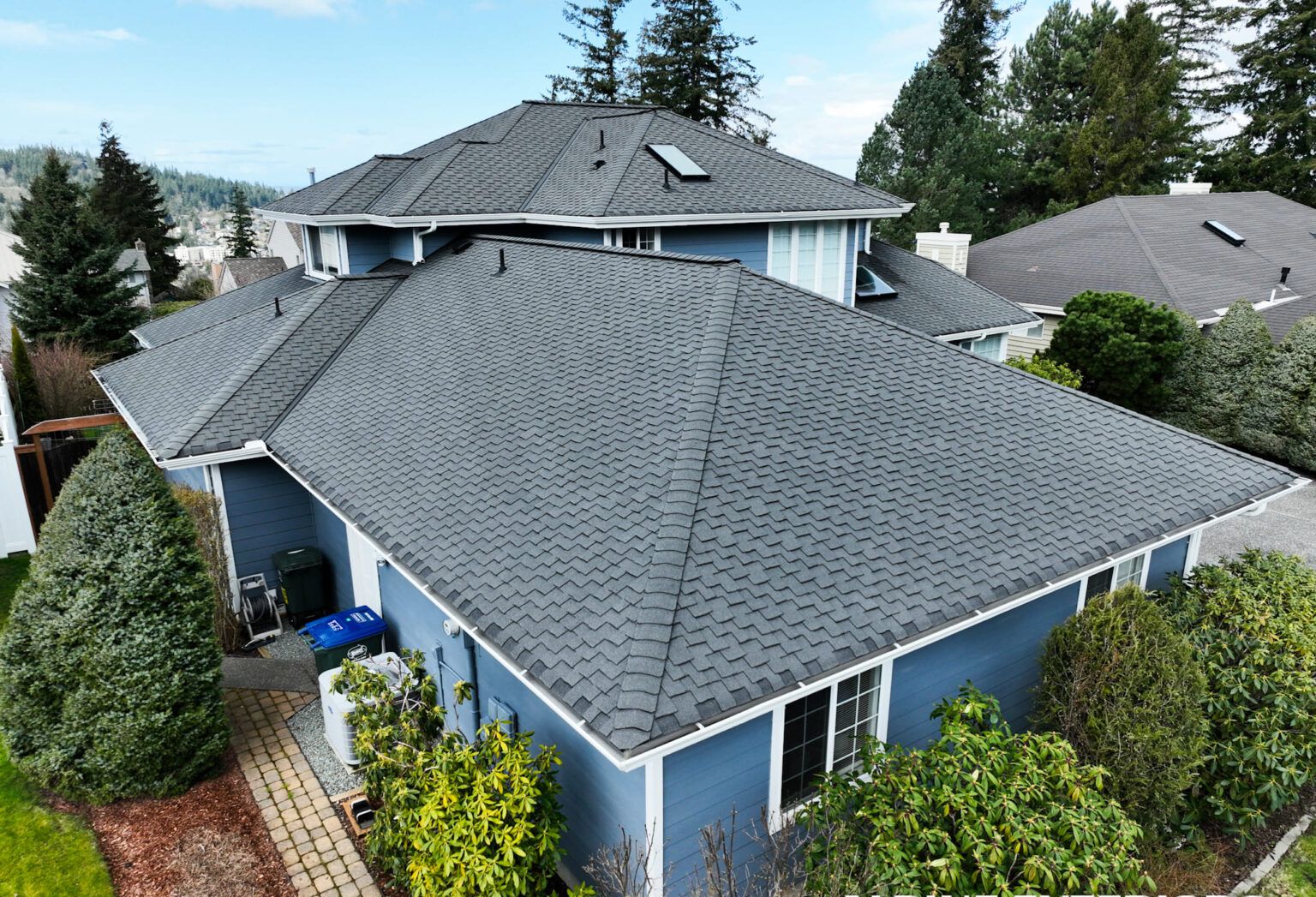
Hillsborough County sits inside the wind-borne debris and elevated wind-speed portion of the Florida Building Code's maps, which is the whole reason product approval and fastening schedules get checked so closely here. Siding that would pass inspection without a second thought in a low-wind-speed state has to be rated and installed to hold up under hurricane-strength gusts, and the permit review exists specifically to catch a mismatch between what's on the wall and what's rated for this wind zone before it becomes a problem during the next storm.
Wind-driven rain is the other half of that equation. A storm here doesn't just push wind against a house — it drives rain sideways, up under laps, and into any gap in the weather-resistant barrier. That's why inspectors care about house wrap continuity, flashing laps, and drainage behind the siding as much as they care about the siding itself; a beautiful re-side job with a compromised water plane behind it just delays the damage instead of preventing it.
Between storms, the Tampa Bay area's humidity and long, wet summer season put steady pressure on anything behind the cladding. Moisture that gets trapped instead of drained tends to become mold and rot rather than just drying out, especially in wall cavities that don't see much airflow. Intense, near year-round UV adds a slower but real cost too — sun exposure is part of why certain siding colors and materials fade or chalk faster here than they would farther north, which is worth factoring into material choice, not just code compliance.
Termites are the last piece, and they're a Florida-specific reason the permit process cares about clearance from grade and contact with untreated wood. Subterranean termites are established throughout Hillsborough County, and siding installed too close to soil or mulch, or over wood trim without the right treatment or flashing, creates exactly the hidden, moisture-holding conditions they look for.
Start by confirming, in writing, that whoever is doing the work is pulling the permit under their own license before any material shows up. Alpine Exteriors, which holds Florida contractor license RB29003900 and works throughout the Tampa Bay area including Seffner, handles the permit application, the product approval paperwork, and the inspection scheduling as part of the job rather than treating it as an add-on — that's a reasonable baseline to expect from any licensed siding contractor here, not a special favor.
A few practical steps make the process smoother:
None of this makes the process instant. Between application review, scheduling inspections, and county workload, a siding permit adds real time to a project timeline, and it's fair to ask a contractor for a realistic estimate of that timeline up front rather than a vague one.
Both generally require a building permit in Hillsborough County, but the scope of review differs. A recover, where new siding goes over sound existing material, usually involves a lighter review focused on the new product's approval and fastening. A full tear-off exposes the sheathing and house wrap, so it opens up review of the whole wall assembly — sheathing condition, weather-resistant barrier, and flashing — which is also why a tear-off tends to surface problems, like water damage behind old siding, that a recover would have hidden.
It varies with the county's current workload and the completeness of the application, and there's no fixed number worth promising. A straightforward recover on a single-family home with a complete application, correct product approval numbers, and no additional scope tends to move faster than a job that includes sheathing replacement or structural changes, which can trigger a more detailed plan review. Building the permit timeline into the project schedule from the start avoids the frustration of a crew standing by with materials and no green light to start.
The most common consequence shows up later, not immediately — at a home sale, a refinance, or an insurance inspection, when unpermitted exterior work gets flagged. That can mean an after-the-fact permit application, an inspection of work that's already closed up, sometimes requiring it to be opened back up to verify what's underneath, fines, or a buyer or insurer treating the siding as non-compliant regardless of how well it was actually installed. It also removes the paper trail that ties the installation to a tested, wind-rated assembly, which matters if a storm damages it later.
Not usually just for siding itself, but it depends on what the permit review finds once the wall is opened up. If sheathing is deteriorated, if the existing fastening doesn't meet current wind-pressure requirements, or if the scope includes something like removing and replacing damaged framing, that can bring additional structural requirements into the permit. This is one more reason a full tear-off is worth doing with a licensed contractor who will flag those issues honestly instead of covering over them.
Permits exist to protect the homeowner as much as anyone — they're the record that ties a siding job to code-compliant materials and installation in a part of Florida where wind, rain, and humidity all put real pressure on an exterior wall. Alpine Exteriors, Florida contractor license RB29003900, serves Seffner and the rest of Hillsborough County alongside Tampa, Wesley Chapel, Lutz, Land O' Lakes, New Port Richey, Plant City, and Zephyrhills, and handles the Hillsborough County permit application, product approval documentation, and inspection scheduling as part of every siding project. If you're planning a re-side and want a straightforward answer about what your project will require before work starts, reach out to Alpine Exteriors for a consultation.