
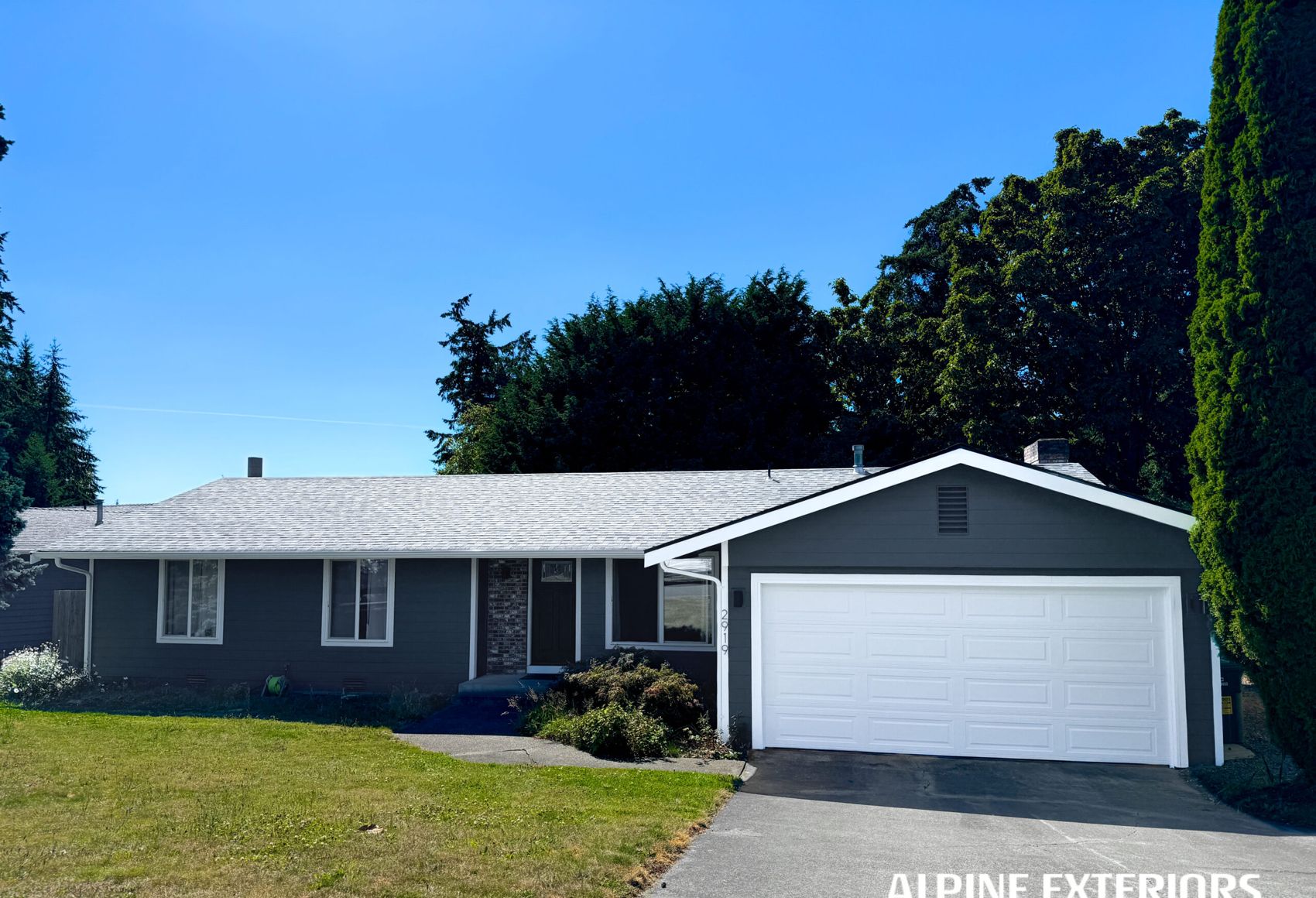
Most siding problems in Seven Oaks come down to three things: wind-driven rain finding a gap, humidity trapped behind the panels, and years of Florida sun breaking down the material's surface. If the damage is limited to a section or two and the rest of the siding is sound, repair is almost always the right call. If the damage is widespread, the siding is more than fifteen or twenty years old, or you can no longer buy a matching color and profile, replacement of that elevation — or the whole house — usually makes more financial sense than chasing patches.
Seven Oaks is a mature, master-planned community in Wesley Chapel, and most of its homes were built from the mid-2000s through the following decade. That means a lot of the original siding — whether it's vinyl on gable accents, fiber cement lap siding, or synthetic stucco trim — is now old enough to be showing its age, and homeowners association standards in the neighborhood mean repairs also need to look right, not just function right.
Before deciding how to fix siding, it helps to know what's actually attacking it in this part of Pasco County. The damage patterns here aren't random — they follow a predictable list of regional stressors.
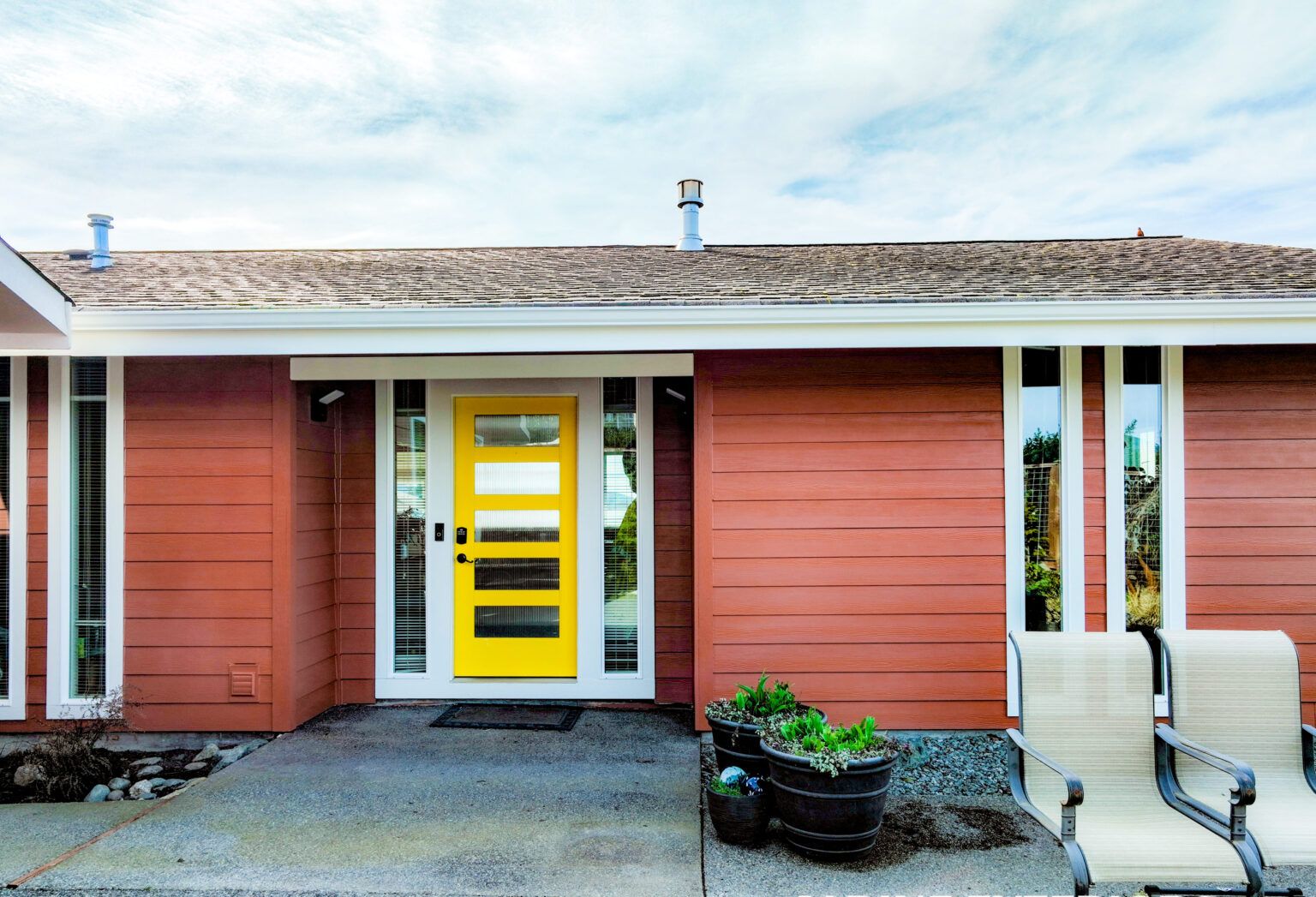
Repairing siding in Pasco County isn't the same job as repairing siding in a drier, calmer climate, and the differences show up in both the code requirements and the practical decisions a contractor has to make.
Florida's building code treats exterior wall coverings as part of the structure's wind and water defense, not just a cosmetic layer. Any siding product installed or replaced in Pasco County has to carry current Florida Product Approval (or a Miami-Dade Notice of Acceptance accepted under the statewide system) showing it meets the wind pressure ratings for the area, and installation has to follow the manufacturer's fastening schedule for the applicable design wind speed under the Florida Building Code. This matters most on repairs, where it's tempting to just match the old panel and nail pattern without checking whether that pattern still satisfies current code — especially on additions, gable ends, or any siding tied into a re-roof or window replacement, since those trigger their own permitting and inspection.
Wind mitigation also affects the insurance side of the decision. Homeowners who have an OIR-B1-1802 wind mitigation inspection on file know that features like opening protection and roof-to-wall connections drive most of the premium credit, but insurers and adjusters do look at overall exterior condition, and siding that's visibly failing — buckled panels, exposed sheathing, missing trim — can come up during a wind mitigation or four-point inspection. Keeping siding sound isn't just a cosmetic matter here; it can affect what an insurer is willing to write or renew.
The other regional factor is simply how fast small problems compound. In a low-humidity climate, a cracked caulk joint might sit for years without causing real damage. In Seven Oaks, that same crack is exposed to near-constant moisture in the air and, several times a summer, driving rain — so the timeline from "minor cosmetic issue" to "rotted sheathing behind the siding" is much shorter. That's the main reason repair decisions here lean toward addressing problems promptly rather than deferring them.
When you notice a damaged section of siding, the practical path is straightforward, even if the underlying decision — repair or replace — takes some judgment.
It's also worth being honest about the drawbacks of each path. Repairs are cheaper up front — a section of vinyl or fiber cement patched in typically runs a few hundred to a couple thousand dollars depending on size and material — but they carry the risk of a visible color or texture mismatch, and they don't extend the life of the siding elsewhere on the house that's aging at the same rate. Full replacement costs considerably more and means living with a work crew and some noise for a period of days to a couple of weeks, but it resets the clock on the whole elevation and lets you upgrade to a higher wind-rated or more UV-stable product than what may have been used originally. Neither choice is automatically right; it depends on the age and extent of the damage, the budget, and how much longer the homeowner plans to stay in the house.
Look at how much of the wall is affected and what's underneath. A single cracked or dented panel with dry, solid sheathing behind it is a straightforward repair. Soft or spongy material when you press near the damage, staining that spreads beyond the immediate area, or a musty smell coming from that wall are signs the moisture has already spread, and that usually means removing more siding than the visibly damaged piece to check the extent before deciding on repair versus replacement.
Sometimes, but not always. If your siding is a common color and profile that's still in production, a close match is usually possible for at least the near term. If it's an older or discontinued style, or if years of Florida sun have faded the surrounding panels, an exact match becomes difficult even with new material from the same manufacturer. In those cases, the more realistic options are re-siding a full elevation so everything is uniform, or accepting a slight visible difference on a patch that isn't in a prominent location.
It can, particularly after a named storm has caused wind or wind-driven rain damage rather than gradual wear. Coverage depends on the policy, so that's a conversation with the insurer or adjuster, not something a contractor can promise. Separately, the condition of your exterior can come up during a wind mitigation inspection using the state's OIR-B1-1802 form or during a four-point inspection for renewal — keeping siding, trim, and flashing in good repair supports those inspections even though siding condition itself isn't the main driver of wind mitigation credits.
Not the siding material itself — vinyl and fiber cement aren't a food source for termites. The risk is in what's behind and around the siding: wood trim, fascia boards, window and door bucks, and the wall sheathing. If a section of siding has a soft area that turns out to be termite damage rather than water damage, that's a signal to have the framing and trim checked, not just the visible cladding, since termite damage often extends further than what's showing on the surface.
If you're looking at a damaged section of siding in Seven Oaks, Wesley Chapel, or anywhere else in Pasco County and aren't sure whether it needs a patch or a full re-side, Alpine Exteriors can take a look and give you a clear answer along with an honest read on cost and timeline. As a licensed Florida contractor (RB29003900) working throughout the Tampa Bay area, Alpine Exteriors can also confirm what product approval and permitting apply before any work starts, so the repair holds up structurally and doesn't create problems at your next insurance renewal or home sale. Reach out to schedule an inspection and get a repair-versus-replace recommendation you can actually act on.