
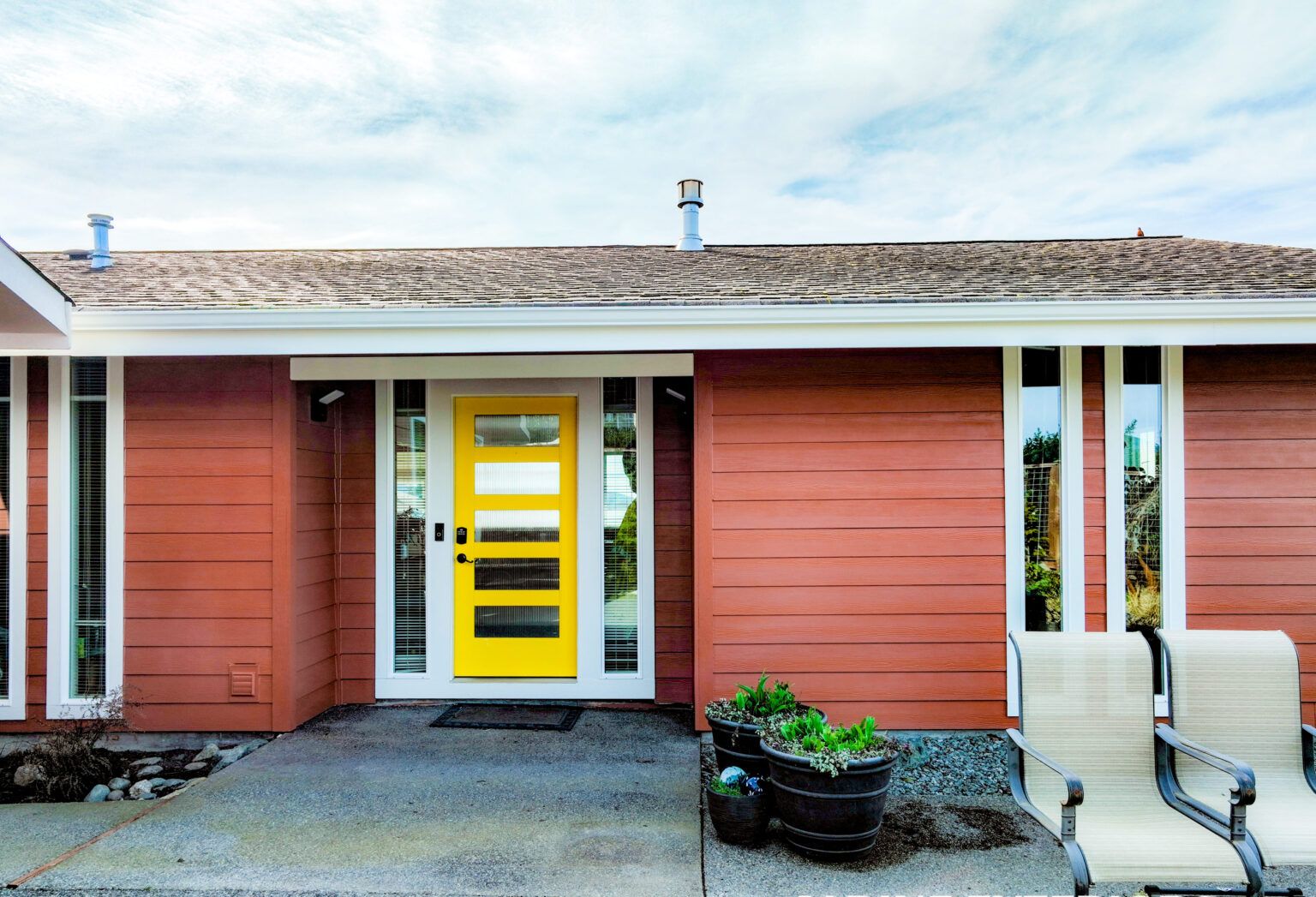
Crystal Springs sits inland in eastern Pasco County, between Zephyrhills and Wesley Chapel, on older lots with mature oak canopy and homes that have weathered a few decades of Florida summers. That combination — shade, humidity, and years of subtropical sun — is hard on exterior siding in ways that are easy to miss until a small problem becomes an expensive one. Alpine Exteriors works on homes throughout the Tampa Bay area, including Crystal Springs, Zephyrhills, Wesley Chapel, Lutz, Land O' Lakes, New Port Richey, Plant City, and Tampa itself, and the same handful of failure patterns show up again and again on inland Pasco County homes. This guide walks through what to look for, what's actually causing it, and how to tell the difference between a repair that can wait and one that shouldn't.
None of these show up by accident. Each one traces back to something specific about building a house in this part of Florida: heat, humidity, wind, or the pests and moisture that come with both.
Vinyl siding is designed to expand and contract with temperature, which is why panels are hung loosely over their nailing fins rather than nailed down tight. On older installs, or ones done by crews unfamiliar with Florida's temperature swings between a 95-degree August afternoon and a cool January night, panels are sometimes fastened too snugly. Over enough heat cycles, that panel has nowhere to go and starts to buckle or wave. It shows up worst on west- and south-facing walls, where the sun hits hardest and longest during a Pasco County summer. A single wavy panel is usually cosmetic. Widespread waving across a whole elevation often means the installation itself was off and more panels are likely to follow.
Intense, near-constant UV exposure breaks down the polymer in vinyl siding over time, and fiber cement's paint or factory finish weathers the same way. As siding ages, especially anything original to a home built 15 to 25 years ago, it loses flexibility. Brittle panels crack from wind-thrown debris during a summer thunderstorm or tropical system, from a stray baseball, or sometimes just from being pressed on during a pressure wash. Once a panel cracks, wind-driven rain has a direct path behind it, which is where a cosmetic problem turns into a moisture problem.
Every hurricane season, even a "quiet" one, subjects siding to repeated wind loading — not necessarily a direct hit, but the outer bands of storms that pass well offshore still bring sustained gusts through inland Pasco County. Over years of that cycling, fasteners work loose and seams that were once tight start to separate. Poor original installation makes this worse: siding installed without the manufacturer's specified overlap or without room for expansion tends to buckle first, then gap. Any gap wide enough to see daylight or slide a fingernail into is a gap wide enough for wind-driven rain to get behind the panel during the next storm.
This is one of the more serious signs, and it's common on homes with wood trim, fascia, or older wood or engineered-wood siding. Florida's humidity keeps wood assemblies damp longer than they'd stay in a drier climate, which feeds rot fungi. Subterranean termites add to the problem — they're active throughout the Tampa Bay area and will travel up through mulch beds, foundation cracks, or siding that sits too close to grade to feed on cellulose behind or beneath the cladding. If a trim board gives when you press it, or you notice small mud tubes running up the foundation toward the siding, that's not weathering — that's an active moisture or pest problem, and it typically doesn't stay contained to one small area.
Shaded walls under mature trees — common throughout Crystal Springs — stay damp longer after rain or morning dew, and that's exactly what mildew needs to take hold. Surface mildew that wipes off and comes back slowly over a season is mostly a maintenance issue. Dark staining that returns quickly after cleaning, or that shows up on interior drywall near the same wall, points to moisture getting trapped behind the siding rather than just sitting on top of it, often due to a compromised water-resistive barrier or missing house wrap.
You'll sometimes hear this before you see it — a panel that ticks or rattles in a stiff breeze. Repeated wind loading over several hurricane seasons gradually works fasteners loose, and once a panel isn't fully secured, it loses the wind resistance it was rated for when installed. A loose panel is also a real hazard in a storm: it can tear free and become windborne debris that damages a window, a neighbor's property, or the rest of the house. It also strays from the installation the product's Florida Product Approval was based on, which matters if you ever need to make a warranty or insurance claim tied to storm damage.
Fiber cement siding is durable, but its factory finish or field-applied paint isn't maintenance-free — it needs recaulking and repainting on a schedule, and Florida's UV load shortens that schedule compared to milder climates. Chalking (a powdery residue that rubs off on your hand) is normal aging and mostly cosmetic. Peeling that exposes bare fiber cement or wood underneath is more than cosmetic, because it opens the substrate to moisture it wasn't designed to absorb directly.
Flashing details — where siding meets a window flange, a door frame, or the roofline — are the most common point of water intrusion on any house, and Florida's wind-driven rain finds these weak points fast. Homes with additions, older remodels, or window replacements that weren't detailed to current Florida Building Code water-management standards are especially prone to warping, staining, or soft trim right at these transitions. If you see damage concentrated around openings rather than spread evenly across a wall, the flashing — not the siding field itself — is usually the root cause.
Not every sign on this list means calling a contractor tomorrow. Here's a general guide to sequencing repairs, though a physical inspection is the only way to know for sure what's happening behind the surface.
| Sign | Urgency | Why |
|---|---|---|
| Soft, rotting wood or visible termite mud tubes | Act now | Active moisture or pest damage spreads and can reach framing |
| Loose, rattling, or backed-out panels before storm season | Act now | Risk of becoming windborne debris in the next wind event |
| Gaps or cracks that let daylight or water through | Act now | Direct path for wind-driven rain into the wall assembly |
| Recurring dark staining tied to interior moisture signs | Act soon | Suggests a compromised water-resistive barrier, not just surface dirt |
| Surface mildew that cleans off easily | Can wait, monitor | Cosmetic and common in shaded, humid areas |
| Chalky or faded finish with no cracking | Can wait | Normal UV aging; plan for repainting or refinishing on your schedule |
| One or two waving panels, no gaps | Can wait, monitor | Likely a minor install or fastening issue, worth watching for spread |
If you're seeing one or more of these signs, a few practical steps make the process easier and cheaper, in roughly this order:
Urgent repairs — active rot, termite damage, or loose panels heading into hurricane season — shouldn't wait for a "better time." Cosmetic issues like chalking or minor fading can reasonably be scheduled around your budget and the contractor's calendar.
It varies more than people expect, mostly based on sun exposure, original install quality, and material. Vinyl siding on a well-installed, moderately shaded home can hold up for two to three decades, while an unshaded south- or west-facing wall may show real wear well before that. Fiber cement generally lasts longer structurally but depends on keeping paint and caulking maintained on a regular cycle. Rather than relying on age alone, it's more reliable to judge condition by the signs above than by a calendar.
Spot repairs are often possible if the damage is isolated and you can find a reasonably close color match — vinyl fades over time, so a brand-new panel next to 15-year-old siding can stand out. If an inspection finds rot, termite damage, or a compromised water-resistive barrier underneath, though, the repair usually needs to open up a wider area than the visible damage suggests, because the surface problem is rarely the full extent of it.
It depends on the cause, and it's worth checking your specific policy rather than assuming. Sudden damage from a wind event — panels torn off in a storm, for example — is often covered as storm damage. Termite damage and general wear from age or lack of maintenance are typically treated as maintenance issues and excluded from standard homeowners policies, which is why separate termite treatment or bond coverage exists. Documenting damage right after a storm, before any repairs, gives you the strongest basis for a claim either way.
Yes. Exterior wall coverings, including siding, fall under the Florida Building Code, and the material installed needs a Florida Product Approval that matches the wind design pressures applicable to your home's location and exposure category. This is part of why a licensed contractor pulling a permit matters — the permitting and inspection process checks that the product and installation method are actually rated for what a Tampa Bay area storm can throw at it, not just that it looks right going up.
If your Crystal Springs home is showing any of the signs above, it's worth getting eyes on it before the next storm season rather than after. Alpine Exteriors, Florida contractor license RB29003900, inspects and repairs siding throughout Tampa, Wesley Chapel, Lutz, Land O' Lakes, New Port Richey, Plant City, Zephyrhills, and surrounding Pasco County communities including Crystal Springs. A straightforward inspection can tell you whether you're looking at a minor repair or something more urgent, and give you a clear, honest picture of what it will take to fix it right.