
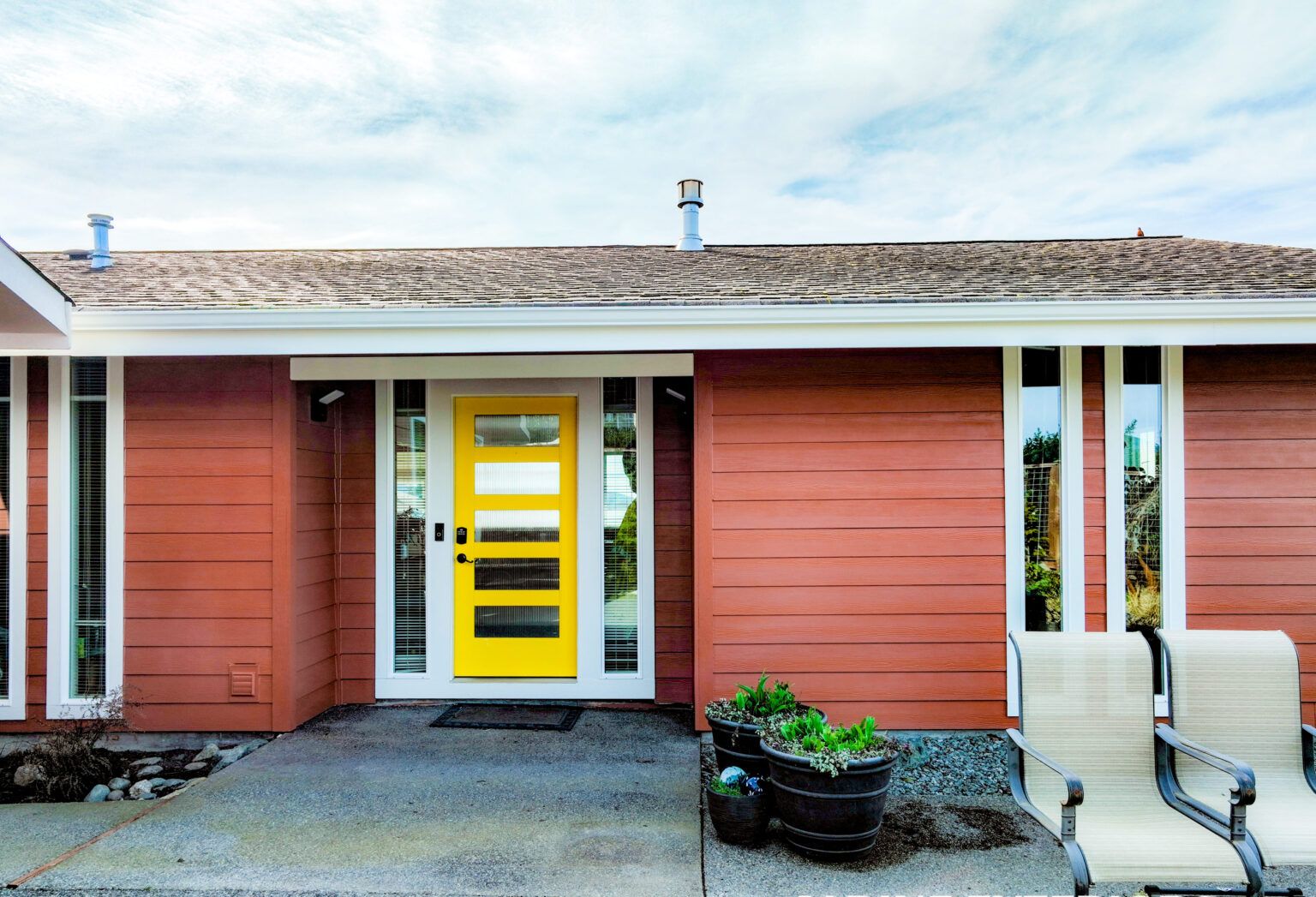
After a Pasco County storm, siding damage in Starkey Ranch usually shows up as lifted or cracked panels, torn house wrap at seams, and soft or discolored spots where wind-driven rain got behind the cladding rather than a single dramatic hole. Walk the exterior within a day or two of the storm, photograph everything before you touch it, and get a licensed contractor's eyes on it before you sign anything with an insurance adjuster or a door-knocking repair crew.
Most siding failure in this part of Florida isn't caused by a single big gust ripping a panel off, though that does happen in the stronger bands of a hurricane or a severe thunderstorm cell. More often it's a slower process: wind pressure flexes a panel or lifts its bottom edge just enough to break the lock between courses, and then wind-driven rain — rain moving sideways, not falling straight down — gets pushed up and under that opening. Once water is behind the siding, it's sitting against the house wrap, the sheathing, and the framing, and Pasco County's humidity means that moisture doesn't dry out quickly. A storm that looks cosmetic from the street can leave a panel doing very little to protect the wall behind it.
The specific things to look for after a wind event:
None of these are things you want to leave for "next spring." Even a small gap that lets water track behind the siding will keep doing that every time it rains until it's sealed or the panel is replaced, and in Pasco County it rains often enough that a season is more than enough time for that moisture to become a real problem in the wall assembly.
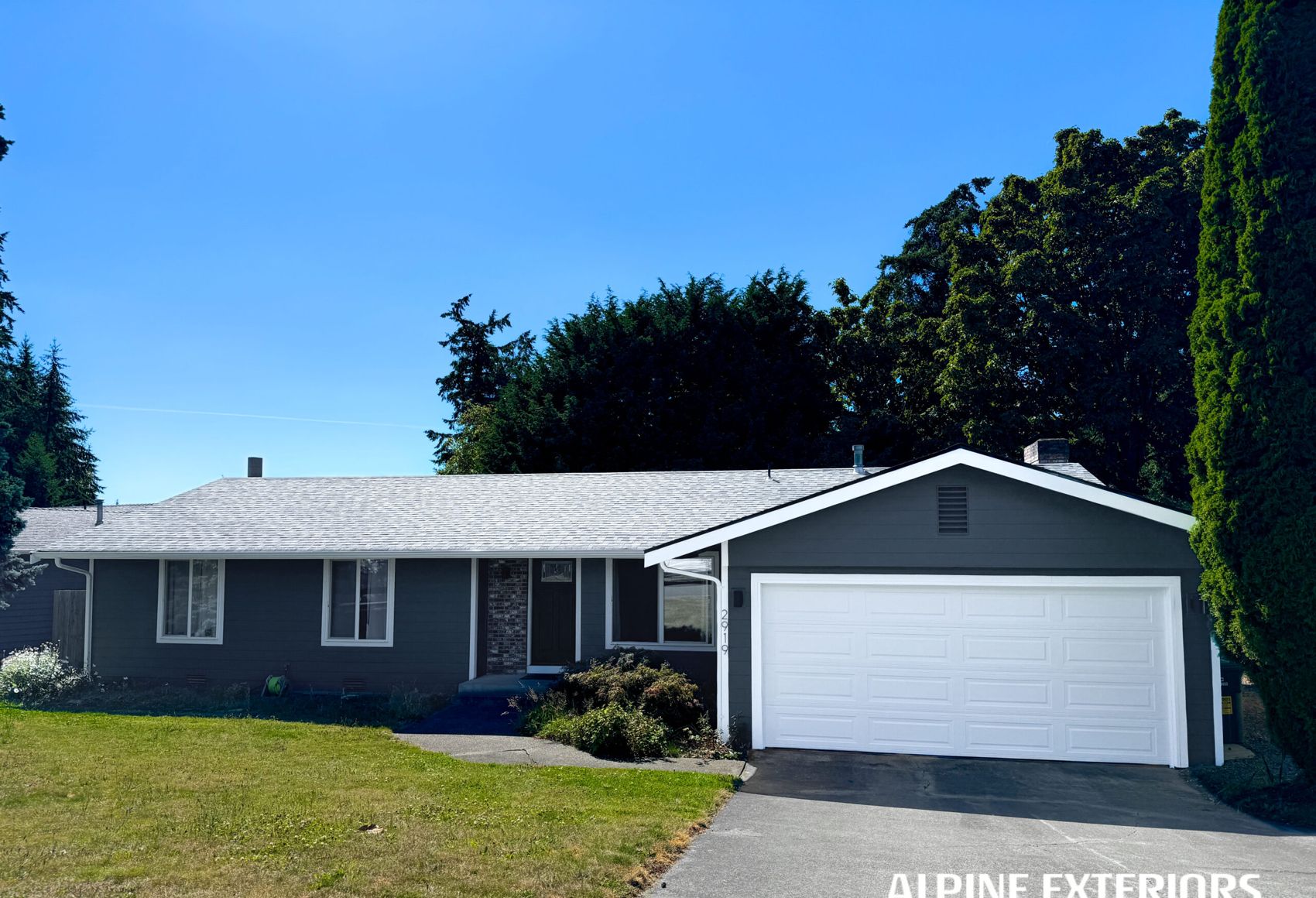
Starkey Ranch sits inland in Pasco County, which puts it far enough from the Gulf that salt air isn't a major factor in siding wear the way it is for homes closer to the coast — that's one thing homeowners here don't need to worry about as much. But almost everything else about Tampa Bay's climate still applies at full strength, and it shapes both how siding fails and how it should be repaired.
Hurricane and tropical-storm wind loads are the baseline design condition, not an occasional worry. Siding materials sold and installed in this part of Florida are supposed to carry a Florida Product Approval or a Miami-Dade Notice of Acceptance showing they've been tested for the wind pressures the Florida Building Code requires for this county, and the fastening pattern matters as much as the product itself — a good panel installed with the wrong nailing pattern or spacing will still fail under load. When a Starkey Ranch home takes storm damage, part of a proper repair is making sure whatever goes back up meets that same wind-load standard, not just whatever happens to be in stock.
Wind-driven rain is the other half of the equation, and it's the reason so much storm damage in this area is water damage rather than pure wind damage. Florida's building code assumes water will find its way to seams and penetrations during a storm, which is why flashing details, house wrap laps, and weep paths matter so much here — far more than they would in a drier climate where a slightly imperfect seal might just never get tested.
Add in the humidity. Tampa Bay's air stays heavy and moist for most of the year, so any wood trim, sheathing, or framing that gets wet behind siding dries slowly, if it dries at all before the next rain. That slow-drying cycle is exactly the environment mold needs, and it's also attractive to subterranean termites, which are established throughout Pasco County and will move into damp wood framing behind a compromised siding section long before a homeowner notices anything from the outside. A storm-damaged section of siding that sits unrepaired for months isn't just a cosmetic problem — it's an invitation for both.
Finally, intense Florida UV is a year-round stressor on siding even without storms, and it compounds storm damage. UV breaks down caulk, sealants, and the surface finish on both vinyl and fiber cement over time, so seams and trim that were marginal before a storm are often the first to fail once wind and rain put real pressure on them. A repair that ignores UV-worn sealant around the new work is a repair that's likely to leak again within a year or two.
Start with documentation, not repairs. Walk the full perimeter of the house and take clear photos and video of every panel, corner, and trim piece that looks affected, including wide shots that show the damage in context and close-ups of cracks, gaps, or staining. Do this before any tarps go up or any temporary repairs happen, because insurers weigh pre-repair documentation heavily.
Do a careful visual inspection from the ground and, if it's safe, from a ladder at the lower courses — don't get on a roof or work at height right after a storm when conditions are still unstable. Press gently on any siding that looks discolored or bowed to check for softness. Check the attic or any accessible wall cavity near obviously damaged exterior sections for water intrusion, since interior staining is often the clearest sign that a panel failure has already let water through.
Cover openings temporarily if water intrusion is active — a tarp or house wrap patch to stop ongoing damage is reasonable and often expected by insurers as mitigation, but keep it simple and keep photos of the temporary fix too. Avoid full permanent repairs before an adjuster has seen the damage unless the contractor and insurer have agreed on that approach in advance.
On the insurance side, most Florida homeowner policies distinguish between wind damage and flood damage, and siding claims typically fall under wind and hail coverage rather than flood, but the adjuster will still want to understand exactly how water got in. If the home has a current wind mitigation inspection on file — the OIR-B1-1802 form that documents roof shape, opening protection, and other wind-resistance features — pull that out, because it can affect both the claim and the premium going forward, though it primarily documents roof and opening features rather than siding itself. Keep receipts for any temporary repairs, and don't sign an assignment-of-benefits agreement with a repair crew you haven't vetted just because they showed up first.
Get a written estimate from a licensed Florida contractor before committing to a repair scope. Alpine Exteriors, which holds Florida contractor license RB29003900 and works throughout Tampa Bay including Starkey Ranch, Wesley Chapel, Lutz, Land O' Lakes, New Port Richey, Plant City, and Zephyrhills, can walk a storm-damaged exterior, document the scope for an insurance claim, and spell out what a code-compliant repair actually requires — including matching wind-load-rated products and correct flashing at any opened-up seams. Be honest with yourself about drawbacks going in: matching an older siding product exactly is sometimes impossible if it's been discontinued, a full-elevation or whole-house re-side may end up being more cost-effective than patching several scattered damaged sections, and insurance settlements don't always cover full replacement if the adjuster classifies the damage as limited or cosmetic. A second opinion from a contractor who isn't the one who wrote the insurance estimate is worth the time it takes to get one.
Normal wear in this climate tends to be gradual — chalking or fading from UV exposure, minor caulk shrinkage at trim joints, or slight color change over several years. Storm damage tends to be sudden and localized: a panel that wasn't bowed last week is bowed now, a corner piece is missing, or there's a new gap or crack that lines up with the direction the wind was blowing during the storm. If you have photos from before the event, comparing them side by side is the fastest way to tell the two apart.
Most Florida homeowners policies cover sudden, storm-related wind damage to siding, but coverage details vary by policy, deductible structure, and how the adjuster classifies the cause of loss. Damage caused by long-term neglect, existing rot, or wear that predates the storm is generally not covered even if a storm made it visible. Reviewing the actual policy language and getting a contractor's documentation before filing gives you the clearest picture of what's likely to be covered.
Sometimes, if the damage is truly limited to a couple of accessible panels and the underlying house wrap and sheathing are dry. But patching over a panel that's already let water behind it just traps that moisture, and in Tampa Bay's humidity that's a mold and termite risk rather than a fix. Any patch repair should include confirming the substrate behind the damaged section is dry before closing it back up.
Yes. Any siding installed on a Florida home covered by the Florida Building Code needs to carry the appropriate Florida Product Approval (or Miami-Dade NOA where applicable) for the wind pressures required in Pasco County, and it needs to be fastened according to the manufacturer's tested installation instructions. This applies to repairs and replacements, not just new construction, so a repair using mismatched or improperly fastened material can leave a home under-protected for the next storm even if it looks fine from the street.
If a recent storm left your Starkey Ranch home with lifted panels, cracked trim, or water stains near the exterior walls, don't wait for a small problem to become a wet-wall problem. Alpine Exteriors, Florida contractor license RB29003900, inspects storm-damaged siding throughout Tampa Bay — including Starkey Ranch, Wesley Chapel, Lutz, Land O' Lakes, New Port Richey, Plant City, and Zephyrhills — documents the damage for your insurance claim, and repairs or replaces siding to current Florida Building Code wind-load standards. Contact Alpine Exteriors for an inspection before you sign anything with an adjuster or a repair crew.