
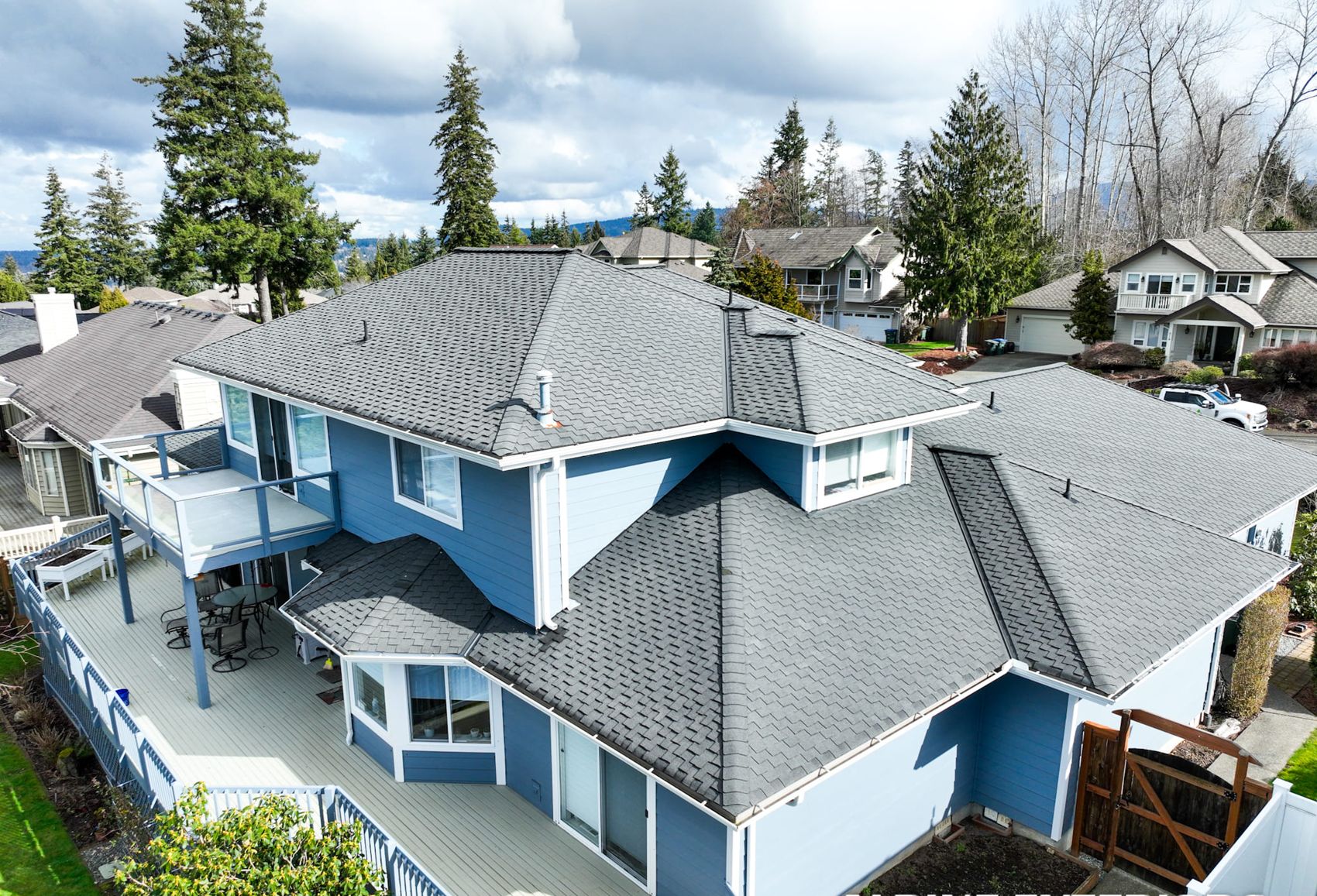
Balm sits in unincorporated Hillsborough County, southeast of Riverview and Wimauma, where a lot of homes are newer construction on larger lots but still built to withstand the same wind and rain events as anywhere else in the Tampa Bay area. A full siding replacement here is not a weekend project. From the first measurement to the final walkthrough, homeowners should plan on roughly four to eight weeks total, though the physical installation itself — once materials are on-site and the crew starts — usually runs three to seven working days for an average single-family home, longer for larger homes or homes with a lot of architectural detail, dormers, or a second story that requires extra staging and fall protection.
The bulk of that four-to-eight-week window is not spent on your roof or walls; it is spent waiting on the county permit to clear, waiting on material to arrive, and in some cases waiting on a wind mitigation inspection to be scheduled around your homeowner's insurance renewal. Weather is the other variable. Hillsborough County's wet season, roughly June through September, brings near-daily afternoon storms, and no responsible siding crew will hang panels or house wrap ahead of an incoming thunderstorm. Alpine Exteriors builds a few rain days into every Tampa Bay schedule for this reason, rather than pretending the forecast doesn't exist.
Siding replacement in Hillsborough County requires a building permit in nearly all cases, and the work has to meet the Florida Building Code, including the wind load requirements that apply to Balm's wind zone. Any siding product installed has to carry a valid Florida Product Approval (or Miami-Dade NOA where applicable) documenting that it has been tested to withstand the wind pressures expected for the site. This isn't paperwork for its own sake — it's what stands between your siding and a wind-driven rain intrusion problem the next time a tropical system tracks through the bay. Alpine Exteriors pulls the permit, submits the product approval documentation, and schedules the required county inspections as part of the contract; homeowners should not be asked to pull their own permit for this kind of work.
If your Balm property sits inside a deed-restricted community or HOA, that review runs on its own clock, separate from the county. Some HOAs approve siding color and material changes within a couple of weeks; others meet monthly and can add a real delay if the application misses the cutoff. It's worth checking your HOA's architectural review submission deadline before you sign a contract, so the county permit and the HOA approval can move in parallel instead of one waiting on the other.
Material lead time is the other front-end variable, and it has gotten more predictable in recent years but is still not instant. Fiber cement lap siding, common vinyl profiles, and most trim packages typically ship within two to four weeks of ordering, but specialty colors, board-and-batten profiles, or anything requiring a special order finish can push past that. Alpine Exteriors orders material as soon as the contract and color selections are final so the crew isn't standing around waiting on a truck. If your home is due for a four-point inspection or you're planning to submit the OIR-B1-1802 wind mitigation form to your insurer after the job, it's worth timing that submission for after the new siding, house wrap, and any updated opening protection are installed and inspected, since some of those upgrades can affect the mitigation credits your carrier applies.
Before the crew arrives, a walk-around inspection identifies any rot, moisture intrusion, or termite damage hiding under the existing siding — this is common in older wood trim and fascia in this climate, where humidity keeps wood assemblies damp far longer than in drier regions, and it's the kind of thing that only becomes visible once the old cladding comes off.
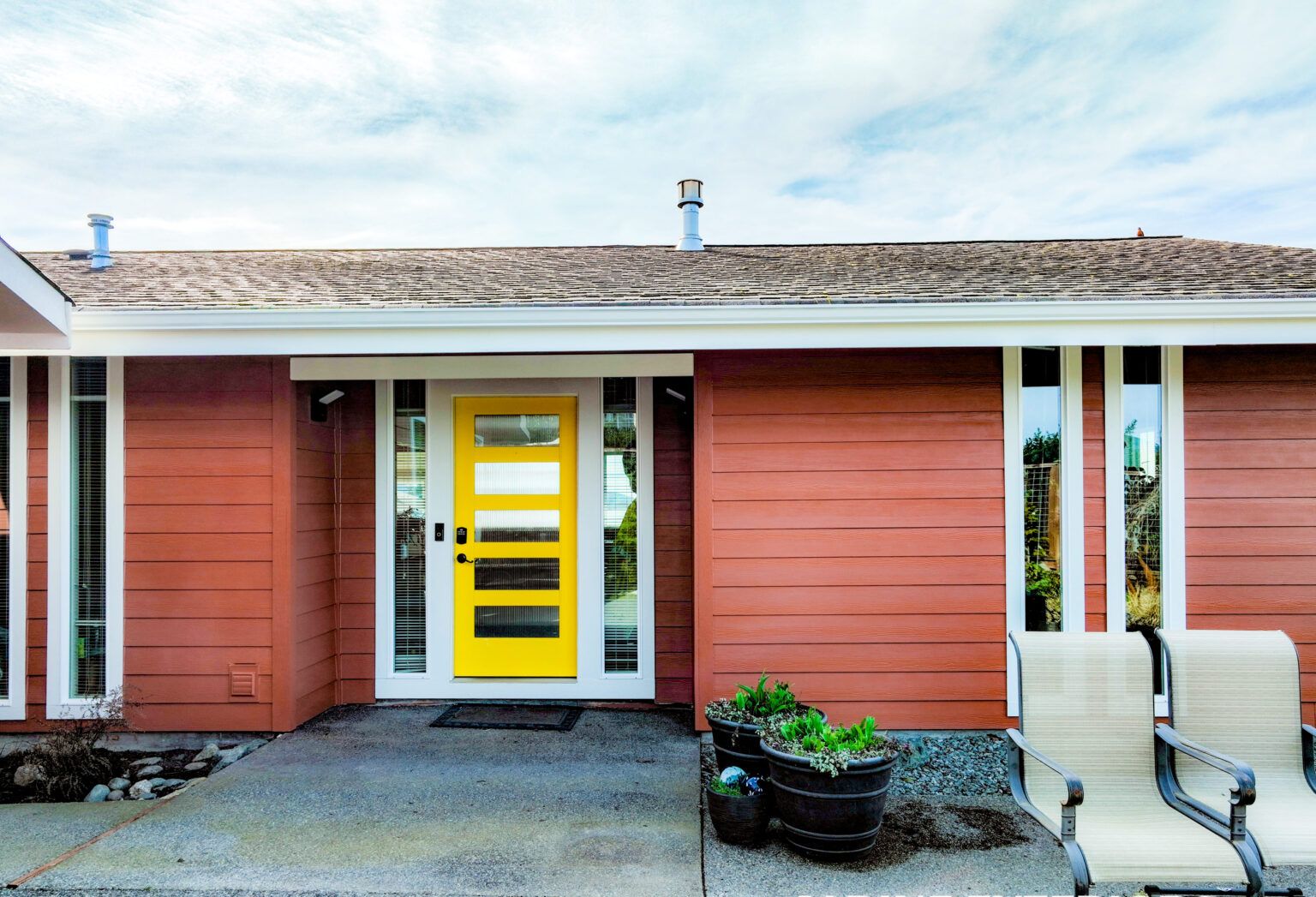
Once the permit is in hand and material is staged, the work generally follows this sequence:
Each stage depends on the one before it being done correctly, which is why rushing the sheathing or house wrap steps to hit a deadline is a false economy — problems there don't show up until the next hard rain, by which point they're behind finished siding.
A few days before the crew arrives, it helps to move vehicles out of the driveway and garage bay closest to the work area, since materials and dumpsters or trailers will need that space. Outdoor decor, potted plants, wind chimes, and anything mounted to exterior walls — house numbers, light fixtures, cameras, mailbox lanterns — should come down or be flagged for the crew to work around. Sprinkler heads and irrigation lines near the foundation are worth marking if their locations aren't obvious, since foot traffic and ladder placement around the perimeter is unavoidable during this kind of project.
Pets should be kept indoors or off-property during work hours; ladders, exposed nails, and open trenches along the foundation are not pet-friendly. Expect noise from pneumatic nailers and saws during work hours, and expect the yard to look rougher than usual for the duration of the project — old siding debris and construction traffic take a visible toll on lawns and mulch beds even with tarps down. Alpine Exteriors flags any landscaping that's likely to need reseeding or mulch replacement before work starts, rather than as a surprise afterward.
Hillsborough County requires inspection of the work at defined stages — typically a sheathing or dry-in inspection before siding closes it in, and a final inspection once the job is complete. These inspections aren't a formality; they're the county's check that the wind load and water-resistance requirements in the Florida Building Code were actually met, and a job doesn't get a certificate of completion without passing them. Alpine Exteriors schedules these inspections as part of the project timeline and does not consider a job finished until they've passed.
Daily cleanup during the job means old siding debris, cut-offs, and packaging are hauled away or bagged rather than left to accumulate, and a magnetic nail sweep of the work area and driveway happens before the crew leaves each day — loose fasteners in a Florida yard are a real hazard for bare feet, pets, and lawn mowers alike. At the end of the job, a full walkthrough with the homeowner covers every elevation of the house, checking for consistent reveal lines, tight seams, properly sealed penetrations around utility boxes and hose bibs, and paint or finish consistency. Any punch-list items get addressed before the job is marked complete, not left for a follow-up visit weeks later.
New siding in this climate benefits from a simple annual routine: a rinse with a garden hose or low-pressure wash to remove pollen, mold spore buildup, and salt residue if the property is close enough to Tampa Bay or the Gulf to pick up airborne salt, and a visual check of caulking at trim and penetrations once a year, since UV exposure is the main thing that ages exterior sealant here faster than in other regions. Homeowners should also glance at the base of the siding near grade after major storms — mulch or soil that's built up against the bottom edge over time should be pulled back, since sustained ground contact is one of the more common ways moisture and termite activity get a foothold on an otherwise sound installation.
Warranty coverage on a siding job typically has two parts: the manufacturer's material warranty, which varies by product and is usually prorated over time, and Alpine Exteriors' workmanship warranty covering the installation itself. It's worth understanding the difference before signing — a strong material warranty doesn't help if the installation labor isn't separately covered, and vice versa. As a Florida-licensed contractor (RB29003900), Alpine Exteriors stands behind its installation work and will walk homeowners through exactly what's covered, for how long, and what would void it, such as pressure-washing at settings above what the manufacturer allows.
In almost all cases, yes. Hillsborough County requires a building permit for siding replacement so the work can be verified against the Florida Building Code, including the wind load and water-resistance provisions that apply to this area. Alpine Exteriors handles the permit application and required inspections as part of the project rather than leaving that step to the homeowner.
If your property is in a deed-restricted community, most HOAs require architectural review of siding color, material, and profile before work begins, and that review runs on a separate timeline from the county permit. Checking your HOA's submission deadlines early lets that approval move alongside the permitting process instead of adding time to the back end of the project.
For a typical single-family home in the Balm area, installation runs roughly three to seven working days once material is on-site, depending on the size of the home, the number of stories, and how much trim and architectural detail is involved. That figure is separate from the several weeks that permitting, HOA approval, and material lead time typically add before the crew ever arrives.
It can, particularly if the project also touches openings, house wrap, or other components documented on the OIR-B1-1802 wind mitigation inspection form. Many homeowners choose to schedule that inspection after the new siding and any related upgrades are complete and inspected, so the form reflects the current condition of the home rather than what was there before the project.
If you're weighing a siding replacement for a home in Balm, Riverview, or anywhere else in the greater Tampa Bay area, Alpine Exteriors can walk the property, explain what's realistic for permitting and material lead times in your specific case, and put together a written scope before any work begins. Reach out to schedule a site visit and get a straight answer on timeline and cost range for your home.