
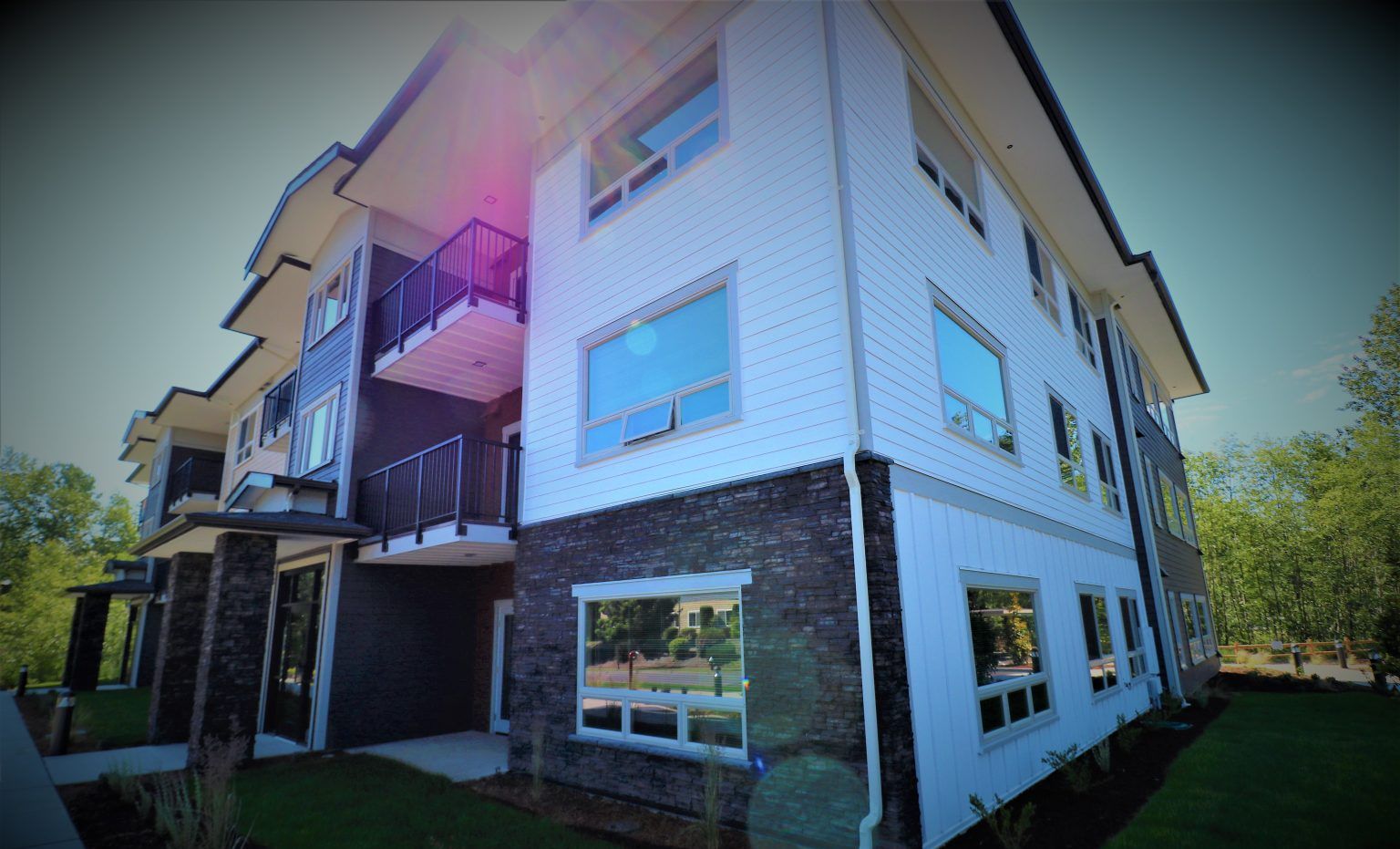
Homeowners in Jasmine Estates are usually comparing these two products for one of three reasons: a re-side after storm damage, a remodel on an older block or wood-sided home, or new construction where the builder left the siding choice open. Both James Hardie fiber cement and vinyl siding are proven products across Pasco County, but they behave very differently once summer humidity, afternoon thunderstorms, and the occasional tropical system get involved. This page walks through both options on their own merits, then compares them head-to-head so you can match the material to your house, your budget, and how long you plan to own it.
If you want the closest look to real wood clapboard, a product built and tested for Florida wind and moisture exposure, and you plan to stay in the home long-term, James Hardie fiber cement is the stronger choice for most Jasmine Estates properties. If your priority is the lowest upfront cost, a faster install, and you're comfortable with a shorter service life or a starter-home timeline, vinyl siding is a reasonable, honest option, especially on smaller ranch-style homes common in this part of Pasco County. Neither product is wrong; the right one depends on how long you'll own the house, what your HOA or neighborhood expects, and what you're willing to spend upfront versus over time.
James Hardie fiber cement siding is a blend of cement, sand, and cellulose fiber, formed into planks, panels, or shingle-style pieces and kiln-cured. It's a heavy, rigid material compared to vinyl, and that weight is part of why it performs well here. Fiber cement doesn't flex or rattle in gusty wind the way lighter claddings can, and it holds paint and caulking well over years of intense Florida UV exposure without the chalking or fading that some plastics show. James Hardie also offers factory-applied ColorPlus finishes in addition to field-painted options, which extends the repaint interval and keeps color consistent across the wall regardless of sun exposure, useful on Jasmine Estates lots where one side of the house gets noticeably more afternoon sun than the other.
For this climate, the relevant detail is that James Hardie products sold in Florida carry Florida Product Approval documentation and are engineered to specific wind-load and water-resistance criteria under the Florida Building Code. That matters in Pasco County because our wind-driven rain events aren't gentle drizzle — they come sideways during summer storms and during the outer bands of tropical systems, and a wall assembly that isn't sealed and installed correctly under an approved system can let moisture behind the cladding. Fiber cement itself doesn't rot, and it isn't a food source for termites, which is a real consideration on lots near wooded areas or older Jasmine Estates parcels with mature tree canopy. It also resists the mold and mildew growth that Tampa Bay's humidity encourages on porous or poorly ventilated surfaces, though it still needs to be kept clean and properly caulked at seams to perform as designed.
The tradeoffs are real. Fiber cement is heavier and slower to install, which means more labor cost. It has to be field-cut with the correct dust-control methods (silica dust from cutting is a genuine jobsite hazard), painted or pre-finished, and caulked at joints and penetrations — skipping any of that shortens its service life. It's also a bigger material investment upfront than vinyl. None of that makes it the wrong choice; it just means the value shows up over 25-plus years rather than in the first year's receipt.
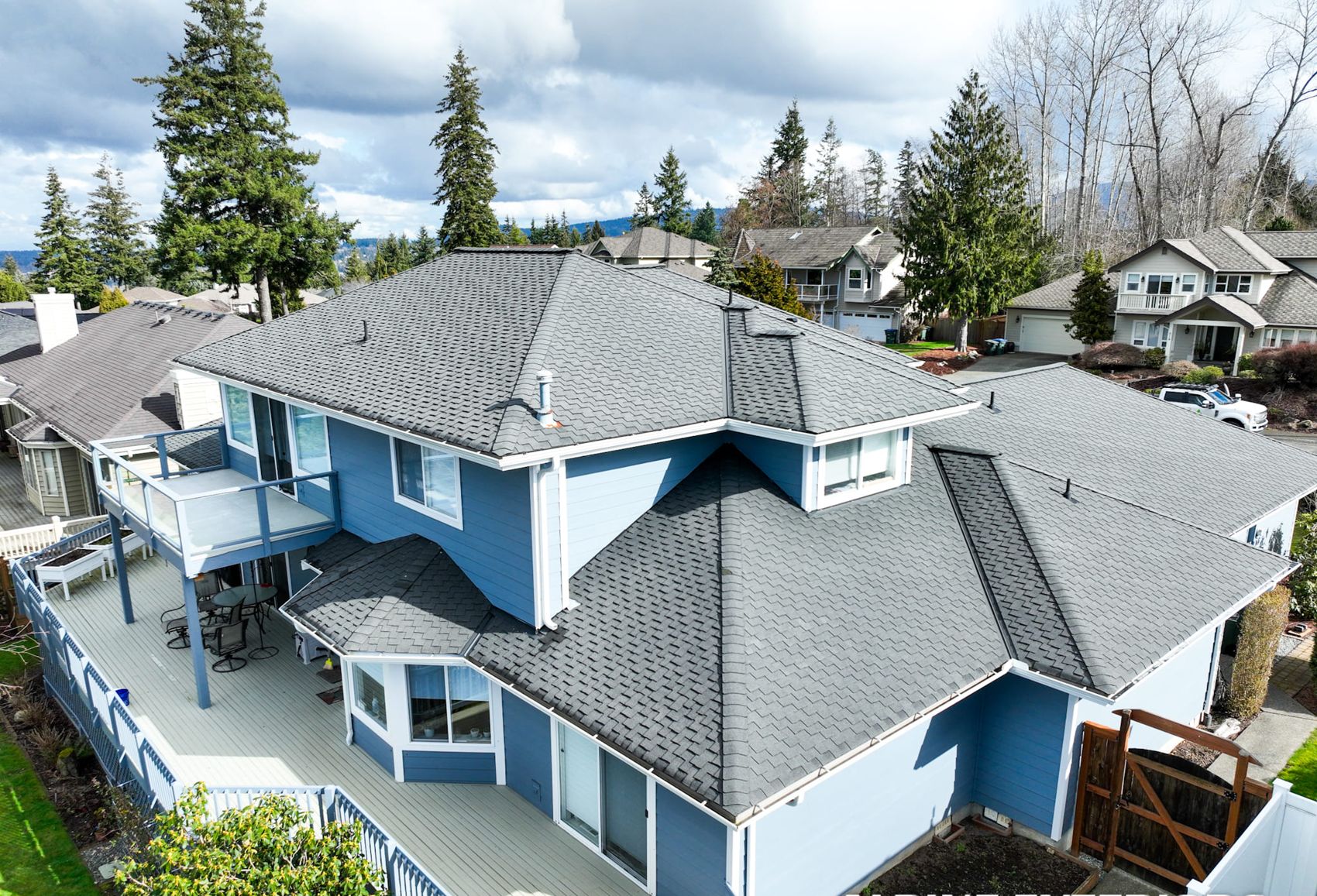
Vinyl siding is a PVC-based panel product, usually installed over house wrap and sheathing, that's been a staple on Florida spec-built and starter homes for decades. Its biggest advantages are cost and installation speed — panels snap into place over furring or sheathing without field-painting, which keeps labor hours down. For a straightforward ranch on a standard Jasmine Estates lot, that can mean a noticeably shorter project timeline than a fiber cement re-side. Vinyl also comes in a wide range of lower-cost color and profile combinations right out of the box, which can be appealing if you're matching an HOA-approved palette or working within a strict renovation budget on a rental or flip property.
Modern vinyl has improved a lot from the thin, brittle product of decades past. Better-grade panels use thicker gauge material and UV-stabilized resin that resists fading longer than budget lines, and quality vinyl carries its own Florida Product Approval for wind resistance when installed to the manufacturer's fastening pattern. It never needs painting, doesn't rot, and isn't attractive to termites or wood-boring insects.
The honest drawbacks matter here. Vinyl is a plastic product, and Tampa Bay's UV load is intense enough that even good vinyl can fade, chalk, or become brittle faster than it would in a milder climate — brittle vinyl is more prone to cracking from a stray tree branch, a lawn mower kickback, or wind-blown debris during a storm. Vinyl also expands and contracts with our temperature swings between hot afternoons and cooler mornings, so it has to be installed with the correct nailing slop (not fastened tight) or it will buckle. In a direct wind event, lower-end vinyl panels can pull loose at the locking edge if the fastening pattern wasn't followed to spec, which is why installation quality matters as much as the product grade. And because color is baked through the panel rather than painted, once it fades there's no repainting your way back to the original shade — replacement is the only fix.
| Factor | James Hardie Fiber Cement | Vinyl Siding |
|---|---|---|
| Installed cost | Higher material and labor cost; a bigger upfront investment | Lower upfront cost; generally the more budget-friendly option |
| Typical lifespan | Multi-decade service life when properly installed and maintained; often outlasts a single ownership period | Shorter practical lifespan in intense Florida UV; quality varies widely by panel grade |
| Maintenance | Needs periodic caulk inspection and repaint on a longer cycle (pre-finished options extend this); doesn't rot or attract termites | Essentially paint-free; occasional pressure washing; watch for cracking from impact and brittleness with age |
| Appearance | Convincing wood-grain or smooth finishes, deep panel profiles, holds color and crisp lines well | Improved over older generations but can still read as "plastic" up close; profiles are lighter and thinner |
| Storm/wind performance | Rigid, heavy panels resist flexing and wind-driven rain intrusion when installed to Florida Product Approval specs | Can perform well when installed to fastening spec, but lighter panels are more vulnerable to wind uplift and debris impact |
For Jasmine Estates specifically, a few local realities tip the scale. This is an established Pasco County neighborhood with a mix of older ranch homes and newer infill, sitting close enough to the Gulf that afternoon storms roll in fast and humidity stays high most of the year. Homes here spend a lot of the calendar exposed to strong UV and heavy, wind-driven summer rain, with the added risk of a tropical system making a direct or near approach most seasons. That combination is exactly where fiber cement's rigidity, moisture resistance, and long service life pay off — it's a material built for the wear pattern this climate actually produces, not just for a mild-weather market. Homes closer to New Port Richey and the coastal side of Pasco County see slightly more salt-laden air moving inland off the Gulf, which is another point in fiber cement's favor since it doesn't pit or corrode the way some metal trim and fasteners can over time, though vinyl's PVC composition is also inert to salt exposure and holds up fine on that front.
If you're planning to stay in your Jasmine Estates home for the long haul, or you're restoring a house where curb appeal and resale value matter — many Pasco County buyers now specifically look for fiber cement on a listing — James Hardie is worth the higher upfront number. If you're working with a tighter renovation budget, siding a rental property, or you know you'll sell within a handful of years, a well-installed quality vinyl product is a legitimate, lower-cost path that still meets Florida Building Code wind requirements when installed correctly. What we'd steer any homeowner away from, regardless of material, is a bargain installer who skips the correct fastening pattern, house wrap, or flashing details — that's where either product actually fails in a Florida storm, not the material choice itself. Alpine Exteriors installs both systems in Pasco County and can walk your specific house — orientation, tree cover, sun exposure, and how long you plan to stay — before you commit to either direction.
Fiber cement doesn't absorb moisture the way wood does and won't support mold growth on its surface the way a poorly ventilated or dirty wall can, but it still needs properly maintained caulk joints and paint to keep water from finding its way behind the panels. Vinyl doesn't absorb moisture either, so both materials handle Tampa Bay humidity reasonably well; the bigger differentiator is how each holds up to UV and wind over time, not humidity by itself.
Yes, in the sense that neither fiber cement nor vinyl is a food source for termites, which makes both a real improvement over older wood lap siding on lots near wooded areas or mature trees. Neither product is a substitute for a termite inspection or treatment plan for the rest of the structure, though — siding choice only removes the cladding itself as an entry point or food source.
Quality vinyl products carry Florida Product Approval for wind resistance and can perform acceptably in high wind when installed exactly to the manufacturer's fastening pattern and panel spacing. The failure point is almost always installation shortcuts — improper nailing, wrong panel spacing, or skipped fastening points — rather than the vinyl material itself, which is why installer experience matters as much as the product spec sheet.
Fiber cement generally runs a noticeably higher installed cost than vinyl on a comparable house, driven by both material price and the additional labor to cut, fasten, caulk, and finish it correctly. The exact gap depends on your home's size, trim detail, and whether you choose factory-primed versus pre-finished Hardie planks, so it's worth getting a walk-through estimate rather than relying on a rule-of-thumb multiplier.
If you're weighing James Hardie fiber cement against vinyl for a home in Jasmine Estates, Land O' Lakes, Wesley Chapel, Lutz, New Port Richey, Plant City, or Zephyrhills, Alpine Exteriors can inspect your current siding, talk through what your specific lot and sun exposure call for, and put together a written estimate for both options so you're comparing real numbers instead of guesswork. Alpine Exteriors holds Florida contractor license RB29003900 and installs both systems to manufacturer and Florida Building Code specifications across the Tampa Bay area. Reach out for a free on-site evaluation before your next storm season.