
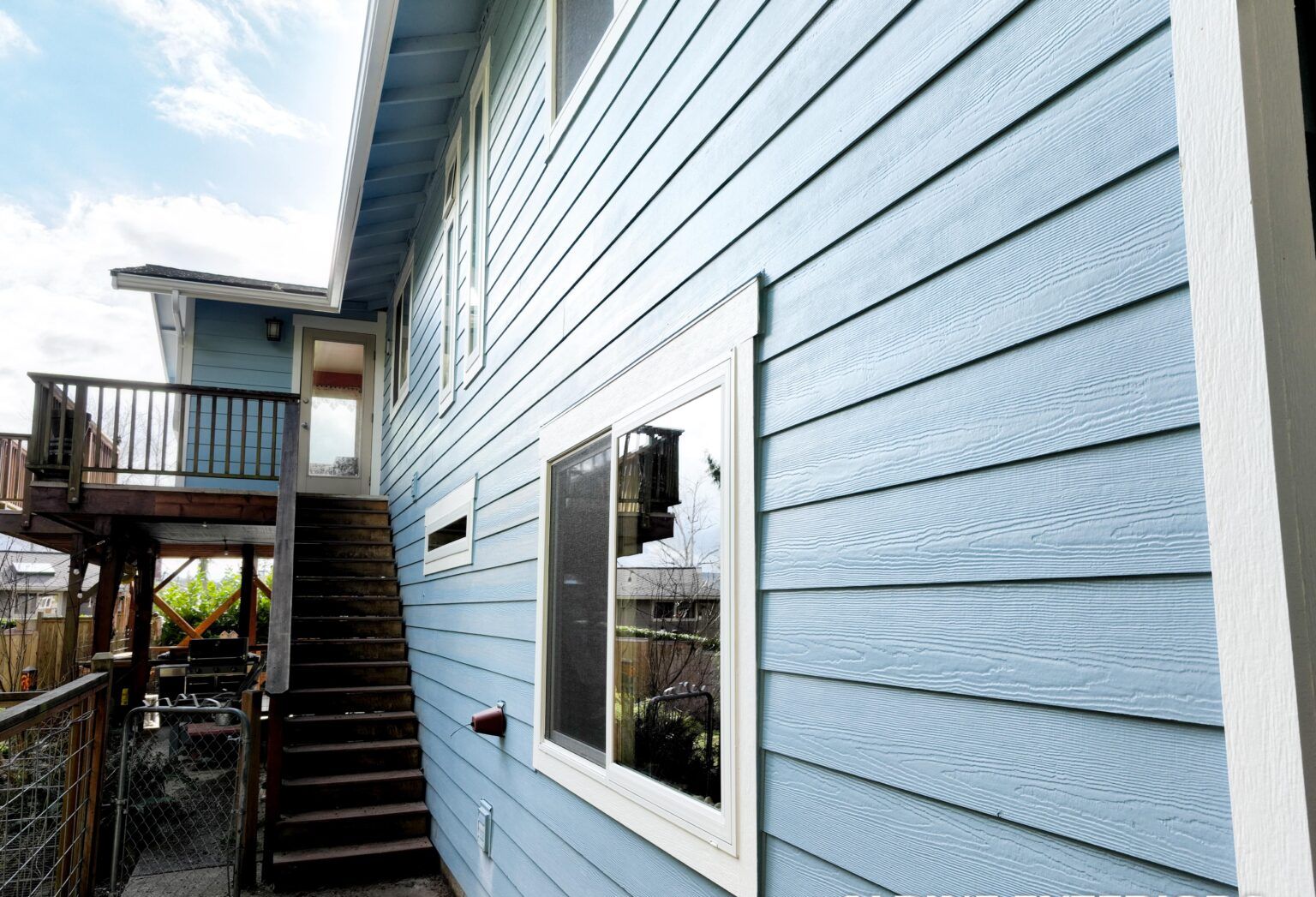
Seven Oaks is one of the larger deed-restricted communities in Wesley Chapel, and homes there share a common set of siding challenges: long, humid summers that push moisture into wall assemblies, intense UV exposure that fades and chalks lower-grade materials early, seasonal tropical storm and hurricane wind loads, and subterranean termites that can find their way into damp wood substrate behind failing siding. A siding replacement here is not just a cosmetic project — done correctly, it is a weatherproofing and wind-resistance upgrade that has to satisfy the Florida Building Code, the local permitting office, and in many cases a homeowners association design review before the first panel comes off the wall. This guide walks through what actually happens, in order, so you know what to prepare for and what a reasonable timeline looks like.
For a typical single-family home in Seven Oaks — roughly 1,800 to 3,200 square feet with two stories being common in this neighborhood — the on-site installation itself usually runs somewhere between one and two and a half weeks once crews start, weather permitting. That is separate from the front-end process of permitting, HOA approval, and material ordering, which can add several weeks to a couple of months before a crew ever shows up. Homeowners who plan around only the installation window are often surprised by how much lead time sits in front of it; the honest answer is that the pre-construction phase is frequently the longest part of the project, not the siding work itself.
Weather is the other variable that affects the schedule. Pasco County's wet season, roughly June through September, brings frequent afternoon thunderstorms that can shut down exterior work for part or all of a day. Crews plan around this, but it means a two-week estimate given in July can stretch if storms are unusually frequent that season. Winter and spring installs tend to track closer to the original estimate.
Siding replacement in unincorporated Pasco County, which includes Seven Oaks, requires a building permit reviewed against the Florida Building Code. The permitting office will want to see the specific siding product's Florida Product Approval documentation, confirming the material has been tested and approved for the wind pressures and wind-driven rain exposure expected at this location. This isn't a formality — it determines fastening schedules, house wrap and flashing details, and how the material performs when a summer storm drives rain sideways against the wall.
Seven Oaks is governed by an HOA with an architectural review committee, and most siding changes — especially any change in color, profile, or material type — require submission and approval before work begins. Homeowners who skip this step risk a stop-work request from the association even after the county permit is in hand. It's worth submitting the HOA application at the same time the permit application goes in, since the two run on separate timelines and both need to clear before installation starts.
Material lead times are the third piece, and the one owners have the least control over. Fiber cement siding, which holds up well against Florida humidity and UV compared to lower-grade vinyl, is often special-order by color and profile, and can take several weeks to arrive depending on the manufacturer's production schedule. Vinyl siding in stock colors typically ships faster, but impact-rated or higher-wind-rated vinyl products used to meet Florida Building Code wind pressure requirements may also require a longer order window. Alpine Exteriors places material orders as soon as the permit and HOA approvals are confirmed, not before, since a color or profile change at either review stage can otherwise mean re-ordering.
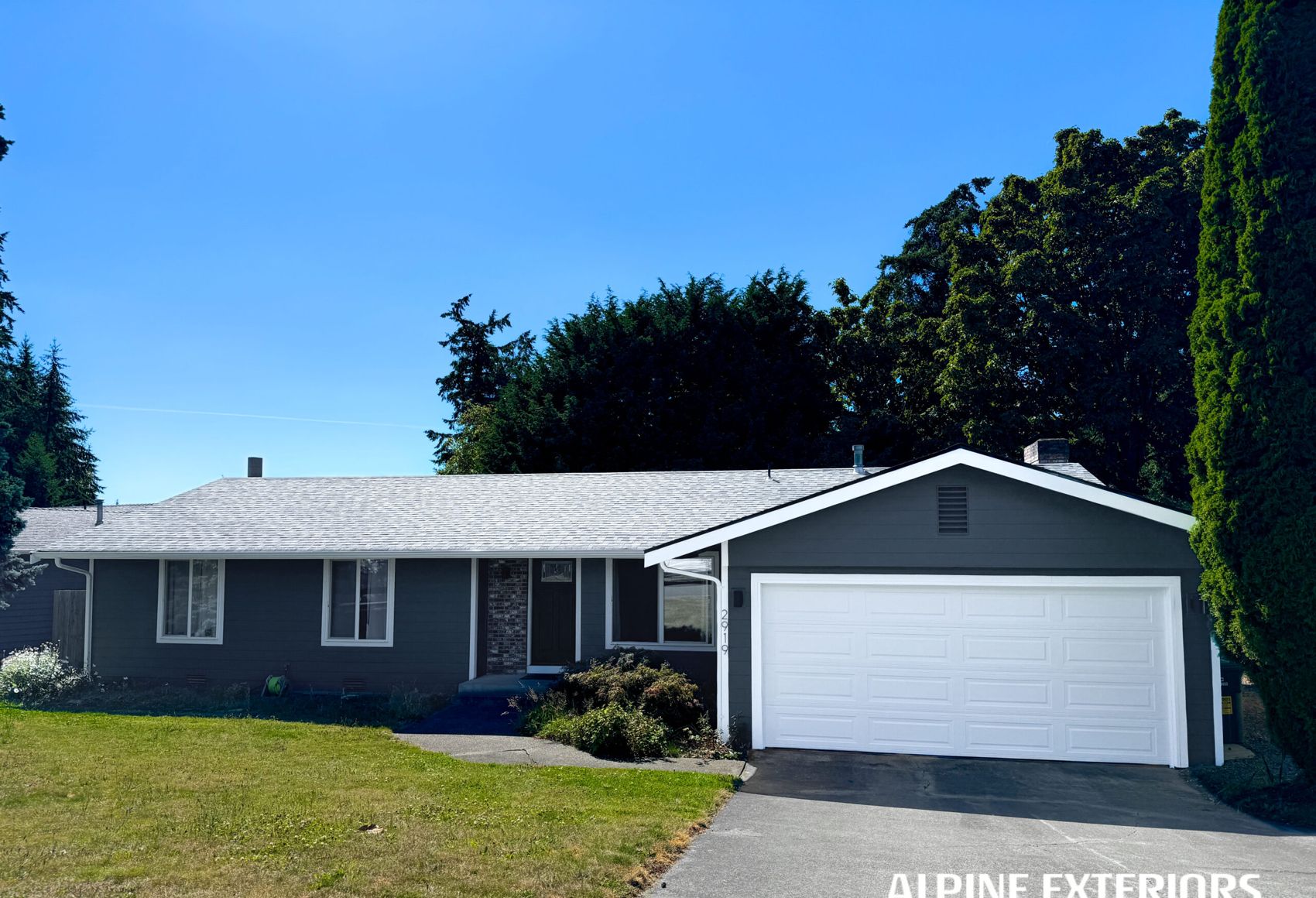
Once permits and materials are in hand, the physical work follows a fairly consistent sequence:
A few things make the process smoother on the homeowner's side. Vehicles should be moved away from the work zone, since ladders, staging, and material drops need clear access around the perimeter of the house. Anything fragile hanging on exterior walls — planters, decorative items, string lighting — should come down before crews arrive. Pets are better kept indoors or off-property during active work; tear-off in particular is loud and involves nail debris on the ground.
Inside the home, it helps to expect some noise and occasional vibration transmitted through the walls, especially during tear-off and fastening. Homeowners working from home often find it easier to plan calls or focus work outside the loudest phases, which crews can usually tell you about a day in advance. It's also worth notifying immediate neighbors, particularly in a community like Seven Oaks where homes sit relatively close together — a heads-up about staging trucks and dumpster placement avoids friction later.
Finally, homeowners should keep a copy of the approved HOA application and county permit accessible during the project. If a neighbor or association representative asks about the work in progress, having those documents on hand resolves the question immediately.
Pasco County requires a final building inspection before the permit closes out, confirming the installation matches the approved plans and product approval fastening requirements. This inspection happens after the siding is fully installed and trimmed, and it's a hard stop — the permit doesn't close, and the project isn't legally finished, until it passes.
Cleanup runs alongside and after installation: old siding debris, packaging, and cut-offs get hauled away, and crews do a magnetic sweep of the yard and driveway to pick up stray nails and fasteners, which matters for anyone with pets, bare feet, or a lawn mower. A final walkthrough with the project lead is the last step — this is the time to look closely at trim lines, caulking, color consistency, and any punch-list items before signing off. Point out anything that doesn't look right at this stage rather than after the crew has demobilized.
New siding in this climate benefits from a small amount of ongoing attention. An annual visual check after hurricane season — looking for loose panels, cracked caulking, or gaps around trim — catches minor issues before wind-driven rain can work them into bigger problems. Gutters and downspouts should stay clear so water isn't sheeting down the wall face during heavy rain. Because UV exposure here is intense year-round, expect some gradual color fade over the life of the product regardless of brand; this is normal weathering, not a defect, though it's worth asking what fade tolerance is covered under the manufacturer's warranty before installation.
Warranty coverage typically has two layers: the manufacturer's material warranty, and Alpine Exteriors' workmanship warranty covering the installation itself. It's worth understanding what each one actually covers — material defects versus installation errors — since a problem years down the road may fall under one and not the other. As a Florida-licensed contractor (RB29003900), Alpine Exteriors provides documentation of the installation and product approval that homeowners can also keep on file for insurance purposes; some insurers offer premium credits for wind-resistant exterior upgrades, which is typically confirmed through an updated wind mitigation inspection using the state's OIR-B1-1802 form after work is complete.
It can, if the architectural review submission isn't handled early. Most siding changes in Seven Oaks need HOA approval before work starts, separate from the county building permit, and the two run on different review schedules. Submitting both applications as soon as a material and color are chosen, rather than waiting for one approval before starting the other, is the main way to avoid delays.
Yes — any siding installed in Pasco County has to meet Florida Building Code wind pressure requirements for this area, verified through the product's Florida Product Approval documentation. This governs the specific fastening pattern and spacing used, which is why the installation itself, not just the material choice, affects how the siding performs in a storm.
This does happen, particularly on older homes where moisture worked its way behind failing siding or flashing over time. When it's found, the damaged sheathing or framing gets repaired before new siding goes up — installing over compromised substrate would undermine the whole project. It's one of the reasons final project scope can shift once tear-off is underway.
Costs vary widely based on square footage, the material chosen, and how much substrate repair is needed once old siding comes off, so a realistic range typically falls somewhere between the low and high five figures for a full single-family home. An accurate number comes from an on-site measurement and inspection rather than a phone estimate, since Florida Product Approval requirements and any hidden damage both factor into final pricing.
A siding replacement done right in this part of Pasco County means correct wind-rated materials, careful moisture detailing, and a process that clears both the county permit and your HOA without surprises. Alpine Exteriors works throughout Wesley Chapel and the greater Tampa Bay area and can walk your Seven Oaks property, explain what your specific home will need, and provide a written estimate before any commitment. Contact Alpine Exteriors to schedule an on-site inspection and get a clear timeline for your project.