
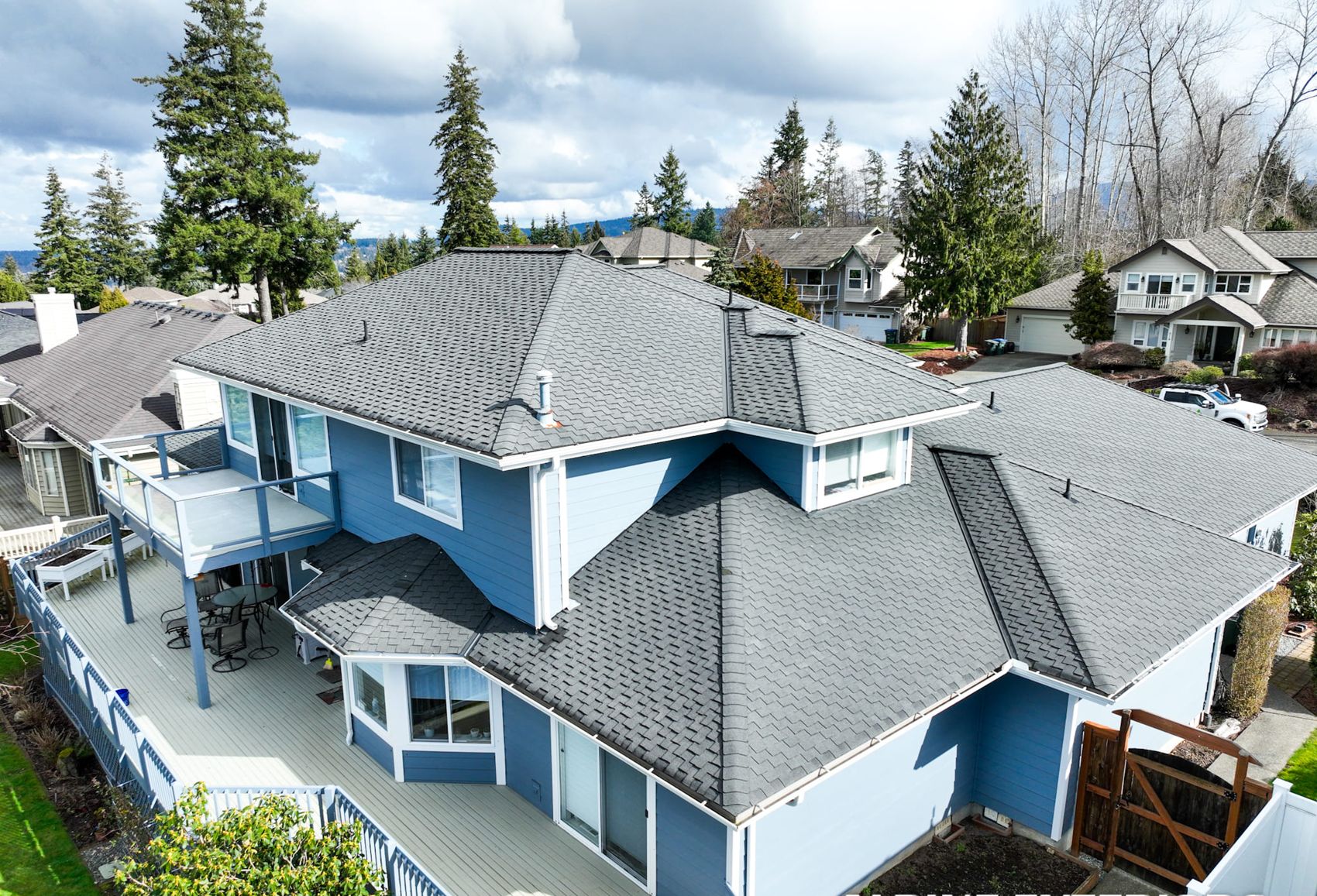
Homeowners in Richland and the surrounding Pasco County communities we serve — Land O' Lakes, Wesley Chapel, Zephyrhills, and points toward New Port Richey — usually narrow a re-siding project down to two realistic options: James Hardie fiber cement and vinyl. Both hold up in Central Florida if they're installed correctly, but they behave very differently once wind, rain, humidity, and sun start working on them year after year. This guide walks through both products with this specific climate in mind, then gives a straight answer on which one makes more sense for a given home.
If your top priorities are maximum wind and impact resistance, long-term durability in Florida's humidity, and a look closer to painted wood or masonry, James Hardie fiber cement is the stronger choice for most Richland homes, especially those on more exposed lots or facing prevailing storm winds. If your budget is tighter, you're planning to sell within a few years, or the home is a smaller rental or secondary structure where lowest upfront cost matters more than long-term performance, vinyl siding is a reasonable and honest option — as long as you choose a heavier-gauge, wind-rated product and don't expect it to outperform fiber cement in a bad storm. Neither choice is wrong; they solve different problems.
James Hardie siding is made from a blend of cement, sand, and cellulose fiber, pressed and cured into planks or panels. It doesn't burn, doesn't rot, and doesn't provide a food source for termites — a real consideration in Pasco County, where subterranean termites are common and where wood-based siding or trim can become an entry point if it's neglected. Fiber cement is also dense enough to resist the wind-driven rain that comes with Central Florida's summer thunderstorms and tropical systems; when it's installed with the correct flashing and house wrap detailing, it sheds water rather than absorbing it, which matters in a climate where humidity rarely lets building materials fully dry out.
Hardie's Florida-specific product lines (marketed under the HardieZone system) are engineered and tested for higher wind exposure and are backed by Florida Product Approval documentation, which your contractor should be able to provide and which local building departments in Pasco County will reference during permitting. That matters more than a marketing claim — it's the paper trail an inspector or an insurance adjuster may eventually ask to see.
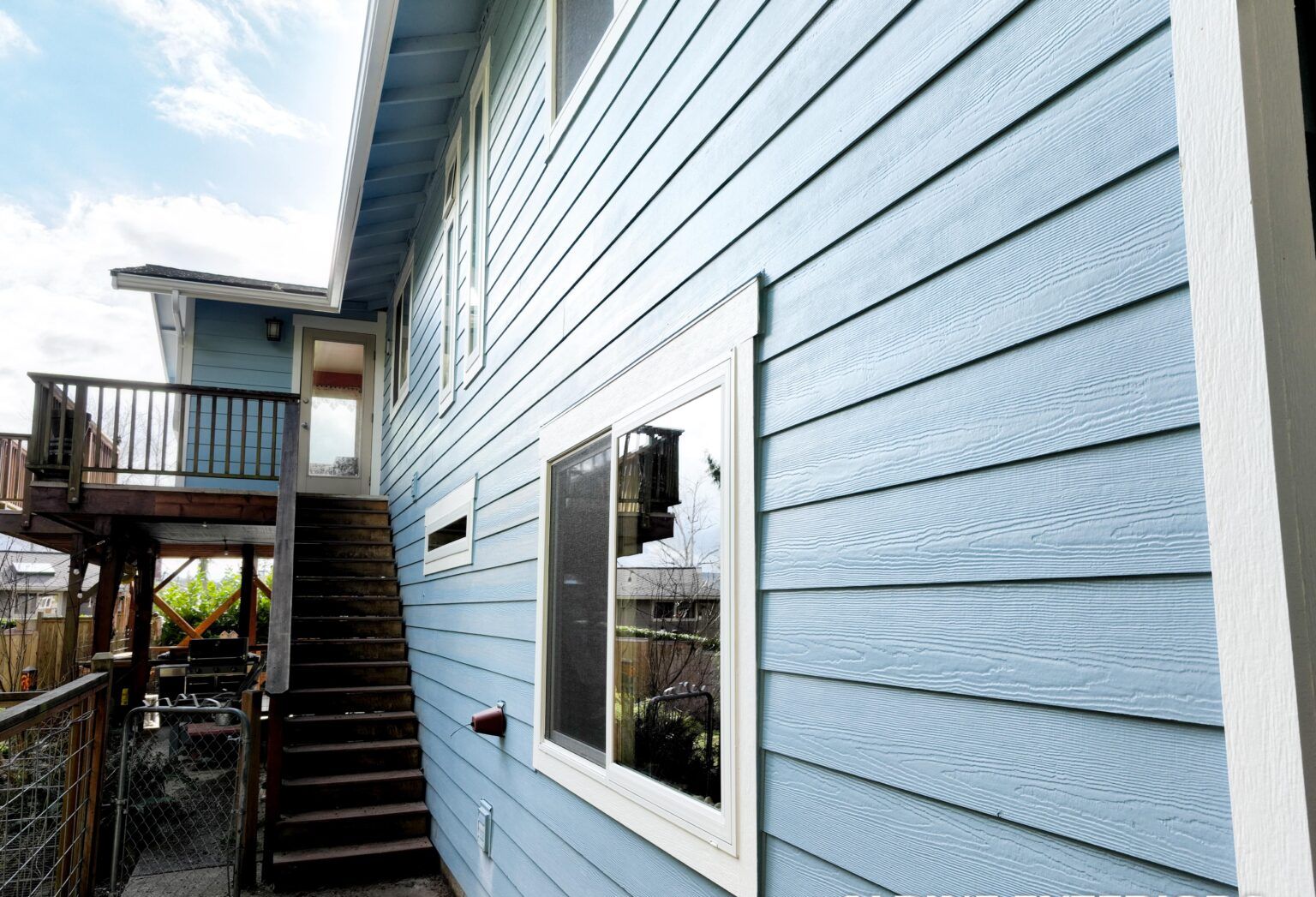
Vinyl siding is an extruded PVC product that has been used on Florida homes for decades because it's inexpensive, lightweight, and quick to install. Modern vinyl has improved: thicker panels, better locking systems, and UV-stabilized formulations that resist the chalking and color fade that older, thinner vinyl was known for under intense Florida sun. For a budget-conscious re-siding project, or for a home where the current siding just needs a cosmetic and weatherproofing refresh rather than a storm-hardening upgrade, vinyl still has a legitimate place.
The tradeoffs are real, though. Vinyl is a plastic product, and heat plus direct sun over years can cause thinner panels to soften, warp, or pull away from fasteners — a bigger issue on south- and west-facing walls that take the brunt of Florida's afternoon sun. In wind events, vinyl is more prone to cracking or blowing off than fiber cement, particularly at corners and around openings if the installation wasn't done with proper nailing and expansion allowances. Vinyl also can't be painted a genuinely different color down the road without specialty products, so you're committed to your color choice for the life of the siding.
| Factor | James Hardie Fiber Cement | Vinyl Siding |
|---|---|---|
| Upfront cost | Higher material and labor cost; typically a mid-to-upper range investment per square | Lower material and labor cost; typically the more budget-friendly option per square |
| Lifespan | Commonly performs well for several decades when properly installed and maintained | Commonly performs well for one to two decades before sun and heat exposure show their effects |
| Maintenance | Occasional repainting (unless factory pre-finished) and periodic caulking checks | Occasional washing; no painting required, but panels can't be easily patched to match if damaged years later |
| Storm/wind performance | Denser and more rigid, generally holds up better against wind-driven debris and heavy rain | Lighter material, more prone to cracking or blow-off in high wind if not a heavier, wind-rated panel |
| Appearance | Closer to painted wood, stucco, or board-and-batten looks; holds crisp lines and deep colors | Wider range of low-cost color panels, but a more uniform, plastic look up close |
Richland sits in inland Pasco County, which means the home isn't dealing with direct salt spray the way a house closer to New Port Richey or the Gulf shoreline would, but it absolutely deals with the same humidity, UV load, thunderstorm frequency, and tropical-system wind exposure as the rest of Tampa Bay. That combination — moisture that never fully clears the air, sun that's intense for most of the year, and the real possibility of a tropical storm or hurricane's outer wind bands coming through — is exactly the environment fiber cement was built to handle. For a primary residence you plan to live in for years, or any home where you want the siding decision to also support your homeowner's insurance conversation and resale value, James Hardie is generally the better long-term investment in this area.
That said, vinyl isn't a bad choice here by default — it's a bad choice only if it's the wrong product for the situation. A smaller secondary structure, a rental property where minimizing upfront cost matters more than 25-year performance, or a home slated for sale in the near term are all reasonable places to choose a quality, wind-rated vinyl product and spend the savings elsewhere. What we try to steer Pasco County homeowners away from is the cheapest available vinyl on a fully exposed, sun-battered wall, because that's where premature warping and storm damage show up first.
Whichever direction you lean, the Florida Building Code governs both products in this jurisdiction, and Pasco County's building department will want to see the applicable Florida Product Approval numbers for whatever siding is installed. Alpine Exteriors pulls and documents that approval paperwork as a standard part of every siding project, because it protects you at inspection time and later if you ever file an insurance claim.
For most homeowners planning to stay in the house long-term, yes — the added upfront cost is generally offset by fewer replacement cycles, better resistance to wind-driven rain and storm debris, and less risk of heat-related warping compared to standard vinyl. It's a bigger investment, but it's built for exactly the kind of climate stress Pasco County sees most summers.
Quality, wind-rated vinyl can perform reasonably well in typical Florida thunderstorms, but thinner or older-style vinyl is more likely to crack, loosen, or blow off in sustained high winds than fiber cement. If wind performance is a top priority, ask specifically about the wind rating of the vinyl product being quoted, not just its price point.
Both products resist moisture better than wood siding, but the real risk with either one comes from poor installation — gaps in house wrap, missing flashing, or improper caulking let humidity and wind-driven rain get behind the siding regardless of material. Correct installation detailing matters as much as the product choice itself.
Neither fiber cement nor vinyl provides a food source for termites, which is an advantage over wood-based siding in a termite-active area like Pasco County. That said, siding choice doesn't replace a termite inspection or treatment plan — it simply removes one potential access point if trim and edges are properly sealed during installation.
The right siding choice depends on your home's exposure, your timeline, and your budget — not a generic recommendation. Alpine Exteriors (FL contractor license RB29003900) works with homeowners throughout Tampa, Wesley Chapel, Lutz, Land O' Lakes, New Port Richey, Plant City, Zephyrhills, and the Richland area of Pasco County to walk through both James Hardie and vinyl options on-site, with real product samples and a straightforward estimate for your specific home. Reach out to schedule a no-pressure consultation and get a clear comparison before you decide.