
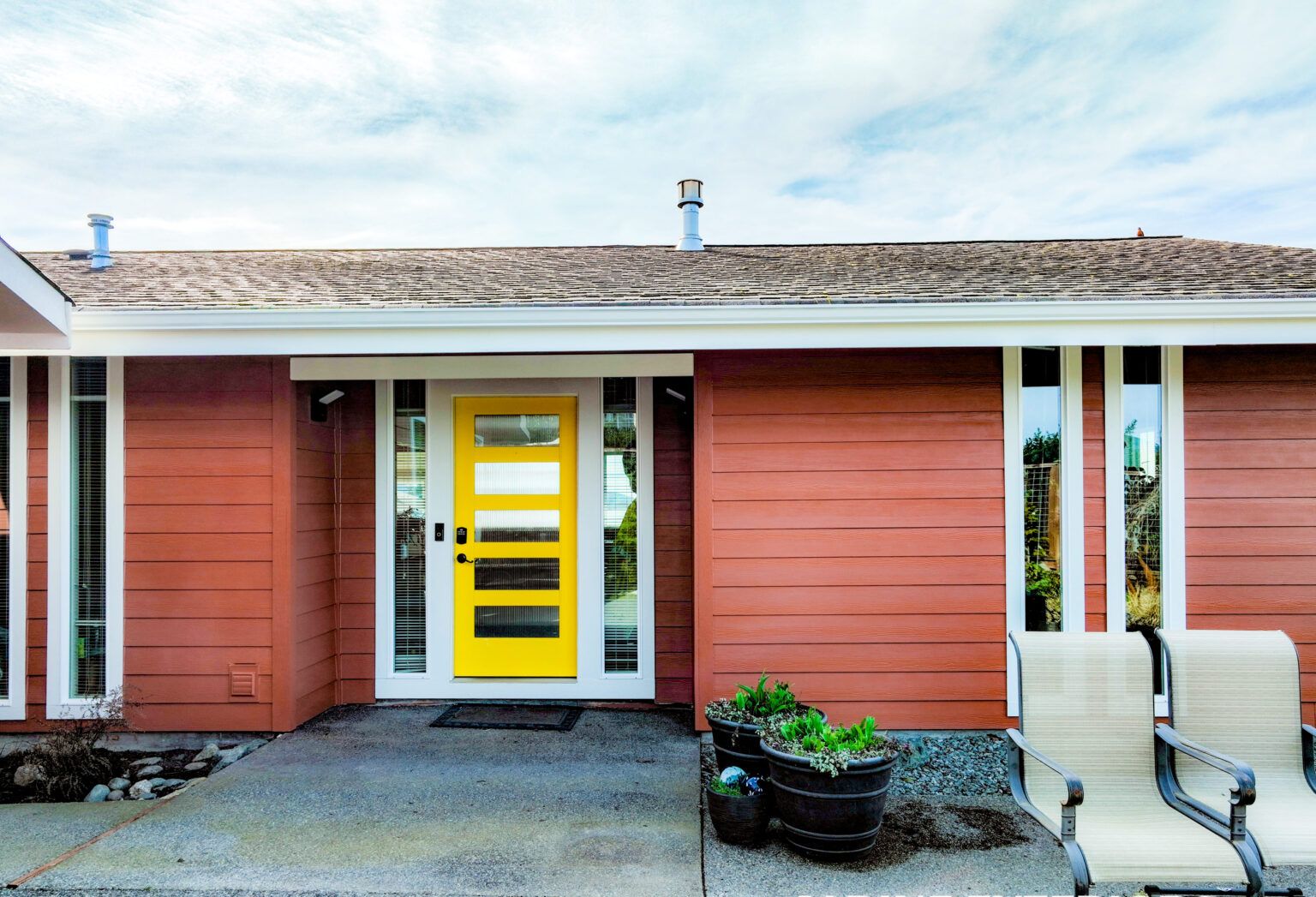
Keystone sits in the northwest corner of Hillsborough County, a mix of wooded acreage lots, mid-century ranch homes, and newer custom builds near the Pinellas County line and Lake Tarpon. Alpine Exteriors works throughout this stretch of Hillsborough and Pasco counties, including nearby Tampa, Wesley Chapel, Lutz, Land O' Lakes, New Port Richey, Plant City, and Zephyrhills, and sees this variety of home ages and lot styles regularly. That mix matters for siding pricing more than most homeowners expect: a single-story 1970s ranch with plain wall lines prices very differently than a two-story custom home with dormers, multiple gables, and wraparound porches. Add in the tear-off condition of whatever siding is already on the house, and you get a genuinely wide cost range rather than one number. This page walks through what actually drives siding replacement cost for Keystone homes, what a trustworthy quote should contain, and how to compare bids that aren't apples to apples.
For a typical Keystone single-family home, full siding replacement generally lands in a broad low-to-high range depending on material, home size, and how much of the existing wall assembly needs repair once the old siding comes off. Vinyl siding replacement tends to sit at the lower end of that range, fiber cement sits in the middle-to-upper range, and engineered wood or specialty profiles with heavy trim work land at the top. Homes with rotted sheathing, termite damage, or extensive water intrusion behind the old siding will push toward the higher end regardless of material, because that repair work is priced separately from the siding itself. Square footage is the baseline multiplier for any of these ranges: a compact one-story home with a smaller exterior wall area will cost meaningfully less to re-side than a sprawling estate-lot home with far more wall area, even before material or repair differences are factored in. Keystone's larger lots and custom-built homes mean it's worth getting an exact wall-area measurement rather than relying on a per-square-foot rule of thumb pulled from a smaller, more compact neighborhood. The table below breaks out the main cost factors so you can see where your project is likely to fall.
| Cost Factor | Typical Low | Typical High |
|---|---|---|
| Material (vinyl, per square) | Lower end of overall range | Mid-range |
| Material (fiber cement, per square) | Mid-range | Upper-mid range |
| Tear-off and disposal of old siding | Modest add-on | Higher if multiple layers exist |
| Sheathing/framing repair (rot, termite damage) | None, if walls are sound | Significant, if damage is extensive |
| House wrap / moisture barrier upgrade | Modest add-on | Higher for full wall system replacement |
| Trim, fascia, soffit, and flashing work | Minor touch-up | Substantial if fully replaced |
| Home size and complexity (stories, dormers, gables) | Simple single-story ranch | Multi-story with articulated rooflines |
| Permit and wind-rated installation requirements | Standard permit fee | Higher with engineered fastening review |
A handful of Keystone-specific and Florida-specific factors tend to push a quote up or down more than anything else.
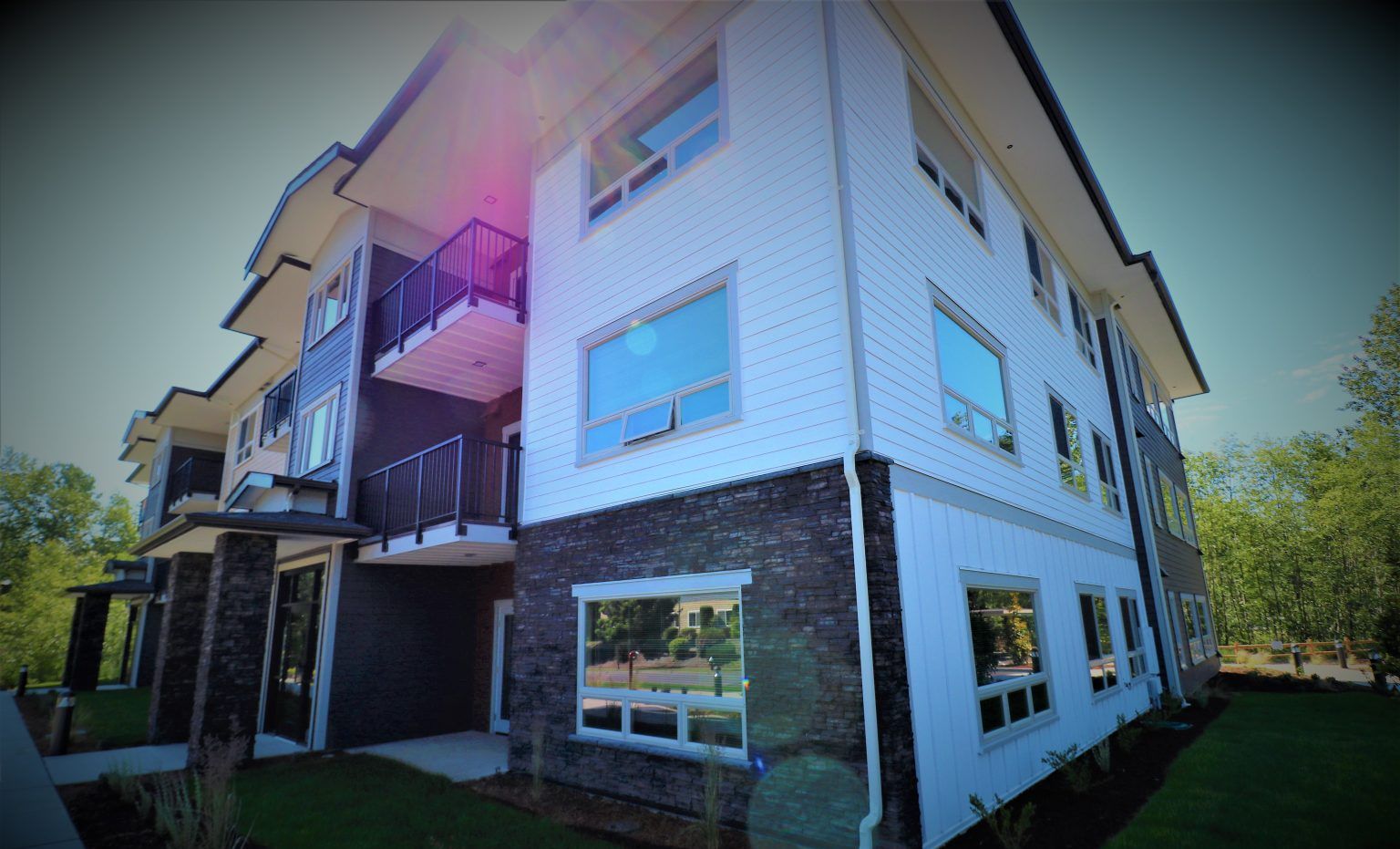
A complete siding replacement quote for a Keystone home should spell out, at minimum: full tear-off and disposal of the existing siding; inspection and pricing terms for any sheathing or framing repair found underneath; installation or replacement of house wrap or another approved moisture barrier; the specific siding product and profile, including its Florida Product Approval number; a fastening schedule appropriate to the home's wind exposure; trim, fascia, soffit, and flashing scope; permit fees and who pulls the permit; cleanup and disposal; and warranty terms covering both material and labor. If any of these items are missing from a written quote, ask for them in writing before signing. Vague line items like "siding install" with no breakdown make it nearly impossible to know what you're actually paying for, and they're a common source of disputes once work begins.
The only fair way to compare siding quotes is to make sure each contractor is bidding the same scope. Ask every contractor for the same material, the same profile, and the same fastening approach, then compare the line items side by side rather than just the bottom-line total. A noticeably lower bid is often lower because it's skipping tear-off of a second layer, skipping house wrap replacement, using a lighter fastening schedule than the wind exposure calls for, or excluding trim work that a competing bid includes. Confirm each contractor is licensed to work in Florida and carries current liability insurance and workers' compensation coverage, and ask to see the Florida Product Approval documentation for the specific siding product they're proposing. It's also worth asking how the contractor prices discovered damage, since sheathing or framing repair found during tear-off is common in this region and should be handled with a clear per-unit or per-hour rate agreed to up front rather than a surprise change order.
Many siding contractors, including Alpine Exteriors, offer financing options for homeowners who want to spread the cost of a full siding replacement over time rather than paying in one lump sum; ask what terms are available before committing to a project. On the insurance side, upgrading to a siding system that's properly rated and fastened for wind exposure can be worth documenting on your homeowner's insurance wind mitigation inspection, using the state's standard OIR-B1-1802 wind mitigation verification form. Insurers weigh a number of factors on that form, and a well-documented, code-compliant siding and fastening upgrade is one piece of the broader picture insurers look at, though it's not a guarantee of a specific premium change. Keep your permit paperwork, product approval documentation, and final invoice after the project is complete, since insurers and future buyers may ask for that documentation.
The biggest swings usually come from what's found once the old siding is removed. Two homes of the same size can price very differently if one has sound sheathing and the other has termite damage or water-softened framing behind the walls. Material choice, trim complexity, and how many layers of old siding need to come off also widen the gap between bids.
Yes. Any siding installed under a permit in Hillsborough County has to meet Florida Building Code requirements, which means the product needs a valid Florida Product Approval for the wind pressures relevant to your site, and it needs to be installed with a fastening pattern that matches that rating. A licensed contractor should be able to show you that documentation before work starts.
Not always, but it's common. Trim and fascia are exposed to the same sun, humidity, and wind-driven rain as the siding itself, and they're often original to the house even when siding has been replaced once before. It's worth having a contractor inspect trim condition during the estimate so it's priced up front rather than added mid-project.
Timelines depend heavily on home size, complexity, and how much repair work is found underneath the old siding, along with Florida's summer rain patterns, which can slow exterior work during peak storm season. A straightforward single-story home with sound sheathing moves faster than a multi-story home with extensive trim work or unexpected framing repairs.
The only way to know a real number for your Keystone home is a walk-through that accounts for your specific siding material, wall condition, and home layout. Alpine Exteriors, Florida contractor license RB29003900, provides written, line-item estimates for Keystone and the surrounding Hillsborough County area so you can see exactly what's included before any work begins. Reach out to schedule an on-site evaluation and get a quote built around your home instead of a generic estimate.