
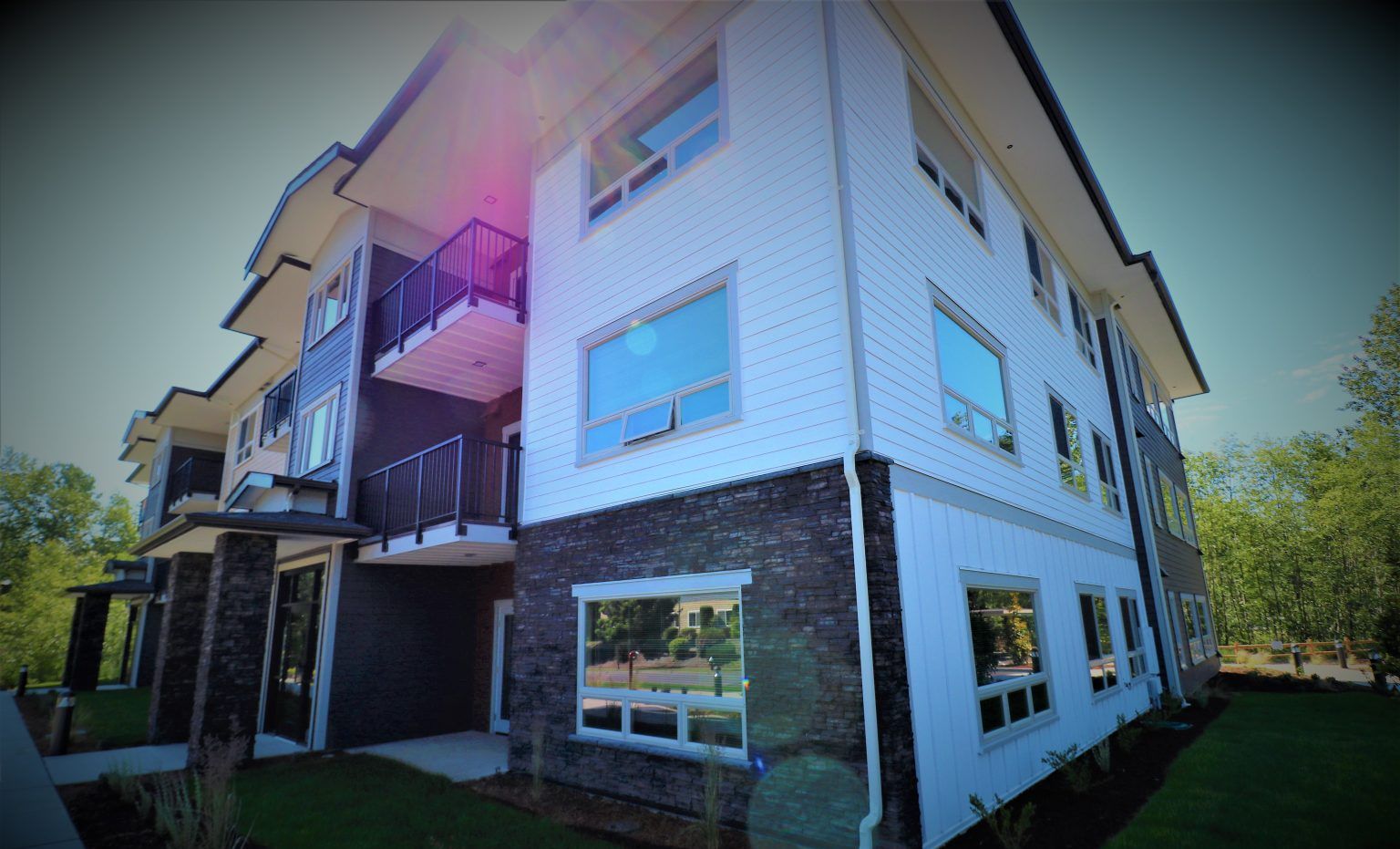
Bayonet Point sits close enough to the Gulf and to Pasco County's low-lying canal and waterway network that siding here works harder than siding almost anywhere inland. Between the humidity that sits over this part of Florida for most of the year, the wind-driven rain that arrives with summer thunderstorms and the occasional tropical system, and the intense UV load from being this far south, exterior siding is under near-constant stress. A panel, seam, or piece of trim that looks fine from the curb can already be failing behind the surface, and by the time a homeowner notices a stain, a soft spot, or a strip of siding flapping in the wind, water may have already been getting behind the cladding for months.
This checklist is written specifically for homes in and around Bayonet Point, Hudson, New Port Richey, and the rest of coastal Pasco County, where the Florida Building Code sets minimum wind-load and product-approval standards for exterior cladding, and where an insurer may ask for a current OIR-B1-1802 wind mitigation inspection form when writing or renewing a homeowner's policy. None of this is about scaring anyone into a project they don't need. It's about giving a homeowner a realistic, honest way to walk their own exterior twice a year — ideally once before hurricane season ramps up and once after — and know what they're actually looking at.
Siding panels and seams
Fasteners, trim, and flashing
Caulking and sealant joints
Soffit, fascia, and eaves
Corners, penetrations, and ground-level areas
Color, chalking, and surface wear
After a storm
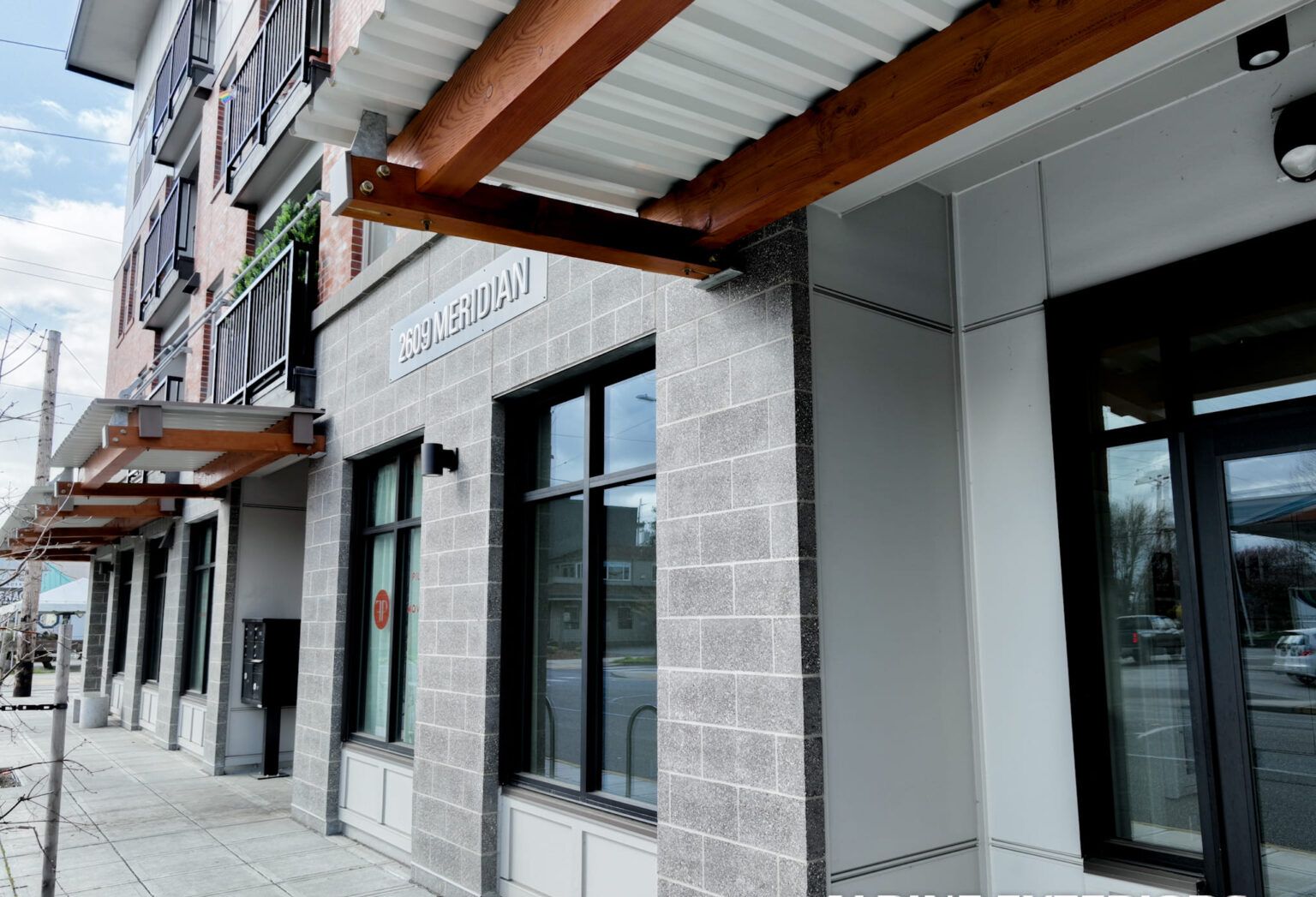
Not every failed item on this list means a full siding replacement, and it's worth being honest about that up front. A single loose panel, a dried-out bead of caulk, or a few backed-out fasteners are often a targeted repair — re-securing the panel, re-caulking the joint, or replacing a short run of trim. The bigger question is what's happening behind the visible surface. If a panel feels soft or spongy, if there's a musty smell at the soffit, or if staining keeps coming back in the same spot after repairs, that usually points to moisture that has already gotten past the cladding and into the wall assembly. In that case, patching the surface without addressing what's underneath just hides the problem for another season.
A reasonable first step for anything beyond simple caulk or fastener maintenance is to document what's found — photos, the general location on the house, and how long the issue has been visible — and get it looked at before the next wind event or heavy rain rather than after. Deferred maintenance on siding in this climate tends to compound quickly because humidity doesn't give damaged material much chance to dry out between rain events.
A homeowner can safely do most of this checklist from the ground or a stable ladder without climbing onto a roof or working at height on a two-story wall. It's time to call a licensed contractor when an inspection turns up soft or spongy panels, visible mold or a persistent musty smell near the wall line, siding that's separated enough to see the underlayment or sheathing behind it, or any sign of active termite activity such as mud tubes near the foundation. It's also worth a professional opinion before a major storm season if the home's siding hasn't been inspected in several years, or if the homeowner is trying to document wind mitigation features for an insurance form and isn't sure what qualifies. Alpine Exteriors, FL license RB29003900, inspects and repairs siding for homeowners throughout Bayonet Point, Hudson, New Port Richey, and the surrounding Pasco County area, and can tell a homeowner plainly whether an issue is a minor repair or something that warrants a broader look at the wall assembly.
Twice a year is a reasonable baseline for most homes in this area — once in late spring before hurricane season builds and once in late fall after the wet season has passed — with an extra walk-around after any significant storm. Homes closer to open water or with a lot of shaded, humid wall area may benefit from checking soffits and lower siding sections more often, since those spots tend to hold moisture the longest.
A homeowner can handle a visual and hands-on check of most of this list without special tools — looking for gaps, soft spots, chalking, and loose trim is straightforward from the ground or a ladder. What a homeowner generally can't assess on their own is what's happening behind the siding once moisture has gotten in, which is where a professional inspection becomes worthwhile.
Yes. Siding materials and installation methods used on Florida homes need to meet the wind-load and water-intrusion requirements set out in the Florida Building Code, and many products carry a specific Florida Product Approval showing they've been tested for the wind pressures expected in this region. Replacing or substantially repairing siding isn't just a cosmetic decision here — it has to hold up to code-mandated wind performance.
Generally yes, and it's worth understanding the distinction before assuming a repair will be covered. Sudden storm or wind damage is often treated differently by insurers than gradual issues like long-term moisture intrusion or mold, which are frequently viewed as a maintenance issue rather than a covered event. A homeowner should review their own policy language or ask their agent directly rather than assume either way, since coverage varies by carrier and policy.
Working through this checklist gives a homeowner a realistic sense of where their siding stands, but some issues — soft panels, hidden moisture, or storm-related damage — are easier to judge accurately in person. Alpine Exteriors serves Bayonet Point and the surrounding Pasco County communities, including Hudson, New Port Richey, Land O' Lakes, and Wesley Chapel, and offers straightforward siding inspections that explain what's found in plain terms, without pushing a bigger project than the home actually needs. If any item on this list came back questionable, reach out to Alpine Exteriors for an on-site look before the next storm season adds more stress to the wall.