Best Siding Colors for Homes in New Port Richey, Pasco County
Updated August 2026 · Alpine Exteriors · FL contractor license RB29003900
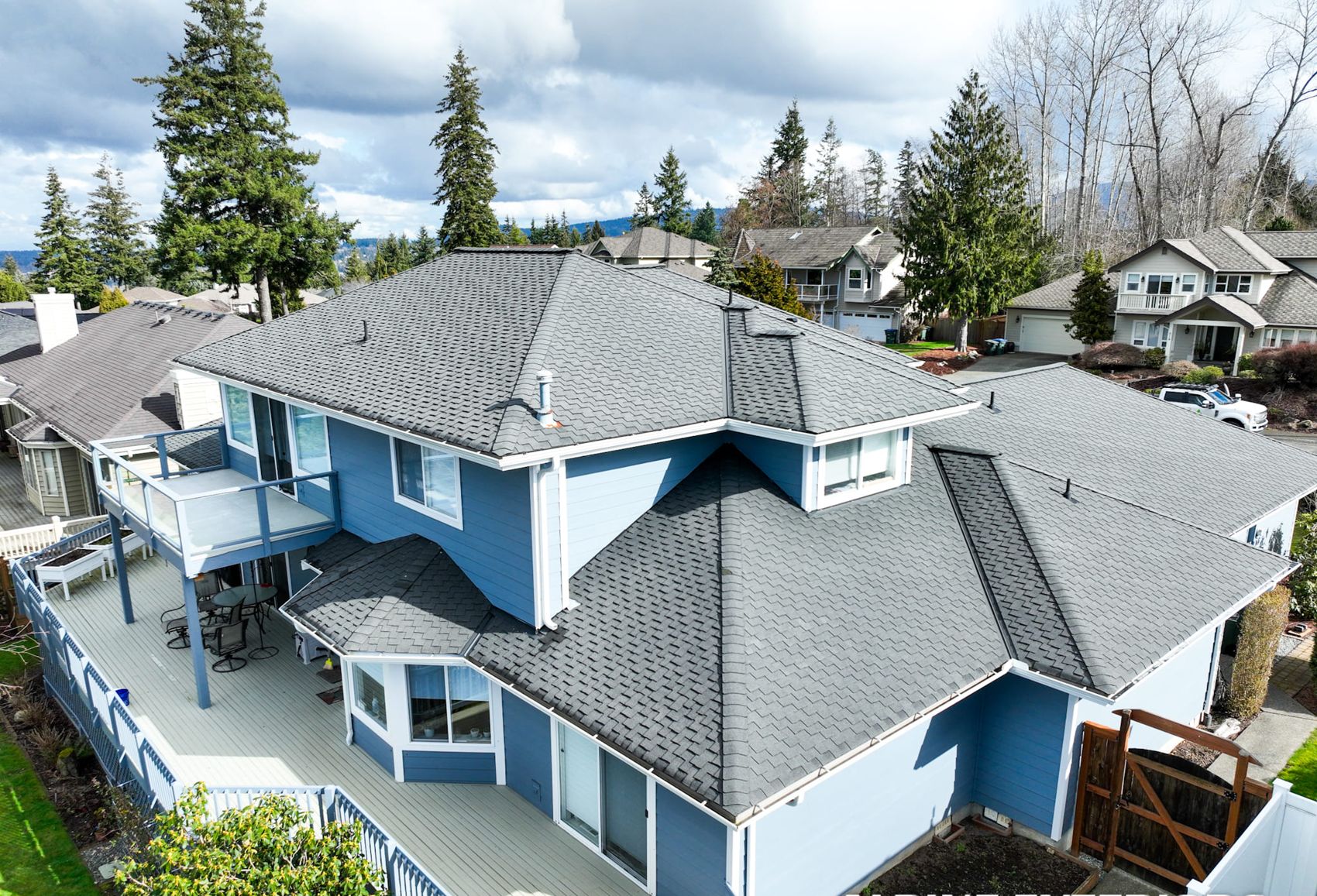
Picking a siding color in New Port Richey isn't quite the same exercise it is farther north. The Gulf sun sits high and strong for most of the year, humidity keeps surfaces damp longer after every afternoon storm, and a lot of Pasco County neighborhoods were built with a specific palette in mind, then locked in place by an HOA architectural committee. Add in salt-tinged air for homes closer to the coastline, and the color you choose today needs to hold up honestly for a decade or more, not just look good in a showroom sample. We put together this guide from what we actually see on siding jobs across New Port Richey, Wesley Chapel, Lutz, Land O' Lakes, Plant City, and Zephyrhills — not a marketing wish list.
The Short Answer: Top Picks for This Region and Why
For most New Port Richey homes, the safest long-term choices cluster around three families: warm sand and dune neutrals, soft coastal blue-grays, and warm greige/taupe tones. These hold up well under intense UV exposure, read as "Florida" against the tile roofs and stucco that dominate Pasco subdivisions, and rarely run into trouble with HOA architectural review boards that tend to favor muted, coastal-adjacent palettes over anything saturated or stark. If you want one general rule: lighter, warmer neutrals age more gracefully here than deep, cool, or high-saturation colors, because they reflect more heat and show less visible fade over time.
That doesn't mean darker colors are off the table — plenty of homes in Land O' Lakes and Lutz carry a charcoal or deep navy accent well, especially on gables, shutters, or a front-entry feature wall. It means the whole-house field color is where we push clients toward restraint, and accent color is where we let them have more fun.
How We Judged: The Criteria That Matter Here
We didn't rank these colors on looks alone. In this climate, a color choice has to survive several real stressors at once:
- UV intensity and fade resistance. Pasco County gets long, strong sun exposure most of the year. Pigments that are stable in milder climates can visibly chalk or shift tone here within a handful of years, especially on south- and west-facing elevations.
- Heat absorption. Darker colors absorb more solar heat. On vinyl siding specifically, that heat can cause the panels to expand, warp, or bow if the color falls outside what the manufacturer rates as safe for that profile — this is a real, well-documented limitation of vinyl as a material, not a scare tactic.
- Humidity and mold pressure. Florida's humidity encourages mildew growth on exterior surfaces, and it shows up faster and more visibly on some colors (flat mid-tone greens and certain yellows) than others.
- Wind and wind-driven rain. Whatever color and material you choose, the siding assembly itself still has to meet Florida Building Code wind-load requirements and carry a valid Florida Product Approval for the wind zone your home sits in. Color doesn't change structural performance, but it's worth confirming your installer isn't cutting corners on the product behind the color.
- Salt exposure. Homes closer to the Gulf side of Pasco County see more airborne salt, which can dull glossy finishes and accelerate fading on lower-quality vinyl or fiber cement coatings faster than it would inland in Zephyrhills or Plant City.
- HOA and deed restrictions. A large share of New Port Richey subdivisions operate under HOA-approved color palettes. A color can be objectively great and still get rejected at the architectural review stage.
- Neighborhood and landscape fit. Terracotta and gray barrel tile roofs, stucco accents, and mature palm and oak canopy all interact with siding color in ways that matter more here than in a lot of other regions.
Warm Sand, Dune, and Beige Tones
These are the workhorse colors of Pasco County siding, and for good reason. Warm sand and dune shades sit close to the natural color of Florida's coastal landscape, they pair easily with terracotta tile roofs, and they're almost always pre-approved in HOA palettes because builders originally specified them.
- Pros: Strong heat reflectance keeps the material cooler and reduces warping risk on vinyl. Fading is gradual and even rather than blotchy. Broad HOA acceptance in most New Port Richey and Land O' Lakes developments. Forgiving of dust, pollen, and mildew streaking between cleanings.
- Cons: Can look flat or builder-grade if not paired with contrasting trim or shutters. Some dune tones read slightly yellow in direct afternoon sun, which not everyone likes.
Soft Coastal Blue-Gray
A muted blue-gray — think weathered driftwood rather than nautical navy — has become one of the more requested colors on newer builds and renovations across Wesley Chapel and Lutz. It reads coastal without being literal, and it photographs well against green landscaping.
- Pros: Lighter blue-grays reflect heat reasonably well and tend to fade more evenly than saturated blues. Pairs cleanly with white trim and gray-toned roof tile. Increasingly common enough that most HOAs in newer subdivisions have already approved a version of it.
- Cons: Darker or more saturated blue-grays absorb more heat and are more prone to visible fading on the sun-facing side of the house within a few years. Some older, more traditional HOAs still restrict blue tones to trim only, so this is worth confirming before you fall in love with a swatch.
Warm Greige and Taupe
Greige — the gray-beige hybrid — has become a default neutral almost everywhere, and it works well here too, especially on homes with a stucco or brick accent base.
- Pros: Neutral enough to satisfy almost any HOA palette. Doesn't skew warm or cool depending on time of day the way pure gray or pure beige sometimes can. Ages gracefully; slight fading over the years is hard to notice because the tone was already muted.
- Cons: It's common. If you want a home that stands out on the block, greige is the safe choice, not the distinctive one. Cheaper vinyl in greige tones can show mildew streaking more visibly than in true sand tones, simply because the gray undertone contrasts more with dark mildew spots.
Classic Soft White and Off-White
Soft white remains popular on Old Florida and coastal cottage-style homes in and around downtown New Port Richey.
- Pros: Best-in-class heat reflectance, which matters for both comfort and material longevity. Timeless look that rarely goes out of HOA favor. Makes trim, shutters, and roof color pop by contrast.
- Cons: Shows dirt, pollen, and mildew staining faster than any other option on this list, particularly under tree canopy or near sprinkler overspray, which means more frequent washing to keep it looking crisp. Glare can be an issue on homes with full west or south sun exposure and no mature landscaping to soften it.
Deep Charcoal and Navy (as Accents)
We're honest with clients about this one: deep charcoal or navy can look striking as an accent — a front door wall, dormer, or shutters — but we rarely recommend it as a whole-house field color in this climate.
- Pros: High-end, modern look that contrasts beautifully against white trim and light stucco neighbors. Works well on small accent areas where heat buildup and fade are less of a structural concern.
- Cons: Significant heat absorption under Pasco County's sun raises real concerns about warping on vinyl siding — most manufacturers explicitly limit how dark a color can go on certain profiles for exactly this reason. Fiber cement handles the heat better structurally, but even then, dark pigments visibly fade and chalk faster under sustained UV than lighter colors. Many HOAs restrict dark colors to trim and accents only, not full elevations.
What to Avoid Here and Why
A few choices come up often enough in early conversations that they're worth addressing directly:
- Very dark colors as a full-house field color on vinyl siding. Between the heat, the UV intensity, and the humidity, dark vinyl is the combination most likely to show warping, bowing, or premature fading within a few years — not a guaranteed failure, but a meaningfully higher risk than with lighter tones or with fiber cement.
- Anything outside your HOA's approved palette. A large number of Pasco County communities enforce deed-restricted exterior color lists, and repainting or residing outside that list can trigger a violation notice or forced correction. Always check your HOA documents or ask your management company before finalizing a color, even one that seems neutral.
- High-gloss finishes on large elevations. Gloss shows every imperfection and amplifies glare under direct Florida sun; a low-sheen or matte finish generally looks better longer here.
- Flat mid-tone greens and dull yellows. These are the colors most likely to visibly show mildew and algae streaking between cleanings in a high-humidity environment, simply because the contrast between the base color and organic staining is highest in these ranges.
- A color chosen without seeing it against your actual roof. Terracotta and gray tile roofs are common throughout New Port Richey, and a siding color that looks great on a sample card can clash badly against a roof you're not planning to replace anytime soon.
FAQ
Will darker siding colors fade faster in New Port Richey's sun?
Generally, yes. Darker and more saturated colors absorb more UV energy and tend to show visible fading, chalking, or tone shift sooner than lighter neutrals, especially on south- and west-facing walls that see the most direct sun. Lighter sand, greige, and soft blue-gray tones fade more slowly and more evenly.
Does the siding still need to meet Florida Building Code wind requirements regardless of color?
Yes. Color is purely a finish choice — the underlying siding product still has to meet Florida Building Code wind-load requirements and carry a valid Florida Product Approval for your area. Alpine Exteriors installs siding that's rated for Pasco County's wind exposure whatever color you choose, so you're never trading looks for structural performance.
How do I check my HOA's approved color palette before choosing?
Your HOA's governing documents or architectural review guidelines should list approved exterior colors, sometimes by manufacturer name and color code. If you don't have a copy, your HOA management company can usually provide one. We routinely help New Port Richey homeowners cross-reference a color they like against their community's approved list before we finalize an estimate, which avoids a rejected application later.
What siding material holds color best in this climate?
Fiber cement generally holds pigment and resists heat-related warping better than standard vinyl, particularly in mid-to-dark tones, though it costs more upfront. High-quality vinyl with UV-stable pigment performs well in lighter and mid-tone colors and remains a solid, more budget-friendly option for most homes. Alpine Exteriors can walk through both material options against your color preference so you know the real tradeoffs before committing.
Ready to Choose Your Siding Color?
Picking a siding color that still looks good in ten years takes more than a paint chip and a guess — it takes knowing how that specific pigment behaves under Pasco County sun, how it reads against your roof and landscaping, and whether it will clear your HOA on the first submission. Alpine Exteriors (FL license RB29003900) works with homeowners across New Port Richey, Tampa, Wesley Chapel, Lutz, Land O' Lakes, Plant City, and Zephyrhills to bring physical samples to your home, check them in your actual light, and confirm they meet both your community's rules and Florida's building requirements. Contact Alpine Exteriors to schedule an on-site color consultation and get an honest read on what will hold up on your house.
Want a straight answer for your home? Alpine Exteriors gives free on-site assessments across Tampa, Wesley Chapel, Lutz, Land O' Lakes, New Port Richey, Plant City and Zephyrhills.
Call (813) 742-6348 or
request an estimate.