
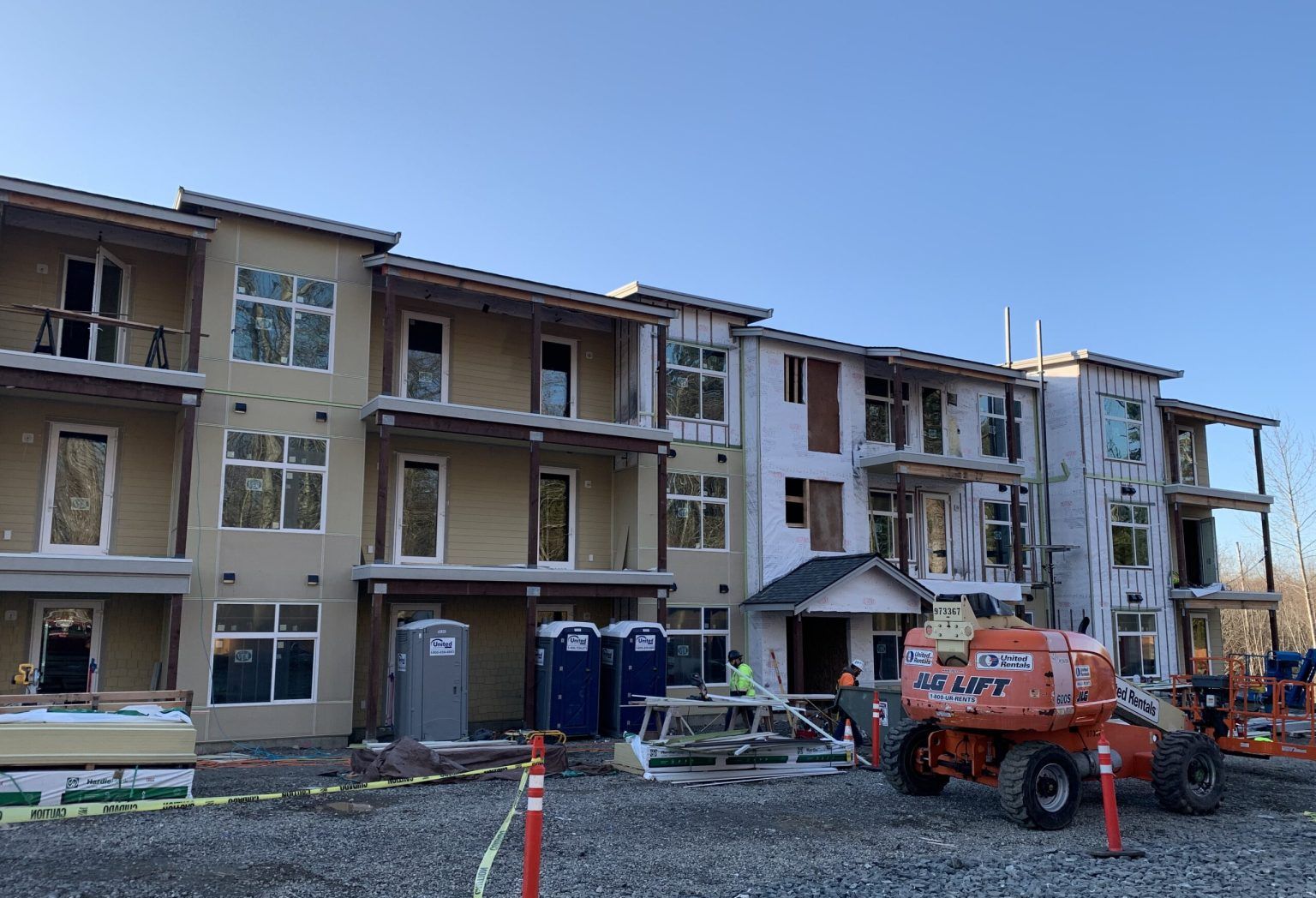
Avalon Park sits in fast-growing Wesley Chapel, in the New Tampa corridor of Pasco County, and most of the homes here were built from the early 2000s through the last few years — concrete block first floors with stucco finishes, and a fair number of two-story frame sections wrapped in stucco or vinyl above the block line. That construction era means most houses were built to a fairly recent Florida Building Code, which is a good starting point, but the siding and trim on top of that code-compliant shell still take the brunt of Central Florida weather: long, humid summers, sudden afternoon storms with wind-driven rain, direct UV exposure with very little relief, and the occasional tropical system pushing sustained winds and gusts through the neighborhood. Homeowners in Avalon Park and nearby parts of Wesley Chapel, Lutz, and Land O' Lakes are also often working inside an HOA's approved color and material palette, which narrows the practical choices further. Below, Alpine Exteriors walks through what actually performs well here, what tends to disappoint, and why — based on what we see coming off houses in this exact market, not a generic national list.
For most Avalon Park homes, fiber cement siding — installed and fastened to current Florida Building Code wind requirements — is the strongest all-around choice for any wood-framed wall sections, gable ends, or accent areas that aren't already stucco over block. It resists moisture swelling, holds paint through UV exposure better than most alternatives, and is dense enough that termites have no interest in it. Where a home already has stucco over CBS (concrete block stucco) construction, the better move is usually not to replace the stucco at all but to make sure it's properly maintained, crack-repaired, and repainted with a breathable, UV-stable coating — tearing off sound stucco to install something else is rarely worth it. Impact-rated vinyl siding is a reasonable budget option for secondary structures, additions, or HOA-approved accent bands, but it's a second choice, not a first, in a wind-exposed inland Pasco County location. Engineered wood siding can work but only with the right treatment and installation detailing, discussed below.
We weighed each material against the conditions that actually determine how siding performs in Avalon Park over 15-20 years, not just how it looks on day one:
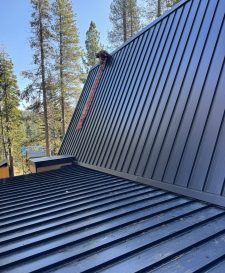
Fiber cement (the category that includes James Hardie's HardiePlank and similar products) is cement, sand, and cellulose fiber pressed into planks or panels. For the wood-framed portions of Avalon Park homes — second-story additions, gable ends above the block line, and some fully frame-built sections in the newer phases of the neighborhood — it's the material we recommend most often.
Pros: It doesn't absorb enough moisture to swell or warp in Florida humidity the way real wood does. It holds factory-applied or field-applied paint far longer than vinyl holds its color, which matters under this much UV. It's non-combustible and termites can't eat it. When installed with the correct fastening pattern and a current Florida Product Approval, it performs well in the wind pressures Pasco County design wind speeds call for.
Cons: It's heavier and more labor-intensive to install correctly than vinyl, which raises installed cost. It must be painted or have factory finish maintained — it is not a zero-maintenance product, and caulking and paint touch-ups are part of ownership. Cut edges need to be sealed and field flashing details done correctly, or moisture can still find its way behind the panel over time; installation quality matters more with fiber cement than with almost any other siding type.
Because most homes in this part of Wesley Chapel are concrete block construction with a stucco finish, the honest "best siding" answer for a large share of these houses is the exterior finish they already have — maintained correctly, rather than replaced.
Pros: Stucco over solid concrete block is inherently strong against wind loads, doesn't burn, and termites can't touch it. It's also the expected look throughout Avalon Park, so it never runs into an HOA approval fight.
Cons: Stucco cracks over time as the block and framing move seasonally, and hairline cracks that aren't sealed let wind-driven rain track behind the finish, which is where humidity turns into a real mold and substrate problem. Older or poorly applied stucco can also trap moisture against wood-framed sections (like second-story pop-outs) rather than letting it escape, which is a common source of hidden rot Alpine Exteriors finds when we open up a wall for repair. Stucco repair and recoating is a specialized job — patchwork that doesn't match texture or isn't sealed properly just becomes the next crack.
Vinyl shows up on some frame sections and accent areas in newer Wesley Chapel developments, and it's worth discussing honestly rather than dismissing outright.
Pros: It's the lowest material and labor cost of the options here, never needs painting, and modern impact-rated, thicker-gauge vinyl carries Florida Product Approval for wind pressure when installed with the correct fastening pattern. It won't rot or feed termites.
Cons: Standard-grade vinyl can deform or crack in direct, sustained UV exposure over years, and darker colors — which some Avalon Park owners want for a modern look — absorb more heat and are more prone to warping in Florida sun than lighter shades. Thinner, older-style vinyl is also the first thing we see peel off in a wind event, because it relies entirely on correct fastening rather than adhesion or mass. It's a legitimate budget or secondary-structure option here, but we don't rank it above fiber cement for primary elevations in a hurricane-exposed inland county.
Engineered wood products (like LP SmartSide) use wood strands bonded with resin and treated with borate for insect resistance, then factory-primed.
Pros: It's lighter and easier to install than fiber cement, machines like real wood for trim details, and the borate treatment gives it a real answer to termites rather than just hoping they stay away.
Cons: It is still a wood-fiber product, and in a climate with Avalon Park's humidity, any breach in the factory coating — an unsealed cut edge, a missed caulk joint, a scratch during installation — is an entry point for moisture that can swell and delaminate the panel over a few years. We've seen this happen most often on homes where a lower-cost installer skipped edge-sealing to save time. If a homeowner wants this look, we only recommend it with meticulous edge treatment and a realistic maintenance plan; it is not a set-it-and-forget-it product here the way it might be marketed elsewhere.
A few choices come up in Avalon Park that we steer homeowners away from more often than not:
Any siding installed on a home in Wesley Chapel needs to meet the wind pressure requirements of the Florida Building Code for this location, which means the product needs a valid Florida Product Approval (or accepted Miami-Dade NOA) and must be fastened according to that approval's schedule. This isn't a separate "hurricane-rated" upgrade tier — it's the baseline for a legal installation here, and it's worth confirming your installer is pulling permits and installing to that approval rather than a generic national fastening pattern.
It can, depending on what else changes during the project. Wind mitigation credits documented on the OIR-B1-1802 form are mostly tied to roof-to-wall connections, roof covering, and opening protection rather than wall siding material itself, but if a siding project also touches soffits, gable-end bracing, or opening protection, it's worth having your inspector re-verify the form afterward so you don't lose credits you're currently getting.
It varies widely with the extent of damage, so we won't invent a number here, but as a general pattern: hairline crack sealing and recoating on a section of stucco is a fraction of the cost of a full siding tear-off and replacement on the same wall area. The right call usually comes down to whether the substrate underneath is still sound — Alpine Exteriors can open a small test area to check for hidden moisture or rot before recommending which path makes sense for your home.
For a two-story wall exposed to more direct wind load and rain than a single-story wall, fiber cement is usually the better long-term choice because of its resistance to warping and its stronger track record in wind-driven rain, even though it costs more to install than vinyl. If budget is the deciding factor, impact-rated vinyl with the correct fastening schedule can still meet code, but we'd steer a two-story, wind-exposed elevation toward fiber cement first.
Every Avalon Park home is a little different — some are solid CBS with a stucco finish that just needs proper maintenance, others have frame sections that are due for a real siding decision. Alpine Exteriors, Florida contractor license RB29003900, serves Wesley Chapel, Lutz, Land O' Lakes, New Port Richey, Plant City, Zephyrhills, and the greater Tampa Bay area, and we're happy to walk your property, tell you honestly what condition your current siding or stucco is in, and lay out real options with real trade-offs — not a one-size-fits-all pitch. Contact Alpine Exteriors to schedule a walk-through and get a written recommendation for your specific home.