
Picking siding for a home in the Richland area of Pasco County is not the same exercise as picking siding almost anywhere else in the country. The material has to shed wind-driven rain during a named storm, resist mold and mildew in humidity that barely lets up between May and October, hold its color under intense central Florida sun, and stand up to the subterranean termites that are common throughout this part of the state. Alpine Exteriors works on homes across Tampa, Wesley Chapel, Lutz, Land O' Lakes, New Port Richey, Plant City, and Zephyrhills, and the Richland corner of Pasco County comes up often because the housing stock here is such a mix — concrete block homes from the 1970s through 1990s with aluminum or vinyl added on later, newer stucco-over-frame construction, and a fair number of manufactured and modular homes. This guide covers what actually holds up here, what does not, and why, so you can make a decision informed by local conditions rather than a national buying guide written for a different climate.
For most Richland-area homes, we recommend fiber cement lap siding first, insulated vinyl siding as a strong second choice for a tighter budget, and we advise against unprotected wood-based products in nearly every case. Fiber cement resists wind-driven rain intrusion, does not feed termites, will not warp or swell in humidity, and is available with Florida Product Approval documentation that satisfies the Florida Building Code and, in many cases, helps with insurance underwriting. Insulated vinyl costs less up front and installs faster, and when it carries a current Florida Product Approval number rated for our wind zone, it performs reasonably well — though it will not match fiber cement for impact resistance or long-term color retention under Florida UV. Beyond those two, every other option on this page comes with a real tradeoff worth understanding before you sign a contract, not after a storm.
We weighed each material against the conditions that actually determine whether siding lasts in Pasco County, not generic marketing claims:
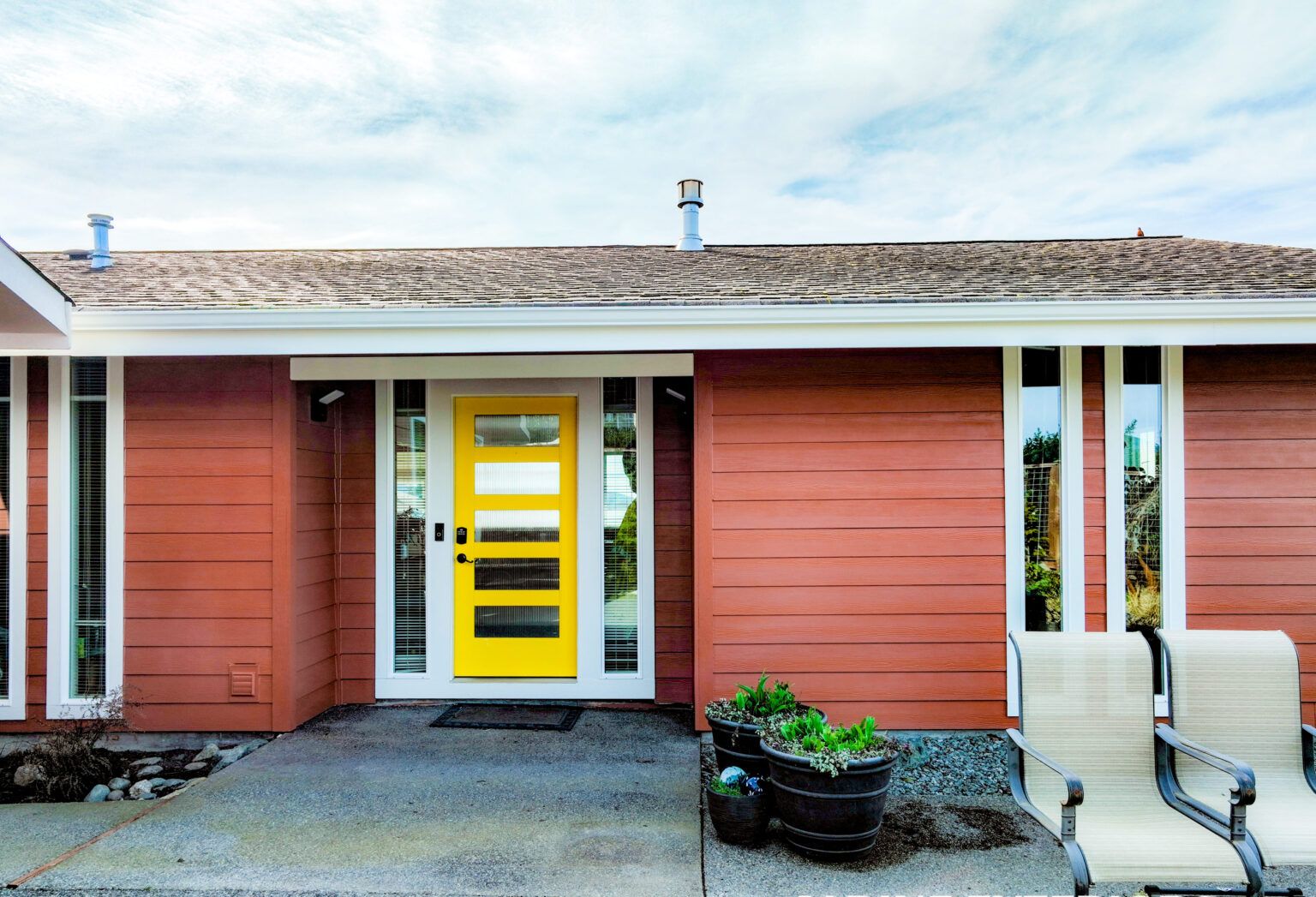
Fiber cement (cement, sand, and cellulose fiber pressed into planks) is our top recommendation for most homes in this area. It does not burn, does not attract termites, does not rot, and holds paint far longer than vinyl holds its color. Manufactured versions carry Florida Product Approval for high-velocity wind zones, which matters when you or your insurer are reviewing an OIR-B1-1802 wind mitigation form after an exterior upgrade. The honest drawbacks: it is heavier and more labor-intensive to install than vinyl, it costs more up front — expect a noticeably higher installed price per square than vinyl — and it needs to be painted, so there is a repaint cycle down the road even though the substrate itself is not degrading. It also has to be cut and installed by a crew that follows the manufacturer's fastening and clearance details for our wind zone; a rushed installation undercuts the product's real-world performance.
Insulated vinyl — vinyl panels backed with rigid foam — is a reasonable middle ground. The foam backing stiffens the panel so it resists denting and oil-canning better than hollow vinyl, adds a modest amount of R-value, and helps the panels stay straighter over block or furring-strip walls that are not perfectly flat. Look specifically for a Florida Product Approval number rated for your wind zone; not every vinyl product sold nationally is rated for use here, and installing an unrated product can leave you without insurance credit and without code compliance. The tradeoffs: vinyl, even insulated vinyl, is a plastic product, so it softens in direct summer heat and can distort near grills or reflected sunlight off low-E windows, and its color is baked in rather than painted, so faded panels have to be replaced rather than repainted. It is also more vulnerable to wind-driven debris impact than fiber cement.
Basic hollow vinyl is the least expensive option and can be perfectly serviceable on a budget, rental, or secondary structure, but it is the option most likely to disappoint on a primary home here. Without the foam backing, panels flex and can rattle or pop loose in sustained wind, and thinner-gauge products fade and become brittle under UV faster than insulated or premium vinyl. If cost is the deciding factor, we would rather see a homeowner choose a mid-weight, wind-rated vinyl product installed correctly than a bargain product installed loosely to save labor.
Engineered wood (wood strand or fiber bonded with resin) gives a wood-look profile at a lower cost than real wood, and modern versions are treated against fungal decay and insects at the factory. We install it occasionally, usually when a homeowner specifically wants the wood-grain look, but it is not our default recommendation for this region. Any breach in the factory coating — a poorly sealed cut edge, a fastener hole, caulk that fails after a few Florida summers — gives moisture and, potentially, termites a way into the substrate, and once an engineered wood panel swells or delaminates it usually needs to be replaced rather than repaired. It demands more disciplined maintenance (caulk inspections, prompt repainting) than fiber cement or vinyl, which is a real cost in a climate this humid.
Stucco is not siding in the lap-panel sense, but it is worth mentioning because a large share of Richland's newer stucco-over-frame and stucco-over-block homes are effectively deciding between a stucco recoat/repair and switching to a lap siding system during a re-side. Properly applied and maintained stucco handles Florida humidity and UV well and has a long track record in this market. Its weak points are hairline cracking as the structure settles or moves in high wind, and water intrusion at poorly flashed windows and penetrations, which can go unnoticed behind the finish for a while. If your stucco is sound and the flashing details are good, recoating is often more cost-effective than a full siding conversion; if you have chronic cracking or moisture issues, that is usually a flashing and drainage problem that a straight stucco recoat will not solve on its own.
A number of older Richland-area homes still carry original or retrofitted aluminum siding from the 1970s through 1990s. It does not rot or feed termites, which is worth something, but it dents easily from hail or debris, its factory finish chalks and fades noticeably after a few decades of Florida sun, and older installations often predate current Florida Building Code wind-fastening requirements. We do not recommend new aluminum installations today, and on a home where it is still in place, we typically evaluate whether the underlying wall sheathing and fastening would even support a code-compliant reinstallation, or whether a replacement with fiber cement or rated vinyl makes more sense at the next re-side.
A few choices come up often enough in estimates that they deserve a direct warning. Untreated or standard lumber lap siding is a poor fit for this climate — humidity and termite pressure will find any gap in maintenance faster than in a drier region, and the upkeep cost over time usually erases whatever was saved at installation. Any vinyl or engineered product without a Florida Product Approval number matched to your wind zone should be treated as a red flag, not a bargain; it can leave you out of compliance with the Florida Building Code and can affect the wind mitigation credits documented on an OIR-B1-1802 form, which insurers use to set premiums. Foam-backed or insulated siding installed without the fastening schedule the approval documentation actually specifies is another common shortcut — the product may be rated, but the installation as done is not, and that distinction matters if a claim is ever filed. Finally, be cautious of a full re-side that ignores the wall behind the siding: covering deteriorated sheathing, damaged furring strips, or existing moisture intrusion with new siding does not fix the underlying problem, it just hides it for a while.
It can, depending on what changes. Insurance wind mitigation credits are documented on the OIR-B1-1802 form and are tied mainly to roof-to-wall connections, roof shape, opening protection, and roof covering rather than wall siding material itself. That said, replacing siding is a common opportunity to also address flashing, soffit, and attachment details that do factor into a wind mitigation inspection, and choosing a Florida Product Approved siding system keeps your exterior in compliance with current code, which matters for any future claim. Ask your inspector or agent which specific items on your existing form could be improved during the project.
It depends heavily on the material and the quality of the installation. Well-installed fiber cement commonly performs for several decades with periodic repainting. Quality insulated vinyl with a proper Florida Product Approval typically holds up well for a couple of decades before fading or brittleness becomes noticeable. Engineered wood and standard vinyl tend to show problems sooner in this humidity if maintenance lapses, since moisture intrusion and UV exposure are relentless here compared to drier or cooler climates.
No. Vinyl siding sold nationally is not automatically rated for Florida's wind zones, and using an unrated product can put your home out of compliance with the Florida Building Code. Look for a specific Florida Product Approval (FL) number on the product documentation and confirm the installer is using the fastening pattern tested for that approval — the rating only holds if the installation matches the tested assembly.
In most cases, yes. Siding replacement is generally a permitted exterior alteration under the Florida Building Code, and Pasco County's building division reviews the product's Florida Product Approval as part of that permit. A licensed contractor handling the permit and inspection process also protects you if you ever need to document the work for insurance or resale purposes.
Every Richland-area home is a little different — block construction versus wood frame, an older aluminum retrofit versus a newer stucco build, sun exposure, tree cover, and how the last re-side (if any) was flashed and fastened. Alpine Exteriors, Florida contractor license RB29003900, has installed and repaired siding throughout Pasco County and the wider Tampa Bay area long enough to know which products and installation details actually hold up here versus which ones just look good on a spec sheet. If you are weighing fiber cement against insulated vinyl, wondering whether your current siding still meets code, or just want a straight answer about what your home needs, reach out to Alpine Exteriors for an on-site evaluation and a written estimate that lays out the real tradeoffs for your specific house.