Best Siding for Homes in Seven Oaks, Pasco County
Updated August 2026 · Alpine Exteriors · FL contractor license RB29003900
Seven Oaks in Wesley Chapel is one of the larger master-planned communities in Pasco County, and most of its homes share a similar profile: stucco-finished exteriors over concrete block or wood frame, built roughly from the late 1990s through the 2010s, with HOA architectural guidelines that govern what an exterior is allowed to look like. That combination — stucco-dominant streetscapes, a homeowners association with review authority, and Tampa Bay's mix of intense sun, heavy humidity, and hurricane-season wind — narrows the practical siding choices more than a generic "best siding" list would suggest. This page walks through what actually holds up here, what an honest set of trade-offs looks like for each product, and what we'd steer a Seven Oaks homeowner away from.
The Short Answer
For most Seven Oaks homes, the two siding types worth serious consideration are fiber cement and impact-rated vinyl. Fiber cement is the stronger match when a home has wood-frame gable ends, dormers, or accent bands that need to be replaced or upgraded, because it holds paint, resists moisture intrusion, and carries Florida Product Approval ratings suited to this area's wind-borne debris requirements. Impact-rated vinyl is the more budget-conscious option and performs well when it's a heavier, UV-stabilized profile rather than a thin, builder-grade version — though many Seven Oaks-style HOAs restrict vinyl to secondary elevations or accents rather than full street-facing walls, so that restriction often decides the question before the material comparison does. Neither choice overrides the fact that most failures we see in this climate trace back to flashing and installation detail, not the siding material itself — a point we come back to below.
How We Judge Siding for This Area
Not every siding criterion that matters in a northern or arid climate matters the same way in Pasco County. Here's what we actually weigh for a Seven Oaks or greater Tampa Bay home:
- Wind performance and product approval. Pasco County sits within Florida's wind-borne debris region under the Florida Building Code, which means exterior products used here need a valid Florida Product Approval (or an equivalent recognized approval) rated for the applicable design wind speed — this affects both what can legally be installed and how it performs in a named storm.
- Wind-driven rain resistance. Straight-line wind and hurricane bands push rain sideways and even upward under lap joints. A siding system's actual weather resistance depends heavily on the house wrap, flashing, and fastening behind it, not just the face material.
- Humidity and mold pressure. Tampa Bay's year-round humidity creates sustained moisture exposure that few other U.S. markets deal with. Materials that trap moisture against sheathing, or that provide organic material for mildew to colonize, underperform here even if they look fine in a showroom.
- UV and fade resistance. Florida sun is intense and nearly year-round. Lower-grade vinyl and unprotected wood-based products can chalk, fade, or warp faster here than the same product would in a milder climate.
- Termite exposure. Subterranean and drywood termites are active throughout Pasco County. Siding itself is rarely the entry point, but wood trim, furring strips, and untreated wood-based products behind or adjacent to siding are a real consideration.
- HOA and architectural fit. Seven Oaks' review guidelines and the stucco-heavy look of the neighborhood mean a technically excellent siding choice can still be a poor fit if it clashes with what the community allows or with the home's existing masonry-and-stucco character.
- Insurance documentation. Florida's wind mitigation inspection (documented on form OIR-B1-1802) can factor in opening protection and construction details. Choosing a properly rated, well-documented product supports that paperwork even though siding alone isn't the whole picture.
Fiber Cement Siding
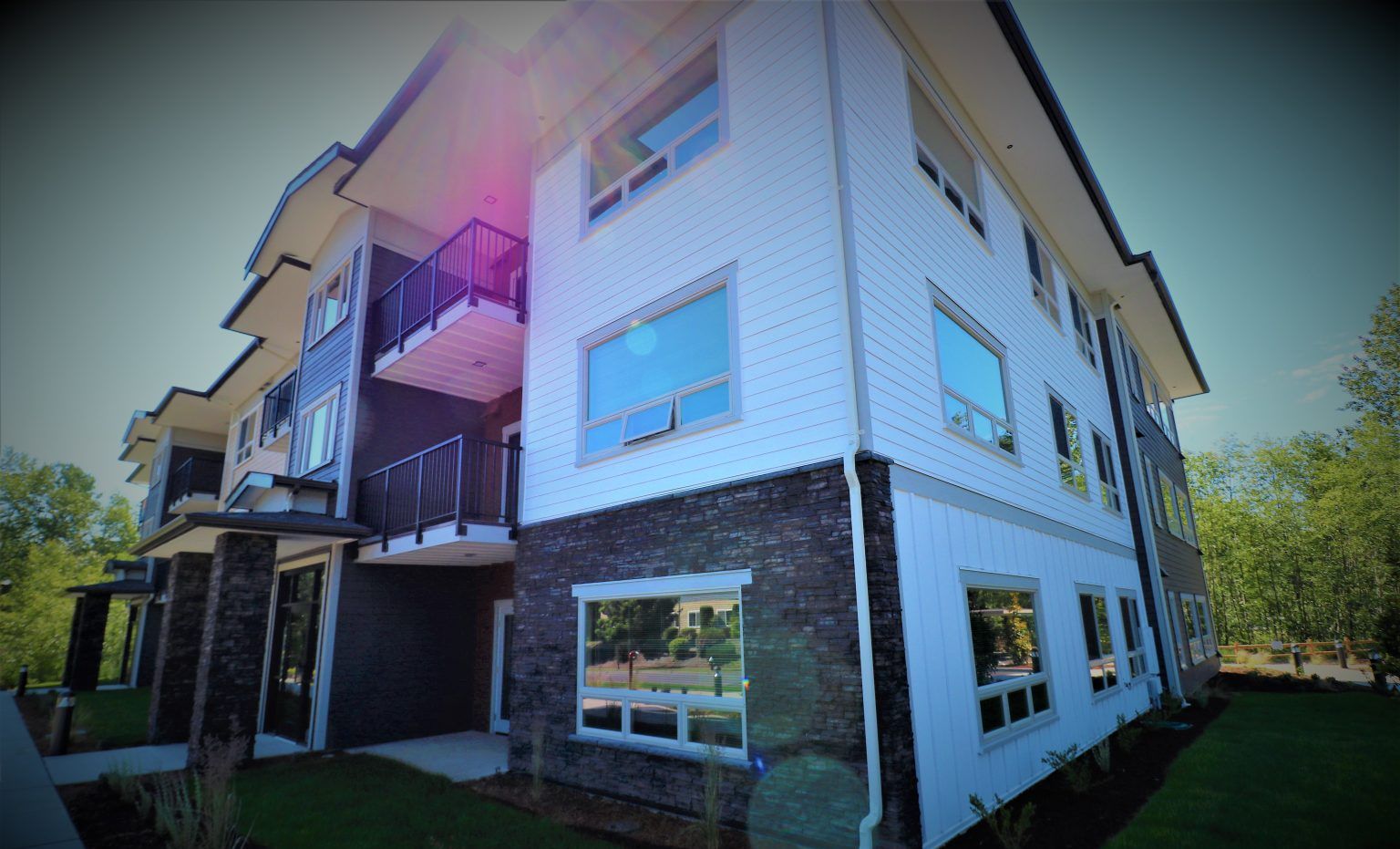
Fiber cement (cement-and-cellulose board products in the HardiePlank family) is generally our first recommendation for wood-frame sections of Seven Oaks homes — gable ends, dormers, and accent walls that were originally built with wood siding or trim rather than stucco.
- Pros: Non-combustible with a Class A fire rating; doesn't rot or provide termite food; holds paint far longer under intense Florida UV than most wood products; available in profiles carrying Florida Product Approvals suited to this region's wind requirements; heavy enough to perform well against wind-driven rain when flashed and fastened correctly; available in lap and board-and-batten styles that read as a natural accent against stucco rather than a mismatch.
- Cons: Heavier material that requires a correct fastening schedule and experienced installation — done poorly, fastener pull-through becomes a real risk in high wind; still needs periodic repainting and caulk maintenance given the humidity here, though far less often than wood; costs more in both material and labor than vinyl; cutting it on-site produces silica dust that requires proper cutting method and PPE; and because it's a distinct texture from stucco, it needs sign-off from the Seven Oaks architectural review committee before installation on visible elevations.
Alpine Exteriors installs fiber cement specifically because it tends to be the lowest-maintenance option that still satisfies HOA expectations for a wood-look accent in communities like Seven Oaks.
Impact-Rated Vinyl Siding
Vinyl remains the most common full-replacement siding across Tampa Bay because of its price point and low maintenance, but the grade matters enormously in this climate.
- Pros: Low maintenance — no repainting; won't rot and gives termites nothing to eat; more affordable than fiber cement both in material and labor; wide color selection; won't rust or corrode in humid, occasionally salt-influenced air moving inland from the Gulf; thicker, impact-rated profiles carry Florida Product Approval for wind-borne debris regions.
- Cons: Standard, thin-gauge vinyl can soften, warp, or fade under sustained Florida UV exposure in a way it wouldn't in a cooler climate — this only becomes a non-issue if you specify a UV-stabilized, impact-rated panel rather than a builder-grade product; lower grades can crack under wind-borne debris impact even when rated, if installation clearances aren't followed; loose or poorly overlapped seams can let wind-driven rain work behind the panels during a tropical system; and many Pasco County HOAs, including guidelines typical of Seven Oaks, limit vinyl to rear or side elevations rather than allowing it on the street-facing front of a stucco-style home.
Insulated Vinyl Siding
Insulated vinyl is standard vinyl with a foam backing laminated to the panel, and it solves some of standard vinyl's weaknesses while introducing a few of its own.
- Pros: The foam backing produces a flatter, more rigid panel that resists denting and distortion better than hollow vinyl; slightly improved wind performance in testing versus non-insulated versions; some reduction in heat transfer through the wall assembly, which can modestly ease air conditioning load during Tampa Bay's long cooling season.
- Cons: Meaningfully more expensive than standard vinyl for a benefit that's incremental rather than dramatic; the foam backing can trap moisture against the sheathing if the house wrap and flashing details behind it aren't done correctly — a real risk in a climate with this much ambient humidity; and it still runs into the same HOA elevation restrictions that standard vinyl does in communities like Seven Oaks.
Engineered Wood Siding
Engineered wood products (strand-based siding such as LP SmartSide) show up occasionally in Tampa Bay renovations, usually where a homeowner wants a wood look with less weight than fiber cement.
- Pros: Lighter than fiber cement, so installation is faster and doesn't stress framing as much; factory treatment includes borate for termite resistance; holds up well to incidental impact; achieves a wood-grain look some architectural styles call for.
- Cons: It's still a wood-based product, which means cut edges, bottom courses near grade, and any point where caulking or paint fails are vulnerable to moisture wicking — a slower but real failure mode in a climate this humid; it demands the same ongoing paint maintenance as real wood, just on a longer cycle; and it simply has a shorter real-world track record in Florida's humidity than fiber cement, which has decades of regional performance data behind it.
Aluminum Siding
Aluminum siding was common decades ago and still appears occasionally on soffits and fascia, but we don't recommend it as a primary wall siding for a Seven Oaks home today.
- Pros: Non-combustible, won't rot, and gives termites absolutely nothing to work with.
- Cons: Dents easily from wind-borne debris in a way fiber cement and impact-rated vinyl don't; chalks and fades noticeably under sustained Florida UV over the years; can be noisy in wind-driven rain; has largely been discontinued as a primary wall product in favor of vinyl and fiber cement; and it doesn't visually pair with the stucco-and-tile-roof look that defines most of Seven Oaks, so it's rarely worth pursuing except for soffit and fascia trim.
What to Avoid in Seven Oaks and Why
- Thin, non-impact-rated vinyl. It's the cheapest option up front, but in a wind-borne debris region it's the first thing to crack or peel off in a storm, and repeated storm damage costs more over time than paying for a rated product once.
- Untreated real wood lap siding. Between the termite pressure and the sustained humidity, bare or minimally treated wood siding is a maintenance burden this climate doesn't forgive — expect recurring rot at joints and fastener points.
- Skipping the Florida Product Approval paperwork. Whatever material you choose, installing it without documented, code-compliant approval can create permitting problems and can undercut the credits available on your wind mitigation inspection (OIR-B1-1802).
- Treating installation as an afterthought. The single biggest driver of siding failure we see in Tampa Bay isn't the material — it's poor house wrap overlap, missing kick-out flashing, or under-lapped courses that let wind-driven rain behind the siding during a tropical system. A premium material installed loosely will underperform a mid-grade material installed correctly.
- Ignoring the HOA review process. Seven Oaks and similar Pasco County communities generally require architectural committee approval of material and color before work begins. Skipping that step risks a rework order after the siding is already up.
Siding FAQ for Seven Oaks Homeowners
Is Seven Oaks in a High-Velocity Hurricane Zone?
No. Florida's High-Velocity Hurricane Zone designation under the Florida Building Code applies only to Miami-Dade and Broward counties. Pasco County, including Seven Oaks, falls within the broader wind-borne debris region, which still requires wind-rated products with valid Florida Product Approval, but doesn't carry the additional Miami-Dade Notice of Acceptance testing standard some coastal South Florida products are held to.
Will new siding change my homeowners insurance in Pasco County?
Siding alone isn't the deciding factor on your premium, but it plays a supporting role. Florida's wind mitigation inspection, documented on form OIR-B1-1802, evaluates roof-to-wall connections, opening protection, and overall construction details for storm resistance. Installing a properly rated, well-documented siding product doesn't replace that inspection, but it won't work against you the way an unrated or poorly installed product could if storm damage becomes a claims issue later.
How much does humidity really affect siding choice here?
Quite a bit. Tampa Bay's sustained humidity creates ongoing pressure for mold and mildew growth on any exterior surface, and it's unforgiving of materials or installations that trap moisture. This is why proper ventilation gaps behind insulated products, correctly lapped house wrap, and materials that don't wick water at cut edges matter more here than in drier climates — the material choice and the installation quality both need to account for it.
Do I need HOA approval before replacing siding in Seven Oaks?
In almost every case, yes. Seven Oaks, like most master-planned communities in Wesley Chapel and greater Pasco County, has an architectural review process that requires approval of exterior materials and colors before work begins. It's worth submitting your siding plan to the review committee early in the process so the product and color you've chosen don't need to be changed after installation is already underway.
Talk to Alpine Exteriors About Your Seven Oaks Home
Choosing siding for a Seven Oaks home means balancing what performs well against Tampa Bay's wind, humidity, and sun with what the neighborhood's architectural guidelines will actually approve. Alpine Exteriors serves Seven Oaks and the surrounding Wesley Chapel, Lutz, Land O' Lakes, New Port Richey, Plant City, and Zephyrhills communities, and we can walk your home's specific elevations, HOA requirements, and budget to recommend a siding system that will hold up through Florida's weather rather than just look good on install day. Alpine Exteriors holds Florida contractor license RB29003900 — reach out for an on-site assessment before you commit to a material.
Want a straight answer for your home? Alpine Exteriors gives free on-site assessments across Tampa, Wesley Chapel, Lutz, Land O' Lakes, New Port Richey, Plant City and Zephyrhills.
Call (813) 742-6348 or
request an estimate.