
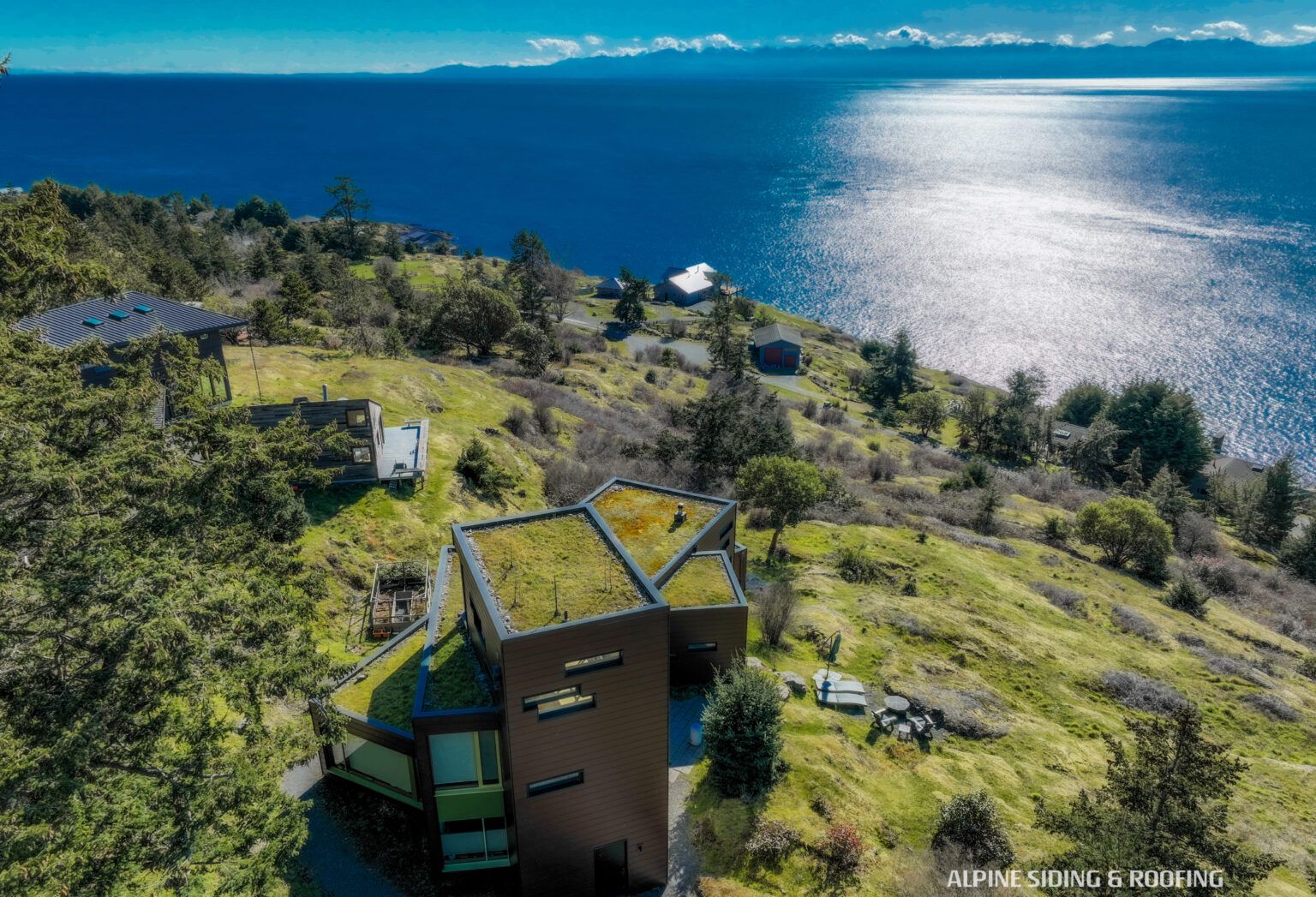
Starkey Ranch is one of the newer master-planned communities in Pasco County, and its housing stock reflects that: mostly two-story frame construction from the 2015-on era, finished predominantly in stucco with architectural guidelines that favor a specific coastal-Florida look. That's a different starting point than an older Tampa neighborhood full of 1970s wood siding or a coastal strip full of block homes. When homeowners here ask us about siding, they're usually dealing with one of three things: stucco cracking or staining after a few Florida summers, a desire to add fiber cement or shake-style accents within HOA rules, or a full re-side after storm or moisture damage. This guide walks through what actually performs well on a Starkey Ranch house, not a generic "best siding" list.
For most Starkey Ranch homes, fiber cement siding — installed as full walls, gable accents, or shake-pattern sections — is the strongest overall pick. It carries Florida Product Approval for wind resistance, shrugs off the humidity that causes rot and mold in organic materials, and holds paint and color far longer than stucco does under Pasco County's UV load. Where budget is the deciding factor, engineered wood siding such as LP SmartSide is a reasonable second choice, especially for smaller accent areas, provided the installer follows the manufacturer's moisture-management details closely. Vinyl siding has a place too, mainly on secondary structures, additions, or where a homeowner wants a low-maintenance option and isn't constrained by an HOA design palette that leans toward stucco and fiber cement. None of these is universally "best" — the right call depends on what the HOA will approve, how exposed the wall is to weather, and how the home is currently built.
We weighed each option against the conditions that actually matter for a Starkey Ranch address in Pasco County, not generic marketing claims:
| Material | Wind/storm fit | Humidity/mold risk | HOA fit in Starkey Ranch | Typical maintenance |
|---|---|---|---|---|
| Fiber cement (HardiePlank-type) | Strong, with Florida Product Approval | Low — inorganic core | Good; common for accents and full walls | Repaint every 10-15 years |
| Engineered wood (LP SmartSide) | Good, if approved fastening followed | Moderate — depends on install detailing | Fair; check finish/profile against guidelines first | Repaint/reseal on manufacturer's schedule |
| Vinyl (thicker gauge) | Adequate on lower wind-speed walls | Low, but can trap moisture if installed tight | Limited; often outside the approved palette | Occasional washing, rarely repainted |
| Stucco (existing/repair) | Strong on properly built assemblies | Moderate — cracking lets water in | Excellent; the community standard | Recaulk/repaint, monitor for cracking |
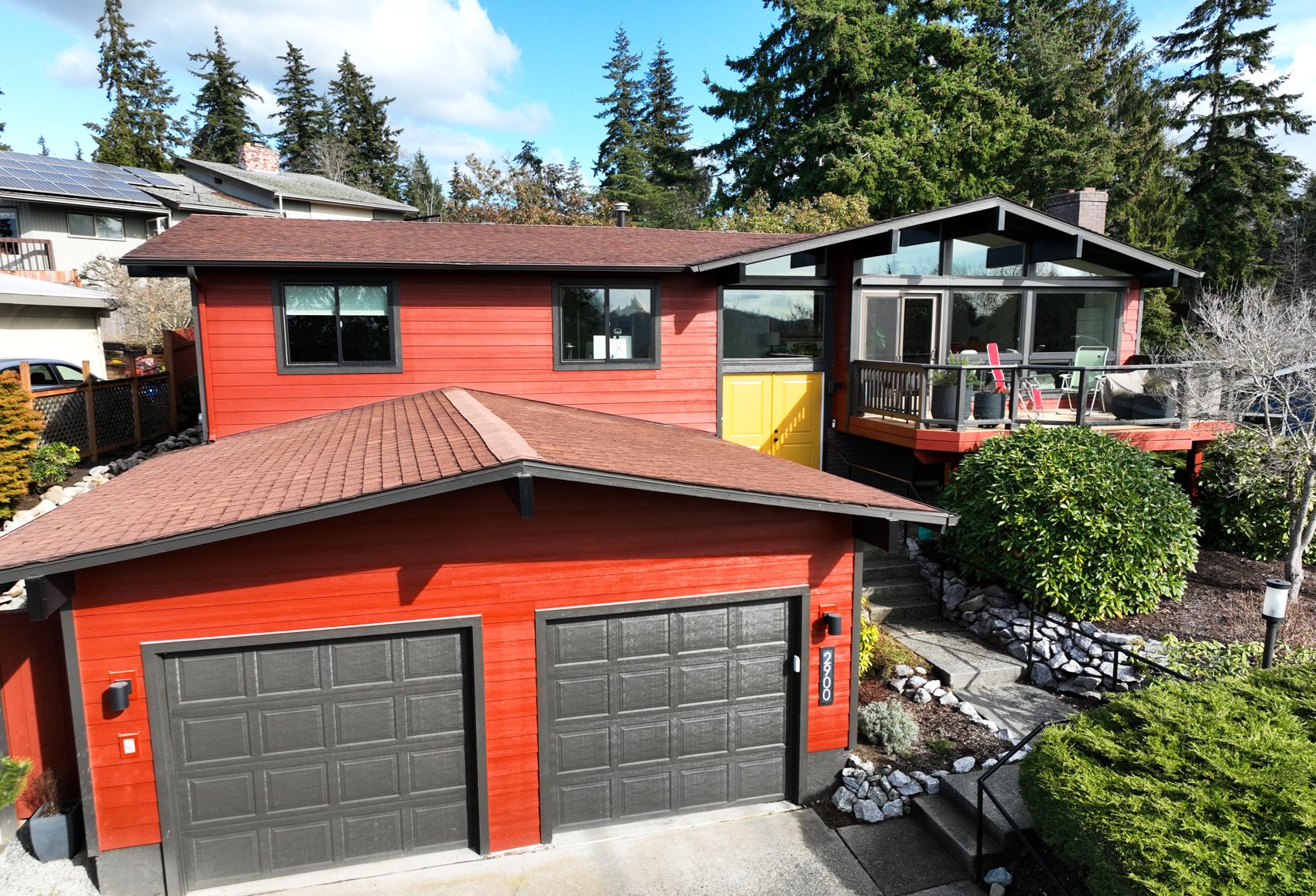
Fiber cement is cement, sand, and cellulose fiber pressed into planks or panels, and it's become the go-to for homeowners in this area who want the board-and-batten or shake look that shows up throughout Starkey Ranch's architectural renderings without the upkeep of real wood. Because it's inorganic at its core, it doesn't feed mold the way wood does, and it isn't a termite food source. Manufacturers publish Florida Product Approval documentation for their siding systems, which makes it straightforward for a permit reviewer to confirm the product is rated for the wind pressures on a given elevation of the house.
Pros: Excellent UV and color stability with factory-baked finishes, strong wind performance when installed to the approved fastening schedule, resistant to termites and rot, widely accepted by HOA design committees because it mimics traditional siding profiles.
Cons: It's heavier and more labor-intensive to install than vinyl, which affects labor cost. It's not maintenance-free — caulked joints and painted surfaces still need periodic inspection, and a cracked or chipped plank needs the cut edges resealed or it can wick moisture. It's also a poor DIY candidate; improper fastener placement is one of the more common reasons fiber cement underperforms in wind events.
Engineered wood siding uses wood strands bonded with resin and treated with a zinc-borate-type preservative, then finished with a factory overlay. It costs less than fiber cement in most cases and installs faster, which makes it attractive for homeowners doing a partial re-side or working with a tighter budget on an accent wall or gable.
Pros: Lighter and faster to install than fiber cement, the borate treatment gives it real resistance to the termite pressure common in Pasco County, and it takes paint well for HOA-matching colors.
Cons: It's more sensitive to installation quality than fiber cement — any cut edge, nail hole, or seam that isn't properly sealed becomes a moisture entry point, and Central Florida's humidity doesn't forgive sloppy detailing the way a drier climate might. It also generally carries a shorter track record on wind performance data compared to fiber cement, so confirming the specific product's Florida Product Approval for the home's wind zone matters more here, not less.
Vinyl isn't the dominant look in Starkey Ranch, but it has a legitimate role — on detached structures, additions where matching the HOA's stucco palette isn't required, or for homeowners prioritizing low maintenance over historical or coastal-style aesthetics. Thicker-gauge vinyl, rated and labeled for the relevant wind speed, performs reasonably well.
Pros: No repainting, resists rot and termites outright since there's no organic material, and is generally the lowest installed cost of the options here.
Cons: Standard-gauge vinyl can warp or become brittle after years of intense Central Florida sun exposure, especially on south- and west-facing walls. It's also the option least likely to satisfy Starkey Ranch's architectural guidelines for primary elevations, so it tends to get used selectively rather than as a whole-house solution. Color options are also limited compared to painted fiber cement, and vinyl can't be repainted to match if the HOA's approved palette changes.
Most Starkey Ranch homes already are stucco over frame construction, and it's worth addressing directly rather than pretending it's not an option — for many homeowners here, the real decision isn't "what do I switch to," it's "do I repair or re-stucco, or do I convert to another material on problem walls." Properly applied stucco over a correctly detailed water-resistive barrier performs well against wind and rain here, and it's obviously the easiest match for HOA approval since it's the community standard.
Pros: Matches the existing architectural character with no approval friction, handles wind loads well when the assembly is intact, and doesn't attract termites.
Cons: Stucco cracks over time as the frame structure beneath it moves, and once cracked, it lets in wind-driven rain that can sit against the sheathing, which is exactly the kind of slow, hidden moisture problem that Pasco County's humidity makes worse. Chronic staining and efflorescence are common on north- and shaded walls that don't dry out quickly. Repairs that don't match the original texture and paint sheen are also a common cosmetic complaint. For homes with a documented pattern of cracking, converting the problem elevations to fiber cement — where the HOA allows it — is often a more durable fix than continuing to patch stucco.
Yes, in practice. Starkey Ranch's architectural design guidelines steer homeowners toward a specific coastal-Florida palette and set of materials, with stucco as the dominant field material and fiber cement commonly approved for accents, gables, or shake-style sections. Before ordering materials or scheduling work, it's worth submitting the specific product and color to the architectural review process, since approval requirements can be more detailed than a typical unrestricted neighborhood.
It can, depending on what else changes with the work. Florida's wind mitigation inspection, documented on the OIR-B1-1802 form, looks mainly at roof-to-wall connections, roof covering, opening protection, and roof shape rather than wall siding material itself, so a siding-only project usually doesn't change your existing mitigation credits. That said, if a re-side project also involves work near windows, doors, or roof edges, it's worth having those areas re-inspected so your insurer's records stay accurate.
More than most homeowners expect. Sustained humidity doesn't just promote mold on organic materials — it also slows drying time after wind-driven rain events, which means any gap in flashing, caulking, or a cracked stucco surface gets more chances to let moisture sit against the sheathing before it dries out. This is why installation detailing at seams, penetrations, and terminations tends to matter as much as the base material itself in this climate.
Yes, and it's common in Starkey Ranch specifically because the community's design guidelines often call for it — think a stucco field with fiber cement shake or board-and-batten accents on gables or a porch area. The key is getting the transition detail right where the two materials meet, since that seam is a common spot for water intrusion if it isn't flashed and sealed correctly.
If you're weighing a stucco repair against a partial conversion to fiber cement, or you just want a straight answer on what will actually hold up on your specific elevation and exposure, Alpine Exteriors serves Starkey Ranch and the rest of Pasco County, including Wesley Chapel, Lutz, Land O' Lakes, New Port Richey, Zephyrhills, and Plant City. Alpine Exteriors is licensed in Florida under RB29003900 and can walk your property, check what your HOA's design guidelines currently allow, and lay out real cost ranges for the options that actually fit your home — no pressure, no invented numbers, just what makes sense for your walls and your budget.