

On a properly installed and maintained Tampa Bay home, HardieTrim boards typically last 20 to 30 years or more before a homeowner needs to think seriously about replacement. In most cases, the factory finish and the caulk joints wear out well before the fiber cement board itself fails structurally, which means the real lifespan question isn't whether the trim survives Florida (it does) but how long the paint, sealant, and installation detailing around it hold up.
James Hardie backs HardieTrim with a limited product warranty, and ColorPlus factory-finished boards carry a separate finish warranty that's typically shorter than the substrate warranty. Those numbers are a useful floor, not a ceiling. Homes in Wesley Chapel or Lutz that get annual caulk and paint attention routinely outlast the warranty period by a decade or more, while trim on a home with sloppy original installation or years of deferred maintenance can show real problems — soft spots, paint failure, staining — inside 10 to 15 years, especially at ground-contact locations and horizontal surfaces that collect standing water.
HardieTrim is fiber cement: a mix of Portland cement, sand, and cellulose fiber pressed and cured into a dense board. Unlike wood trim, it doesn't provide a food source for termites and it doesn't swell, cup, or rot when it absorbs moisture the way solid or engineered wood does. That's the core reason it holds up so much longer than the wood fascia, frieze boards, and window trim it has largely replaced in this market. The cellulose fiber in the mix is what gives the board its flexibility and workability, but it also means fiber cement is not literally waterproof — it's water-resistant, and it's meant to be sealed and painted, not left bare.
Where HardieTrim actually fails, it's almost never a case of the board itself disintegrating. The failure points are predictable and they're the same ones we see across every fiber cement trim job in this region:
None of these are exotic problems, and none of them mean the product was a bad choice. They're maintenance items, and catching them early is the difference between a modest recaulk-and-repaint job and a full trim replacement.
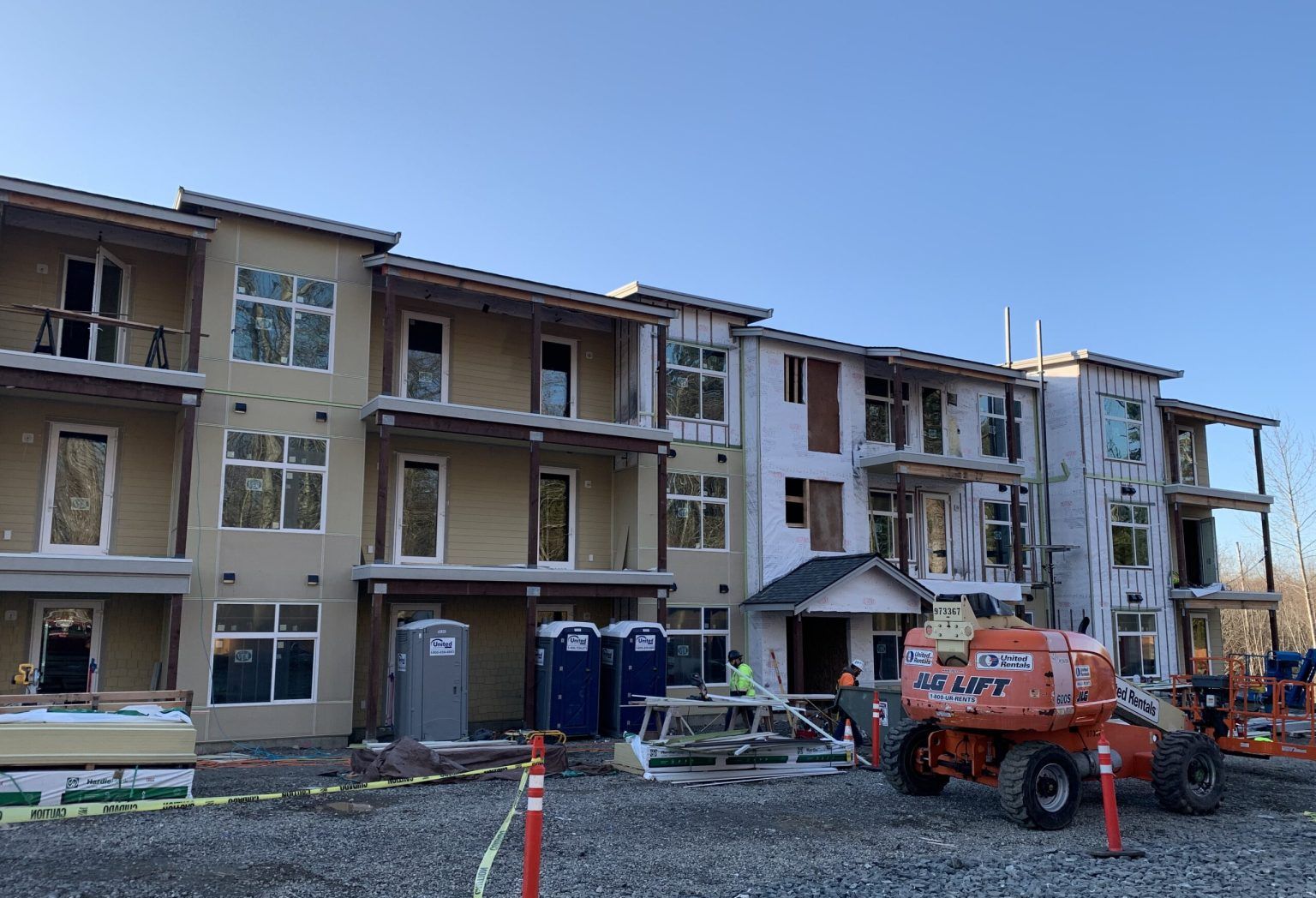
Fiber cement trim performs differently here than it does in a drier, milder climate, and it's worth being specific about why.
Hurricane wind loads and wind-driven rain. Tampa Bay sits under Florida Building Code wind requirements, and while this area isn't in the state's High-Velocity Hurricane Zone (that's Miami-Dade and Broward), design wind speeds here are still significant enough that trim has to be installed to the fastening schedule listed in the product's Florida Product Approval, not just whatever is standard practice elsewhere. Wind-driven rain during tropical storms and hurricanes doesn't just fall — it gets pushed sideways and upward into joints and seams that would stay dry in a normal rainstorm. That's what makes caulk quality and joint detailing so much more important here than in a region that only deals with vertical rainfall.
Extreme humidity and mold pressure. Tampa Bay's combination of year-round humidity and long, hot, wet summers creates conditions where anything porous or improperly sealed stays damp for extended periods. Fiber cement itself resists mold growth better than wood, but dust, pollen, and organic buildup on the surface of the trim — especially on north-facing or shaded elevations that don't get direct sun to dry out — can support surface mildew that stains the finish if it isn't washed off periodically.
Intense UV exposure. Florida's sun angle and year-round intensity are harder on painted and factory-finished surfaces than what most fiber cement products see in northern climates. UV breaks down caulk elasticity and finish coatings faster, which is the single biggest reason maintenance intervals here should be shorter than what a national warranty document assumes as a baseline.
Termites. Subterranean and drywood termites are active throughout the Tampa Bay area, and while they can't eat fiber cement trim itself, they can and do attack any wood substrate, blocking, or fascia backing hidden behind or beneath it. A trim board that looks fine from the street can be masking termite damage to the wood framing behind it if water has been getting past a failed joint for years.
Salt air near the Gulf. Homes closer to the coast — parts of New Port Richey and other Gulf-adjacent neighborhoods — deal with salt-laden air that accelerates corrosion of fasteners and hardware faster than inland locations like Plant City or Zephyrhills. That's a real factor in choosing fastener material and in how often hardware should be inspected, even though it doesn't affect the fiber cement board itself.
Most of what determines whether your trim lasts 15 years or 35 years happens after installation, not during it. A realistic maintenance approach for this climate looks like this:
Alpine Exteriors installs and repairs HardieTrim across Tampa, Wesley Chapel, Lutz, Land O' Lakes, New Port Richey, Plant City, and Zephyrhills, and we size fastening and joint detailing to each home's actual wind exposure and site conditions rather than treating every job the same way. It's also worth noting for homeowners updating insurance paperwork that trim and soffit work is a separate consideration from the wind mitigation items assessed on the state's OIR-B1-1802 wind mitigation inspection form, which focuses on roof-to-wall connections, roof covering, and opening protection rather than trim material — so don't expect a trim upgrade alone to move your wind mitigation credits.
HardieTrim is available as a primed board that needs field painting, or as a ColorPlus factory-finished product with the color baked on before installation. Factory-finished trim generally holds its color and resists fading longer than field-applied paint, but even ColorPlus finishes will eventually need attention in this climate's UV and humidity, and any field-cut edges on ColorPlus boards need to be sealed with a touch-up product to prevent moisture intrusion at the cut.
It can, but ground-contact and near-grade applications are exactly where fiber cement trim sees the most moisture exposure in Tampa Bay, so manufacturer clearance guidelines for ground and roof-line clearance should be followed closely, and those areas deserve extra attention during annual inspections. Chlorine and pool chemical splash can also affect painted finishes over time, so trim near a pool deck benefits from more frequent rinsing and inspection than trim elsewhere on the house.
Properly fastened HardieTrim installed to its Florida Product Approval fastening schedule is designed to handle the wind loads required under the Florida Building Code for this region. Failures that do happen after a storm are almost always tied to improper fastener spacing, wrong fastener type, or trim that was already loosened by years of water damage behind it — which is another reason routine inspection matters as much as the initial installation.
For most Tampa Bay homeowners, yes — the resistance to termites and rot, and the reduced need for the kind of wood repair that's common in this climate, generally outweighs the modest cost premium over wood trim. That said, it's not maintenance-free, it costs more upfront than basic wood trim, and it still requires the same caulking and repainting discipline described above to reach its full lifespan.
If your trim is showing chalking, cracked caulk, soft spots, or you're just not sure how much life is left in it, Alpine Exteriors can walk your home's exterior and give you a straight answer about what needs attention now versus what can wait. Alpine Exteriors is a licensed Florida contractor (RB29003900) serving Tampa, Wesley Chapel, Lutz, Land O' Lakes, New Port Richey, Plant City, and Zephyrhills. Contact Alpine Exteriors today to schedule a trim and siding inspection before the next storm season puts it to the test.