
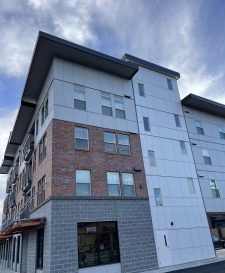
In the Tampa Bay area, properly installed HardiePlank fiber cement lap siding typically holds up for 30 to 50 years, with many homes still performing well at the far end of that range if the finish has been maintained. That’s longer than vinyl siding usually manages in this climate and considerably longer than wood siding left unpainted for even a few seasons.
HardiePlank is a cement-based product reinforced with cellulose fibers, which is why it doesn’t behave like the organic materials it often replaces. It won’t rot, it won’t delaminate the way some engineered wood products can when they take on water, and it doesn’t provide the food source that draws wood-destroying insects. James Hardie backs the plank itself with a long-term limited warranty (commonly cited around 30 years, non-prorated), and pre-finished ColorPlus boards carry a separate finish warranty covering fade and peel for a shorter, specific term. Those warranties matter less as a guarantee and more as a signal: the manufacturer engineered this product expecting decades of exposure, not a five- or ten-year replacement cycle like some vinyl products see in intense sun.
The lifespan figure also assumes something Tampa Bay homeowners shouldn’t skip: the siding was installed correctly in the first place. Fiber cement is unforgiving of shortcuts. Boards installed too tight to the flashing, fastened with the wrong nailing pattern, or hung without proper clearance from the roofline or grade will show problems years before the material itself would have failed. Most of the “HardiePlank failed early” stories trace back to installation, not the product.
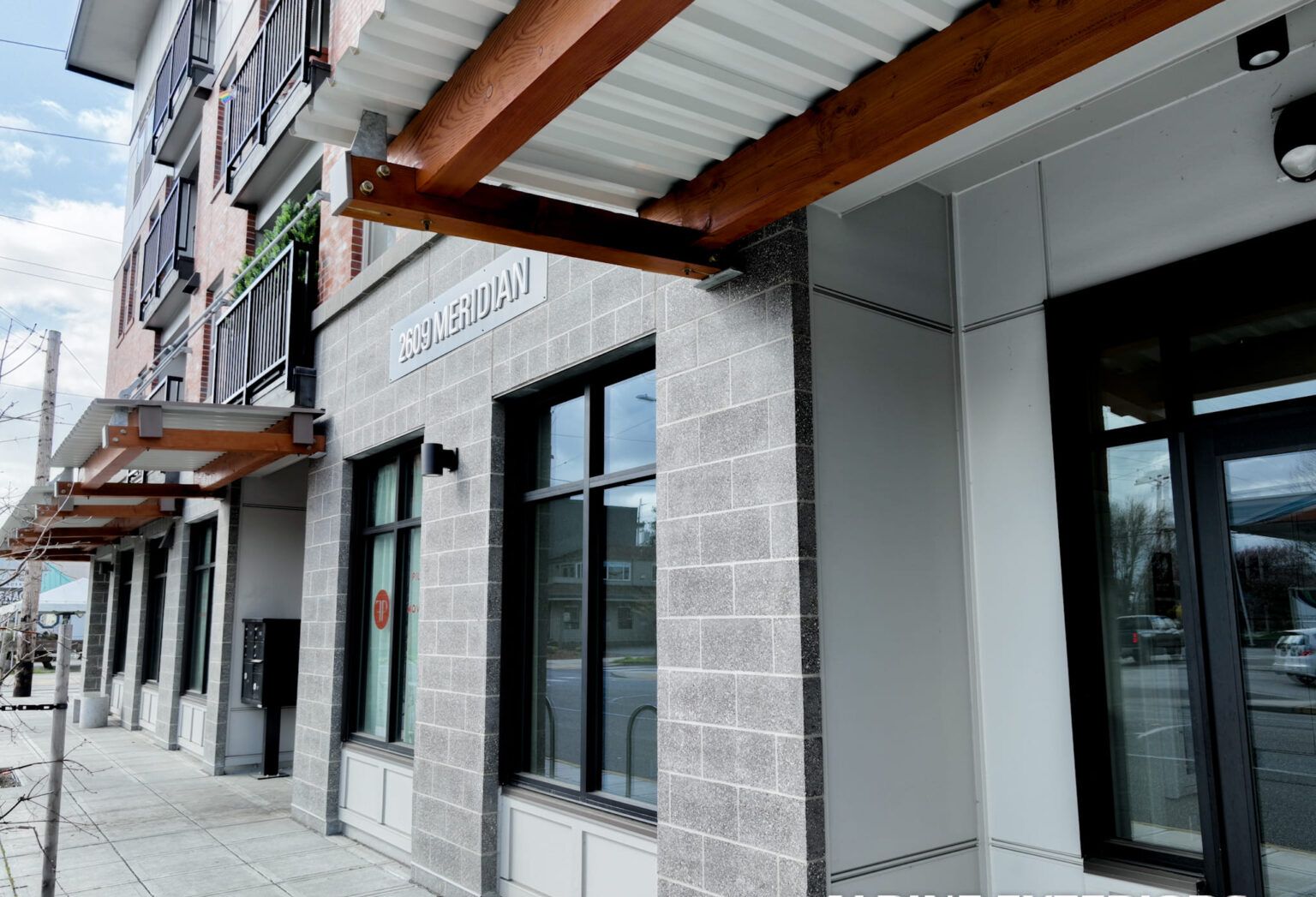
Siding that performs fine in a mild, dry region doesn’t automatically perform the same way here. A handful of local conditions push harder on exterior materials in Tampa, Wesley Chapel, Lutz, Land O’ Lakes, New Port Richey, Plant City, and Zephyrhills than they do almost anywhere else in the country.
Longevity isn’t purely about the product — it’s about installation choices and a modest amount of upkeep. A few things make a real difference here:
Alpine Exteriors installs HardiePlank across Tampa Bay to the fastening and clearance details called for under the Florida Building Code, and we’re upfront when a home’s existing siding still has useful life left versus when it’s genuinely time to replace it.
Field-painted HardiePlank will need repainting at some point because Florida’s UV exposure fades and chalks paint faster than milder climates do. Homeowners who choose factory-finished ColorPlus boards typically go longer before that first repaint, since the finish is baked on and warrantied separately from the plank itself, but no exterior finish in this climate lasts indefinitely without attention.
HardiePlank has a strong track record in wind events when it’s installed to the fastening pattern and clearances required by the Florida Building Code and the product’s Florida Product Approval for the local wind zone. Damage after a storm is far more often traced to installation shortcuts, aging flashing, or wind-driven rain finding a gap than to the plank material failing on its own.
The board itself is cement-based and doesn’t feed mold the way wood siding can, but any exterior surface can host surface mildew in a climate this humid, especially in shaded, poorly ventilated spots. A periodic rinse and keeping gutters and landscaping from trapping moisture against the wall keeps this from becoming a real problem.
No — termites can’t consume fiber cement, which is one of the reasons it holds up well against a pest that’s common throughout west-central Florida. The wood trim, fascia, and sheathing around the siding are still vulnerable, though, so those components are worth checking during routine exterior inspections.
If you're weighing HardiePlank against another material, or you want an honest read on how much life is left in your current siding, Alpine Exteriors (FL license RB29003900) serves homeowners across Tampa, Wesley Chapel, Lutz, Land O' Lakes, New Port Richey, Plant City, and Zephyrhills. Reach out for an on-site look at your home's exterior and a straightforward assessment of what it actually needs.