
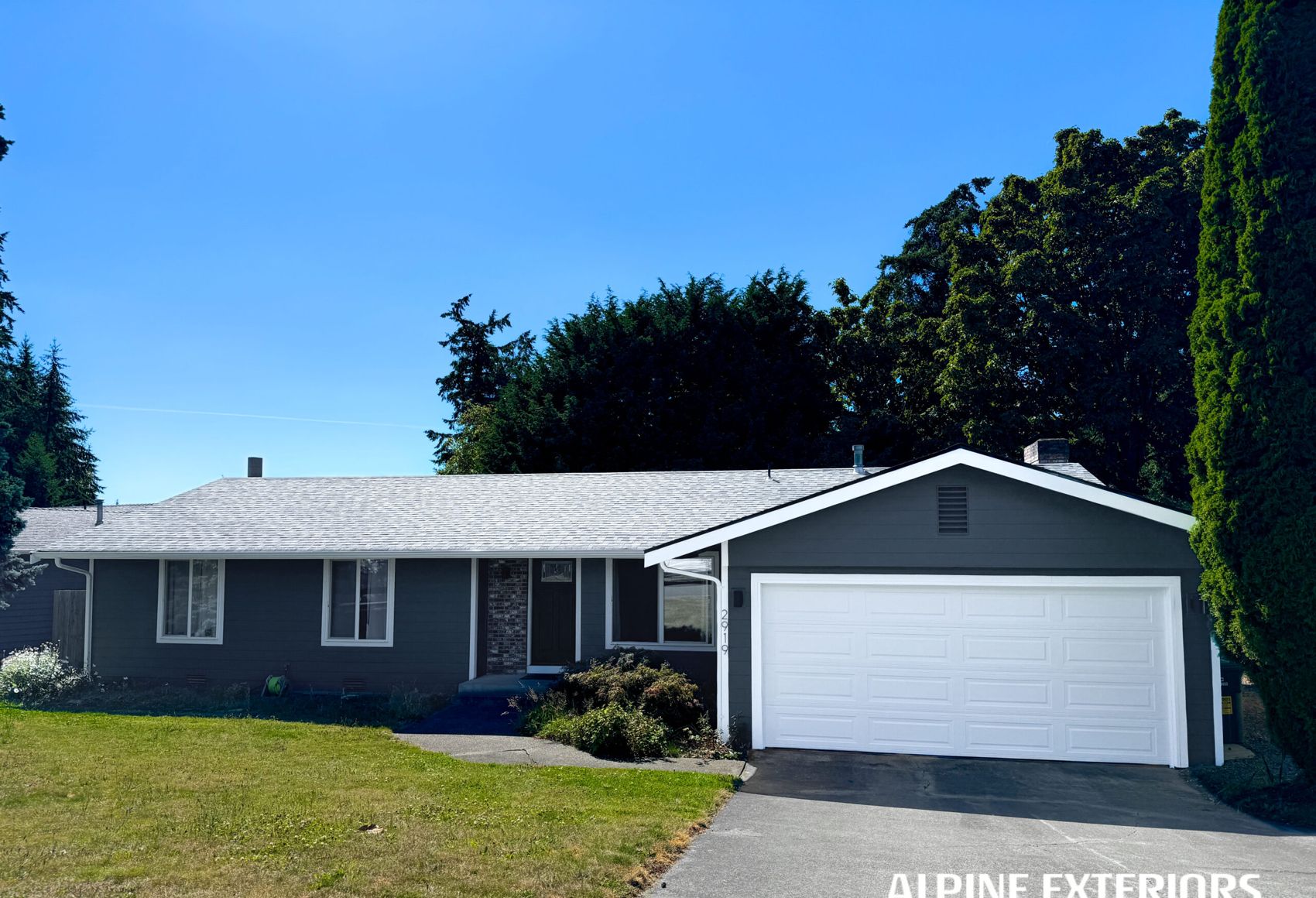
Quality metal siding on a Tampa Bay home typically lasts 40 to 60 years before it needs full replacement, and some steel systems installed correctly go longer than that. What actually limits the lifespan here isn't the metal panel itself failing structurally — it's the paint finish chalking out, the fasteners loosening, and the sealant at seams and trim breaking down years before the steel underneath gives up.
Metal siding for residential walls is almost always coil-coated steel, sometimes aluminum, with a factory-applied finish over a corrosion-resistant coated core. The panel itself, if the coating and coating type are decent and the assembly behind it stays dry, is genuinely durable — the steel core is not the part that fails first in most cases. What fails first is the finish. Lower-cost polyester (SMP) coatings hold color and gloss for a shorter stretch before visible chalking and fading set in. PVDF-class finishes, often marketed under names like Kynar 500, are formulated to resist UV breakdown far longer and are the better choice if you plan to own the home for decades rather than a handful of years.
The other practical limiter is hardware, not metal. Exposed-fastener panel systems rely on screws with rubber or neoprene washers, and those washers are the first thing to give out under years of sun and heat cycling — long before the panels themselves need replacing. Concealed-fastener and standing-seam profiles sidestep some of this by using clips instead of face screws, which is one reason they tend to have a longer practical service life in this climate. Cut panel edges are also worth understanding: cutting through a coated steel panel exposes bare metal at that edge, and if it isn't field-touched with matching coating or properly capped, that's where rust starts first, usually at trim returns and corners rather than across the field of the wall. In practice, most Tampa Bay homeowners are looking at a refinishing or recoating conversation somewhere in the 20 to 30 year range if they want the wall to look as good as it performs, while outright structural panel failure inside that window is uncommon absent storm damage or an installation defect.
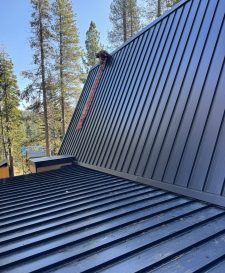
Tampa Bay isn't inside Florida's High-Velocity Hurricane Zone — that designation applies to Miami-Dade and Broward counties — but Florida Building Code wind provisions still govern every exterior product installed on a home here, and that matters more for siding than most homeowners realize. Any metal siding system installed in this area needs a Florida Product Approval covering that specific panel profile, gauge, and fastening pattern, matched to the home's actual wind speed and exposure category, not a generic listing pulled for a lower-wind state. The panel profile and how densely it's fastened is what determines whether it stays attached when a named storm pushes wind-driven rain sideways into the wall. A system that performs fine on paper can still let water behind the cladding here if laps, flashing, and terminations weren't detailed for wind-driven rain specifically, which is a very different failure mode than steady vertical rainfall.
Humidity doesn't rot metal, but Tampa Bay's consistently high humidity does put pressure on everything the metal is fastened to. If the weather-resistive barrier or furring behind the panels gets compromised — a torn housewrap, a missed flashing detail — that moisture doesn't evaporate quickly here the way it might in a drier climate, and hidden rot in the wood substrate can progress for a long time before it shows on the surface. The metal skin can look flawless while the assembly behind it is quietly failing, which is why installation quality behind the panel matters as much as the panel itself.
Tampa Bay also gets close to year-round intense UV exposure, which is a real factor in how fast a coating chalks and fades compared to siding installed in a more northern climate. This is the practical argument for spending more on a PVDF-class finish rather than a base-grade coating: the difference shows up as years of usable coating life, not just a warranty number on paper.
Termite pressure across this part of Florida, from subterranean termites to drywood termites, is significant, and it's one place where metal siding has a genuine, non-marketing advantage: there's nothing in the panel for termites to eat. That's a real edge over wood or engineered-wood siding products. It doesn't extend protection to everything around the panels, though — wood fascia, soffit, and any furring strips behind the siding are still just as vulnerable and still need regular inspection.
Salt air is a real factor for homes closer to the open water of Tampa Bay and the Gulf-adjacent stretches of the metro, where airborne salt accelerates corrosion at fasteners, cut edges, and any exposed hardware faster than it would inland. For the inland communities in this service area — Wesley Chapel, Lutz, Land O' Lakes, Plant City, and Zephyrhills — salt exposure isn't a meaningful factor; humidity, heat, and UV are what actually drive long-term wear out there, not airborne salt.
A few habits make a real difference in how close a metal siding system gets to the long end of its lifespan rather than the short end:
None of this is exotic maintenance — it's closer to what any exterior in a coastal, high-wind, high-UV climate needs, and it's a lot less involved than the upkeep wood or fiber-cement siding demands in the same conditions. Alpine Exteriors builds this kind of walk-through into the service conversation with homeowners specifically because the difference between a metal siding job that lasts 25 years and one that lasts 55 usually comes down to these details, not the base cost of the material.
Properly coated steel siding with an intact factory finish resists rust well even in consistently humid conditions, because the coating and the coated core are doing the work, not the humidity level on its own. Where rust actually shows up is at cut edges that weren't field-treated, scratches through the coating that go unrepaired, and fastener heads where the protective coating has worn away — all things that are preventable with attentive installation and the occasional touch-up, not inherent flaws in humid climates.
It can, but only if the specific product installed carries Florida Product Approval for your home's wind exposure and is fastened to that approval's schedule, not installed loosely or spaced out to save material. Wind-driven rain is as much a concern as wind pressure itself — flashing and lap details that keep water from being forced behind the panels matter just as much as whether the panels stay physically attached. A correctly specified and installed system is designed around exactly this kind of event; a mismatched or under-fastened one is where storm damage tends to concentrate.
Yes, in the sense that metal siding gives termites nothing to feed on, which is a genuine advantage over wood-based siding products in an area with heavy subterranean and drywood termite activity. That said, it doesn't extend protection to wood soffit, fascia, or furring strips around and behind the panels, so those components still need the same termite inspection and treatment attention they'd need under any siding type.
Less than wood or fiber-cement, but not zero. Realistic upkeep is an annual visual check for loose fasteners and open sealant joints, prompt touch-up of any scratches through the coating, periodic rinsing if the home is near open water, and eventually a recoating or refinishing decision somewhere in the 20 to 30 year range if you want the finish to stay looking sharp rather than just structurally sound.
If you're weighing metal siding against other options for a home in Tampa, Wesley Chapel, Lutz, Land O' Lakes, New Port Richey, Plant City, or Zephyrhills, the honest answer depends on your home's wind exposure, how close you are to open water, and how long you plan to own the place — not a one-size-fits-all number. Alpine Exteriors is a licensed Florida contractor (RB29003900) working throughout the Tampa Bay area, and can walk your specific home, explain which product approvals and fastening details actually apply to your address, and lay out a realistic lifespan and maintenance plan before you commit to a material. Reach out to Alpine Exteriors for a straightforward assessment of what metal siding would actually look like on your home.