
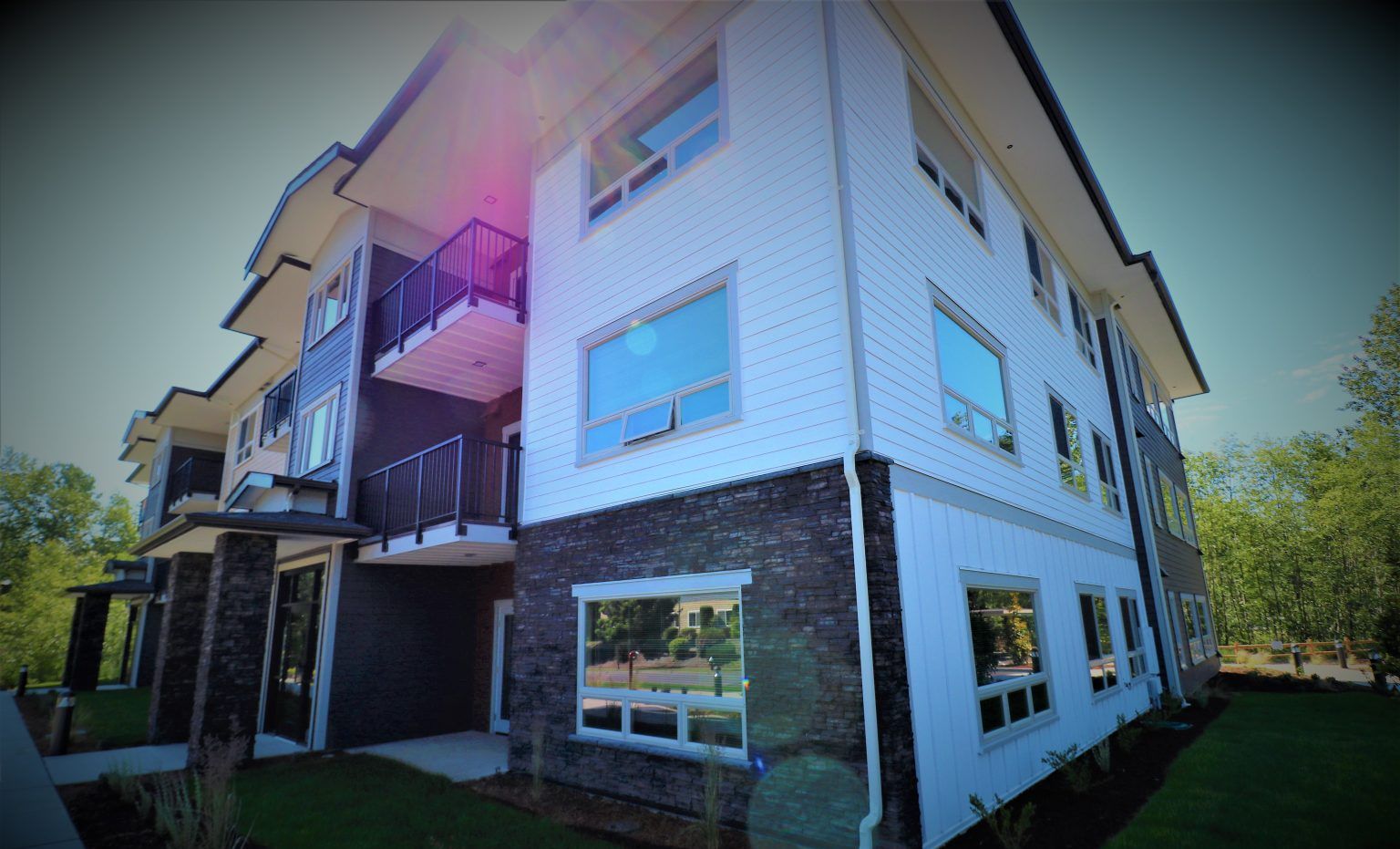
Quality cellular PVC trim on a Tampa Bay home typically holds its shape, color, and structural integrity for 25 to 40+ years, and it will often outlast the paint, the caulk, and even the fasteners holding it in place. Unlike wood trim, which can show rot and soft spots within a decade in this climate, properly installed PVC trim doesn't absorb water, doesn't feed termites, and doesn't swell and split the way cellulose-based products do under constant humidity.
That range is wide on purpose. Where a given board falls inside it depends less on the material itself and more on three things: the grade of PVC used, how well it was fastened and flashed during installation, and how much direct west or south sun exposure it gets on your particular elevation. A board on a shaded north-facing gable will look close to new at year 20. The same product on an unshaded west-facing fascia in full Florida sun for a decade will show more chalking and may need attention sooner. Alpine Exteriors sees both ends of that range on Tampa Bay homes regularly, which is why the real answer to "how long will it last" is usually "it depends on the elevation and the install," not a single number.
Cellular PVC trim is an extruded, closed-cell rigid vinyl product, not the same material as thin vinyl siding or vinyl fencing. It's foamed under pressure to create a dense, wood-like core that can be routed, nailed, and shaped like lumber, but it contains no cellulose for moisture, fungus, or termites to act on. That's the core reason it holds up so much longer than wood trim in a humid climate: there's nothing organic in the board for mold, rot fungus, or wood-boring insects to break down.
The failure modes that do show up over time are almost never "the board rotted." They're usually one of a handful of predictable issues:
None of these are reasons to avoid PVC trim, they're simply the tradeoffs that replace "it rots" with "it needs a good install and occasional attention." For a coastal Florida climate, most contractors, including Alpine Exteriors, consider that trade worth making.
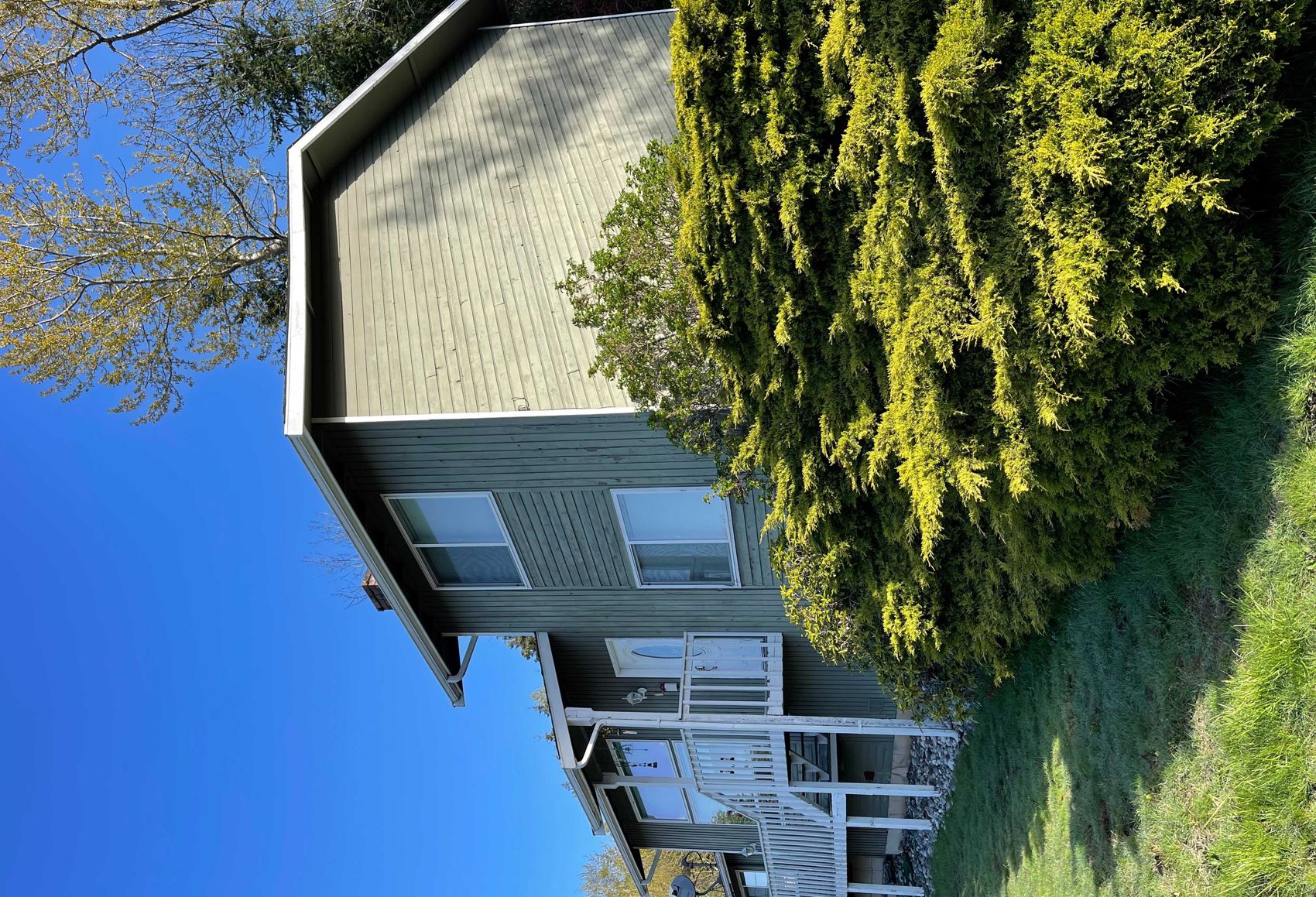
Trim performs differently in Tampa Bay than it would in a drier or colder market, and a few local conditions specifically drive how long PVC trim actually lasts here versus what a generic manufacturer estimate assumes.
Hurricane wind loads and wind-driven rain. Tampa Bay sits in a Florida Building Code wind zone that requires exterior trim, fascia, and soffit assemblies attached near the roofline to meet documented wind resistance, generally supported by a Florida Product Approval, an FL# listing, for the specific product and its fastening schedule. This isn't optional paperwork, it's what keeps trim on the house during a tropical storm or hurricane instead of becoming debris. Wind-driven rain during those storms is also the real durability test for trim, more than steady humidity is: water gets forced sideways and upward, so any seam, corner, or fastener penetration that isn't properly sealed becomes a path for water to get behind the board, even though the PVC itself won't absorb it.
Extreme humidity and mold pressure. This is where PVC genuinely separates itself from wood trim in Tampa Bay. Year-round high humidity, especially the long, wet stretch from late spring through fall, is what causes wood fascia and trim boards to hold moisture, swell, and eventually support mold and rot fungus. PVC trim doesn't give mold anything to grow on the way bare or under-primed wood does, which is a major reason it's become the default trim choice on new and re-sided homes across the Tampa Bay area over the last decade.
Intense, near-year-round UV exposure. Florida's sun angle and number of full-sun days per year are higher than most of the country, and that's the single biggest factor in how fast a PVC board chalks or fades. This is also why elevation matters so much to the "how long will it last" answer, the west and south sides of a Tampa Bay home take a UV beating that the north side simply doesn't.
Termites. Florida has some of the heaviest subterranean and Formosan termite pressure in the country, and it's a real reason many homeowners move away from wood trim entirely. PVC trim itself isn't a termite target, but the wood substrate, blocking, or fascia board behind it can still be, so termite protection for the structure underneath the trim still matters even after you've switched the visible trim to PVC.
Salt air in coastal-adjacent areas. Homes closer to Tampa Bay's open water or the Gulf side of the region see more airborne salt than homes further inland in Wesley Chapel, Land O' Lakes, or Plant City. Salt air doesn't harm the PVC board, but it accelerates corrosion on steel fasteners, hinges, and any exposed metal trim accessories, which is part of why fastener choice matters more here than it would in a landlocked market.
Most of what determines whether your PVC trim hits year 15 or year 35 happens at installation, and the rest is light, occasional maintenance rather than heavy upkeep. Practically, that means:
It's also fair to be upfront about the tradeoffs: PVC trim generally costs more upfront than primed wood trim, a poor install can shorten its life dramatically compared to a careful one, and lower-grade boards can look slightly plastic or fade unevenly compared to premium cellular PVC. Homeowners comparing options should weigh those against the wood alternative's much shorter realistic lifespan in this climate.
No. PVC trim contains no wood cellulose, so subterranean and Formosan termites have nothing to feed on in the board itself. That said, if the trim is fastened over wood blocking, fascia board, or sheathing, that substrate can still be a termite target, so it's worth having the underlying wood structure inspected and treated as normal even after the visible trim is switched to PVC.
Well-installed PVC trim handles Tampa Bay's heat and humidity swings without warping, because it's designed to expand and contract with temperature. Problems show up when a board is installed too rigidly, without the gaps the manufacturer specifies, since repeated seasonal movement against fixed fasteners is what causes buckling or cracking over time, not the heat by itself.
Not structurally, since the color runs through the material and it won't rot unpainted, but many homeowners paint or repaint PVC trim after a decade or more once UV chalking dulls the factory finish. Painting is a cosmetic refresh at that point, not a requirement for the board to keep functioning.
When the specific product and fastening schedule carry a Florida Product Approval for the applicable wind zone, and the install follows that schedule, PVC trim is designed to stay attached through hurricane-force wind loads and resist wind-driven rain intrusion at seams and corners. The material itself doesn't weaken in a storm the way waterlogged wood can; the real risk is a fastening or flashing detail that wasn't done to spec before the storm hit.
If you're weighing PVC trim against wood or wondering how much life is left in what's already on your Tampa Bay home, Alpine Exteriors can walk your property, look at your fastening and flashing details, and give you a straight read on what's cosmetic versus what actually needs attention. Alpine Exteriors is a licensed Florida contractor (RB29003900) serving Tampa, Wesley Chapel, Lutz, Land O' Lakes, New Port Richey, Plant City, and Zephyrhills, and we install and repair PVC trim with the wind-rated products and fastening details this region's storms actually require. Reach out for an on-site look at your trim, fascia, and soffit before your next re-side or repair project.