
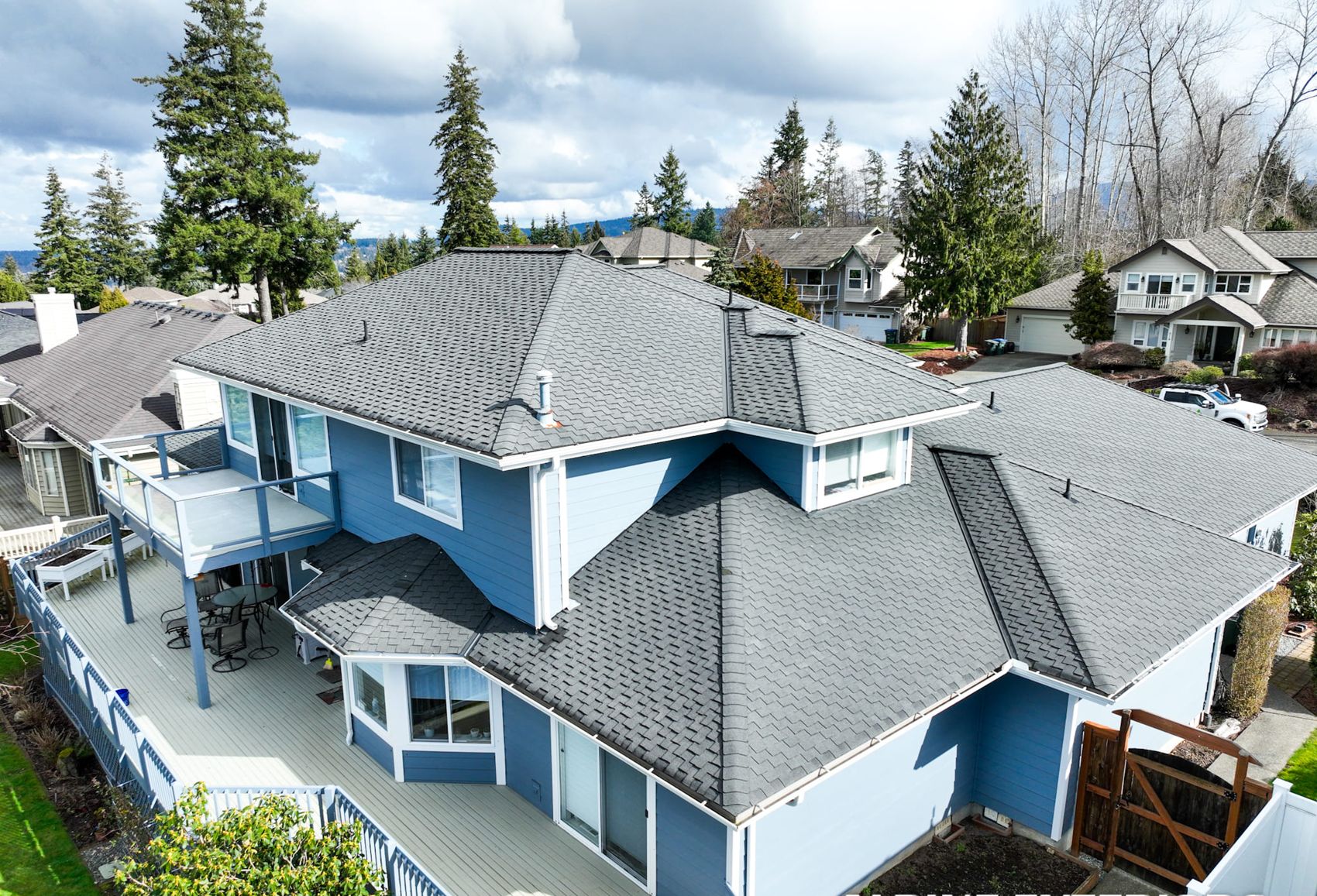
Cedar shingle siding is worth it for a specific kind of Tampa Bay homeowner: someone who wants a natural, textured look, is prepared to keep up with periodic refinishing, and is buying it for how it looks rather than for the least maintenance possible. For most other homeowners in this climate, a fiber cement or engineered wood shingle profile delivers 80 to 90 percent of the same look with a fraction of the upkeep and a longer service life against Florida humidity, sun, and storms.
Real cedar has genuine advantages. Western Red Cedar in particular contains natural oils that resist decay and insect activity better than most softwoods, it takes stain beautifully, and it ages into a texture that manufactured products still struggle to fully replicate. Homeowners who choose it are usually chasing that authenticity — the slight variation from shingle to shingle, the way it weathers, the fact that it's a real, renewable material rather than a composite. There's nothing wrong with wanting that, and on the right house, in the right location, cedar shingles look genuinely excellent.
The honest tradeoff is maintenance and longevity in this specific climate. Cedar needs a breathable, high-quality stain or sealer — not paint that traps moisture — reapplied on a cycle that in Florida tends to run shorter than what cedar suppliers quote for drier, cooler regions. Skip that maintenance and you're not looking at cosmetic fading alone; you're looking at cupping, splitting, and mold or mildew staining that can work its way past the finish and into the wood itself. Cedar also costs more up front than vinyl and typically more than fiber cement, and it needs correct fastening, back-priming, and flashing detail at every seam to perform the way it's supposed to. Done well, it's a beautiful, durable product. Done with shortcuts, it becomes a recurring repair line item.
A siding decision that would be straightforward in a dry, mild climate gets more complicated here, and it's worth being specific about why. Tampa Bay sits in a hurricane-exposed wind zone, so any exterior wall assembly — cedar included — has to be installed to a fastening schedule and weather-resistive barrier detail that can hold up under real wind load and, just as important, wind-driven rain that gets forced sideways and upward under shingle courses during a storm. The Florida Building Code governs wind speed requirements for this region, and any manufactured siding product used here should carry current Florida Product Approval for the applicable wind zone; with real wood shingles specifically, the performance depends heavily on installation quality — coursing, exposure, and fastening — since wood shingles aren't a single tested assembly the way a fiber cement panel is.
Humidity is the other defining factor. Tampa Bay runs hot and wet for most of the year, and that combination is exactly what mold, mildew, and algae need to take hold on an exterior wood surface, especially on north-facing walls or areas shaded by mature trees, which are common in neighborhoods around Wesley Chapel, Lutz, and Land O' Lakes. A rainscreen gap behind the shingles and a breathable finish reduce that risk substantially, but they don't eliminate the need to inspect and refinish on a regular schedule. Add in Florida's intense, near-daily UV exposure, which fades and dries out wood finishes faster than in northern climates, and the refinishing interval that looks reasonable on a spec sheet often shrinks once the siding is actually living through a Tampa Bay summer.
Subterranean termites are established throughout this part of Florida, and while cedar's natural oils give it some resistance, it is not termite-proof, and ground contact or trapped moisture behind the siding removes most of that natural advantage. For homes closer to the Gulf — think New Port Richey and the western edges of the service area — salt-laden air adds another variable, mainly by accelerating corrosion on fasteners and hardware, which is why stainless steel or hot-dip galvanized fasteners matter more here than they would inland around Plant City or Zephyrhills.
Start by being honest about how much upkeep you actually want to sign up for. If the answer is "as little as possible," cedar shingle siding probably isn't the right fit for a Tampa Bay exterior, no matter how good it looks in photos — a fiber cement shingle-style product will get you closer to that authentic look with far less maintenance risk in this climate. If the answer is "I like the idea of maintaining a natural material and I'm willing to stay on top of it," cedar can absolutely work, but the installation details matter more here than almost anywhere else in the country.
Alpine Exteriors walks Tampa, Wesley Chapel, Lutz, Land O' Lakes, New Port Richey, Plant City, and Zephyrhills homeowners through this comparison honestly, including showing the fiber cement and engineered wood alternatives side by side with real cedar so the tradeoffs are visible before any commitment is made, not after.
It depends on sun exposure, wall orientation, and finish quality, but Tampa Bay's UV intensity and humidity generally shorten the refinishing interval compared to cooler, drier regions. Walls with heavy afternoon sun or deep shade each carry different risks — sun fades and dries the finish faster, while shade holds moisture longer and raises mold pressure — so a realistic maintenance plan should be based on your home's actual exposure, not a generic estimate.
Wood siding is combustible, which some insurers weigh differently than fiber cement or masonry when pricing a policy, so it's worth asking your carrier directly rather than assuming. Wind mitigation credits under Florida's standard inspection process are driven mainly by roof shape, roof-to-wall connections, and opening protection rather than wall siding material, so cedar siding itself typically isn't a factor in that specific discount.
No exterior wall covering is guaranteed to survive a severe hurricane undamaged, and that's true of vinyl, fiber cement, and cedar alike. What matters most is correct fastening schedule, flashing, and weather barrier detail behind the shingles, along with keeping the assembly within Florida Building Code requirements for your wind zone — a well-installed cedar system holds up far better than a poorly installed one regardless of material.
Fiber cement shingle-style siding is manufactured to resist moisture, insects, and fading better than real wood in a hot, humid climate, and it typically comes with a longer factory finish warranty and a tested Florida Product Approval for the assembly. Real cedar wins on authenticity and the way it ages and takes stain, but it asks more of the homeowner in ongoing care to hold up as well in this specific environment.
Cedar shingle siding can be the right choice on the right Tampa Bay home, but it's a decision worth making with full information about maintenance, installation detail, and how it will actually perform against local humidity, sun, and storm exposure — not just how it looks in a sample photo. Alpine Exteriors, Florida contractor license RB29003900, works with homeowners across Tampa, Wesley Chapel, Lutz, Land O' Lakes, New Port Richey, Plant City, and Zephyrhills to compare real cedar against fiber cement and engineered wood alternatives and recommend what actually fits the home, the budget, and how much upkeep you're willing to take on. Contact Alpine Exteriors for an honest, on-site evaluation before committing to a siding material.