
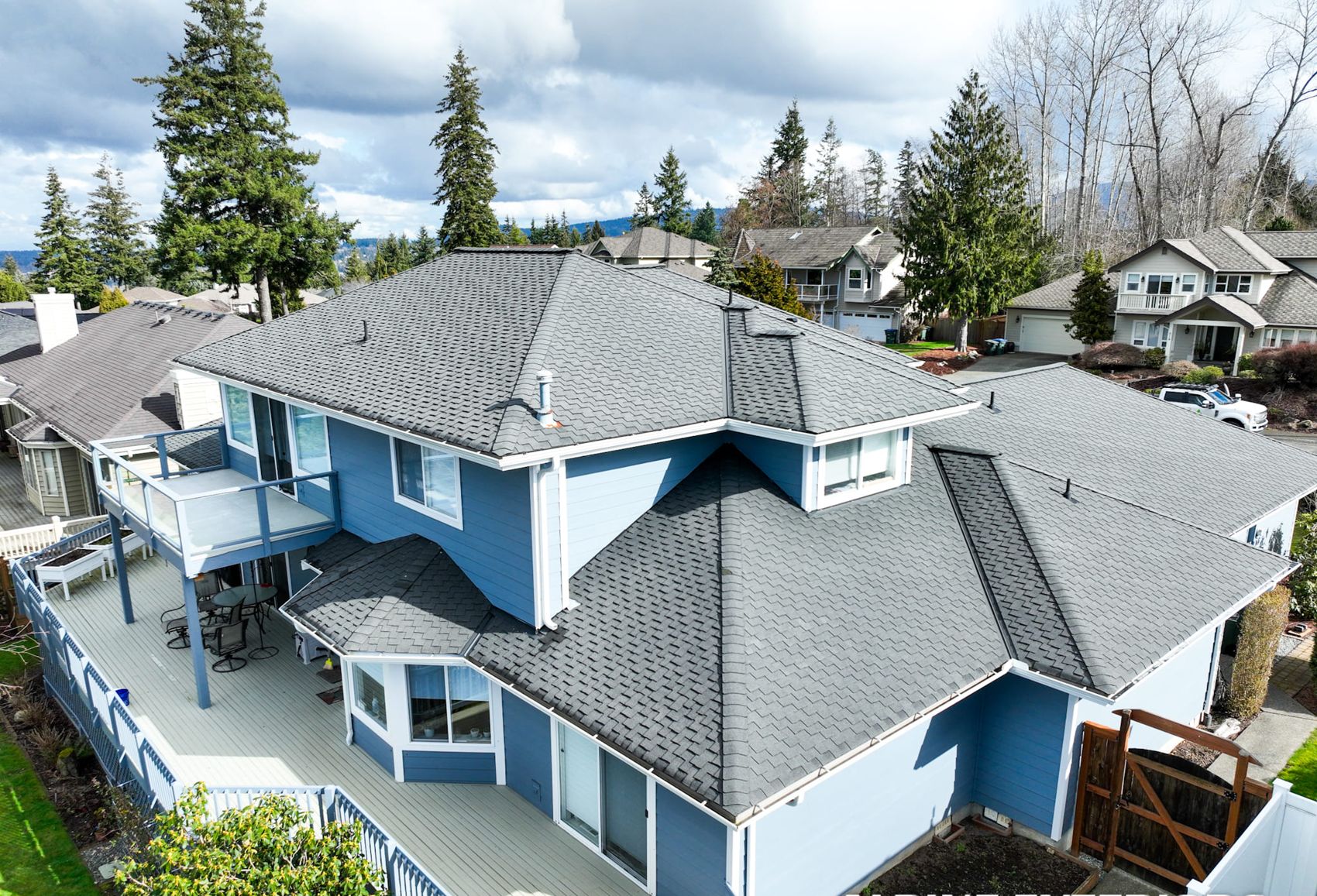
For most Tampa Bay homes, board and batten siding is worth it when it's installed as an accent, a gable feature, or a full facade using a product with current Florida Product Approval for your home's wind zone. It is not automatically the right call for every house, and the region's wind, rain, and humidity punish a sloppy or mismatched installation faster than they would almost anywhere else in the country.
The short version above hides a lot of nuance, and that nuance is where homeowners either end up happy with the look for fifteen years or end up calling a contractor back out within two. Board and batten is a vertical siding pattern built from wide flat boards with narrower strips, or battens, covering the seams between them. It reads as farmhouse, coastal cottage, or modern craftsman depending on the trim and paint color, and it has become a popular way to break up an otherwise flat elevation without a full re-side. In Tampa, Wesley Chapel, Lutz, Land O' Lakes, New Port Richey, Plant City, and Zephyrhills, we see it most often on porch gables, dormers, and accent walls facing the street, and increasingly on full new-construction facades in the newer master-planned communities around Wesley Chapel and Land O' Lakes.
The material question matters as much as the pattern. Board and batten can be built from fiber cement, engineered wood, vinyl, or real wood, and each behaves differently under Florida sun and moisture:
Cost is another honest factor. Board and batten, especially in fiber cement, tends to run somewhat higher than plain lap siding on the same wall because of the extra battens, the additional cuts, and the added labor to flash and seal each seam correctly. As an accent application on a gable or porch area, the added cost is modest since it covers a small area. As a full-facade treatment, expect it to sit at a moderate premium over standard horizontal lap siding, which is worth knowing before you fall in love with photos of an all board-and-batten farmhouse elevation and assume it will price the same as a simple re-side.
Board and batten also has real drawbacks worth naming plainly. The vertical seams and battens create more linear feet of joint that need proper flashing and sealant than a horizontal lap profile, which means more places for wind-driven rain to find a way in on a poor installation. On homes with a lot of wall area, the repetitive vertical lines can visually shorten and busy up an elevation if the proportions and batten spacing aren't planned carefully — a design risk more than a performance one. And because it's currently a popular look, it can also be a passing trend on some house styles; a full-facade treatment on a plain suburban ranch may not read the same in ten years the way it does on a purpose-built farmhouse design today.
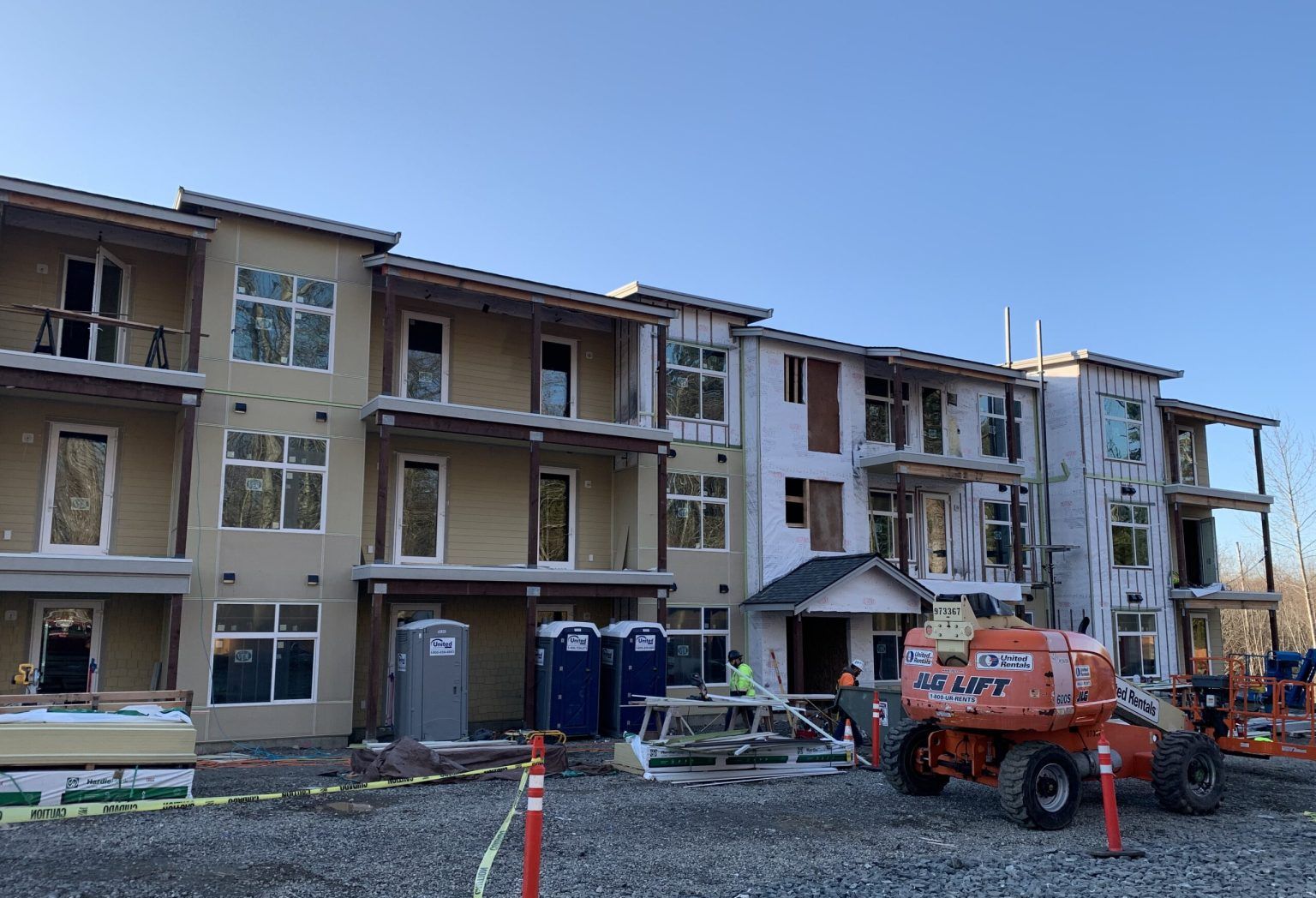
Florida's building code is not a suggestion here, and it changes what a "good" board and batten installation actually means compared to a milder climate. Any siding product installed in this region needs current Florida Product Approval or a Miami-Dade Notice of Acceptance covering wind resistance for the specific wind zone and exposure category of the site, and board and batten is no exception. Homes closer to the Gulf side of our service area, including parts of New Port Richey, carry higher wind design pressures than inland communities like Plant City or Zephyrhills, and the fastening schedule, batten spacing, and starter strip details all need to match the manufacturer's tested assembly for that pressure rating, not just a generic install pattern pulled from a product brochure.
Wind-driven rain is the practical threat that follows from that code requirement. Tampa Bay's storm pattern isn't steady, gentle rain; it's short, intense, sideways rain pushed by tropical systems and afternoon thunderstorm outflow, and it finds any gap in flashing, caulk, or house wrap far more aggressively than a light drizzle would. Board and batten has more vertical seams than lap siding, so a correct weather-resistive barrier behind the siding, properly lapped and sealed, along with correctly sealed batten joints, matters more here than it would in a drier climate where an occasional missed seam might never get tested by real weather.
Humidity and the mold and mildew pressure it creates are constant here, not seasonal. A siding assembly that traps moisture behind it, because the drainage plane was skipped or the bottom of the wall wasn't properly vented, sets up conditions for hidden rot and mold growth behind an otherwise good-looking facade. Board and batten's added layer of battens can trap moisture against the substrate if it's nailed flat without any rainscreen gap or drainage path. Termites are also a year-round concern in this part of Florida, which is one more reason fiber cement is generally the more sensible core material choice for board and batten here compared to real wood or many engineered wood products.
Salt air is a smaller factor for most of our service area than it would be for a barrier-island home, but homes in New Port Richey and other communities closer to the coastline should still consider corrosion-resistant fasteners and trim hardware, since salt-laden air can accelerate corrosion on lower-grade fasteners over time even a few miles inland.
Start by being honest about why you want board and batten. If the goal is a specific architectural accent on a gable, porch, or single feature wall, it's a low-risk, high-impact choice almost anywhere in Tampa Bay, and the cost and maintenance considerations are modest because the exposed area is small. If the goal is a full-facade re-side, slow down and get more specific: ask what wind design pressure your home falls under, check the details on your OIR-B1-1802 wind mitigation form if you've had a recent inspection, and ask any contractor bidding the job to show you the Florida Product Approval number for the exact board and batten product and fastening pattern they plan to use, not just a general approval for "fiber cement siding" as a category.
Ask about the drainage plane specifically. A contractor who can describe how the house wrap, flashing, and any rainscreen gap behind the battens will be detailed is telling you they understand why board and batten behaves differently than lap siding in this climate. If a bid doesn't mention how seams and battens will be sealed and how water that does get behind the siding will drain back out, that's worth asking about directly before signing anything.
Get more than one bid, and compare the material, not just the price. A fiber cement board and batten bid and a vinyl board and batten bid are not the same product even if the finished look is similar in photos, and the long-term maintenance and durability differences in our humidity and UV exposure are significant enough to matter over a ten- or twenty-year horizon. Alpine Exteriors is licensed in Florida under RB29003900 and installs board and batten in fiber cement most often for exactly these durability reasons, though we'll talk through vinyl or engineered wood options honestly if budget or design goals point that direction for a specific project.
Finally, think about the whole elevation, not just the sample board. Board and batten photographs beautifully in small doses and on the right house style; it's worth looking at full-elevation photos of similar homes in Wesley Chapel or Land O' Lakes, not just a swatch, before committing to a full-facade application, since proportion and batten spacing make a bigger visual difference than most homeowners expect going in.
Generally yes, because the extra battens, additional cuts, and the labor to flash and seal each vertical seam correctly add time to the installation compared to a straightforward horizontal lap job. As an accent on a gable or small feature wall the difference is minor since it covers a small area; as a full-facade treatment expect a moderate premium over standard lap siding, so get a written bid comparing both and weigh the look against the actual cost difference for your home.
It can be, provided the specific product and installation carry current Florida Product Approval for your home's wind zone and the fastening schedule matches the manufacturer's tested assembly. Fiber cement board and batten with a properly detailed drainage plane and correctly sealed seams performs well under Florida Building Code wind requirements; the risk isn't the material category itself but a generic installation that wasn't matched to the wind pressure rating your specific address requires.
It can if it's installed without a proper drainage plane, since the battens add a layer that can hold moisture against the substrate if there's no gap or path for water to escape. This is why the house wrap, flashing, and any rainscreen detailing behind the siding matter more for board and batten than for a flatter lap profile, and it's worth asking your contractor directly how they plan to handle drainage before work begins.
Farmhouse, coastal cottage, and modern craftsman styles tend to suit board and batten most naturally, especially as an accent on gables, dormers, and porch areas, which is also where we install it most often across Tampa, Wesley Chapel, Lutz, Land O' Lakes, New Port Richey, Plant City, and Zephyrhills. Plainer production-built homes can still use it well as a single feature wall, but a full-facade application deserves more thought about proportion and long-term style fit before committing.
If you're weighing board and batten against a standard re-side, Alpine Exteriors can walk your specific elevation, talk through material options, and show you the Florida Product Approval details for whatever we recommend before you commit to anything. Reach out to schedule a walkthrough at your home in Tampa, Wesley Chapel, Lutz, Land O' Lakes, New Port Richey, Plant City, or Zephyrhills, and we'll give you a straight answer about whether it's worth it for your specific house, not just a sales pitch for the look.