
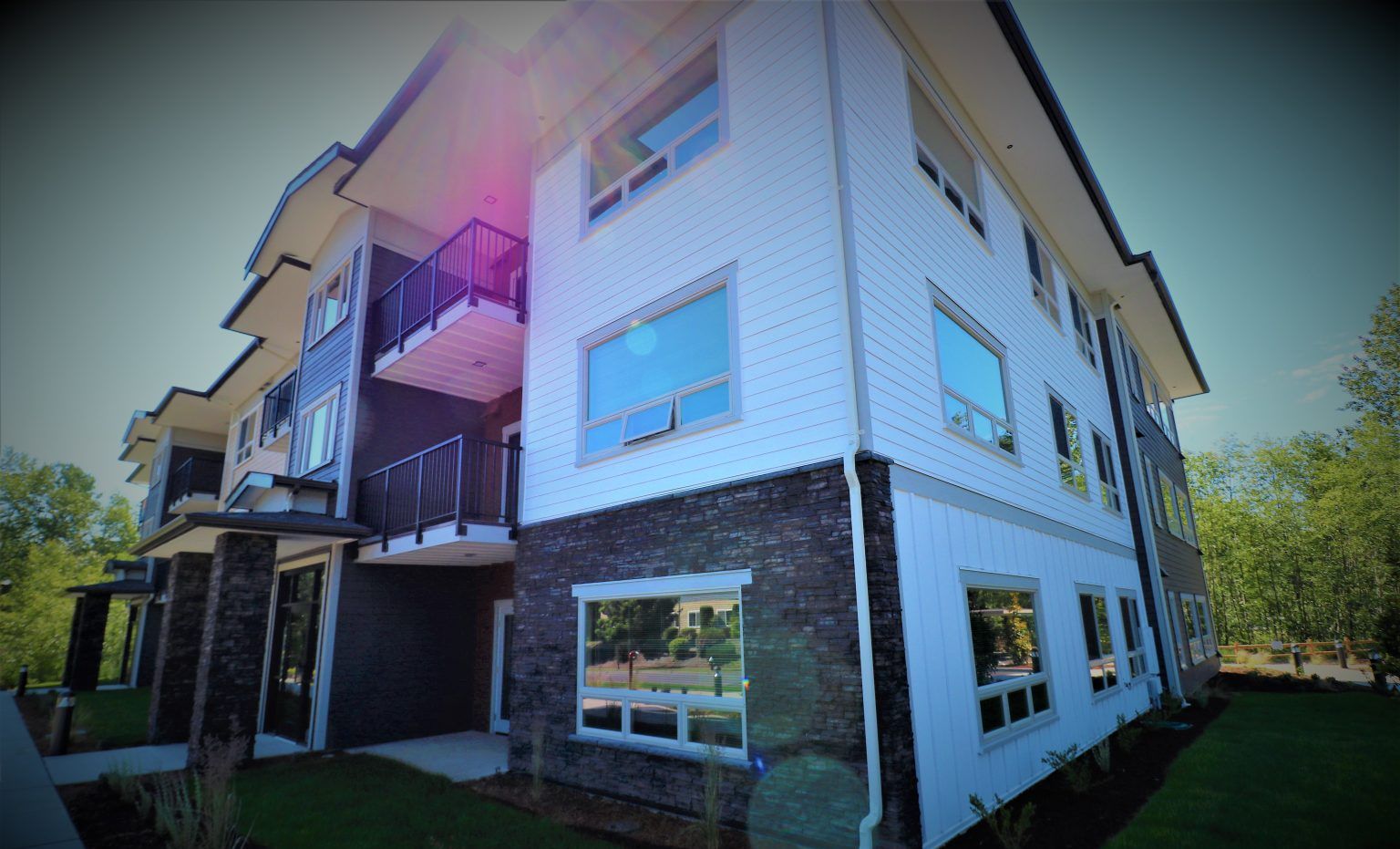
For most Tampa Bay homes, yes — HardieTrim (fiber cement trim) earns its keep, but not automatically and not everywhere on the house. It solves real problems specific to this climate, and in the spots where those problems don't apply, you may be paying for more durability than you need.
HardieTrim is fiber cement trim board — a mix of cement, sand and cellulose fiber pressed and cured into boards used for corner boards, window and door casings, fascia, and fascia-adjacent trim details. It's sold as a system to run alongside HardiePlank or HardieShingle siding, though homeowners also pair it with other siding types when they specifically want trim that won't rot, cup, or feed termites.
The case for it in Tampa Bay comes down to what wood trim does badly here: it absorbs moisture, swells, and eventually rots at the joints and end cuts, especially on south- and west-facing elevations that take the most sun and rain. It also feeds subterranean and drywood termites, both of which are established across Hillsborough and Pasco counties. Fiber cement doesn't rot and isn't a termite food source, so the boards themselves tend to hold their shape and their paint line for a long time when installed and maintained correctly.
The case against it is just as real. HardieTrim costs more upfront than PVC trim or cellular composite trim, and meaningfully more than raw wood. It's heavier, which slows installation and raises labor cost. It has to be painted — it isn't factory-finished the way some PVC trim is — and it needs to be repainted on a normal maintenance cycle, typically somewhere in the 7-to-12-year range depending on exposure, color, and how well the original paint job was done. Cut edges have to be sealed and back-primed correctly or you reintroduce the moisture path the material is supposed to eliminate. And it's still a cementitious product: it can crack if it's mishandled, poorly fastened, or nailed too close to an edge, and it's not forgiving of settling or movement the way a more flexible trim material can be.
Trim decisions in Tampa, Wesley Chapel, Lutz, Land O' Lakes, New Port Richey, Plant City, and Zephyrhills aren't generic. A few things about this specific area change the calculus:
None of this means every home needs the most storm-rated version of every trim detail. A home a few miles inland in Plant City has different wind exposure than a home closer to open water, and your county's wind zone and the age and shape of your roofline both factor into what's actually required versus what's simply a good idea.
Start by separating decorative trim decisions from structural or water-management ones. Corner boards and window casing on a covered porch that never sees direct rain are a lower-stakes decision than trim around a window on an exposed west wall. Spend the durability budget where the exposure is worst, and don't feel obligated to over-spec every linear foot of the house.
Ask whoever quotes the job for the specific Florida Product Approval number for the trim system they're proposing, and confirm it's rated for your wind zone — not just a general claim that "it's rated for Florida." If your home has a current wind mitigation inspection (the OIR-B1-1802 form used for insurance discounts), pull it out and compare the opening protection and roof-to-wall connection details against what's being proposed; trim and siding work is a natural time to close gaps that inspection may have flagged.
Get a straightforward comparison of at least two trim materials — HardieTrim and one alternative like PVC or a cellular composite — priced for your specific house, not a generic square-footage estimate. Ask what the installer's fastening schedule and edge-sealing process actually is, since that's where a lot of long-term problems start regardless of which material you choose. And budget for the repaint cycle up front if you go with fiber cement; it's not a one-and-done material, and skipping maintenance is how homeowners end up disappointed with a product that performs well when it's cared for.
Alpine Exteriors works on homes throughout the Tampa Bay area and can walk through your specific elevations, your wind zone, and your existing trim condition before recommending a material — including cases where a mix of HardieTrim in high-exposure areas and a lighter alternative elsewhere makes more sense than an all-or-nothing approach.
| Factor | HardieTrim (fiber cement) | Typical alternative (PVC/wood) |
|---|---|---|
| Termite resistance | Not a food source | Wood is vulnerable; PVC is not |
| Rot resistance | Does not rot | Wood rots; PVC does not |
| Maintenance | Repaint on a regular cycle | PVC rarely needs paint; wood needs frequent upkeep |
| Upfront cost | Moderate-to-higher | Wood lower, PVC often higher |
| Impact/handling | Can crack if mishandled | PVC more flexible; wood splits |
The trim itself doesn't stop wind — that's the job of your windows, doors, and roof-to-wall connections — but properly fastened, code-compliant HardieTrim with a valid Florida Product Approval for your wind zone holds up well as part of the overall water-management and cladding system during wind-driven rain. Poor installation is a bigger risk factor than the material choice itself.
Most Tampa Bay homes end up repainting fiber cement trim somewhere between 7 and 12 years, with south- and west-facing elevations and darker colors typically needing it sooner because of UV exposure. Using a quality exterior paint rated for intense sun and keeping caulked joints in good shape both stretch that interval.
Not necessarily. PVC trim doesn't rot or feed termites either, and mixing materials just to switch to HardieTrim without a specific reason — like matching a HardiePlank siding job or replacing failing wood trim — usually isn't worth the cost. It makes more sense when you're already re-siding or replacing trim that's actively failing.
Yes, Alpine Exteriors installs and services fiber cement trim and siding across Tampa, Wesley Chapel, Lutz, Land O' Lakes, New Port Richey, Plant City, and Zephyrhills, and can evaluate wind zone and exposure differences between these areas as part of a project quote.
If you're weighing HardieTrim against the alternatives, the honest answer depends on your specific elevations, wind zone, and how your current trim is holding up — not a blanket recommendation. Alpine Exteriors, FL contractor license RB29003900, offers on-site evaluations across the Tampa Bay area and can walk you through real cost ranges, code requirements, and where fiber cement makes sense versus where it doesn't. Reach out to schedule a walkthrough and get a trim plan built around your actual house, not a generic package.