
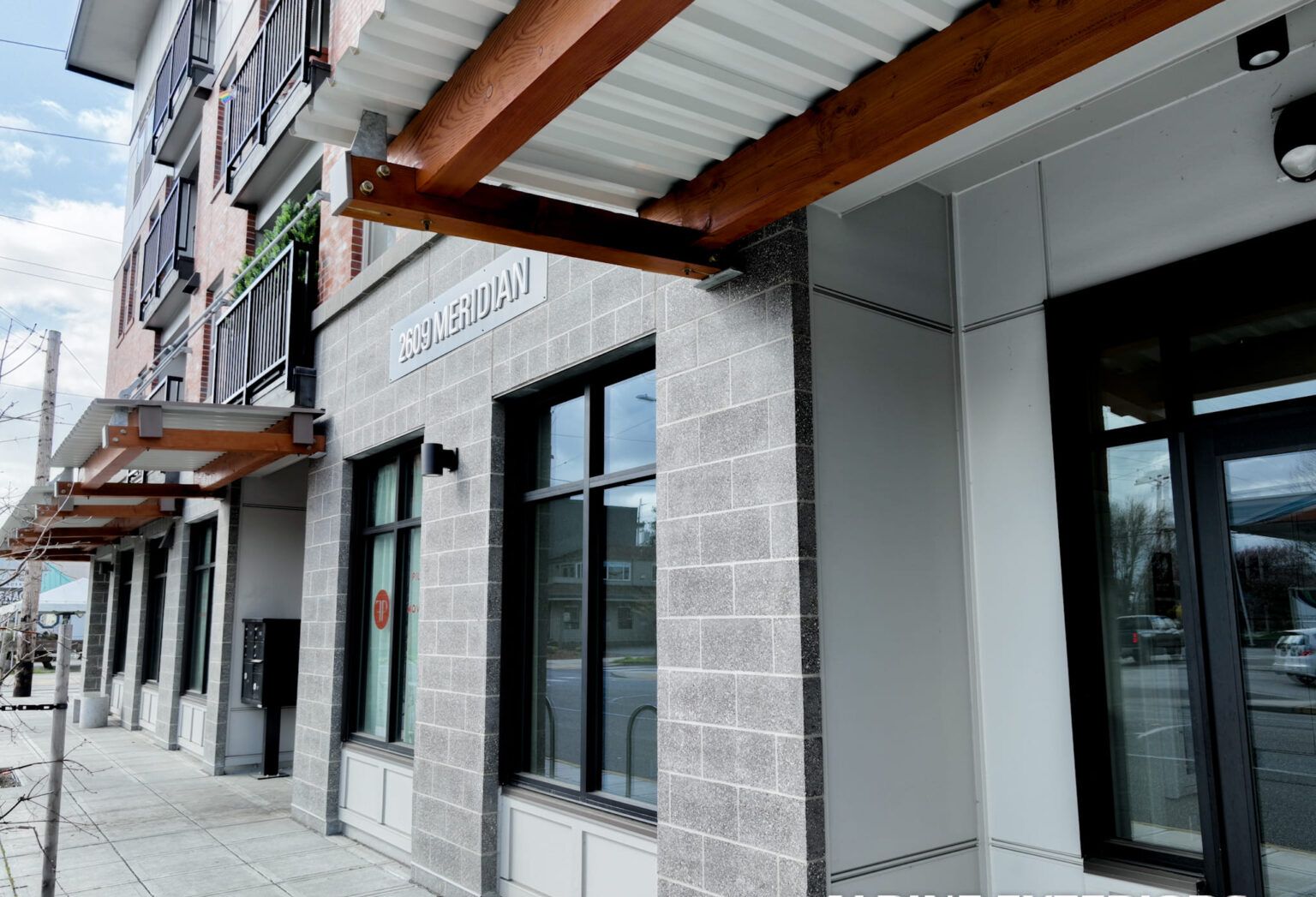
For most homeowners across Tampa, Wesley Chapel, Lutz, Land O' Lakes, New Port Richey, Plant City, and Zephyrhills, yes — vinyl siding is worth considering, as long as you buy a product with current Florida Product Approval for your area's wind speed and it's installed by a crew that actually follows the manufacturer's nailing and clearance instructions. It is not automatically the right choice for every house, and the exceptions are real enough that you should read past this paragraph before deciding anything.
Vinyl siding's appeal has never really changed: it costs less upfront than fiber cement or brick, it never needs painting, and a rinse with a garden hose handles most surface grime. Installed correctly, a mid-grade vinyl product on a typical single-family home in this area can run into the low-to-mid five figures depending on square footage, trim complexity, and whether old siding needs to be stripped off first — treat any number you hear as a rough range until you've gotten a walk-through estimate, because soffit, fascia, and rot repair behind the old siding can move the price meaningfully.
The honest drawbacks matter just as much as the selling points. Vinyl is a thin plastic skin, not a structural material, so it's only as good as what's behind it — the house wrap, the sheathing, and the flashing around windows and doors do the real work of keeping water out. Vinyl can crack on impact from a ladder, a thrown branch, or a stray baseball, and once it's a few years old, matching a cracked panel to sun-faded color can be difficult. Dark colors absorb more heat and can warp or distort in direct Florida sun if the product isn't rated for it. And vinyl siding, by itself, does very little for a home's insulation value — insulated vinyl exists and helps, but standard hollow-back panels are mostly a weather skin, not a thermal upgrade.
None of that makes vinyl a bad material. It makes it a material where installation quality, product selection, and what's underneath the panels matter more than the siding itself.
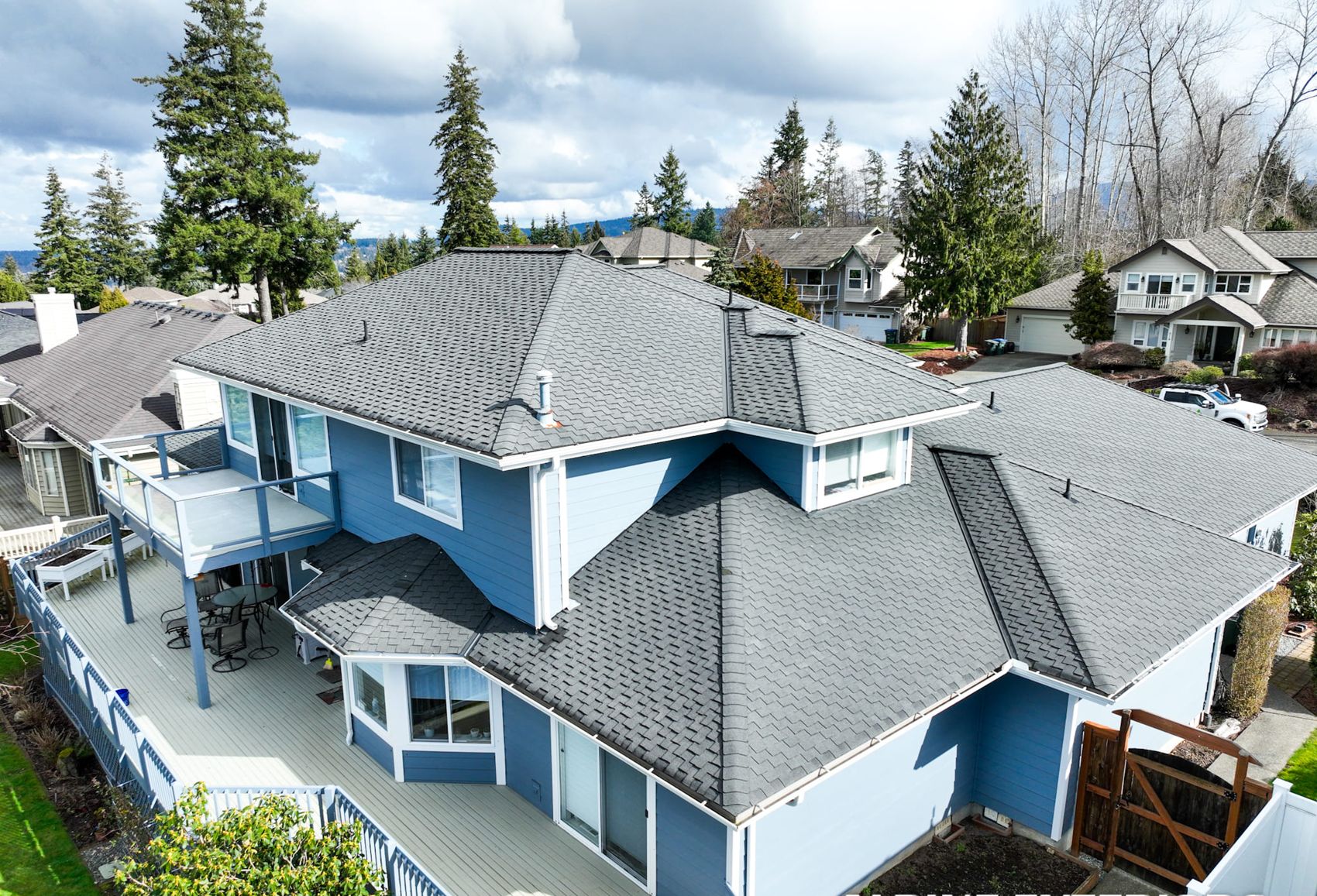
A few regional realities change how this decision should be made here compared to a lot of the country.
If you're weighing vinyl siding for a Tampa Bay home, a few concrete steps will tell you more than any brochure:
Alpine Exteriors walks Tampa Bay homeowners through exactly this kind of comparison before any contract is signed, because the right answer depends more on your specific house, lot exposure, and budget than on which siding brand has the better ad.
A vinyl product with a current Florida Product Approval, installed with the correct fastening pattern for your site's wind exposure, is designed to stay in place through the wind speeds the Florida Building Code requires for this area. Failures usually trace back to old or improperly installed siding, missing or under-driven fasteners, or a product that was never rated for the local wind zone in the first place — not to vinyl as a category being unable to handle Florida storms.
The panels themselves won't grow mold, but algae and mildew can build up on the surface in shaded, humid spots, especially on north-facing walls that don't get much direct sun or airflow — that's a cleaning issue, not a structural one. The more serious concern is moisture getting trapped behind the panels through a poor drainage plane or bad flashing, which is a installation-quality question rather than a property of vinyl itself.
Vinyl costs less to install and needs less upkeep, but fiber cement generally resists impact and UV fade better and holds paint or factory finish longer under intense Florida sun. Fiber cement is heavier and costs more both to buy and to install, and it still needs periodic caulking and occasional repainting depending on the finish. Which one makes sense depends on your budget, how long you plan to stay in the home, and how much you value a lower-maintenance material versus one with a longer track record against sun and impact.
Costs vary widely based on the size and shape of the house, how much trim and detail work is involved, whether the old siding needs to be removed, and what condition the sheathing underneath is in — a straightforward ranch-style home will price very differently from a two-story house with a lot of gables and dormers. Rather than rely on a general number, get a walk-through estimate that breaks out material, labor, and any repair work so you can see exactly what's driving the price.
Every home in Tampa, Wesley Chapel, Lutz, Land O' Lakes, New Port Richey, Plant City, and Zephyrhills has its own mix of sun exposure, wind exposure, and existing wall condition, and that's what actually determines whether vinyl siding makes sense for it. Alpine Exteriors, Florida license RB29003900, will walk your property, check what's happening behind your current siding, and give you a straightforward comparison of vinyl against the alternatives before you spend a dollar — reach out for a no-pressure look at your specific house.