

Richland sits inland in Pasco County, tucked between Zephyrhills and Dade City, and while that spares it the direct salt spray of the immediate Gulf coastline, it does not spare it from the weather patterns that stress siding across the Tampa Bay region. Summer thunderstorms roll through almost daily, tropical systems track across the peninsula most years, and the combination of sustained wind and wind-driven rain puts real load on panels, seams, and fasteners. Siding that looks fine from the curb can be quietly failing at the laps, the flashing, or the fastener line, and a homeowner usually doesn't find out until water has already gotten behind the cladding.
Humidity is the second factor that sets this region apart from most of the country. Pasco County runs high relative humidity for much of the year, and any siding assembly that traps moisture against the wall sheathing becomes a candidate for mold, mildew, and eventually wood rot in the framing behind it. Add in Florida's intense, near-year-round UV exposure, which degrades vinyl, fiber cement caulking, and painted trim faster than it would in a milder climate, and you have a set of conditions that rewards regular, methodical inspection rather than a once-a-decade glance.
Subterranean termites are established throughout Pasco County and don't need much encouragement — a damp sill plate or a piece of siding trim sitting too close to grade is often all it takes. Finally, any siding product installed or replaced on a Florida home needs to carry a valid Florida Product Approval and meet the wind-pressure requirements in the Florida Building Code for this wind zone. That matters for insurance as much as safety: many carriers reference the OIR-B1-1802 wind mitigation inspection form when pricing a policy, and siding that's failing, poorly attached, or undocumented can complicate that conversation. This checklist is built around those specific pressures — wind, water, humidity, UV, and termites — rather than generic maintenance advice that doesn't fit a Florida home.
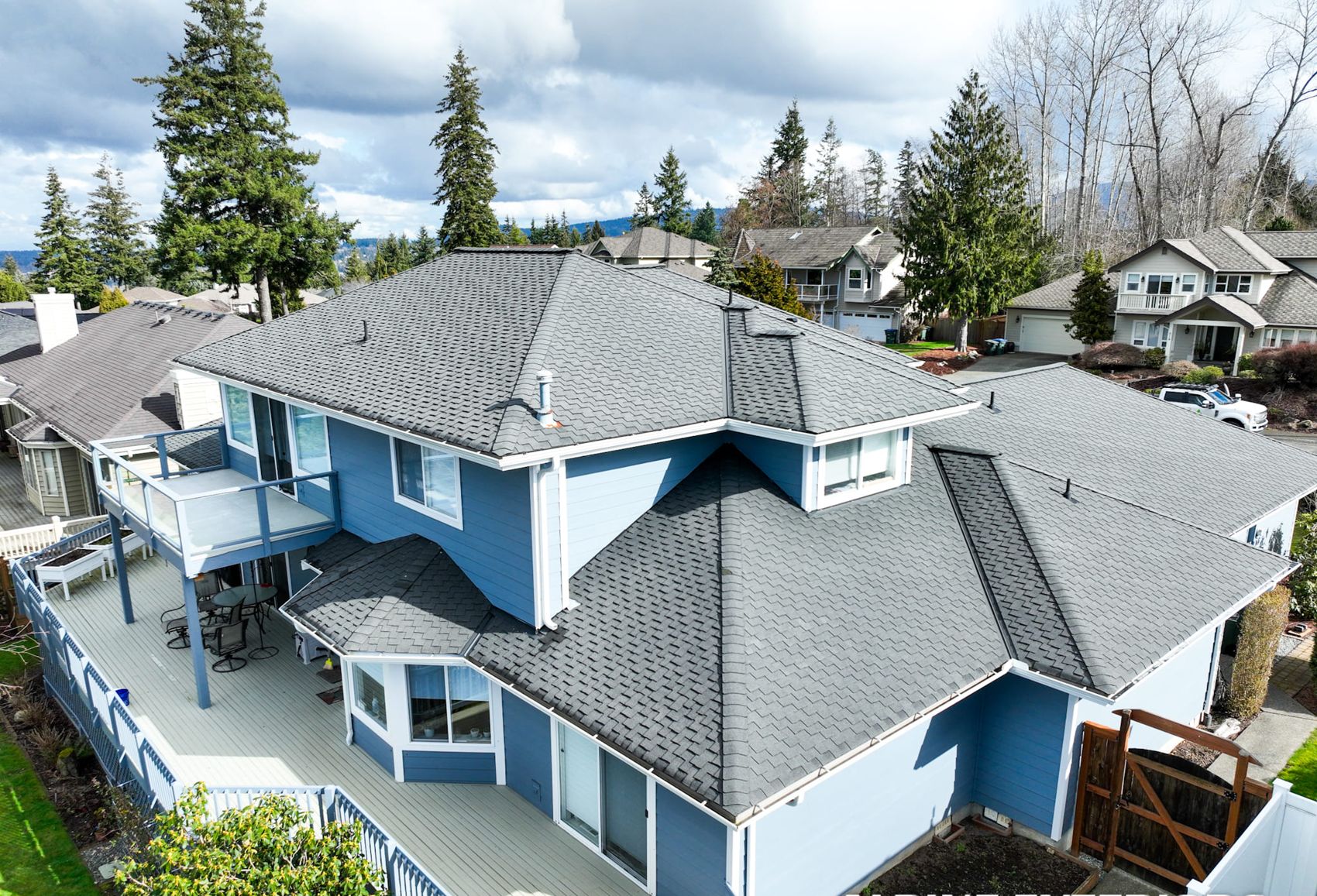
Not every failed item is an emergency, but every one deserves a response rather than a mental note for later. Start by documenting what you find — clear photos with a sense of scale, taken from a few angles, are useful whether you end up doing a small repair yourself, hiring a contractor, or filing an insurance claim. If you find storm damage, photograph it as soon as it's safe to do so and before any temporary repairs, since insurers and adjusters rely on that documentation.
For minor issues like a small caulk gap or light chalking, a homeowner can often re-seal the joint with an exterior-grade sealant rated for Florida sun exposure, or simply keep an eye on it over the next few months. For anything involving a soft spot, a gap at a lap joint, or a section of siding that moves under hand pressure, resist the temptation to just caulk over it — sealing the surface without addressing what's happening underneath traps moisture rather than solving the problem, which is exactly the wrong move in a humid climate. If you find active termite mud tubes or soft wood, that's a pest-control matter first; siding repair should follow, not precede, pest treatment, or the new material will just sit on compromised framing.
If wind has lifted or cracked panels, a temporary fix — pulling loose debris, covering an exposed gap — can prevent water intrusion until a proper repair happens, but it isn't a substitute for one. And if the damage came from a named storm or a documented wind event, keep your paperwork together; it may matter for both an insurance claim and for any future OIR-B1-1802 wind mitigation inspection on the home.
Some findings are reasonable for a homeowner to handle directly — light re-caulking, cleaning mildew off the surface, or tightening a single loose piece of trim. Others call for a licensed contractor, and it's worth being honest about where that line sits. Any repair or replacement that involves matching wind-rated attachment methods, flashing details, or product approvals under the Florida Building Code should go to a professional, because getting those details wrong doesn't just look bad — it can leave the wall assembly vulnerable in the next storm and create problems if the work is ever reviewed during a permit, sale, or insurance inspection.
You should also bring in a professional any time you find soft or rotted framing behind the siding, widespread fastener failure across multiple panels, signs of an active pest infestation, or moisture damage that's already reached the interior. Those situations usually involve more than the siding itself, and diagnosing the full extent of the damage is easier for someone who does this work regularly. Alpine Exteriors, licensed in Florida under RB29003900, inspects siding for homeowners throughout Tampa, Wesley Chapel, Lutz, Land O' Lakes, New Port Richey, Plant City, Zephyrhills, and the surrounding Pasco County communities, including Richland, and can tell you honestly whether you're looking at a spot repair or a larger replacement.
A walk-around inspection twice a year is a reasonable baseline for most homes in this area — once in the spring before hurricane season ramps up, and once in the fall after it winds down. It's also worth doing a quick check after any storm with sustained high winds, even if the house doesn't look obviously damaged, since fastener and flashing problems aren't always visible from a distance.
A homeowner can absolutely do the visual and hands-on parts of this checklist — looking for cracks, pressing on suspicious spots, checking caulk lines. Where it's worth bringing in a professional is when you find something that needs diagnosis, like moisture behind the wall or fastener failure across a large area, since those often require pulling a section of siding to see what's really happening underneath.
Yes. Siding products installed in Florida need a valid Florida Product Approval and must be installed to meet the wind-pressure requirements set by the Florida Building Code for the local wind zone. This isn't just a paperwork detail — it's the difference between siding that's engineered to stay attached in a tropical storm and siding that isn't, and it can also factor into how a home is scored on a wind mitigation inspection.
Assuming that because the siding looks fine from the street, it's fine everywhere. Florida's humidity and UV load mean the areas most likely to be failing — low on the wall, behind trim, at flashing joints — are also the areas least visible during a casual glance. A hands-on check of the specific points in this checklist catches problems months or years before they'd otherwise show up.
If this checklist turned up a few items you're not sure how to interpret, or you'd rather have a second set of eyes before hurricane season, Alpine Exteriors offers siding inspections for homeowners throughout Richland and the rest of Pasco County. As a licensed Florida contractor (RB29003900) working across the greater Tampa Bay area, Alpine Exteriors can walk your home's exterior with you, point out what's holding up well, and give you a straightforward, no-pressure assessment of what — if anything — needs repair or replacement. Reach out to schedule a visit before the next storm season tests your siding for you.