
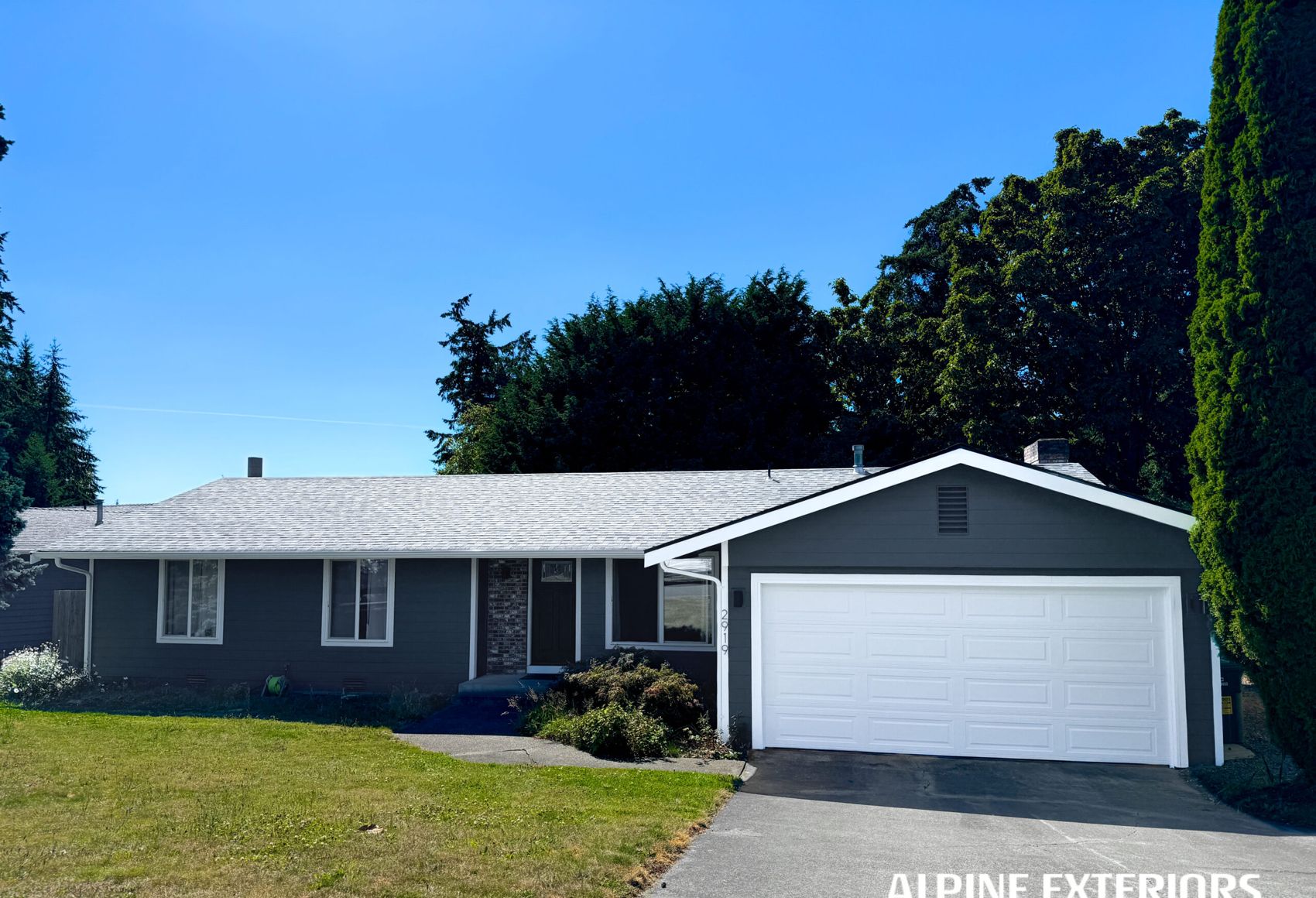
Bayonet Point sits in unincorporated Pasco County, close enough to the Gulf that homes along the canals and off US-19 deal with salt-laden air, and far enough inland from Miami-Dade that the High-Velocity Hurricane Zone rules don't apply — but Florida Building Code wind and water-intrusion requirements still do. Homeowners here call Alpine Exteriors asking a version of the same question: what does James Hardie siding actually cost once you factor in Florida-specific labor, code compliance, and the realities of a house that has to survive hurricane season every year. This page walks through realistic ranges and the variables that move them, so you can read a quote and understand exactly what you're paying for.
For a typical single-story Bayonet Point home, full James Hardie fiber cement siding replacement generally lands in the neighborhood of $9 to $16 per square foot installed, with most whole-house projects finishing somewhere between the mid five figures and low six figures depending on square footage, trim complexity, and how much of the existing wall assembly needs repair before new siding goes on. Two-story homes, homes with a lot of dormers or gables, and homes that need substantial rot or sheathing repair under the old siding will run toward the higher end or above it. These are planning ranges, not a quote — the only way to get an accurate number is a site visit and measurement, because Pasco County homes vary widely in wall complexity, substrate condition, and existing cladding type.
| Cost Factor | Typical Low | Typical High |
|---|---|---|
| HardiePlank lap siding, material + install | $6/sq ft | $10/sq ft |
| HardieShingle or HardiePanel accent areas | $8/sq ft | $14/sq ft |
| Tear-off and disposal of existing siding | $1/sq ft | $3/sq ft |
| Rotten sheathing or framing repair (per area found) | $400 | $3,500+ |
| House wrap / weather-resistive barrier upgrade | $0.50/sq ft | $1.25/sq ft |
| Trim, fascia, and soffit work | $3/sq ft trim | $8/sq ft trim |
| Permit and Florida Product Approval documentation | $150 | $600 |
| Two-story or steep-pitch access/labor premium | 10% | 30% add-on |
Notice that the siding material itself is often not the largest swing factor — what's hiding behind your current siding usually is. Older Bayonet Point homes, especially those built before more recent wind-load standards, sometimes carry decades of small leaks around windows and penetrations that never showed up as an interior problem until the old cladding comes off. Budgeting a contingency for substrate repair is one of the most useful things a homeowner can do before signing a contract.
Several conditions specific to this part of Florida push the cost of a siding job up or down more than homeowners expect:
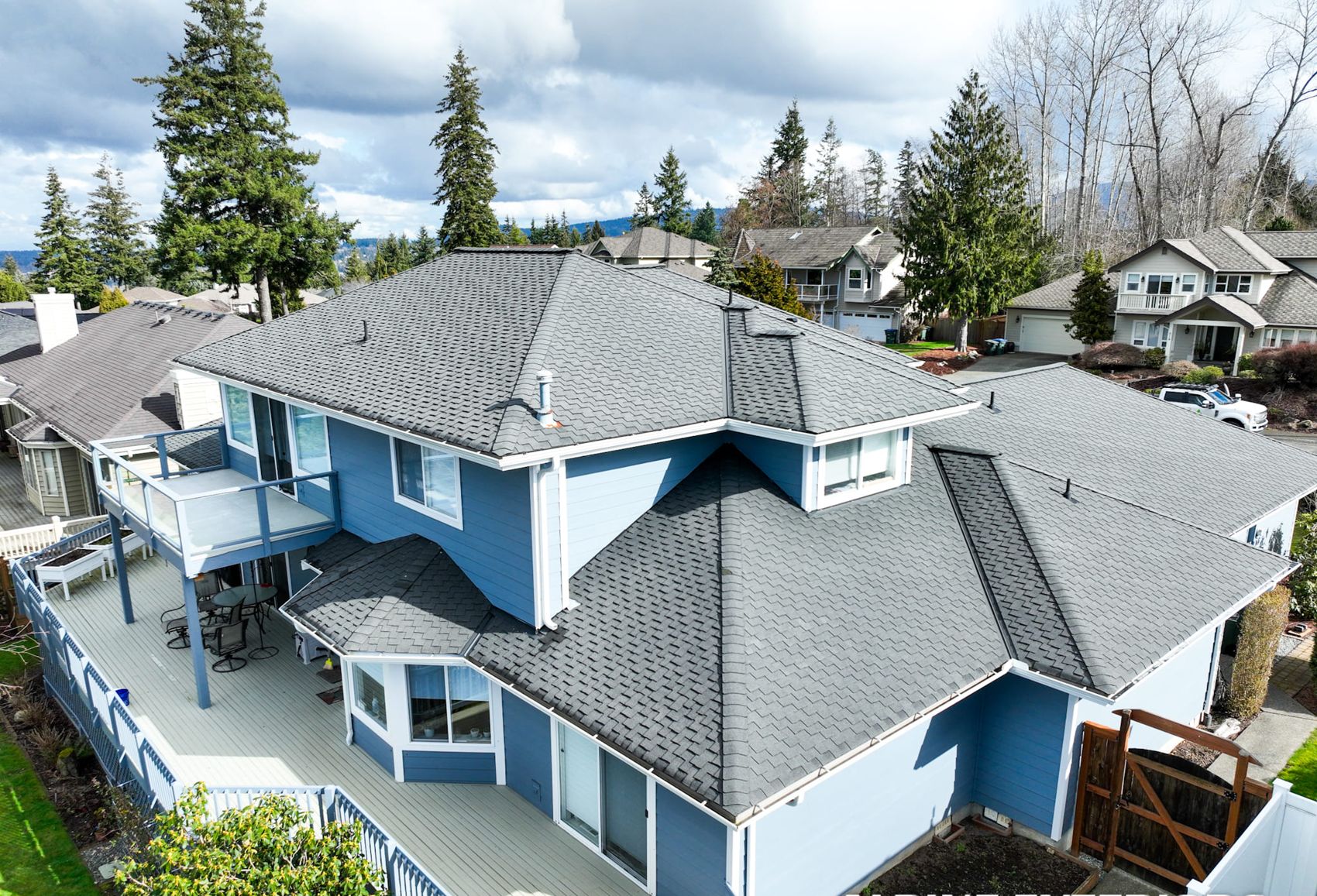
A complete James Hardie quote from Alpine Exteriors, or any contractor, should spell out more than a single lump-sum number. Look for these line items so you can actually compare bids apples to apples:
If a quote is missing most of these details, it's hard to know what you're actually being sold, and it's harder to compare that bid against a more detailed one.
The lowest number on paper is not automatically the best value, and the highest number isn't automatically the most thorough job. When comparing bids for a Bayonet Point project, put each quote's material specification, barrier and flashing detail, fastening schedule, and warranty terms side by side before looking at price. A bid that's noticeably lower than the others is worth asking hard questions about — thinner underlayment, no house wrap upgrade, or a plan to install over questionable sheathing without inspecting it are common ways contractors shave cost that don't show up until years later, often as a warranty claim or a moisture problem. Ask each contractor for their Florida contractor license number and confirm it's active and in good standing with the Florida Department of Business and Professional Regulation. Alpine Exteriors' license is RB29003900, and any legitimate siding contractor working in Pasco County should be able to give you theirs without hesitation.
It's also worth asking how each contractor handles the substrate-repair scenario, since that's the single biggest source of change orders on siding jobs in this area. A contractor who has a clear, pre-agreed process for documenting and pricing repair work — rather than an open-ended "we'll figure it out" — is easier to budget against.
Many siding contractors, Alpine Exteriors included, can point homeowners toward third-party financing options that break a full siding replacement into monthly payments rather than one upfront cost. Terms and approval vary by lender and by homeowner, so treat any financing conversation as a separate discussion from the project scope itself, and read the terms carefully before signing.
On the insurance side, replacing older siding with a wind-rated, code-compliant James Hardie installation can sometimes affect your homeowner's insurance premium, particularly if it's paired with other wind-mitigation improvements. Florida's OIR-B1-1802 Uniform Mitigation Verification Inspection Form is what insurers use to evaluate wind mitigation features on a home, and it covers things like roof-to-wall connections, roof shape, and opening protection more than siding material specifically. Still, it's worth asking your insurance agent whether a documented, permitted siding replacement with proper flashing and fastening should be reflected in your policy, and keeping your permit and completion paperwork on file in case it's ever needed for a claim or a future mitigation inspection.
It depends on what you're optimizing for. Vinyl siding generally costs less upfront, but fiber cement holds up better against the combination of intense UV, humidity, and wind-driven rain that Tampa Bay area homes face year after year, and it doesn't provide the food source that wood-based products do for termites. Many Bayonet Point homeowners see fiber cement as a longer-term investment rather than the cheapest possible fix, but a lower budget and shorter time horizon can make vinyl a reasonable choice too.
Bayonet Point is not in Florida's High-Velocity Hurricane Zone, which is limited to Miami-Dade and Broward counties, but it is still subject to Florida Building Code wind provisions for its wind speed and exposure category. That means fastener type, spacing, and flashing details still need to meet code, and materials used should carry current Florida Product Approval, even though the more stringent Miami-Dade NOA testing isn't required here.
A straightforward single-story home can often be resided within one to two weeks, weather permitting, while larger homes, homes needing substantial sheathing repair, or homes with complex trim work can take several weeks longer. Florida's summer rain patterns can also affect scheduling, since fiber cement installation and painting steps generally need dry conditions.
Some older Pasco County homes have asbestos-containing cement siding installed decades ago, and if that's the case, removal has to follow specific handling and disposal procedures rather than a standard tear-off, which adds cost and time. It's worth flagging the age and type of your existing siding when you request a quote so the contractor can inspect for this before finalizing a price.
Ranges are useful for planning, but the only way to know what your specific Bayonet Point home will cost is a walk-through that accounts for your wall square footage, trim detail, and the condition of what's underneath your current siding. Alpine Exteriors serves Bayonet Point and the surrounding Pasco County communities and can walk your property, point out anything that's likely to affect the number, and put together a detailed, itemized quote rather than a single lump sum. If you're weighing James Hardie against other siding options or just want a realistic number to plan around, reach out to Alpine Exteriors for a no-pressure look at your home.