
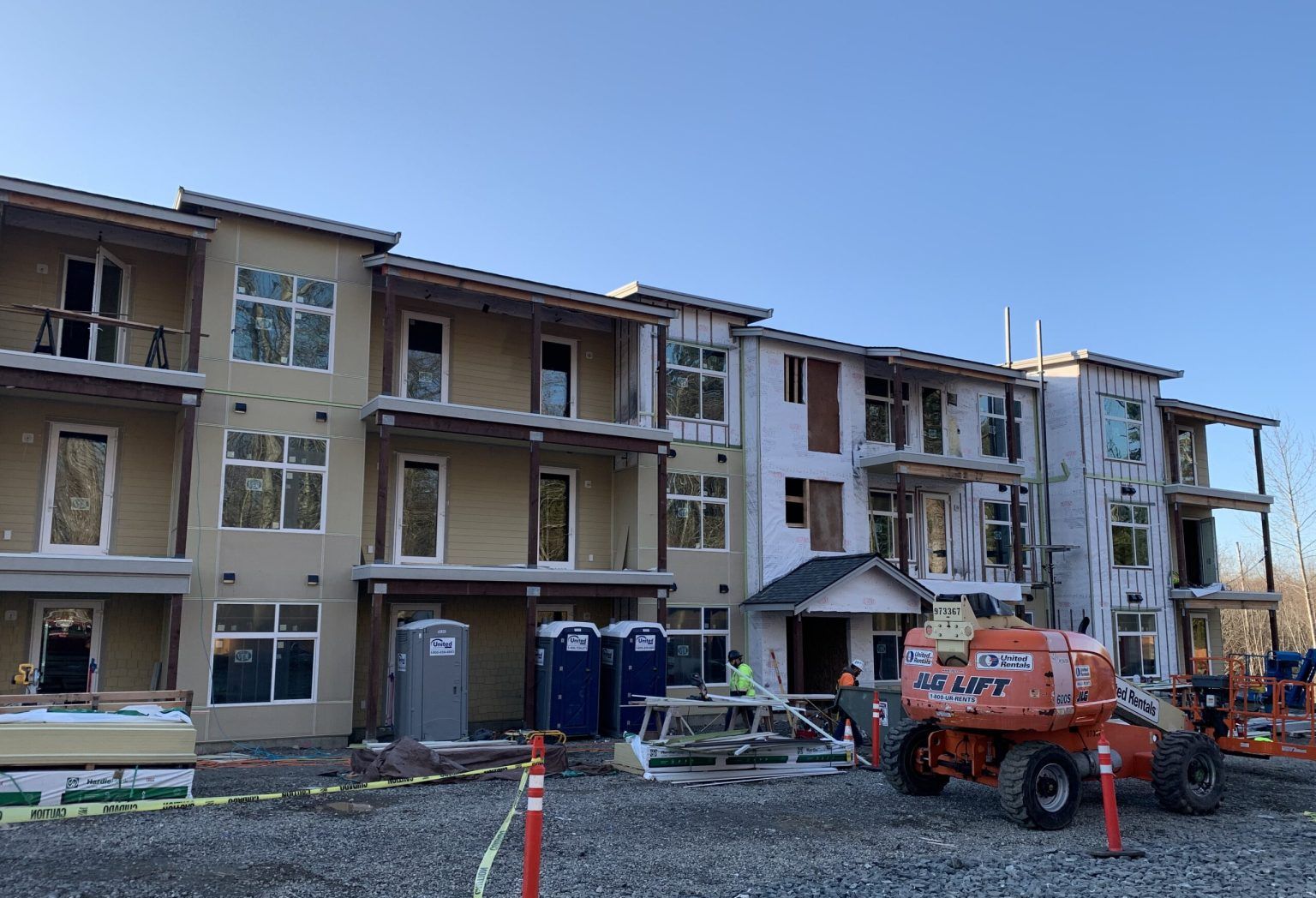
Starkey Ranch sits in the fast-growing western half of Pasco County, and most of its homes are still relatively young — many built within the last decade. That newness can create a false sense of security. Siding doesn't fail because it's old; it fails because of repeated exposure to specific stresses, and Pasco County delivers those stresses on a predictable annual schedule regardless of a home's build date.
June through November brings Florida's hurricane season, and even storms that stay well offshore or track through without a direct hit still push sustained wind and wind-driven rain into every gap, seam, and fastener line on a home's exterior. Wind doesn't just tug at siding — it pressurizes wall cavities and forces water sideways and upward through openings that would never leak in a normal rainstorm. Between storms, Pasco County's high year-round humidity keeps moisture in play even on dry days, and any siding assembly that traps that moisture behind it becomes an incubator for mold and wood rot long before a homeowner ever sees a stain on the surface.
Add in the region's intense, near-constant UV exposure, which breaks down caulking, gaskets, and the surface finish of siding faster than in more northern climates, and Florida's active subterranean and drywood termite pressure, which can attack wood trim and fascia hidden behind or beneath siding without any early visible sign. Any construction material installed in this part of Florida is required to carry Florida Building Code compliance and, where applicable, Florida Product Approval documentation confirming it was tested for the wind and water-intrusion conditions our region actually produces. That approval covers the product when it's installed correctly — it doesn't substitute for a homeowner checking, every so often, that the product is still doing its job. This checklist is built around those specific regional pressures, not a generic maintenance list borrowed from a cooler, drier climate.
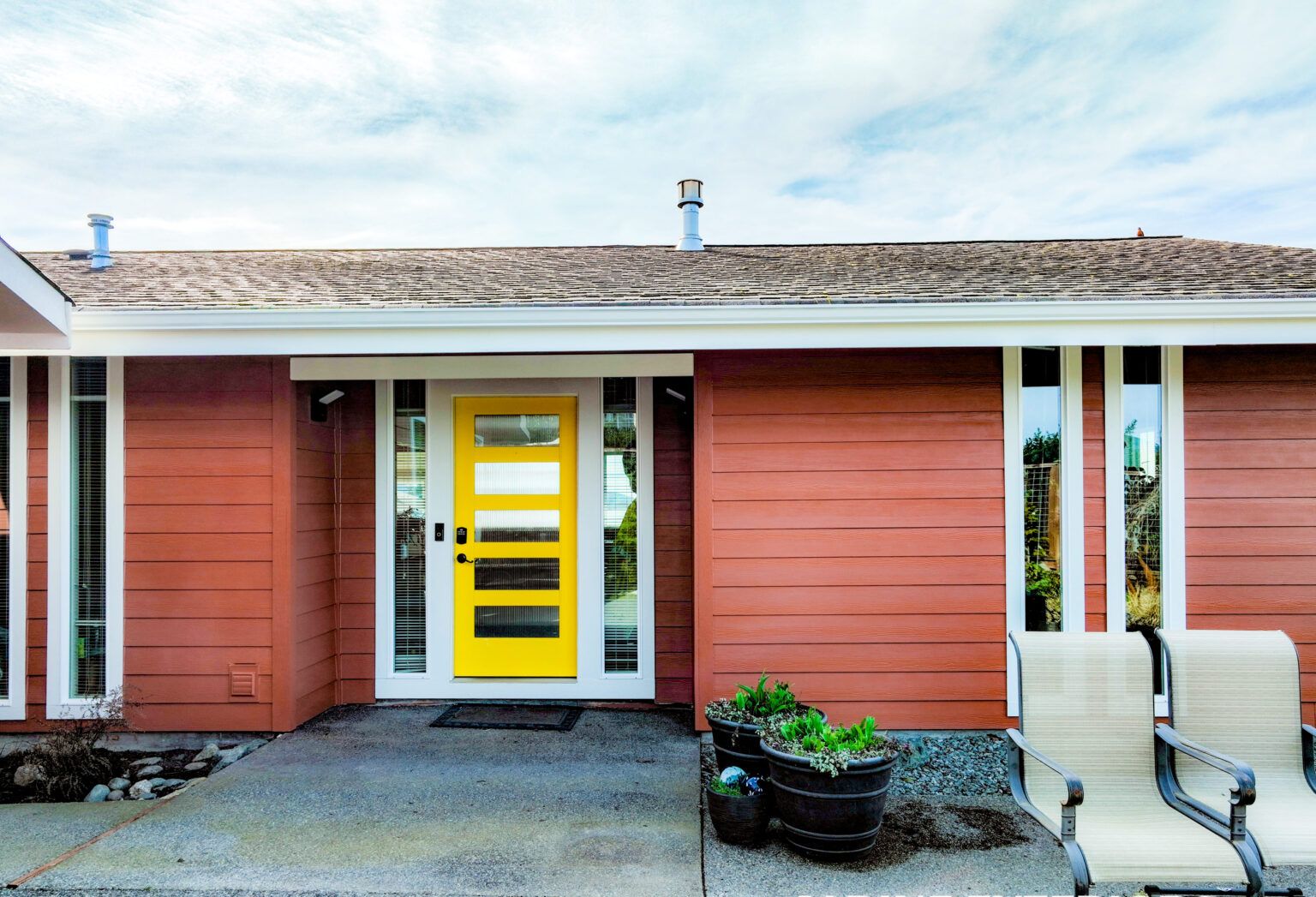
Not every failed item is an emergency, but none should be filed away and forgotten. Start by photographing the issue with a wide shot for location context and a close-up of the damage itself, and note the date. This record is useful whether you end up doing a small repair yourself, hiring a contractor, or filing an insurance claim after a storm.
For minor issues — a single cracked caulk line, one loose fastener, light chalking on a small area — a homeowner can often address the immediate problem with basic exterior-grade sealant or by re-driving a fastener, as a stopgap rather than a permanent fix. Anything involving softness in the material, staining that suggests ongoing moisture, visible mold, gaps at flashing or corners, or more than a handful of failed items in one area should not be treated as a DIY project. Covering over softness or rot with caulk or paint hides the problem without solving it, and in Florida's humidity that approach tends to make the underlying damage worse, not better.
Timing matters too. Repairs identified in spring, ahead of hurricane season, are far cheaper and lower-risk to address than the same repair discovered mid-storm or in its aftermath, when water has already had a chance to get behind the wall assembly. If your siding is an older or discontinued color or profile, flag repairs early — sourcing a matching replacement panel gets harder the longer a product has been off the market.
Some findings are within reach for a handy homeowner; others need a licensed contractor's eyes before they turn into a bigger, more expensive problem. Call a professional when you find any of the following:
Alpine Exteriors is a Florida-licensed contractor (RB29003900) serving Starkey Ranch and the surrounding Pasco County communities, and can walk a property, identify which findings are cosmetic versus structural, and scope a repair or replacement plan without pushing unnecessary work.
Twice a year is a reasonable baseline for most Starkey Ranch homes: once in late spring, before hurricane season ramps up, and once in late fall, after the season has passed and any storm-related stress has had a chance to show itself. Homes with more open exposure or a history of past issues may benefit from an additional check mid-summer.
Yes. Newer construction reduces the odds of age-related wear, but it doesn't remove exposure to wind, rain, humidity, UV, or termites, and installation quality varies from crew to crew even on new builds. Catching a minor installation flaw in year two or three is far less costly than discovering it after a decade of hidden moisture exposure.
Well-maintained, code-compliant exterior components generally support a smoother claims process and can factor into how an insurer views a property's overall condition, though specific discounts and underwriting criteria vary by carrier. Keeping dated photos and repair records from checklists like this one is useful documentation regardless of how a particular policy is structured.
Materials with strong resistance to moisture, UV degradation, and wind uplift — properly installed with Florida Product Approval documentation for the applicable wind zone — generally perform best here. There's no single perfect material for every budget and home style, and each option comes with real tradeoffs in cost, maintenance, and appearance, which is worth discussing against your specific home rather than assuming one product fits every house in the neighborhood.
Working through this checklist is a strong first step, but some issues only become clear with hands-on experience and the right tools to check what's happening behind the surface. Alpine Exteriors works throughout Starkey Ranch and the rest of Pasco County — including Wesley Chapel, Land O' Lakes, and New Port Richey — and can provide a straightforward assessment of what your siding needs, whether that's a small repair, a section replacement, or simply confirmation that everything checked out fine. Reach out to schedule a walkthrough before this year's storm season puts your siding to the test.