
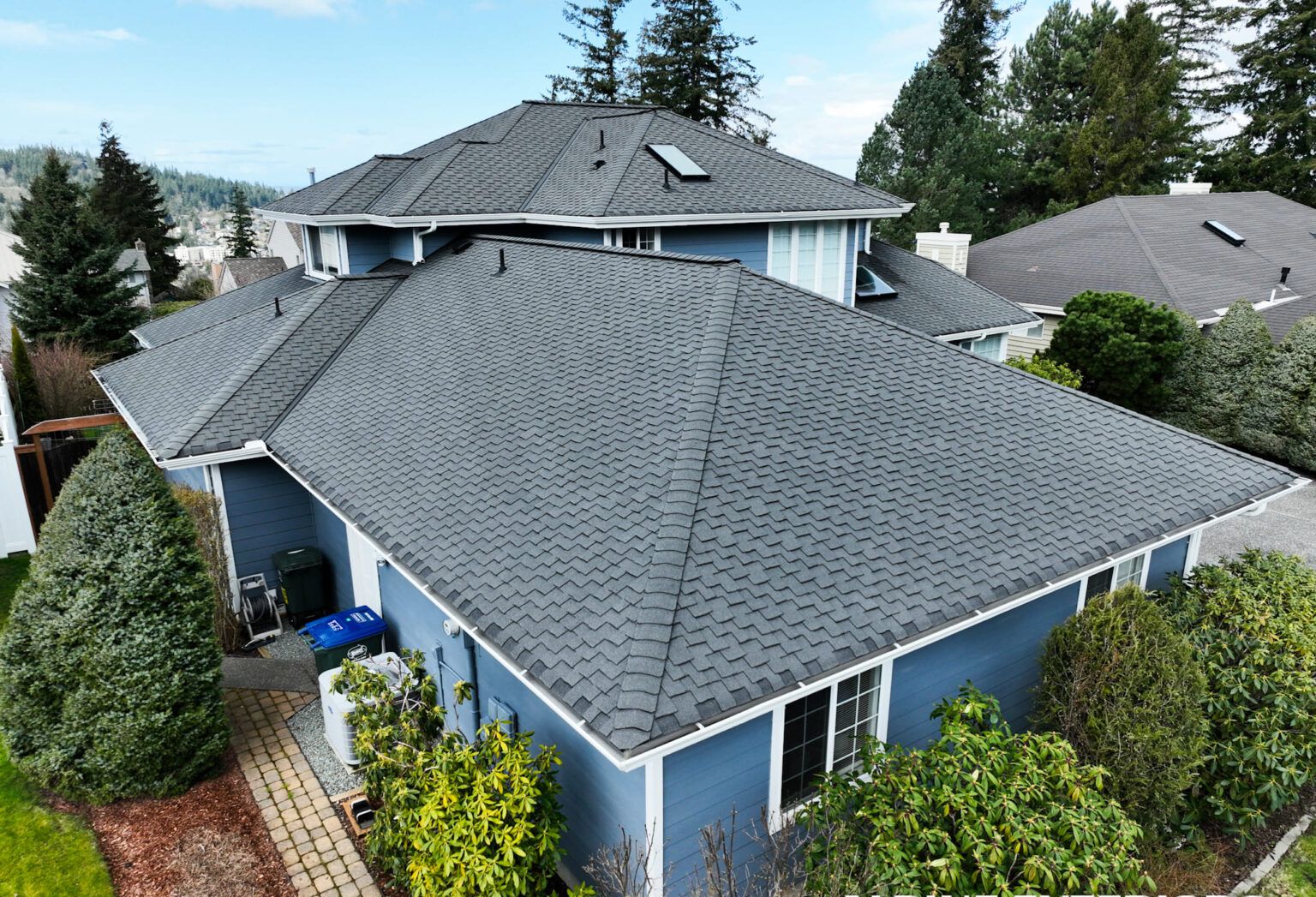
Living in Balm and the surrounding pockets of southern Hillsborough County means dealing with a construction climate that is different from almost anywhere else in the country. Even though Balm sits well inland from the Gulf, the entire region falls inside the wind-borne debris and high-velocity hurricane zones that the Florida Building Code was written to address. Panels, trim, and fasteners here are asked to survive sustained tropical-storm and hurricane winds, sideways-driving rain that gets pushed under laps and around penetrations, months of high humidity that create ideal conditions for mold and wood rot, and some of the most intense year-round UV exposure in the continental United States. Add in Florida's subterranean termite pressure, and it becomes clear why a siding system that looks fine from the curb can still be failing underneath.
A siding inspection is not the same as a siding replacement sales pitch. It is a slow, methodical look at the parts of your home's exterior that quietly do the most work: keeping wind-driven rain out of the wall cavity, letting the assembly dry between storms, and holding up to sun and heat cycle after cycle without cracking, warping, or pulling away from the structure. This checklist walks a Balm homeowner through what to look at, why each item matters in this specific climate, what to do if something fails, and when the smart move is to stop and bring in a licensed contractor.
Homeowners in Wesley Chapel, Lutz, Land O' Lakes, New Port Richey, Plant City, Zephyrhills, and throughout the greater Tampa area face the same underlying pressures, so most of this checklist applies just as directly if you live in one of those communities rather than Balm itself.
Hillsborough County sits inside a wind zone that requires siding products to carry Florida Product Approval or a Notice of Acceptance showing they were tested for the wind pressures and impact resistance this area can see during named storms. That matters for two reasons a homeowner should care about beyond code compliance. First, siding that is under-fastened, improperly lapped, or installed with the wrong accessories for its wind rating is far more likely to lift, crack, or blow off in a tropical storm or hurricane, even if it has never given you trouble on an ordinary windy day. Second, once a panel or piece of trim opens even a small gap, wind-driven rain does not simply run down the wall the way normal rainfall does; storm winds push water sideways and upward, forcing it behind siding and into seams that were never meant to see standing moisture.
Between storms, the bigger threat is chronic. Tampa Bay's humidity keeps building materials damp for longer stretches than drier climates ever do, and that moisture, combined with warmth, is exactly what wood-destroying fungi and mold need to take hold. Add Florida's year-round subterranean termite activity, and any wood trim, fascia, or sheathing that stays wet against the ground or a foundation for too long becomes a target. On top of the moisture story, Central Florida's UV exposure is intense and consistent almost all year, which accelerates fading, chalking, and embrittlement in vinyl and some fiber cement finishes faster than in northern climates.
None of this means siding in Balm is doomed to fail — well-installed, code-compliant siding routinely performs for decades here. It does mean that a homeowner who checks their siding once or twice a year, and especially after any significant storm, catches small problems while they are still cheap and simple to fix.
Panels and Surface
Fasteners, Seams, and Trim
Flashing and Water Management
Soffit, Fascia, and Eaves
Signs of Moisture or Pest Activity
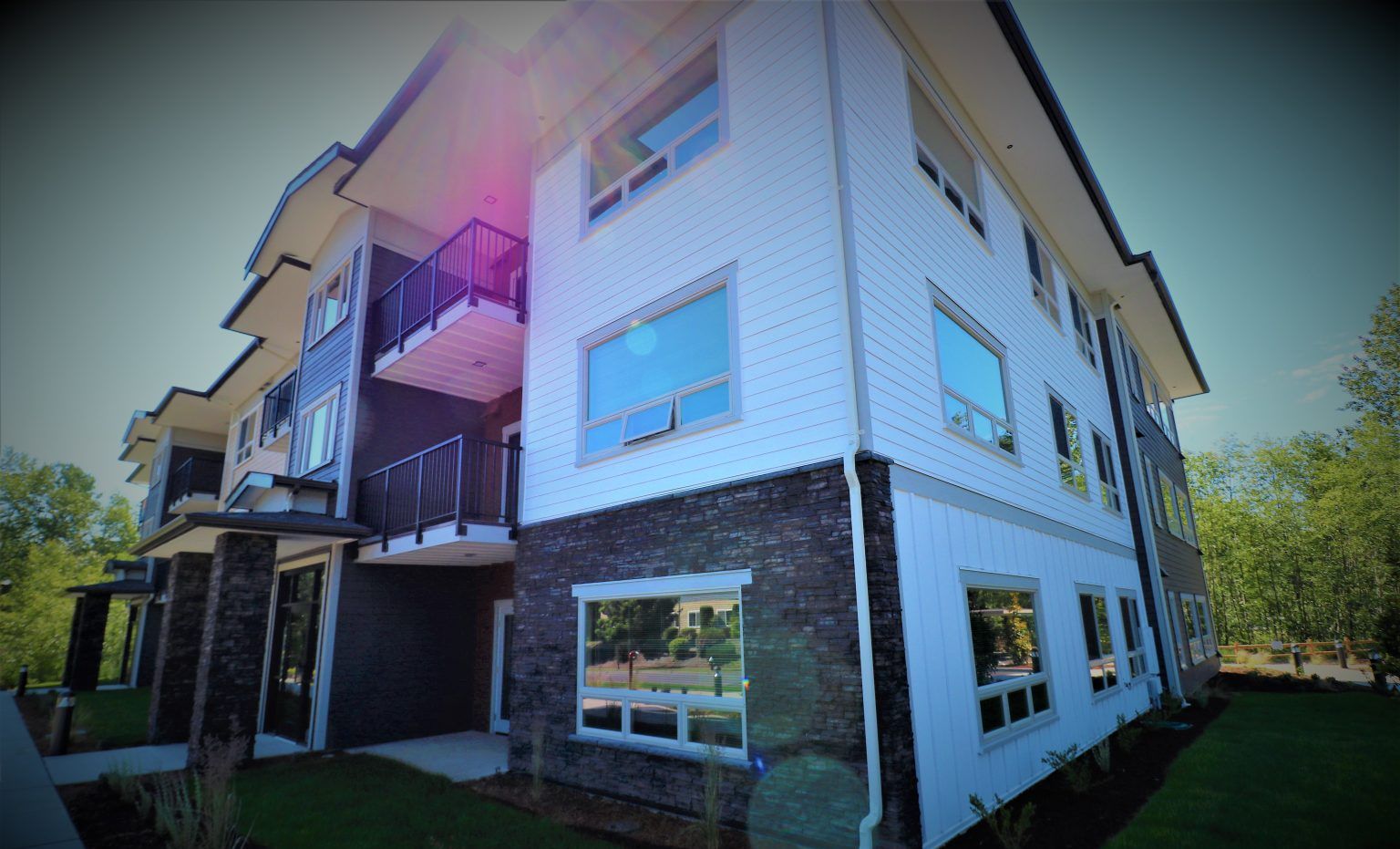
Not every failed item on this checklist means a full siding replacement, and it is worth being honest about that. A single cracked panel, a run of exposed fasteners, or a section of shrunk caulk are usually straightforward, inexpensive repairs — replace the damaged piece, re-set or replace the fasteners, and re-caulk with a quality exterior sealant rated for Florida's UV and heat exposure. Take photos before you patch anything; a dated record of exterior conditions is useful both for tracking whether a problem is getting worse and for insurance purposes, including supporting a wind mitigation inspection under the state's OIR-B1-1802 form if you ever have that documentation updated.
Soft or spongy wood, active mud tubes, or musty odors are a different category. These point to moisture or pest damage that is likely more extensive underneath the surface than what you can see, and patching over the visible symptom without addressing the underlying cause tends to let the problem keep spreading behind the wall. In these cases, plan on having a section of siding and possibly the sheathing behind it opened up so the actual extent of damage can be assessed before deciding on a repair versus a section replacement.
If you find a missing or poorly formed kick-out flashing, blocked weep holes, or a gap at a window or door head, treat that as higher priority even if you cannot see current water staining. These are the details that determine whether the next heavy storm sends water into the wall, and they are far cheaper to correct proactively than after a leak has already done its damage.
A homeowner can reasonably handle the visual walk-through described above, minor caulk touch-ups, and clearing debris or vegetation away from the base of the walls. Beyond that, several situations call for a licensed contractor rather than a DIY fix. Any repair that involves removing and re-flashing around a window, door, or roof-to-wall intersection needs to be done correctly the first time, since a poorly re-flashed opening can leak worse than the original problem it was meant to fix. Signs of active termite activity should go to a licensed pest control professional for treatment before any siding repair, so the repair is not covering up an ongoing infestation. Widespread panel damage after a named storm, soft sheathing found behind more than one section of siding, or uncertainty about whether your existing siding still meets current Florida Building Code wind requirements are all good reasons to get a professional inspection rather than guess.
Alpine Exteriors, FL license RB29003900, inspects and repairs siding for homeowners throughout Balm and the wider Tampa Bay area, including Wesley Chapel, Lutz, Land O' Lakes, New Port Richey, Plant City, and Zephyrhills. A professional inspection can also confirm whether your current siding carries the Florida Product Approval documentation appropriate for your area's wind zone, which matters both for storm performance and for insurance discussions.
A walk-around inspection twice a year — once before hurricane season and once after — catches most seasonal wear before it becomes a bigger repair. It is also worth doing a focused check any time your area experiences sustained tropical-storm-force winds or heavy wind-driven rain, since damage from those events is not always obvious from the ground.
There is no single best material for every home; fiber cement, vinyl rated for higher wind zones, and engineered wood products each perform differently under UV exposure, moisture, and wind pressure, and each comes with real trade-offs in cost, maintenance, and appearance. The more important factor in this climate is usually correct installation and Florida Product Approval for your wind zone rather than material alone, since even a premium product installed incorrectly can fail before a mid-range product installed properly.
They are related but not identical. A wind mitigation inspection, documented on the state's OIR-B1-1802 form, focuses on specific construction features insurers use to calculate discounts, such as roof shape and opening protection, while a siding inspection looks at the condition and installation of the wall covering itself. Keeping siding in good, storm-ready condition supports the broader goal of a wind-resistant home, but you would need a separate wind mitigation inspection to update that specific insurance documentation.
A basic visual check for obvious damage — missing panels, hanging trim, visible holes — is safe and reasonable to do yourself as long as you are not climbing on unstable ladders or roof edges to do it. If you see signs of water intrusion, soft wood, pest activity, or damage you are unsure how to assess, it is worth having a licensed contractor look before you decide on repairs, since some storm damage is only fully visible once a section of siding is opened up.
If your siding in Balm or anywhere else in the Tampa Bay area has you wondering whether it will hold up through the next storm season, Alpine Exteriors offers siding inspections and repair estimates for homeowners across the region. Reach out to schedule a walk-through and get a clear, honest assessment of what your exterior needs.