
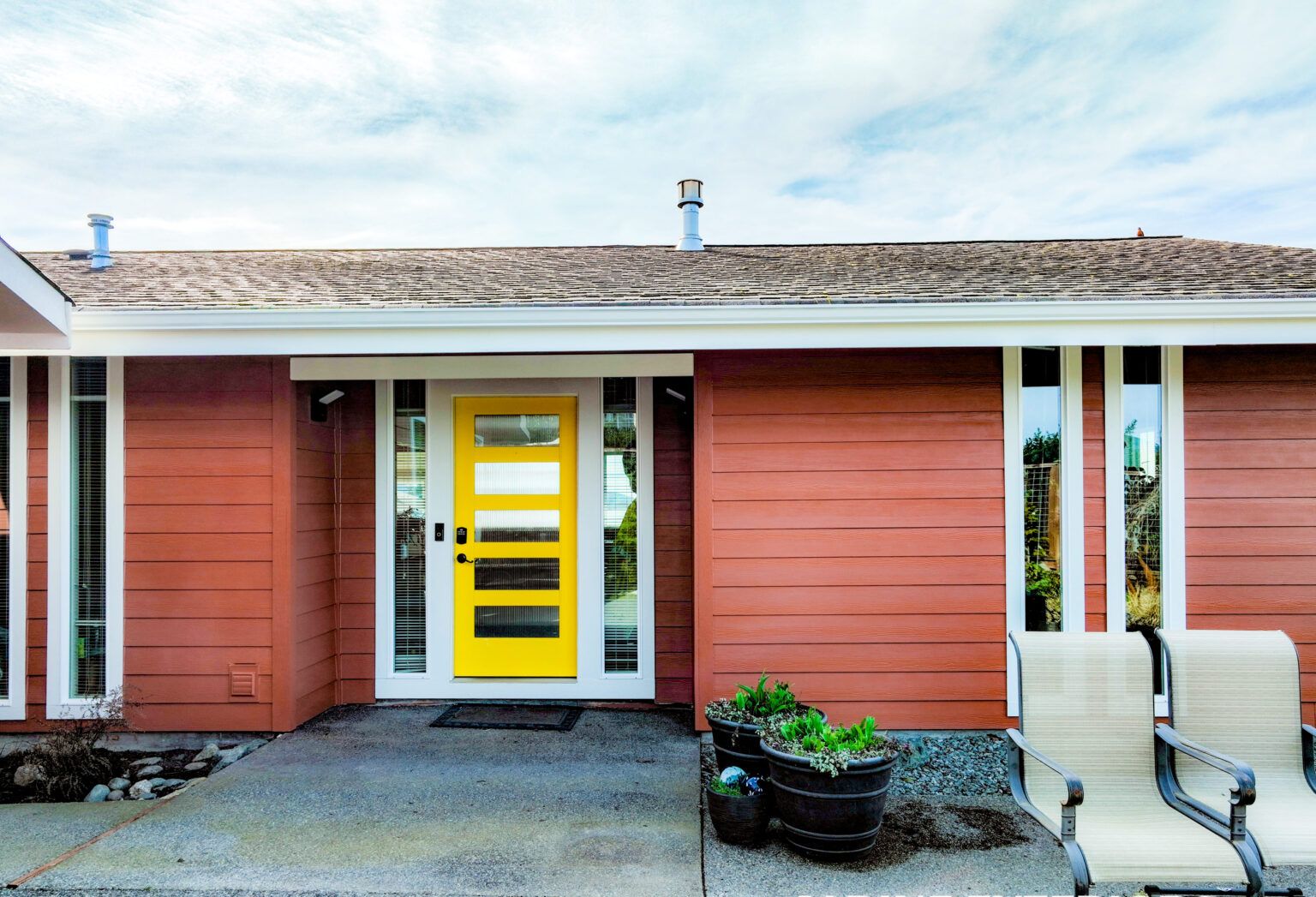
After a Hillsborough County storm, siding damage in Thonotosassa is usually easy to miss from the ground because wind and wind-driven rain tend to loosen panels, crack corners, and force water behind the cladding rather than tearing it off in an obvious way. If your home took sustained wind or heavy rain in the last storm, walk the exterior, look closely at seams and corners, and get a licensed inspection before you assume everything is fine.
Thonotosassa sits inland along the Hillsborough River, north of Tampa and east of Lutz, in a part of Hillsborough County that still catches the full force of tropical systems and summer squall lines even though it isn't a coastal community. The damage mechanism for siding is rarely a single dramatic event. It's usually a combination of three things happening at once: sustained wind pressure, wind-driven rain, and repeated flexing of panels that loosens fasteners over time.
Vinyl siding is designed to expand and contract and to flex slightly in wind, which is fine within its rated limits. Problems start when gusts exceed what the installed product and fastening pattern were built for, or when nails were driven too tight during the original install (a common shortcut that turns flexible siding into rigid, crackable siding). During a storm, that over-fastened siding can crack at the nail hem instead of riding out the gust. Fiber cement siding handles wind well but is heavy and brittle at the edges — corner boards and butt joints are where impact from wind-blown debris, palm fronds, or oak limbs typically shows up first.
The bigger issue is usually what you can't see. Wind-driven rain in a Hillsborough County thunderstorm or tropical system doesn't just fall — it's pushed sideways with enough force to work past a lifted panel, a gapped J-channel, or a compromised seal around a window or hose bib. Once water gets behind siding, it's sitting against the house wrap, sheathing, and framing in a climate that stays hot and humid for most of the year. That combination is exactly what drives mold growth and wood rot, and it can be doing damage for months before it ever shows up as a stain or a soft spot on the interior wall.
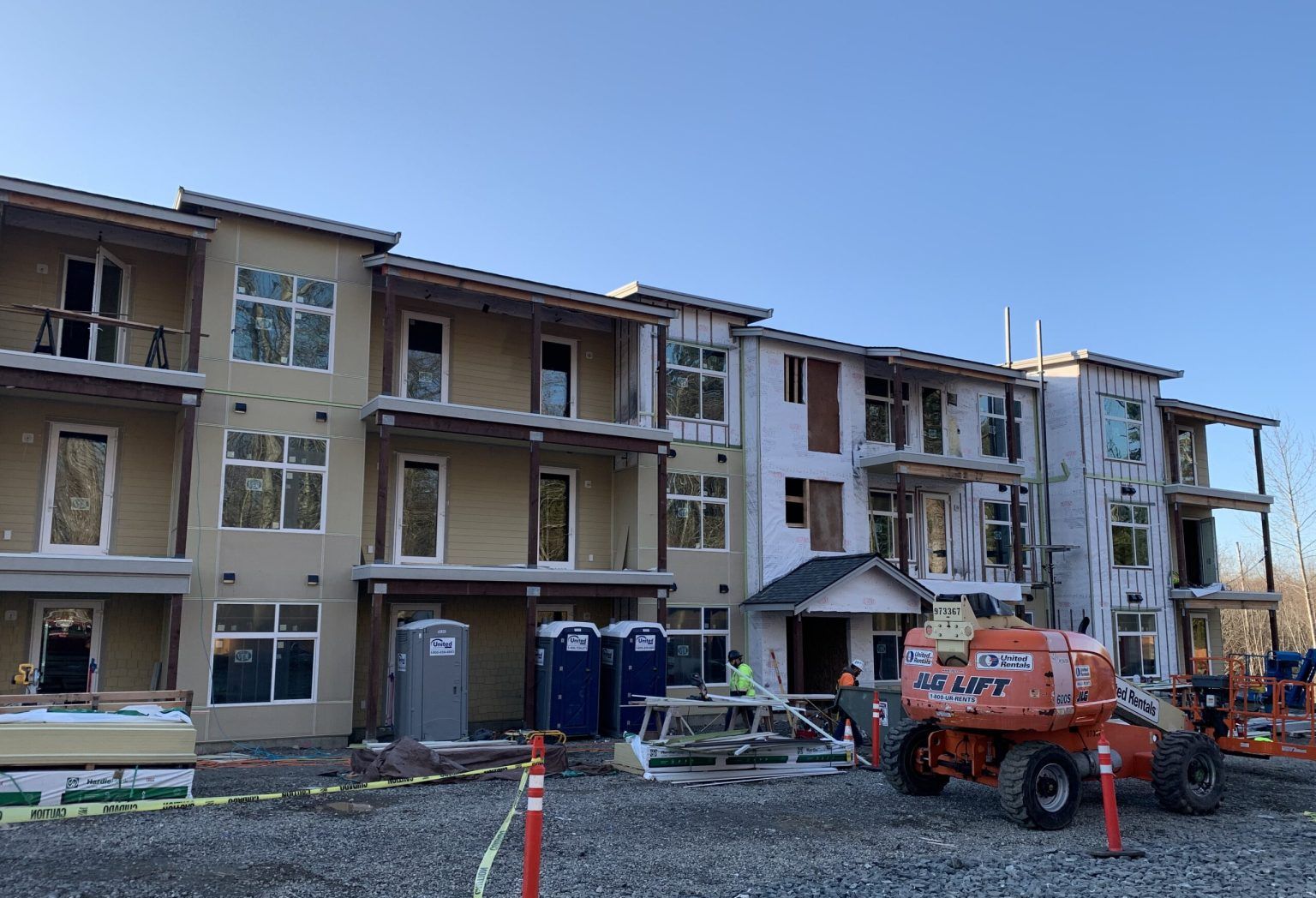
Being inland changes the risk profile compared to the Gulf-facing parts of the Tampa Bay service area. Thonotosassa doesn't deal with the salt air corrosion that eats at fasteners, flashing, and metal trim closer to the coast, so that particular failure mode is less of a concern here than it would be for a home near the water. But inland doesn't mean low-risk — it just shifts what to watch for.
None of this means Thonotosassa is worse off than Tampa, Wesley Chapel, or Land O' Lakes after a storm — it just means the checklist looks a little different, with more weight on debris impact, moisture retention near tree cover and water, and the age of the housing stock than on salt corrosion.
The single biggest mistake after a storm is assuming that because siding looks intact from the driveway, it's fine. Here's a practical sequence:
One honest caveat: not every storm claim gets approved, and insurers increasingly scrutinize whether damage is storm-related versus pre-existing wear from UV aging or a marginal original install. A documented, dated inspection close to the storm date is the best protection a homeowner has against that dispute, which is another reason not to wait weeks to get eyes on the exterior.
As soon as it's safe to be outside and within a few days at most. Insurance carriers often ask when damage was discovered, and a prompt, dated inspection with photos makes it much easier to tie the damage to a specific storm rather than leaving it open to the argument that it's ongoing wear. Waiting also gives humidity and any trapped moisture more time to cause secondary damage like mold or soft sheathing behind the panels.
Often yes, and it's usually the more cost-effective and less disruptive option when the siding is a current product that can be color-matched. The complication comes with older or discontinued siding, where an exact match may not exist and a visible color or profile difference is the tradeoff. A contractor should tell you honestly whether a spot repair will blend in or whether a full elevation replacement is the more realistic path, rather than defaulting to whichever is more profitable to sell.
Most Florida homeowners policies cover storm damage to siding, but coverage details, deductibles (including any separate hurricane deductible), and how carriers treat pre-existing wear versus storm-caused damage vary by policy. This isn't something a contractor can promise on your behalf. What Alpine Exteriors can do is provide clear, dated documentation of the damage and its likely cause, which is the piece of the process a homeowner actually controls going into a claim.
Yes. Siding installed in Hillsborough County has to meet the requirements of the Florida Building Code for the applicable wind zone, and the product itself needs current Florida Product Approval documentation showing it's tested for that wind and water performance. This matters even for repairs, not just full replacements, since code compliance is generally required for the work performed, not just new construction.
If a recent storm has you wondering whether your siding took real damage or just cosmetic wear, it's worth having someone look who knows what Hillsborough County weather actually does to siding over time — not just what it looks like the day after. Alpine Exteriors is a licensed Florida contractor (RB29003900) serving Thonotosassa and the greater Tampa Bay area, and we inspect storm damage, document it for insurance purposes, and handle repairs or replacement with code-compliant, properly product-approved materials. Reach out for an inspection before small damage turns into a bigger problem behind the wall.