

Connerton is one of the newer master-planned communities in Pasco County, sitting between Land O' Lakes and Zephyrhills, and most of its homes were built within the last two decades under fairly current wind and moisture standards. That's a good starting point for a siding project, but it doesn't mean the job is quick or purely cosmetic. Between the design meeting, permit review, HOA sign-off, and material ordering, most Connerton homeowners should plan on four to seven weeks from signed contract to the first day a crew is on the roof line, and roughly one to two weeks of actual on-site work once installation begins. A single-story home re-sided in fiber cement lap siding typically runs toward the shorter end; larger two-story homes, homes with extensive trim and gable detailing, or projects that uncover rotted sheathing behind the old siding run longer. Weather is the other variable — Pasco County's wet season (roughly June through September) brings frequent afternoon storms that can push exposed-sheathing days to a halt, so a project started in July may see a few rain delays that wouldn't happen in a January install.
Nothing gets installed in Connerton until the paperwork is in order, and skipping steps here is the single most common cause of delayed projects. A building permit from Pasco County is required for a full siding replacement, and the products going on the wall have to carry a valid Florida Product Approval (or, in some cases, a Miami-Dade Notice of Acceptance) rated for the wind speed and exposure category that applies to your specific lot. Because Connerton sits inland in Pasco County rather than directly on the coast, the applicable wind speed under the Florida Building Code is generally lower than what a beachfront home faces, but it is not zero — the region still experiences hurricane-force gusts and tropical storm activity most years, and the fastening schedule, house wrap rating, and flashing details all have to be sized to that wind load, not just picked because they look right.
On top of the county permit, Connerton is a deed-restricted community with an active homeowners' association and an architectural review process. Any change to siding material, profile, or color — even a like-for-like replacement in a different shade — typically needs to go through the HOA's architectural review committee before a permit application even makes sense to file. Alpine Exteriors builds that review time into the schedule up front rather than treating it as an afterthought, because an ARC submittal that gets kicked back for an incomplete color sample or spec sheet can add two to three weeks all by itself. It's worth requesting the current architectural guidelines directly from the community's HOA management company early, since color palettes and approved materials can be updated over time.
Material lead times are the third piece. Vinyl siding is generally the fastest to source in common colors. Fiber cement — a popular choice in this climate for its resistance to humidity, rot, and wind-blown debris — can take longer for certain textures, colors, or plank widths, especially if a color needs to be factory-matched to satisfy an HOA requirement. If your home also needs trim board, soffit, or fascia replaced to match, those components have their own lead times that should be confirmed before a start date is promised.
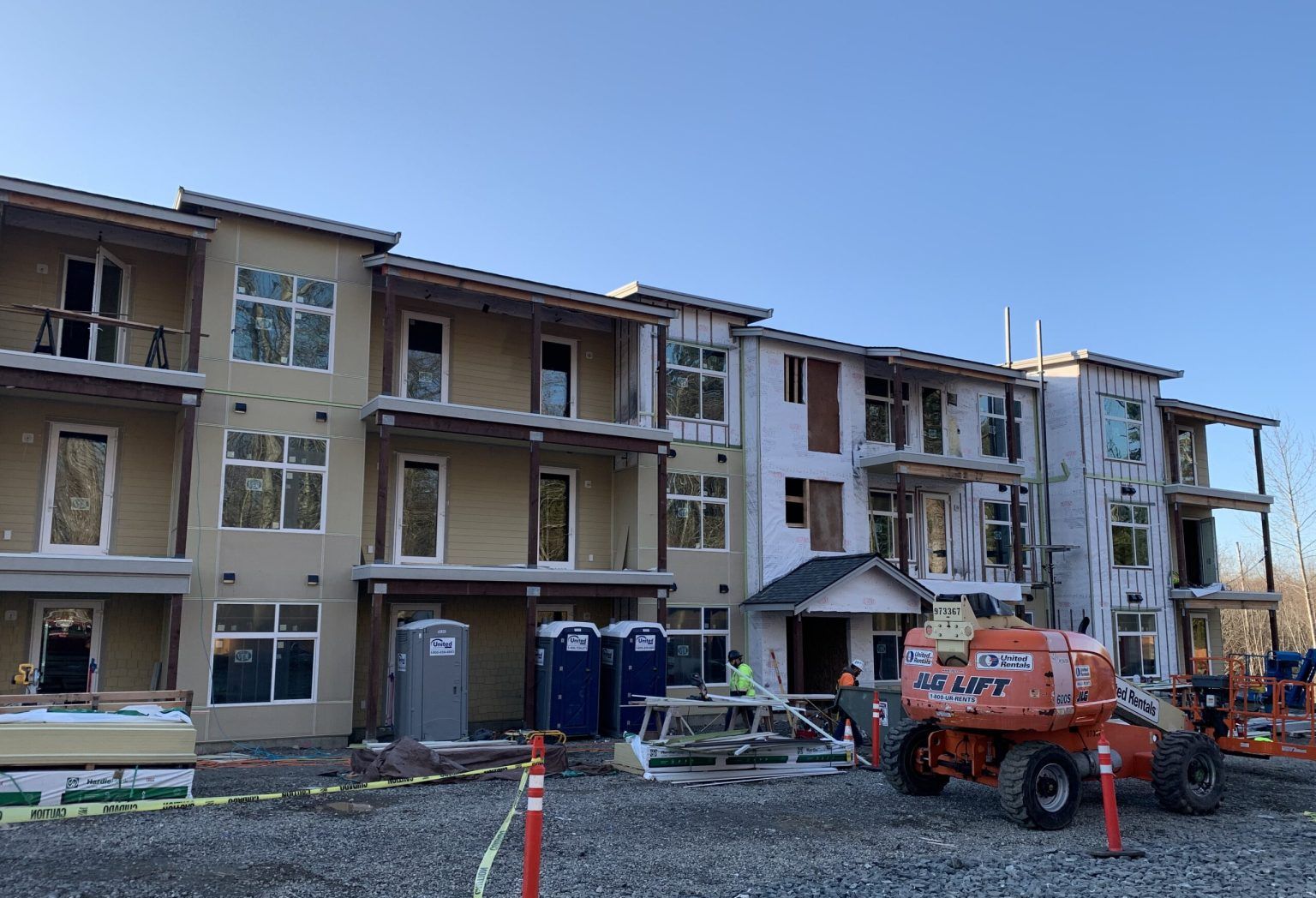
Once permits are approved and material is on-site, the physical work follows a fairly consistent sequence:
A few days before work begins, it helps to clear a perimeter around the house of potted plants, patio furniture, decorative lighting, and anything mounted on or leaning against exterior walls. Vehicles should be moved out of the driveway closest to the work area so crews and material staging have room, and pets are usually best kept indoors or with a sitter during active removal days, since there will be nail debris and open wall sections. If Connerton's HOA has rules about dumpster placement or contractor signage — many planned communities do — it's worth checking those in advance so a small logistics issue doesn't turn into a compliance letter. Homeowners don't need to be present for every work hour, but having someone reachable by phone during the sheathing-inspection stage is useful, in case the crew finds something that needs a same-day decision.
Once installation is complete, the work has to pass a Pasco County final inspection before the permit is closed out — this confirms the installed product and fastening match what was approved and that flashing and weather barrier details were done correctly. After the inspector signs off, cleanup includes a magnetic sweep of the yard and driveway to pick up stray nails and fasteners, removal of old siding and packaging material, and a general debris check around landscaping beds where trim cutoffs tend to collect. The final walkthrough is where the homeowner and the crew lead go around the house together, checking caulk lines, color consistency, corner alignment, and any areas near gutters or downspouts where water runoff patterns matter. This is the right time to flag anything that doesn't look finished — it's much easier to correct before the crew demobilizes than afterward.
New siding in this climate holds up best with a small amount of routine attention. An annual rinse with a garden hose (pressure washers can force water behind panels or damage caulk joints if used incorrectly) keeps mildew and pollen from building up in the humidity. It's worth doing a visual check of caulk joints and trim before hurricane season each year, since UV exposure and thermal movement can open small gaps over time, and those are the spots wind-driven rain finds first. Alpine Exteriors backs its installation work with a workmanship warranty, and the siding manufacturer's product warranty covers material defects separately — both should be provided in writing at project close, along with care instructions specific to the material installed. If your home carries a wind mitigation inspection for insurance purposes, it's also a good time to have that updated on an OIR-B1-1802 form, since new siding, fastening, and flashing can sometimes affect that assessment; your insurance agent can confirm whether it's worth requesting.
Yes. A building permit is required for a full siding replacement in unincorporated Pasco County, and the installed materials need to carry a valid Florida Product Approval rated for the wind exposure that applies to your property. Alpine Exteriors handles the permit application as part of the project and won't schedule installation until it's approved.
In almost every case, yes. Connerton is a deed-restricted community with an architectural review process, and material, profile, and color changes typically need committee approval before a county permit application makes sense to file. Submitting complete color samples and product specs the first time is the best way to avoid a delay.
The Florida Building Code sets a required wind load rating based on your home's location and exposure, and every product installed — the siding itself, the fastening pattern, and the underlying weather barrier — has to meet that rating. This doesn't rule out most siding options, but it does rule out certain low-cost products that lack the product approval needed for this wind zone, and it determines how closely fasteners are spaced.
It's discovered often enough in Florida's humidity that most experienced crews expect to find at least some of it, especially around older window flashing or areas where gutters have overflowed for years. Any damaged sheathing is documented with photos and priced separately before repair, so you know exactly what was found and why the added work is needed rather than getting a surprise on the final invoice.
If you're weighing a siding replacement for a Connerton home, Alpine Exteriors can walk the property, point out what the HOA and permit process will actually require for your specific lot, and give you a realistic timeline and cost range before any contract is signed. Alpine Exteriors holds Florida contractor license RB29003900 and works throughout Tampa Bay, including Wesley Chapel, Lutz, Land O' Lakes, New Port Richey, Plant City, and Zephyrhills. Reach out for a free on-site estimate to get a firm start date and a scope written specifically for your home, not a generic template.