
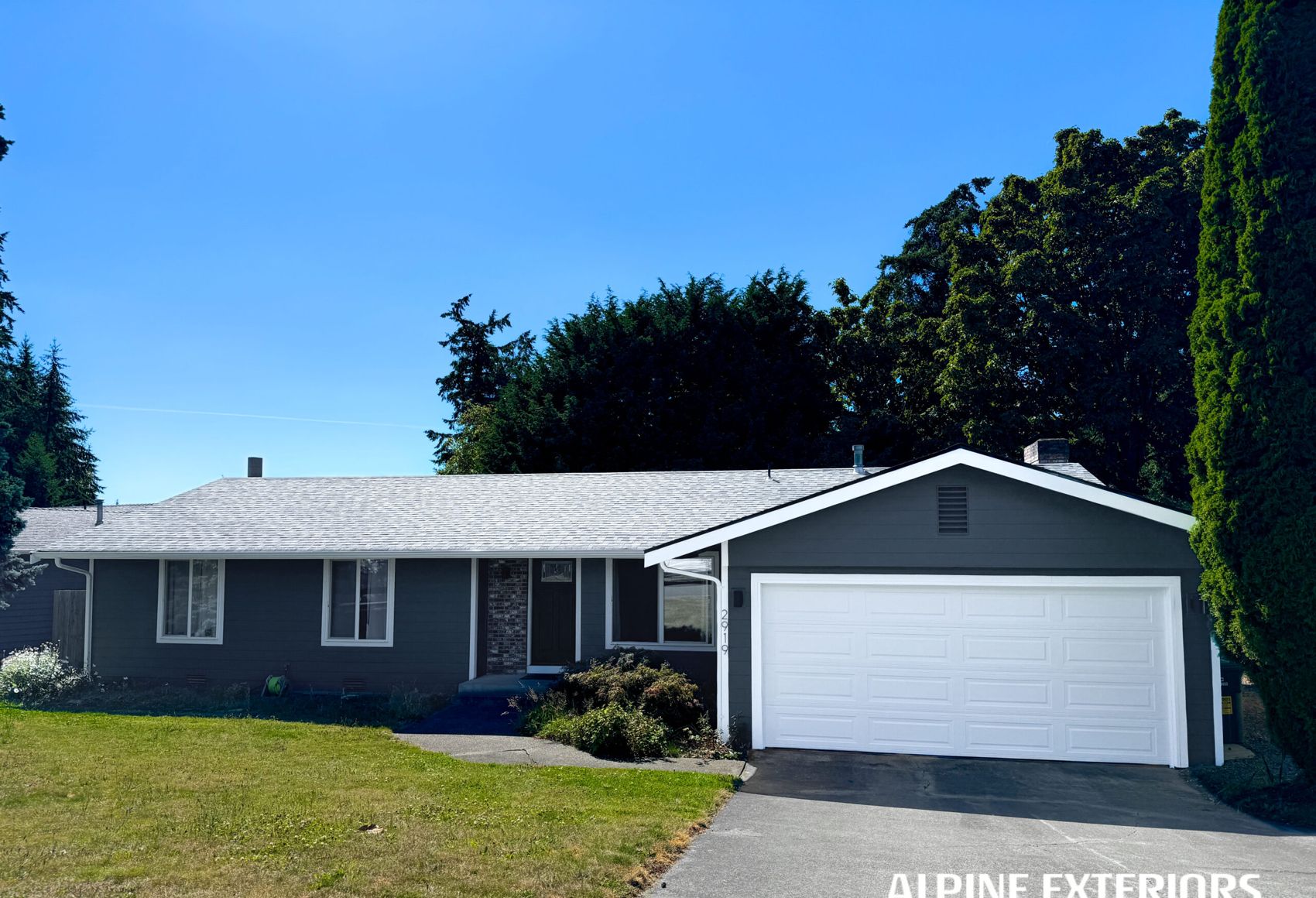
Jasmine Estates sits inland from the Gulf but still close enough to feel every storm season that rolls through Pasco County, which means the siding on most of these homes is doing real work — shedding wind-driven rain, standing up to intense central Florida UV, and resisting the humidity that keeps termite pressure high year-round. A full siding replacement on a typical single-family home here runs anywhere from four to ten working days once crews are actually on site, though the whole project — from signed contract to final walkthrough — usually spans three to eight weeks when you factor in permitting, material lead times, and Florida's unpredictable summer rain windows. Homes with more corners, dormers, or two stories take longer than a simple ranch footprint. Anyone who tells you an exact date before permits are pulled and materials are confirmed is guessing, and it's worth being skeptical of that kind of promise.
Weather is the single biggest variable. Pasco County gets regular afternoon thunderstorms from June through September, and a licensed crew will not hang siding in active rain or high wind because it compromises the water-resistive barrier and fastening pattern underneath. A realistic contractor builds a few rain days into the schedule rather than pretending they don't exist.
Siding replacement in unincorporated Pasco County requires a building permit, and the products used have to carry current Florida Product Approval or Miami-Dade NOA listings referenced in the Florida Building Code. This isn't paperwork for its own sake — the code's wind-load provisions exist because Pasco County sits in a hurricane-exposed wind zone, and siding that isn't rated for the correct wind pressure can peel off in a tropical storm long before it reaches hurricane strength. Alpine Exteriors pulls permits before any tear-off begins and schedules the required inspections around the county's timeline, which can add a week or more depending on inspector availability.
If Jasmine Estates has an active HOA or deed restriction on your street, check it before you pick a color. Many Pasco County communities have specific rules about siding profile, color palettes, and sometimes a design-review submission that has to be approved before a permit can even be requested. Skipping this step is one of the most common causes of delay we see, and it's entirely avoidable with a phone call or a look at your HOA packet.
Material lead times vary by product. Fiber cement and vinyl siding in common colors are often available within one to two weeks, but specialty colors, board-and-batten profiles, or trim accessories can take four to six weeks to arrive from the manufacturer. If your wind mitigation inspection or insurance renewal is tied to the OIR-B1-1802 form, it's worth timing that inspection for after the new siding and any related opening protection are installed, since some carriers give credit for updated exterior components.
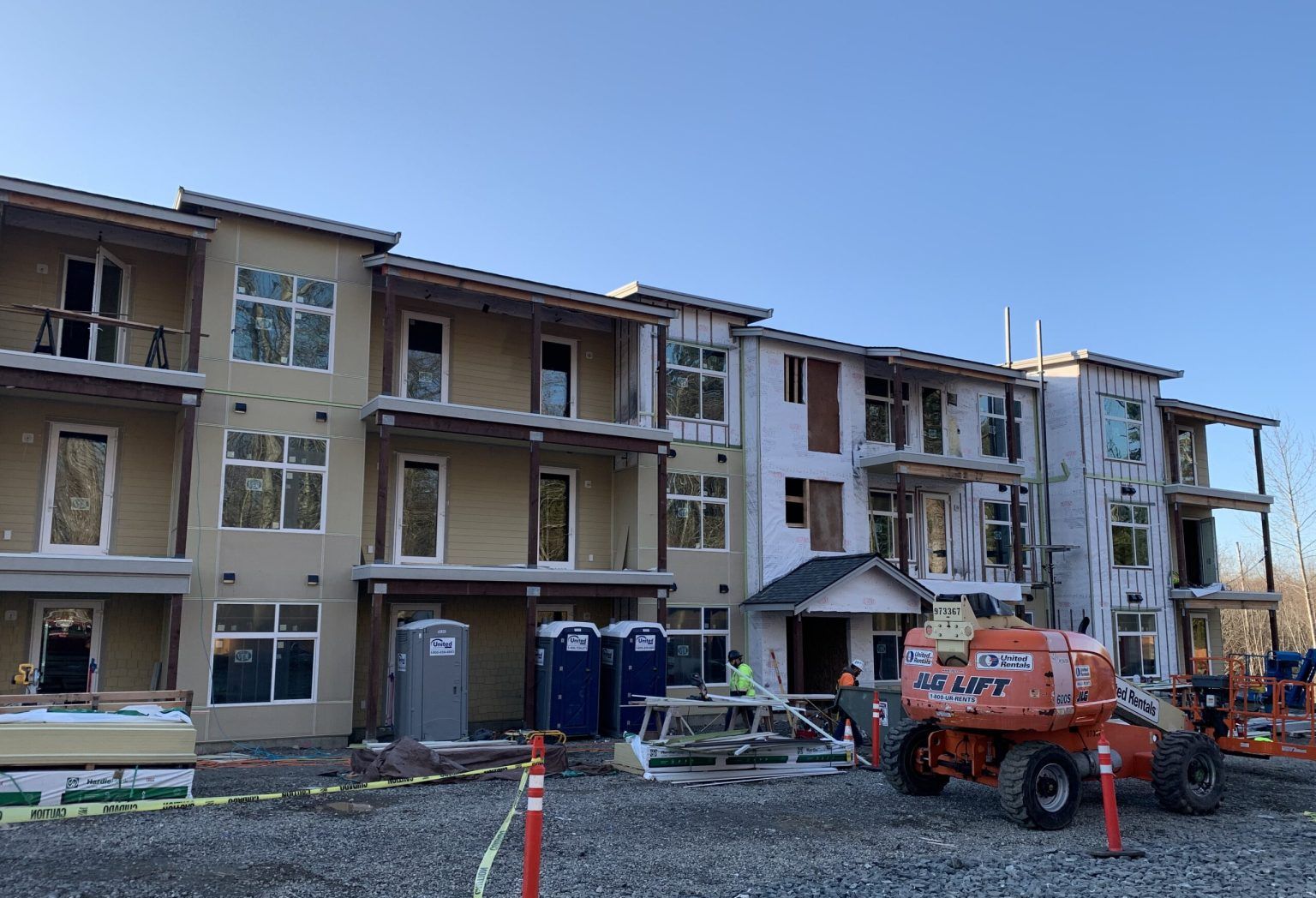
Once permits are approved and materials are on site, the physical work follows a consistent sequence:
A few days before crews arrive, move vehicles out of the driveway and garage access areas, take down anything hanging on exterior walls, and trim back shrubs or trees touching the house. Expect noise and dust during tear-off, and expect exterior water spigots to be temporarily inaccessible. Pets should be kept indoors or elsewhere during active work hours, since gates and yard access will be open for material staging. If you have solar panels, exterior cameras, or a home alarm system with sensors mounted on the siding, flag those in advance so they can be temporarily removed and reinstalled rather than damaged during tear-off.
It's also worth setting expectations with neighbors, especially in a tighter-lot neighborhood like much of Jasmine Estates — dumpsters, material deliveries, and work trucks will be parked on the street for the duration of the project.
Pasco County requires a final building inspection before the permit closes out, confirming the installation meets the Florida Building Code wind-resistance and water-management requirements tied to the product approval on file. A magnetic nail sweep of the yard and driveway is standard practice after tear-off and again after final cleanup, since loose fasteners are both a safety hazard and hard on lawn mower tires. Old siding, house wrap scraps, and packaging debris should be hauled off site daily, not left to pile up for the length of the job.
The final walkthrough is where you and the crew lead go around the entire house together, checking seams, trim lines, corner details, and caulking, and confirming the color and profile match what was ordered. This is the time to point out anything that looks off — a slightly uneven reveal, a caulk line that needs cleanup, a trim piece that doesn't sit flush — before the crew demobilizes.
New siding in this climate needs very little maintenance, but it isn't zero-maintenance. Rinse it down once or twice a year to clear pollen, mildew film, and salt-laden dust, especially if you're on the western side of Pasco County closer to the Gulf where airborne salt accelerates grime buildup on exterior surfaces. Re-caulk any trim joints if you notice separation after a few years of UV and thermal cycling, and keep an eye on areas around windows and doors for any sign of water staining, which can indicate a flashing issue that should be addressed quickly rather than left to sit in Florida's humidity.
Warranty coverage typically comes in two layers: a manufacturer's product warranty covering material defects, and a workmanship warranty from the installing contractor covering the installation itself. Ask for both in writing, and understand what voids each one — for example, pressure washing at too close a range or with the wrong nozzle can void a manufacturer's finish warranty on some products. Alpine Exteriors operates under Florida contractor license RB29003900 and stands behind its installation work separately from the manufacturer's material warranty, so you should have a clear answer on who to call for which type of issue.
Most single-family homes in the Jasmine Estates area take four to ten working days of actual on-site labor, though summer thunderstorms can stretch that by adding rain delay days here and there. Larger or more architecturally complex homes take longer.
It depends on your carrier and the specific product installed. Some insurers give credit on the OIR-B1-1802 wind mitigation form for updated exterior components with current wind-resistance ratings, but this isn't guaranteed across every policy, so it's worth asking your agent directly rather than assuming a discount.
You don't need to be present for the full workday, but you should be reachable by phone in case the crew uncovers hidden sheathing damage or a termite issue that needs a decision before work continues, and you should plan to be home for the final walkthrough.
This is common enough in Pasco County's humid climate that it shouldn't be treated as unusual. The damaged sheathing or framing gets documented, repaired or replaced, and the cost is typically handled as a change order separate from the original siding estimate, since it can't be known until the old siding comes off.
If you're weighing a siding replacement in Jasmine Estates or anywhere else in Pasco County, Alpine Exteriors can walk your specific house, explain what the permit and product approval process looks like for your situation, and give you a realistic timeline before any work is scheduled. Reach out to set up an on-site evaluation.