
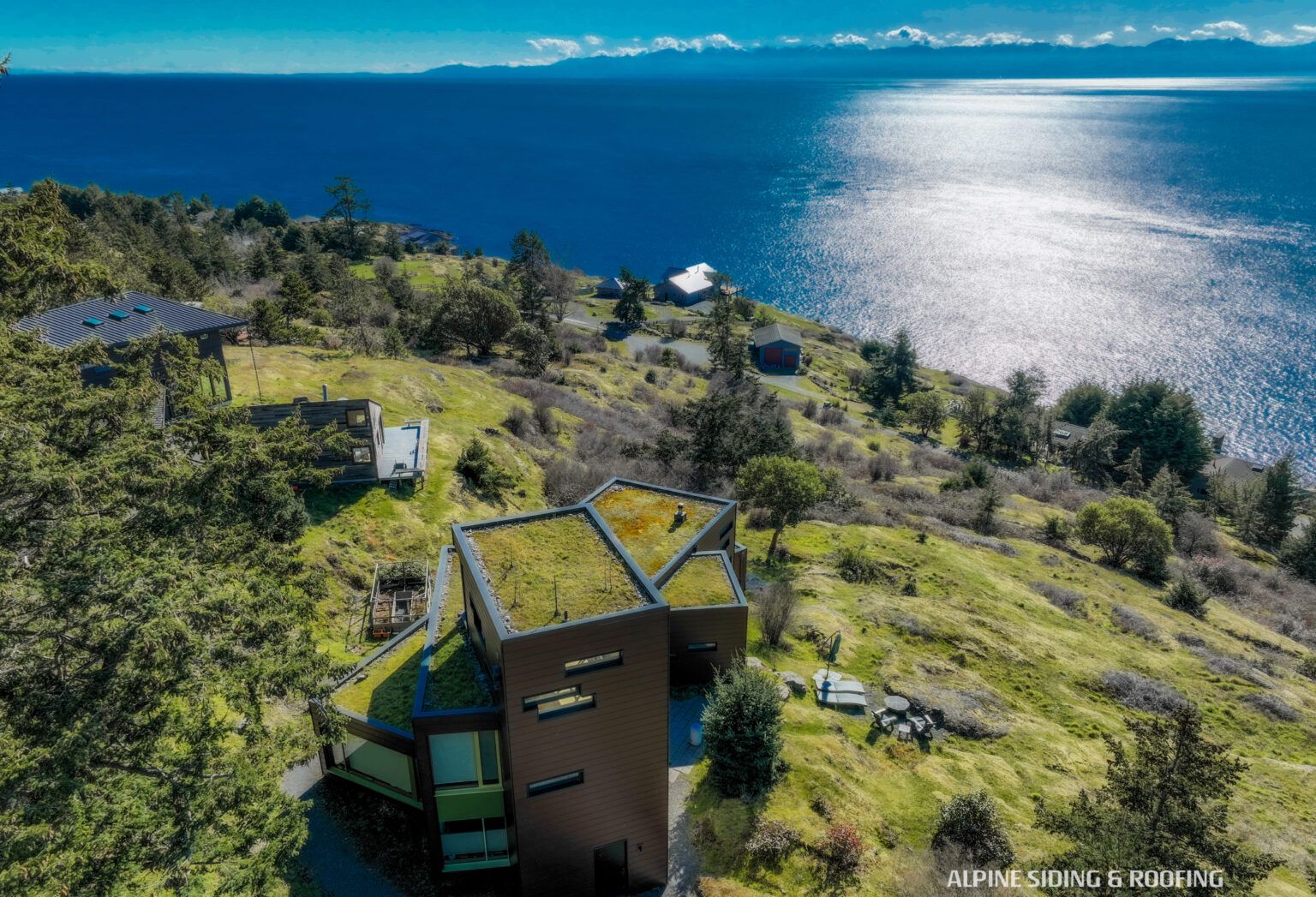
If you're re-siding a home in New Port Richey or elsewhere in Pasco County, the decision usually comes down to two products: James Hardie fiber cement and vinyl siding. Both are sold and installed throughout Tampa Bay, both hold Florida product approvals, and both can look good on a finished house. The right pick depends less on which one is "better" in the abstract and more on your budget, how long you plan to own the home, and how much direct sun and storm exposure your particular lot gets. This page walks through both materials with an eye on the conditions that actually matter here — hurricane wind loads and wind-driven rain, heavy humidity and the mold pressure that comes with it, intense UV, and the termite activity that's a fact of life across the Florida peninsula.
For most owner-occupied homes in New Port Richey — especially older homes with original wood or aging siding, homes on open lots with little tree cover, or anyone planning to stay put for 15+ years — James Hardie fiber cement is the stronger long-term match for this climate. It handles UV, humidity, and wind-driven rain with less degradation over time, and it doesn't soften or distort in the kind of sustained summer heat Pasco County sees. For budget-driven projects, rental or investment properties where you need a durable but lower-cost exterior, or additions and outbuildings where matching an existing high-end look isn't the priority, vinyl siding remains a reasonable and much less expensive option — provided you choose a properly rated product and it's installed correctly for our wind zone. Neither choice is wrong; they're built for different priorities, and Alpine Exteriors installs both depending on what a given home and budget actually call for.
James Hardie siding is made from a blend of Portland cement, sand, and cellulose fiber, pressed and cured into planks, panels, or shingle-style pieces. Because it's a cement-based product rather than a plastic one, it doesn't expand, contract, or soften with heat the way vinyl can, and it's non-combustible — a genuine advantage but not the main reason homeowners here choose it. The main reasons are moisture and storm performance. Fiber cement doesn't absorb water the way wood does, resists the mold and mildew growth that Tampa Bay's humidity encourages on lesser materials, and stands up to years of wind-driven rain without the seams or panel edges failing. HardiePlank lap siding and HardieShingle products carry Florida Product Approval for use in the wind speeds required across Pasco County, and factory-applied ColorPlus finishes are baked on to resist the fading that intense Florida UV causes in painted or thinner-coated products.
The tradeoffs are real. Fiber cement is heavier than vinyl, which means installation takes longer, requires more fasteners set to manufacturer spacing, and generally costs more in both material and labor. It has to be field-cut with proper dust control (fiber cement dust is a respiratory hazard during cutting), and while the ColorPlus finish is durable, field-painted Hardie will eventually need repainting like any painted exterior. It's also a bigger upfront investment than vinyl, which matters if you're working with a tight renovation budget or don't plan to stay in the home long enough to recover that cost through resale value or lower upkeep.
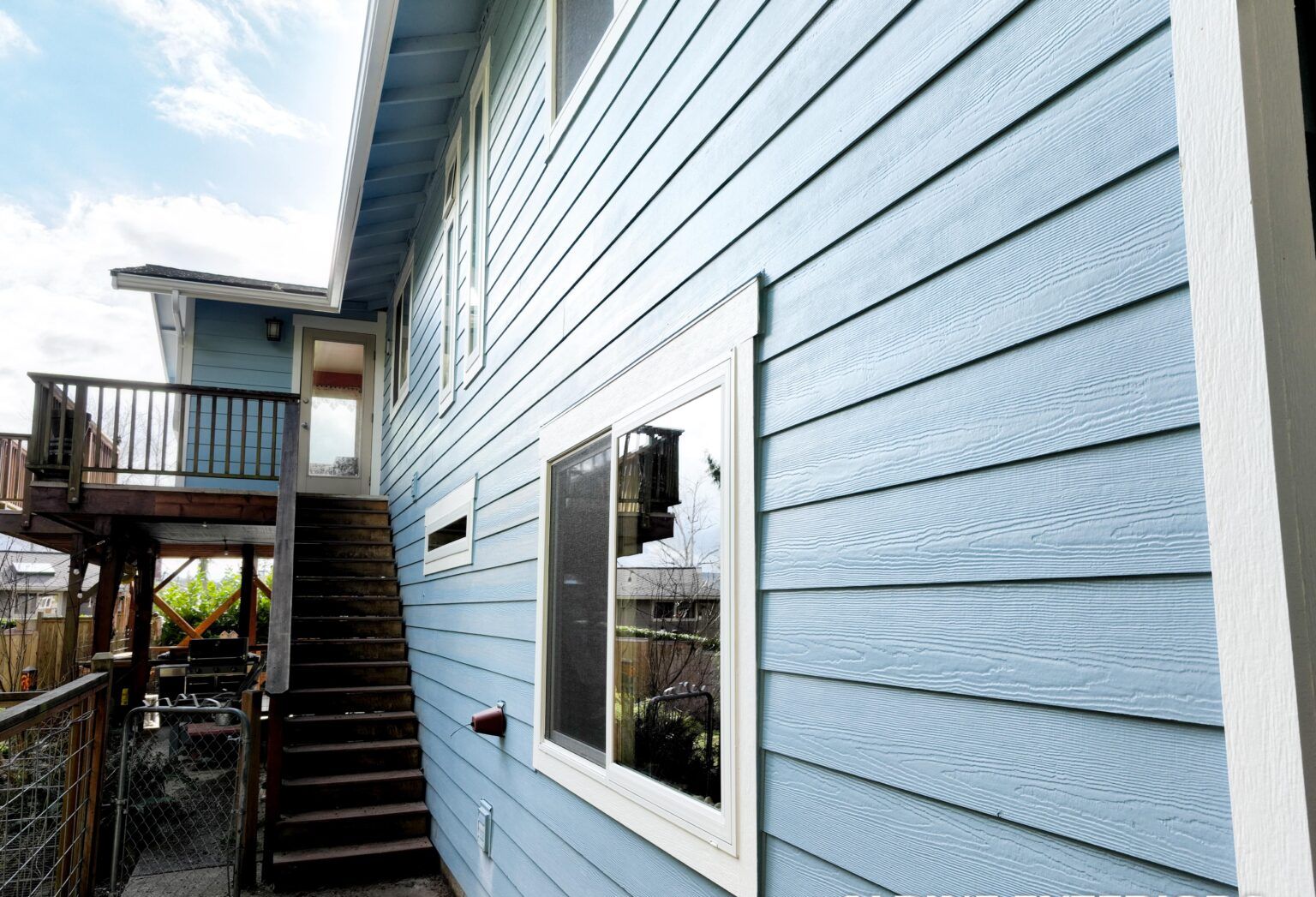
Vinyl siding is a PVC-based product formed into interlocking panels, and its biggest advantage is straightforward: it costs less to buy and less to install than fiber cement, and the installation timeline is typically shorter since the panels are lighter and don't require field cutting with specialty tools. Vinyl doesn't rot, doesn't need painting, and modern products come in a wide range of colors and textures, including options styled to resemble wood clapboard or shake. For homes where budget is the deciding factor, or for secondary structures where matching the exact look of premium siding isn't essential, vinyl gets the job done at a lower price point.
The drawbacks show up more in a climate like ours than in milder regions. Standard vinyl can soften, warp, or distort in the kind of sustained high heat and direct sun exposure common on Pasco County rooflines and south- or west-facing walls, particularly darker colors that absorb more heat. Impact resistance is lower than fiber cement, and thinner-gauge vinyl can crack under storm-driven debris. Wind rating varies significantly by product thickness and how it's installed — not every vinyl siding on the market is rated for the wind speeds required under the Florida Building Code in this area, so the specific product and its Florida product approval documentation matter a great deal here, not just the general category of "vinyl." Color is also molded through the material rather than a separate finish coat, which helps with scratches but still fades over years of intense UV exposure, and unlike fiber cement, faded vinyl generally can't be repainted as a fix — it has to be replaced.
| James Hardie Fiber Cement | Vinyl Siding | |
|---|---|---|
| Cost | Higher material and labor cost; typically the larger upfront investment of the two, reflecting the weight, cutting requirements, and factory finish | Lower material and labor cost; generally the more budget-friendly option for the same square footage |
| Lifespan | Long service life when properly installed and finish-maintained; resists warping, cracking from heat, and moisture-driven decay | Shorter practical lifespan in intense sun and heat exposure; can distort, fade, or crack sooner on the hottest-exposed elevations |
| Maintenance | Low maintenance overall; factory ColorPlus finish resists fading, though caulking and any field-painted areas need periodic attention | Very low routine maintenance — no painting — but panels that warp, crack, or fade generally require full replacement rather than repair |
| Appearance | Crisp, dimensional profiles with a finish that reads as a premium, wood-like exterior; holds color and edge definition well over time | Wide color and texture selection at a lower cost, but can look and feel less substantial up close, and color/texture options are more limited on higher-end profiles |
New Port Richey sits close enough to the Gulf that homes here deal with more than just heat — they take on-and-off wind-driven rain during storm season, stretches of high humidity that keep siding damp longer than in drier climates, and a mild but real amount of salt-tinged air moving in off the coast. Termite pressure is also a standing consideration for any exterior material choice in this part of Florida, and fiber cement's cement-based composition gives it an inherent advantage there since it isn't a food source and doesn't retain moisture the way wood-based products can. Combine that with the sustained, intense UV this region gets for most of the year, and the case for James Hardie on a primary residence gets stronger the longer you plan to own the home: it's simply built to shrug off the specific stresses — heat distortion, wind-driven moisture intrusion, sun-driven fading — that show up fastest on the wrong material in this climate.
That said, vinyl isn't a bad choice here, it's a different choice. If you're working with a firm renovation budget, siding a rental property where you need durability without a premium price tag, or doing a smaller project like a shed or addition that doesn't need to match a high-end main house, a properly wind-rated vinyl product installed correctly for Pasco County's Florida Building Code requirements will hold up reasonably well. The key is not treating all vinyl as interchangeable — checking the specific product's Florida product approval and wind rating against what your home's elevation and exposure actually need. Alpine Exteriors walks homeowners through that comparison product by product rather than defaulting to one material for every job, because the right answer genuinely depends on the house, the budget, and how long you're planning to stay.
Some vinyl siding does and some doesn't — it depends entirely on the specific product's thickness, locking profile, and Florida product approval rating, plus how it's fastened during installation. Pasco County is not in Florida's High-Velocity Hurricane Zone, but the Florida Building Code still sets minimum wind resistance requirements for exterior cladding here, so it's worth confirming the product approval number for any vinyl siding you're considering rather than assuming standard big-box vinyl is automatically rated for your address.
Sustained humidity keeps exterior surfaces damp longer after rain and encourages mold and mildew growth on materials that hold moisture or have failure-prone seams. Fiber cement resists this well because it doesn't absorb water the way wood does, while vinyl doesn't feed mold growth directly but can trap moisture behind panels if installation details like flashing and house wrap aren't handled correctly — which is more about workmanship than the material itself.
Siding material itself isn't usually the line item that moves your premium the most — wind mitigation credits documented on Florida's OIR-B1-1802 form are typically driven more by roof shape, roof-to-wall connections, opening protection, and roof covering age. That said, siding replacement is a reasonable time to have a wind mitigation inspection done or updated, since other improvements made during the same project can sometimes be documented at the same time.
James Hardie fiber cement is built to hold up over a long service life in hot, humid, storm-exposed climates like ours, with the factory ColorPlus finish extending the time before repainting is needed. Vinyl's practical lifespan in Tampa Bay tends to run shorter, particularly on south- and west-facing walls that take the most direct sun and heat, where warping or fading can shorten the timeline compared to milder climates. Actual results for both depend heavily on installation quality and the specific product chosen.
If you're weighing James Hardie against vinyl for a home in New Port Richey, Wesley Chapel, Lutz, Land O' Lakes, Zephyrhills, Plant City, or elsewhere in the Tampa Bay area, Alpine Exteriors can walk your specific house — sun exposure, current siding condition, and budget — and give you a straightforward recommendation rather than a one-size-fits-all pitch. Alpine Exteriors holds Florida contractor license RB29003900; reach out for an on-site look and a written estimate covering both options before you decide.