
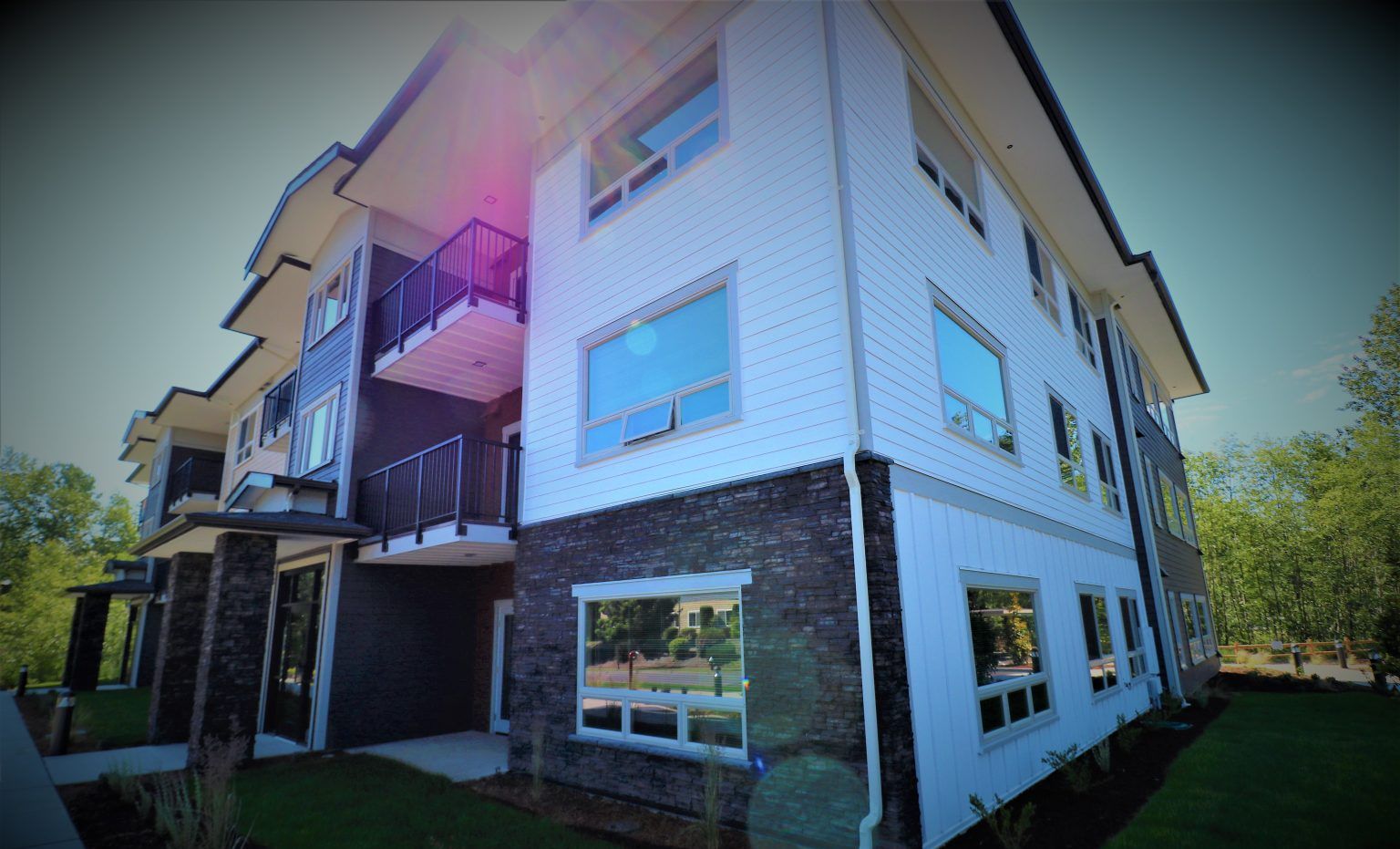
Connerton is one of the newer master-planned communities in Land O' Lakes, and that catches a lot of homeowners off guard when they start pricing siding work: "isn't my house too new for this?" Newer construction doesn't mean immune. Original builder-grade siding, trim, and house wrap in Pasco County still take a beating from Gulf Coast humidity, intense UV exposure, and the wind-driven rain that comes with every tropical system that brushes the west coast of Florida. Whether you're dealing with early failure on original siding, storm damage, or you simply want a material that holds up better long-term, this guide lays out realistic cost ranges for siding replacement around Connerton and the rest of the Alpine Exteriors service area, and explains what actually drives the number on your specific home.
We're not going to hand you a single number, because a single number would be misleading. Siding pricing swings on material choice, the size and shape of your house, what condition the wall sheathing is in once the old siding comes off, and how much trim and code-related work is bundled into the job. What follows are honest ranges based on how these projects typically break down in this market, not a quote — the only way to get a real number is a site visit.
For a typical single-family home in the Connerton area, full siding replacement generally lands somewhere between a modest mid-four-figure job for a small home with budget vinyl, up through a mid-five-figure or higher project for a larger home finished in fiber cement with extensive trim work. That's a wide band on purpose — the table below breaks out the major cost factors so you can see roughly where your project is likely to fall.
| Cost Factor | Low End | High End |
|---|---|---|
| Vinyl siding, standard profile | Lower cost per square | Moderate, depending on thickness and wind rating |
| Fiber cement (HardiePlank-type) siding | Moderate | Higher, especially with shake or board-and-batten accents |
| Engineered wood or specialty panel siding | Moderate | Higher |
| Full tear-off of existing siding | Adds a modest amount | Adds significantly more with multiple layers or rot |
| Sheathing/substrate repair (rot, water damage) | Minor if isolated | Substantial if widespread |
| House wrap / moisture barrier upgrade | Modest add-on | Higher on larger or multi-story homes |
| Trim, fascia, and soffit work | Moderate | High if extensive rot or full replacement is needed |
| Home size and number of stories | Lower for single-story, compact homes | Higher for two-story or larger footprint homes |
| Permit and code-compliance requirements | Baseline permit cost | Higher if wind-rated product approval adds engineering steps |
The biggest single lever is material. Vinyl remains the most budget-friendly option and performs reasonably well in this climate when it carries the correct wind rating, but it's more prone to cracking under wind-borne debris impact and can fade faster under sustained Florida UV than fiber cement. Fiber cement costs more up front but resists moisture, pests, and UV degradation better over the long run, which is a meaningful consideration in a humid, storm-exposed market like Pasco County. Neither choice is "wrong" — it's a trade-off between upfront budget and long-term maintenance.
Beyond the material itself, several conditions specific to Connerton and the broader Tampa Bay area push a quote up or down:
A siding quote that's actually useful for comparison should spell out more than a bottom-line number. At minimum, look for a written scope that covers the siding material and manufacturer, tear-off and disposal of the old material, any sheathing or substrate repair terms (and how unforeseen repairs are priced if discovered mid-project), house wrap or moisture barrier work, trim, fascia, and soffit scope, flashing details around windows and doors, permit responsibility, and the timeline. Alpine Exteriors puts this level of detail in writing before work starts specifically because siding jobs in this climate so often turn up hidden moisture or termite damage once the old material is off — you want to know upfront how that gets handled and priced, not find out after the fact.
It's also worth asking specifically about the Florida Product Approval number for whatever siding product is proposed, and confirming it's rated for the wind pressures applicable to your address. A contractor who can't produce that documentation on request is a red flag, not a minor omission.
When you're weighing multiple bids for a Connerton siding project, resist the urge to compare bottom-line totals alone — two quotes that look close on price can represent very different scopes of work. Check whether each bid includes full tear-off or is proposing to install new siding over the old (a shortcut that can trap moisture and cause problems down the line). Compare the siding brand and product line specified, not just "vinyl" or "fiber cement" as a category, since quality and wind ratings vary significantly between manufacturers. Look at whether house wrap replacement is included or assumed to be reused. Ask how each contractor handles sheathing repair discovered mid-project — a flat allowance, a fixed per-sheet price, or a vague "we'll let you know" is worth understanding before you sign anything. Finally, confirm each bidder is licensed to work in Florida and ask for their license number; Alpine Exteriors holds Florida contractor license RB29003900, and any legitimate contractor should be able to provide theirs without hesitation.
Several Alpine Exteriors clients in Pasco County finance siding projects rather than paying the full cost upfront, and financing options are worth asking about directly during your consultation since terms and availability change. On the insurance side, siding replacement can sometimes intersect with a homeowner's wind mitigation inspection. If you're replacing siding as part of storm damage repair, keep documentation of the damage and any insurance claim correspondence, since your contractor will often need to coordinate scope with the adjuster's estimate. Separately, some insurers ask for an updated OIR-B1-1802 wind mitigation inspection form when exterior work changes the wind-resistance features of the home; check with your agent about whether new siding work should be reflected there, since it can occasionally affect premium calculations. This isn't guaranteed to lower your rate, and Alpine Exteriors doesn't make insurance promises — it's simply worth a conversation with your carrier.
Both have a place here, and the right answer depends on your priorities. Vinyl costs less upfront and installs faster, but it's more susceptible to cracking from wind-borne debris and can show UV fading over time. Fiber cement costs more initially but generally holds up better against Florida's humidity, sun, and storm exposure over the long haul, with less maintenance. Homeowners planning to stay long-term often lean toward fiber cement, while those focused on upfront budget or a rental property often choose vinyl.
Timeline depends heavily on home size and whether hidden sheathing damage turns up once the old siding is removed. A straightforward single-story home with sound sheathing moves faster than a larger two-story home or one with widespread moisture damage discovered mid-project. Weather is also a factor during Florida's rainy season, since siding installation generally needs to pause during active rain.
Likely yes. Connerton, like most planned communities in this part of Pasco County, has HOA architectural guidelines that may govern approved siding colors, materials, or styles. It's worth checking your HOA's design review process before finalizing material and color selections, since approval can take time and may limit certain options even if they'd otherwise meet code.
Most full siding replacement projects require a permit under the Florida Building Code, particularly since the work involves installing a wind-rated product with its own Florida Product Approval documentation. A licensed contractor should handle the permit process as part of the project rather than leaving it to the homeowner, and should be able to explain what inspections are required along the way.
Ranges are a useful starting point, but the only way to know what siding replacement actually costs for your specific house in Connerton is a walkthrough. Alpine Exteriors serves Land O' Lakes and the surrounding Tampa Bay communities, and a site visit lets us look at your current siding condition, check for hidden moisture or termite issues, and put together a detailed written quote you can actually compare against other bids. Reach out to schedule a consultation and get a straightforward assessment of what your project will involve.