
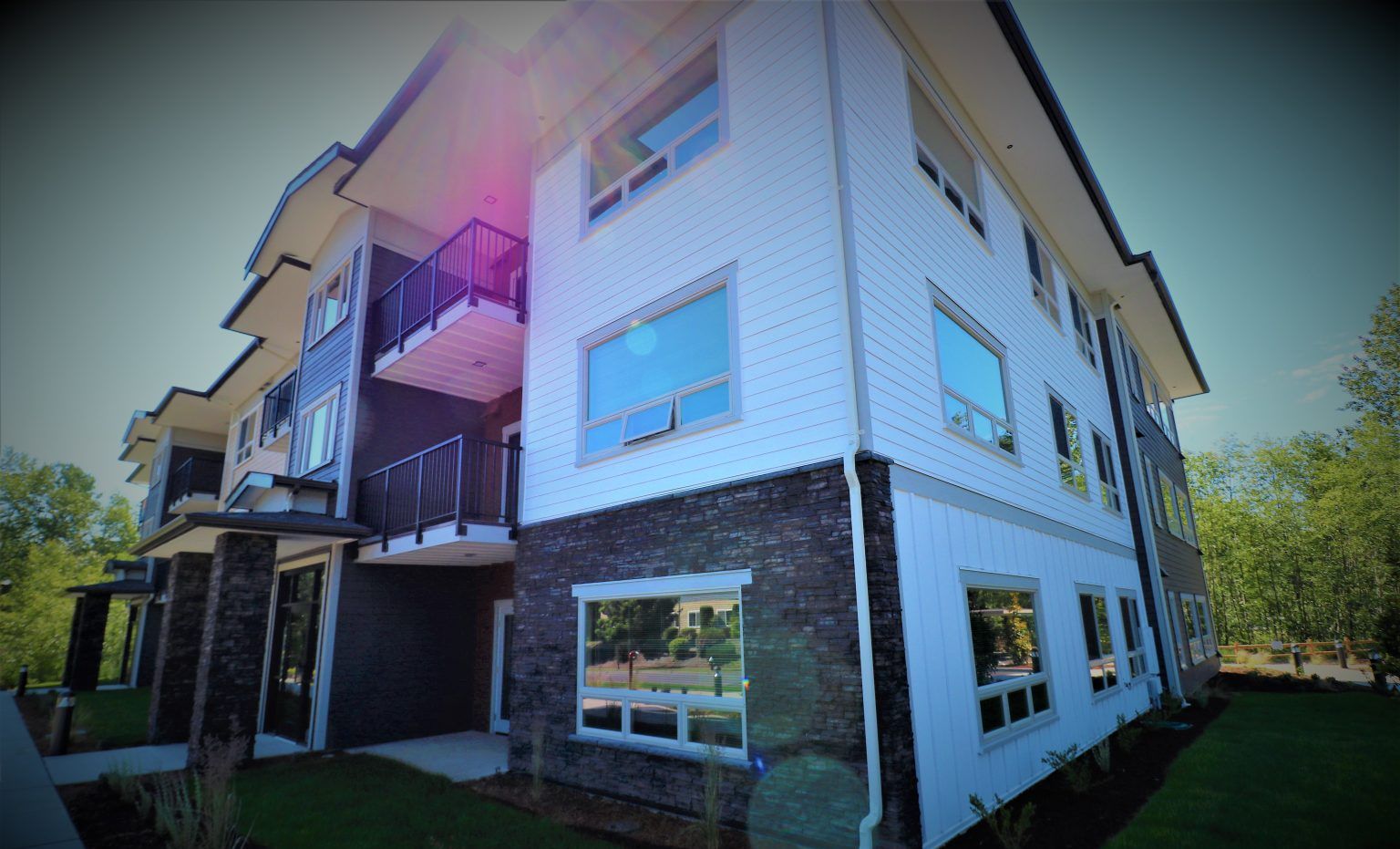
In Balm, an unincorporated community in southern Hillsborough County, siding permits are issued by Hillsborough County's Development Services Department, not by a city building office. Most siding replacement projects — full tear-off or a substantial partial re-side — require a permit because siding is treated as part of the home's structural weather envelope under the Florida Building Code, not as a purely cosmetic finish.
Florida treats exterior cladding differently than many states because siding is one of the components that keeps wind-driven rain out of the wall assembly during a hurricane or tropical storm. When Hillsborough County reviews a siding permit application, the county isn't just checking that the material looks acceptable — it's confirming that the product carries a valid Florida Product Approval (or an accepted Miami-Dade Notice of Acceptance, which Florida allows statewide) rated for the wind pressures that apply to your specific lot, and that the fastening schedule, underlayment, and flashing details match what the manufacturer's approved installation instructions require.
A permit is generally triggered any time siding is removed and replaced, when the water-resistive barrier underneath is disturbed or replaced, or when the scope of work is large enough to affect the building's structural sheathing or window and door flashing. Small, isolated repairs — patching a few damaged boards or panels without exposing the sheathing — are sometimes exempt, but the threshold is set by the county's plan reviewer, not by the homeowner or contractor, so it's worth confirming rather than assuming. Projects over a certain dollar value also require a recorded Notice of Commencement with the Hillsborough County Clerk of Court before work begins, which is a separate step from the building permit itself.
Once a permit is pulled, Hillsborough County typically requires at least one in-progress inspection — often before the new siding is closed in, so the inspector can verify the house wrap or building paper, flashing at penetrations and openings, and the fastener pattern before it disappears behind the finished cladding — followed by a final inspection once the job is complete. Skipping the in-progress inspection because the crew wants to move fast is one of the more common ways a siding job ends up with a failed final or a re-inspection fee.
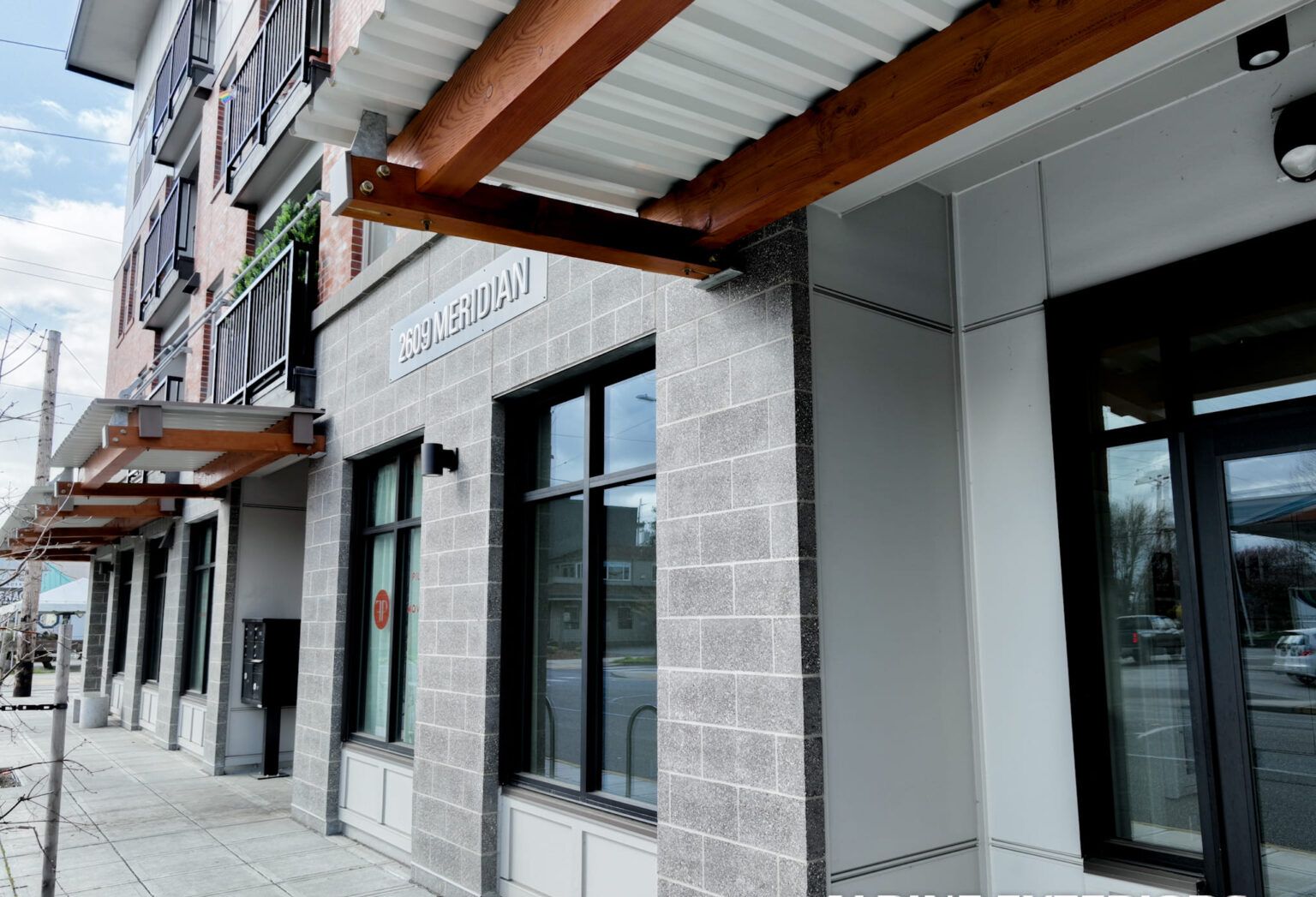
Balm sits in a part of Hillsborough County where the Florida Building Code's wind provisions carry real weight, even though the property isn't in a coastal high-hazard flood zone. The county's design wind speeds are high enough that siding, fastener spacing, and the underlying water-resistive barrier all have to be matched to a product approval that's actually rated for local wind pressures — a lightweight vinyl panel rated for a milder climate zone simply isn't code-compliant here, no matter how good the price looks. It's worth noting that Hillsborough County is not part of Florida's High-Velocity Hurricane Zone — that stricter tier of the code applies only to Miami-Dade and Broward counties — but standard Florida Building Code wind-resistance and product-approval requirements still apply in full, and county reviewers do check them.
Humidity is the other factor that shapes how a siding job should be built in this area, not just permitted. Central Florida's combination of heat, near-constant moisture in the air, and heavy summer rain creates real mold and moisture pressure behind poorly installed cladding. A water-resistive barrier with taped, lapped seams and correctly integrated window flashing isn't optional detailing — it's what keeps wind-driven rain from getting trapped against the sheathing during the wetter months. Add in intense, near year-round UV exposure, which degrades cheaper vinyl and caulking faster than it would in a milder climate, and subterranean and drywood termite pressure that's common throughout inland Hillsborough County, and the case for durable materials and correct installation gets stronger. Balm is inland enough that salt air isn't a major factor the way it is for homes directly on the Gulf, but everything else on this list — wind, rain intrusion, humidity, UV, and termites — applies in full.
The practical path for a Balm homeowner planning a siding project looks like this:
Alpine Exteriors handles the permit application and inspection scheduling directly for jobs in Balm and the rest of southern Hillsborough County, so homeowners aren't stuck tracking down county paperwork on their own mid-project.
It depends on scope. Small patch repairs that don't disturb the underlying water-resistive barrier or sheathing are sometimes exempt, but any project that removes and replaces a significant section of siding, or exposes the wall assembly underneath, generally needs a permit from Hillsborough County. Because the line between "repair" and "replacement" is a judgment call made by the county's plan reviewer, it's worth getting a written answer for your specific project rather than assuming a small job is automatically exempt.
Timelines vary with the county's current review volume and whether the application is complete on the first submission — missing product approval documentation or an incomplete scope description is the most common cause of delay. Submitting a complete package with the correct Florida Product Approval number and installation details up front is the single biggest thing a homeowner or contractor can do to keep the timeline moving rather than sitting in a review queue.
Most permitted siding jobs in this part of Hillsborough County require an in-progress inspection, typically scheduled before the new siding closes in the water-resistive barrier and flashing, plus a final inspection once installation is complete. The in-progress inspection is the one crews sometimes try to skip when they're moving fast, but it's the inspector's only chance to verify the moisture barrier and fastening before it's hidden behind finished siding.
No. The High-Velocity Hurricane Zone is a stricter tier of the Florida Building Code that applies only to Miami-Dade and Broward counties. Hillsborough County, including Balm, follows the standard statewide Florida Building Code wind-resistance and product-approval requirements, which are still substantial given the design wind speeds assigned to this part of the county, but they aren't the HVHZ-level requirements homeowners may have read about for South Florida.
Alpine Exteriors is a Florida-licensed contractor (license RB29003900) serving Balm and the rest of the Tampa Bay area, including Tampa, Wesley Chapel, Lutz, Land O' Lakes, New Port Richey, Plant City, and Zephyrhills. If you're weighing a siding project and want a straight answer on whether your job needs a permit, which products carry the right Florida Product Approval for your wind zone, and what the inspection process will actually look like, reach out to Alpine Exteriors for a project consultation. We handle the permitting and inspection scheduling as part of the job, so you're not left navigating Hillsborough County paperwork on your own.